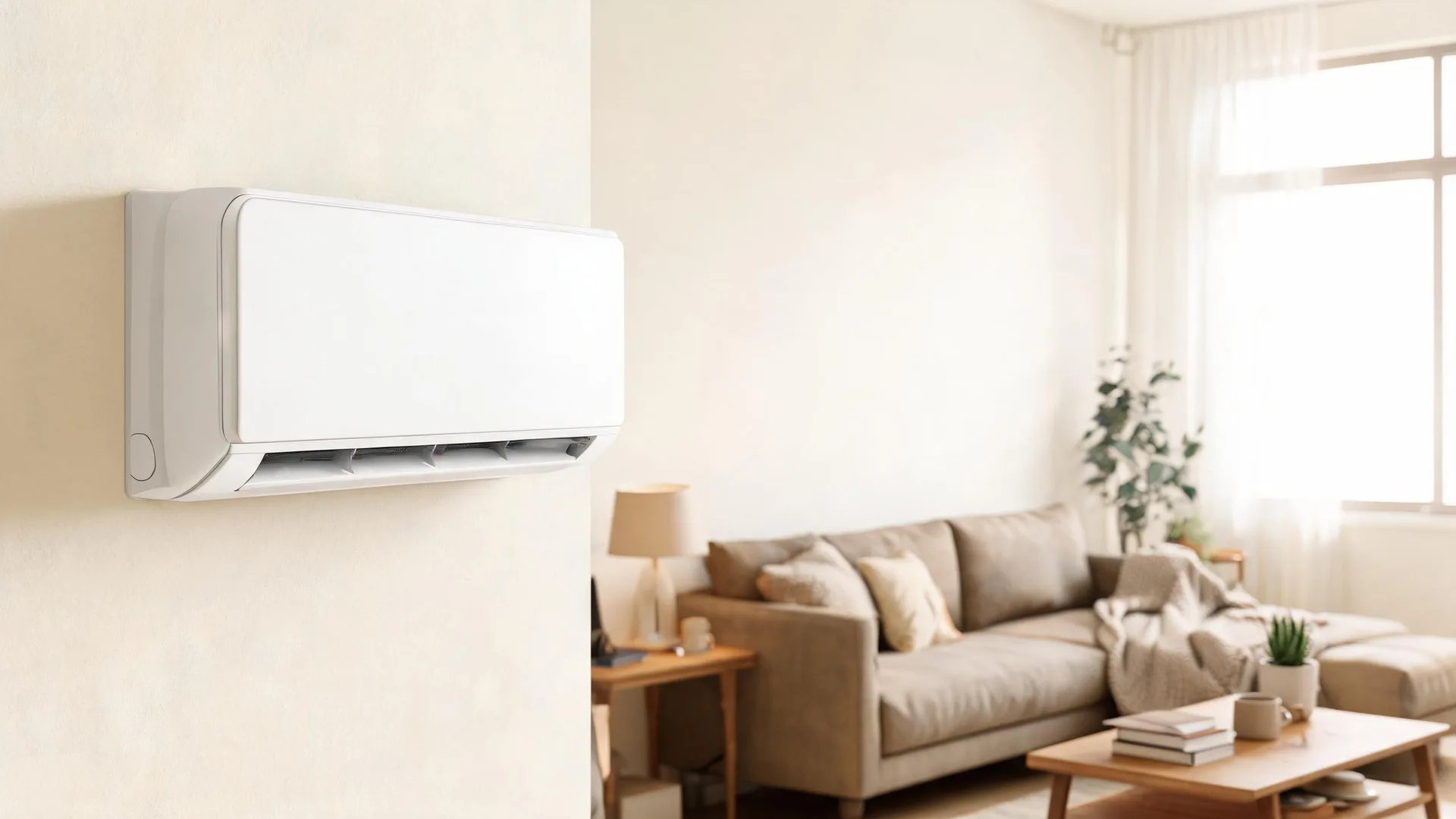
Most homes here run on electricity
Electricity heats 62.6% of occupied homes in Plaquemines Parish, with utility gas a distant second at 34.4%. A mini split fits right into that pattern since it runs on electricity alone, no gas line involved.
Takes about a minute. No obligation.
Electricity heats 62.6% of occupied homes in Plaquemines Parish, with utility gas a distant second at 34.4%. A mini split fits right into that pattern since it runs on electricity alone, no gas line involved.
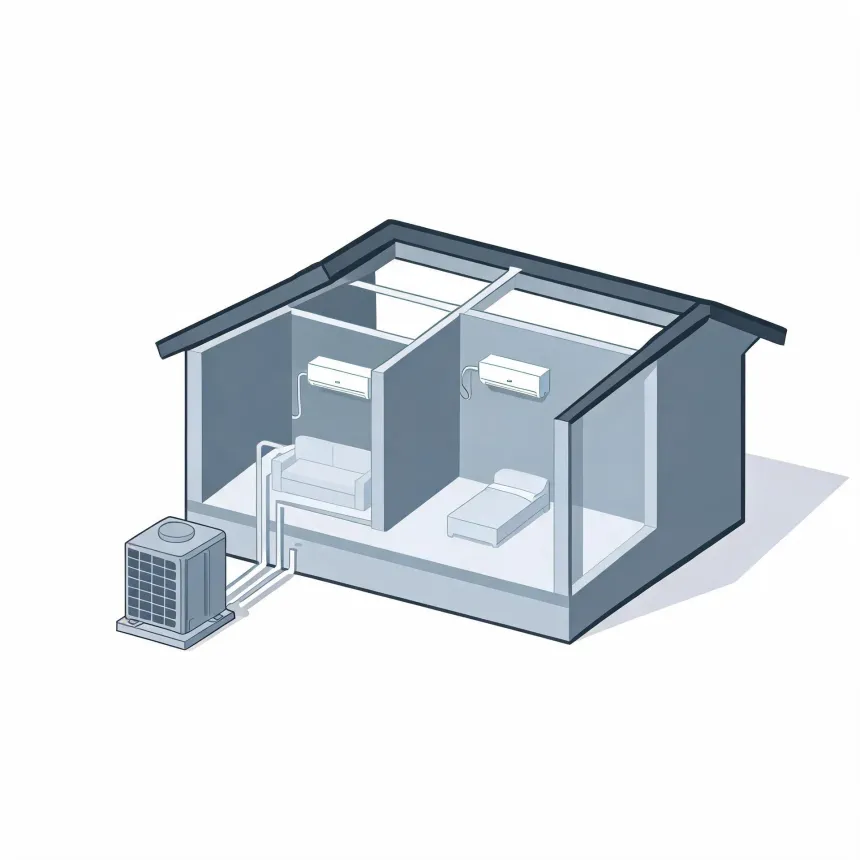
A mini split installation runs refrigerant lines through a small hole in the wall instead of tying into ducts. That matters here because it sidesteps any question of what condition the existing ducts are in, or whether they're there at all.
NOAA nClimDiv, 1991–2020 normals
Cooling runs April through October here, seven months straight.
Put a mini split in during March and it's ready before the first warm week, not during one.



Cooling runs seven months here, April through October, with afternoon highs averaging 89 degrees through June, July and August. That's a long season with real heat behind it, and it's why sizing matters more here than somewhere milder. A mini split sized to the room handles it without issue. One sized wrong, too big or too small for the space, runs inefficiently all season instead of just on the hottest days. Get the size right and the long season isn't a problem. Get it wrong and there's no mild stretch here to hide the mistake.
Belle Chasse sits in climate zone 2A, and any split-system heat pump installed here, ductless included, has to clear 14.3 SEER2 for cooling and 7.5 HSPF2 for heating. That's the floor the federal standard sets, not a suggestion. A mini split that clears it may also qualify for a federal tax credit, worth checking against the unit a contractor proposes.
Find a contractor
Ten tropical storms or hurricanes hit this parish between 2015 and 2024. Any outdoor unit installed here is going to sit through that kind of weather over its life. Ask about the mounting and the condenser pad before the install, not after a storm. A contractor working in Belle Chasse should already have an answer for how the outdoor unit gets secured.
A contractor works out capacity from the room's dimensions, its windows, how much insulation is in the walls, and which way it faces. A sunny room with lots of glass needs more capacity than a shaded room the same size. That calculation is what tells the installer which unit to put in, not a guess based on floor space alone.
A mini split that's too big hits the set temperature quickly and shuts off before it has run long enough to pull moisture out of the air. The room reads cool but feels sticky. Undersized has the opposite problem. It runs nonstop trying to reach a temperature it can't hold, and the compressor never gets a break. The right size runs in long, steady stretches, which is what actually controls humidity.
The SEER2 number on the label is a cooling efficiency rating, and the HSPF2 number next to it covers heating. Neither one tells you how big a unit you're buying. A mini split can carry a high rating and still be the wrong size for the room it's going into. What the rating actually tells you is how much cooling or heating the unit gets out of the electricity it uses, nothing about capacity. A higher number means less electricity spent for the same comfort, but only if the unit is sized correctly for the room in the first place. Pair a high rating with the wrong size and the label stops meaning much, since an oversized or undersized unit never runs the way it was rated to.
Install day starts outside, setting the condenser on its pad and running the line set to where the indoor unit will hang. The wall needs a hole bored through for the refrigerant lines, the power cable, and the condensate drain, all bundled together and sealed where they pass through. Inside, the installer mounts a plate, hangs the unit on it, and connects everything before pressure testing the line set for leaks. That test matters more than anything else that day. A line set that holds pressure will hold refrigerant for years. One that doesn't means finding the leak now, not after the unit is running and the charge has already escaped. Once it passes, the system gets evacuated to pull out moisture and air, then charged with refrigerant to the amount the line length calls for. Only then does the unit get powered on and run through its paces, heating and cooling both, before anyone calls it done.