
Mini Split Installation in Louisiana
Homes in Louisiana run cooling for more months of the year than in 45 of the other 49 states.
Tell us about the job
Takes about a minute. No obligation.
- 91°Fsummer afternoon high where people live
- 7 monthsof cooling, April through October
- 43°Fwinter overnight low where people live
- 5 monthsof heat, November through March
No reason to size up here. Electricity runs cheaper than most states.
- Southern counties need about 14% more cooling than northern ones
- Summer afternoons average 91°F where people live
- Winter nights average 43°F where people live
- Cooling runs April through October
- 2,909 damaging wind events from 2015 to 2024
- 49% of homes lost power a day or more in 2024
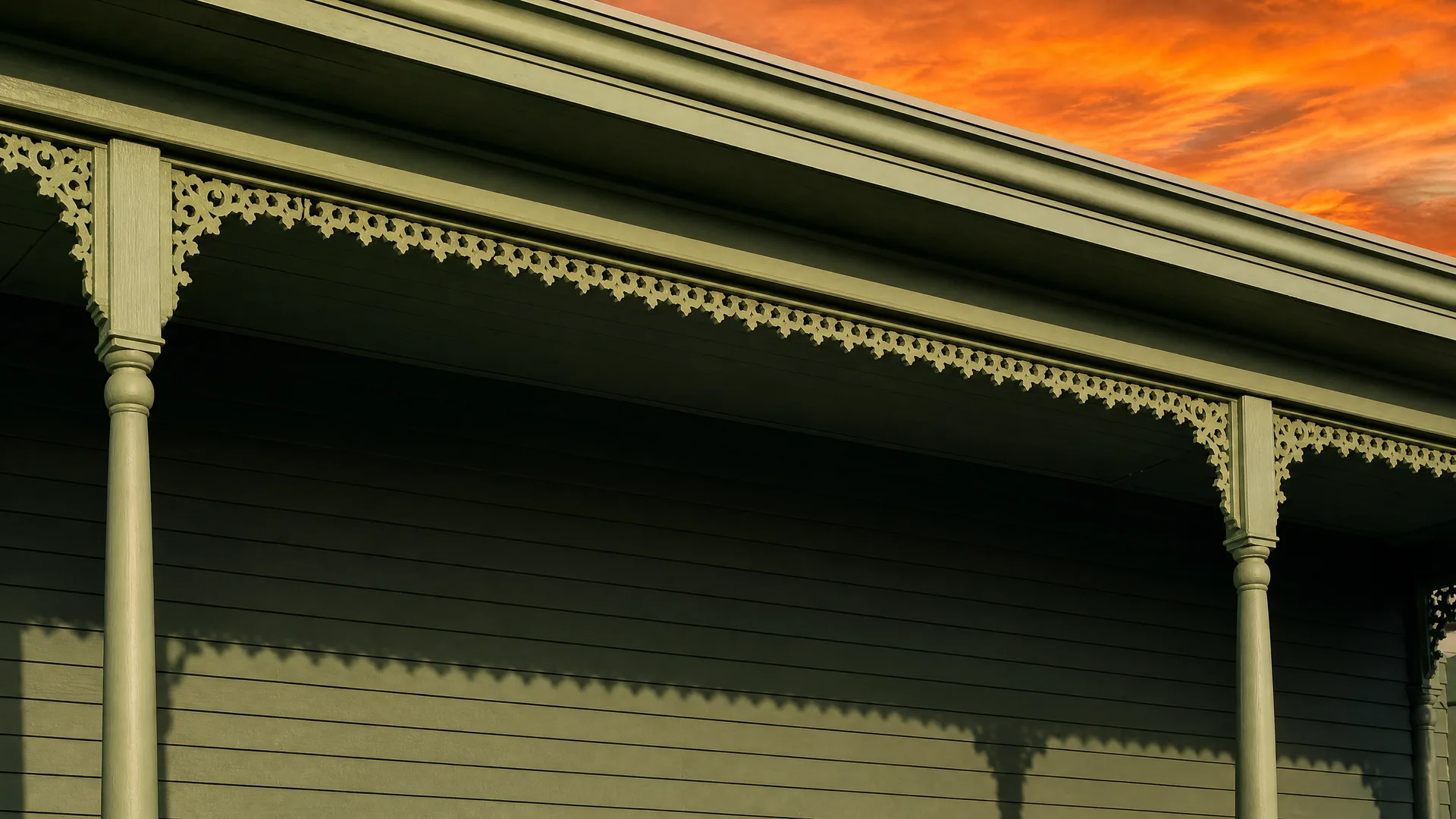
Half of Louisiana's homes date to 1983 or earlier.
Electricity heats 64.7% of occupied homes in Louisiana, more than any other fuel.
A mini split runs on electricity already, so it fits the setup most homes here have instead of working against it.
Get it in before April
Louisiana cooling starts early and runs long. Spring is the time to put a mini split in on your terms.
Cooling in Louisiana starts in April and runs seven months, through October, longer than 45 other states see. That leaves March as the last quiet month before the load hits. Put a mini split in then and it gets set up right, tested, and ready before anyone needs it. Wait, and you're calling for an install in the middle of the season, on whatever schedule a busy contractor has left.
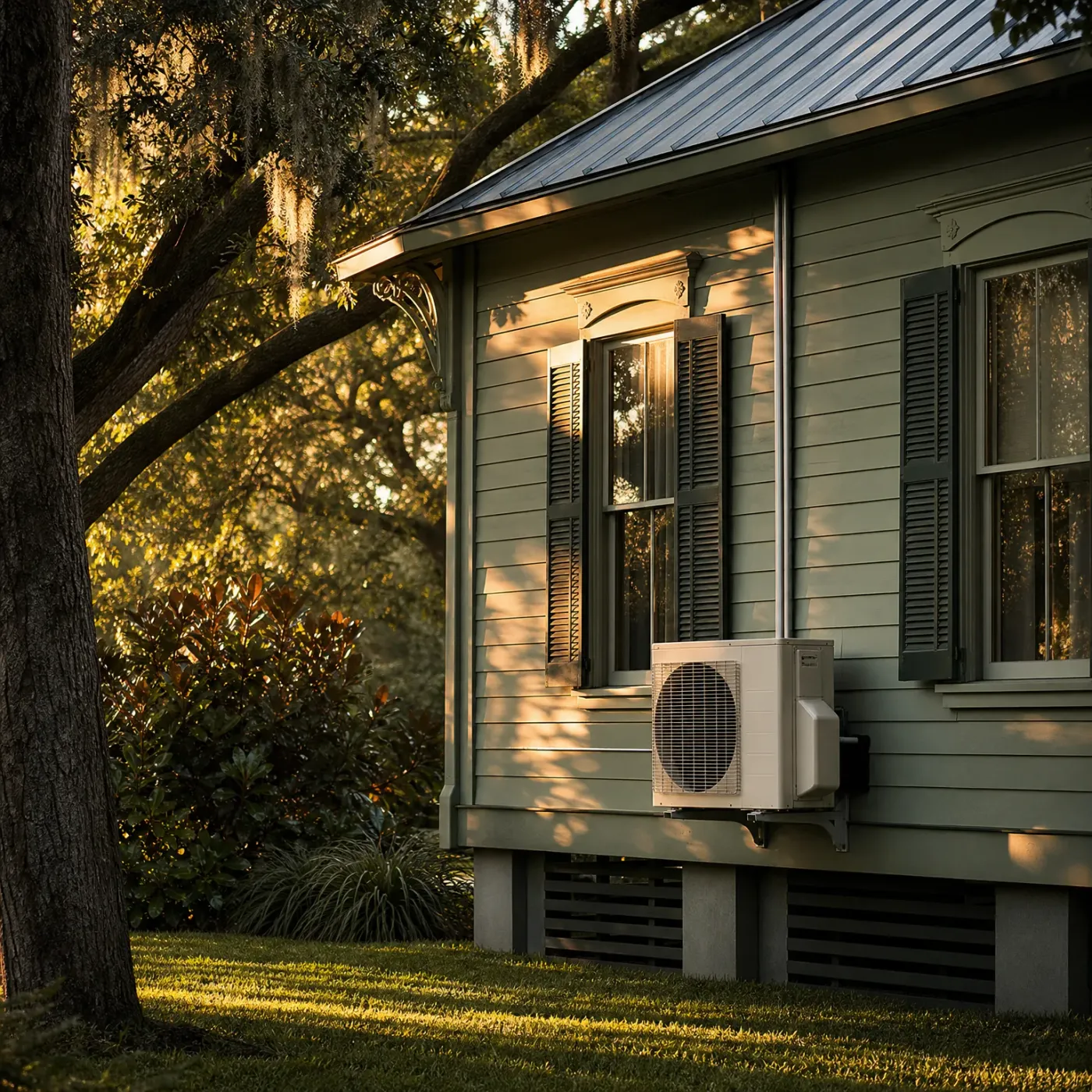
A mini split installed here has to handle afternoons that average 91°F across June, July and August, and a stretch of cooling that runs longer than in 45 of the other states. That load isn't the same everywhere in Louisiana.
Homes across the southern counties need about 14% more cooling over a year than homes across the northern counties. Terrebonne Parish sits at the top, needing about 40% more cooling over a year than Claiborne Parish, where the state's cooling need is lowest. A mini split sized for a home in Claiborne won't carry one in Terrebonne.
How long the system runs matters as much as how hard. In East Baton Rouge Parish, cooling runs about 7 months a year, April through October, the longest stretch in the state. In Bossier Parish it's about 5. Both homes need a mini split, but one asks more of it across the year than the other.
Where a home sits in Louisiana changes what the install has to account for. A contractor sizing a system for a home in Terrebonne or East Baton Rouge is working with a different load than one sizing for a home in Bossier or Claiborne, even though both are still in Louisiana.
What does a mini split in Louisiana face?
How hot do summer afternoons get?
91°Faverage afternoon high where people live
Alaska66°F
Arizona101°F
How cold do winter nights get?
43°Faverage overnight low where people live
North Dakota4°F
Hawaii65°F
How many months does the cooling run?
7 monthsof cooling a year
Alaska0 months
Hawaii12 months
What does electricity cost?
11.73¢per kWh (kilowatt hours, the unit on an electric bill), what homes paid in 2024
North Dakota11.51¢
Hawaii42.86¢
How often do storms hit?
109severe weather events per county from 2015 to 2024
Alaska5
Wyoming1,057
How many homes lost power for a day or more?
49%of homes in 2024
Arizona7%
Maine54%
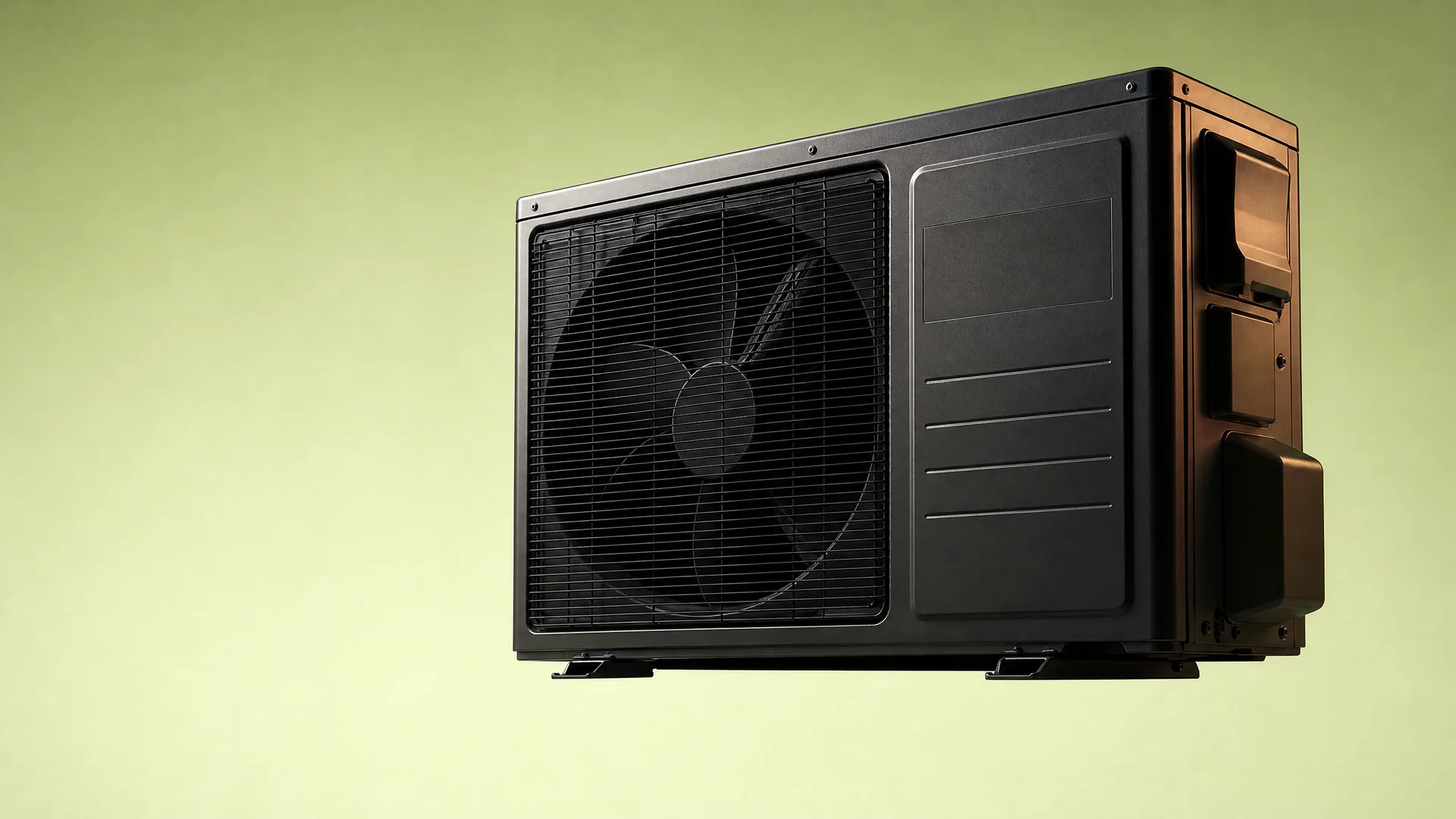
The compressor doesn't get a break here
The outdoor unit is the compressor, and here it runs April through October, longer than in 45 of the other states. Afternoons in summer average 91°F, so it's cycling hard most days it runs. Size that unit wrong and the problem shows up fast. Too small, and it runs constantly through July and August without ever catching up. Too large, and it shuts off before it pulls the moisture out of the air, so the house feels damp even when it's cool. A contractor sizing the compressor for this state is sizing it for a longer season than most of the country gets, not just a hotter one.
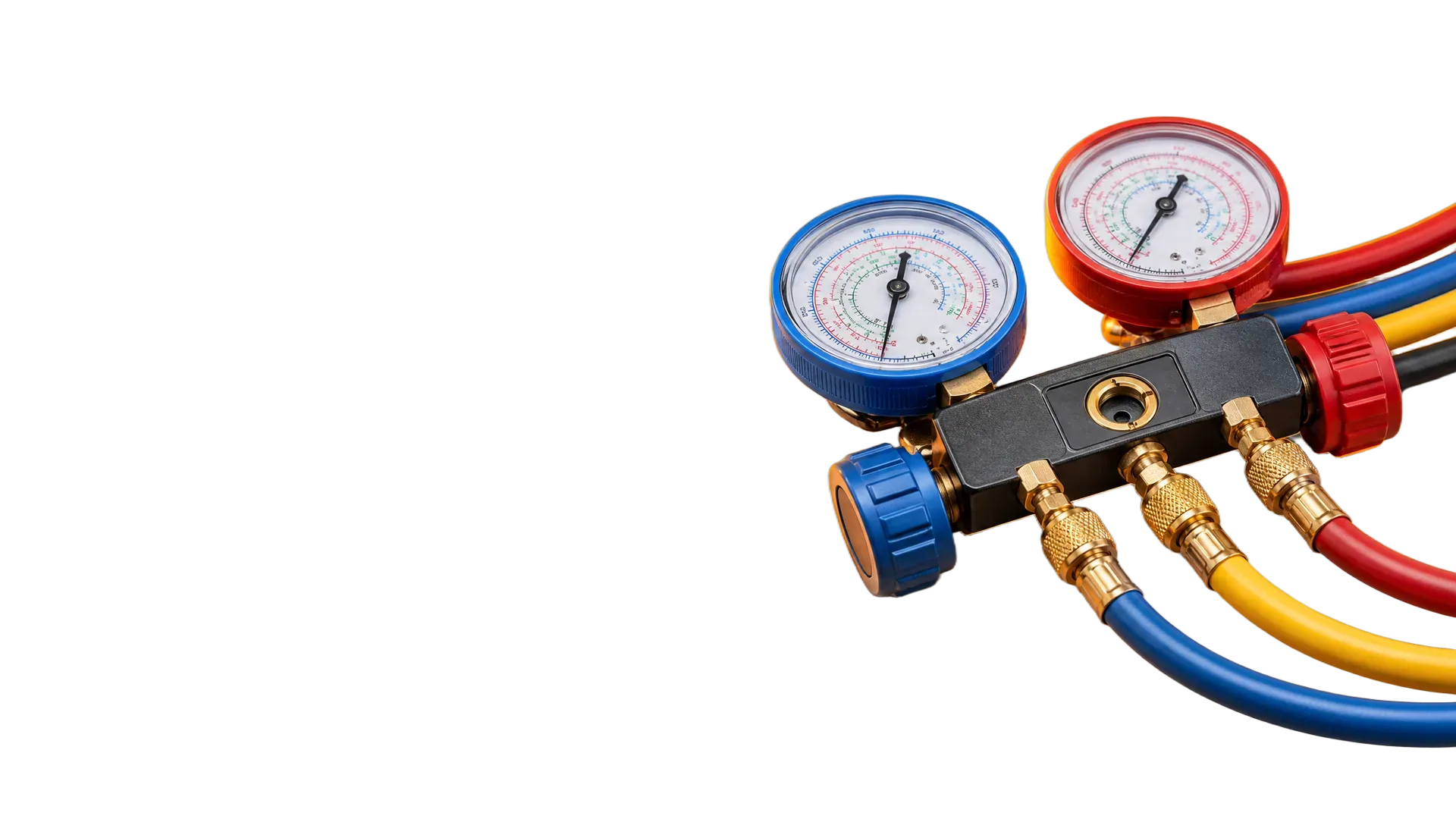
Taking out what's already there
Taking out the old system is part of the job, not an extra step tacked on. If what's there now is ducted, the contractor disconnects the indoor and outdoor units, recovers the refrigerant from the lines rather than venting it, and caps or removes the ductwork if it's not being reused. If it's an older mini-split being replaced, the same recovery applies before the new line set goes in. Refrigerant doesn't get released into the air. It gets pulled out with a recovery machine and handled separately from the rest of the teardown. Old line sets usually come out rather than get reused, since a new system needs its own sized and sealed lines to hold charge properly. The indoor head, the outdoor unit, the mounting bracket, the old disconnect box, all of it comes off the wall and out of the attic or closet it was sitting in. What happens to the unit itself after that, whether it's hauled off for scrap or disposed of through a refrigerant reclaim program, is something to ask the contractor directly, since not everyone handles it the same way.

Louisiana sees its share of severe weather, but the counties where people actually live come in lower than 45 other states for it, including less damaging wind than 43 states and less hail than 29. Caddo Parish carries the heaviest storm record in the state, but that's one parish, not a reason to size a mini split differently anywhere else. A standard installation holds up fine against what this state sees.
Where this state stands out is the power grid, not the weather. Nearly half of Louisiana households went at least a day without power in 2024, a worse showing than 47 other states. That's a reason to ask a contractor about backup options for a mini split, not a reason to buy a bigger or pricier unit. Sizing is about the cooling load on a home, and nothing here pushes that load past what a standard system is built to handle.
Most homes in Louisiana already run on electricity, so a mini split slots into wiring that's already there.
Tell us about the job
Takes about a minute. No obligation.
Fill out the form and a licensed Louisiana contractor sizes the install for your parish and gets back to you.