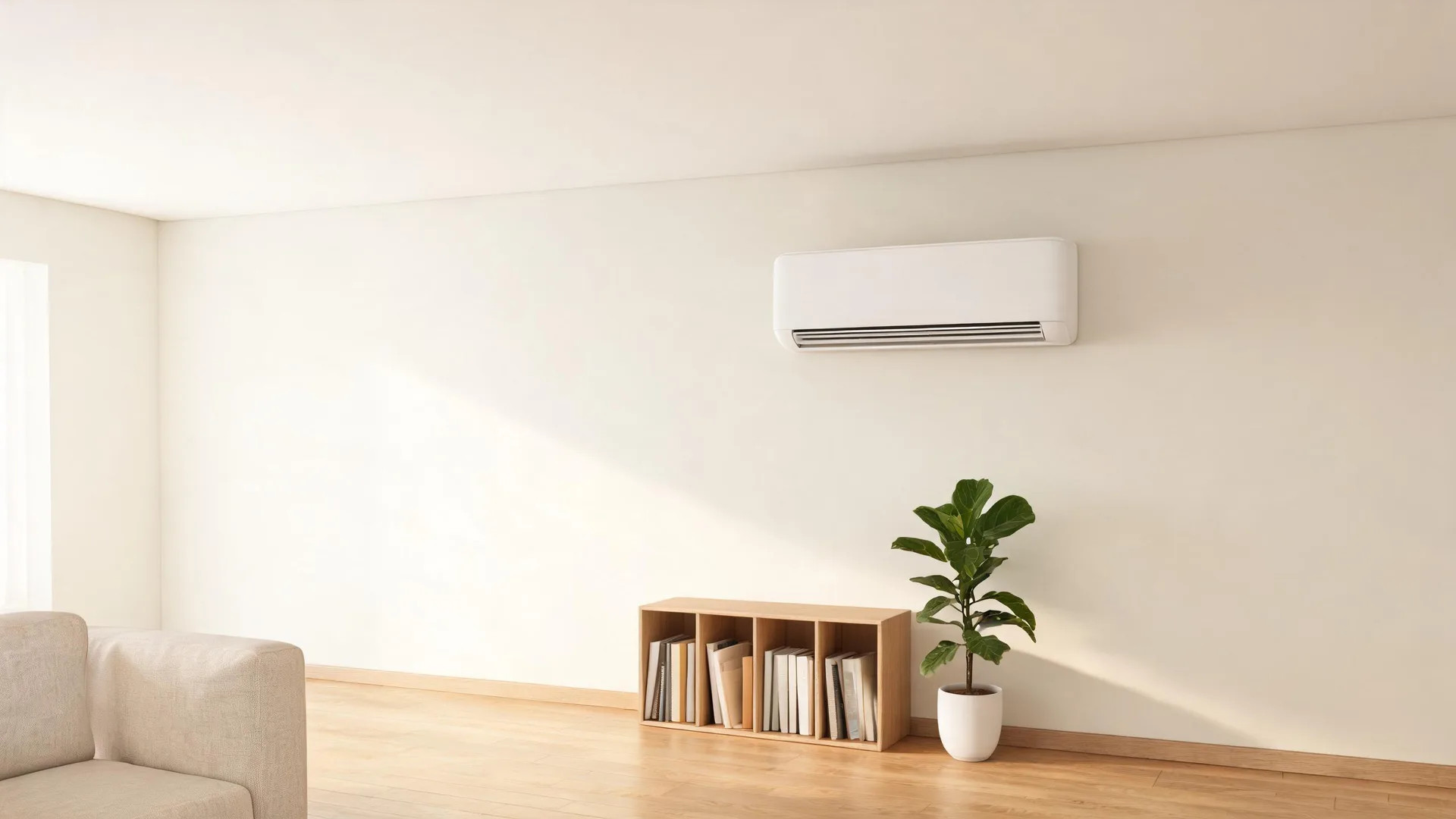
Most homes here run on electricity
Electricity heats 69.6% of occupied homes in Assumption Parish, with gas making up most of the rest at 29.5%. A mini split fits right into that pattern since it runs on electricity alone.
Takes about a minute. No obligation.
Electricity heats 69.6% of occupied homes in Assumption Parish, with gas making up most of the rest at 29.5%. A mini split fits right into that pattern since it runs on electricity alone.
No gas line to work around and no venting to plan for. The job comes down to where the outdoor unit sits, where the indoor heads go, and what the electrical panel can support.
NOAA nClimDiv, 1991–2020 normals
A standard mini split fits most homes in Napoleonville without any upsizing.
There's nothing about the electric rate here or the local climate that calls for a bigger or pricier unit than you'd put in anywhere else.



Cooling runs here from April through October, so March is the month to get a mini split in. Installed then, it's tested and running before the first hot stretch hits. Wait until the season's underway and the job happens on the installer's schedule, not yours, and you're living without cooling in the meantime. There's nothing about the unit itself that changes with the timing. It's just easier to get the work done, and done right, before the system has to carry seven months of cooling in a row.
Assumption Parish falls in climate zone 2A, and any mini split manufactured from 2023 on has to meet 14.3 SEER2 for cooling and 7.5 HSPF2 for heating to be installed here. A federal tax credit is available toward the cost of a qualifying system.
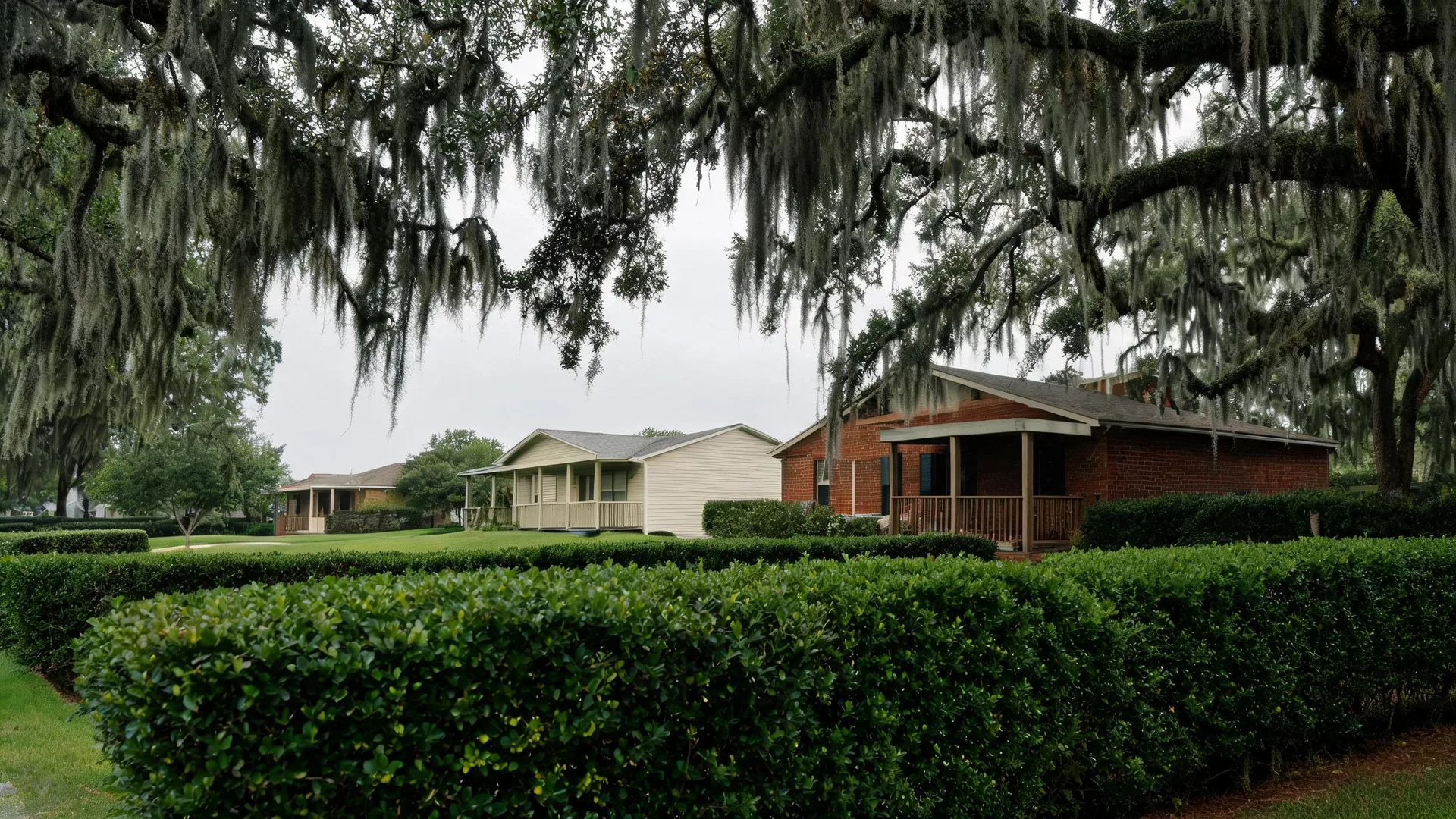
Find a contractorHalf the homes in Assumption Parish were built in 1983 or earlier, half in 1983 or later. A mini split doesn't care which half yours is in. The compressor outside and the heads inside wear on runtime, not on the age of the house around them. What matters more here is that close to a third of the housing stock is mobile homes, and mounting an indoor head or running a line set through that kind of wall is a different job than doing it through standard framing. Worth telling the installer which one you have before they quote the work.
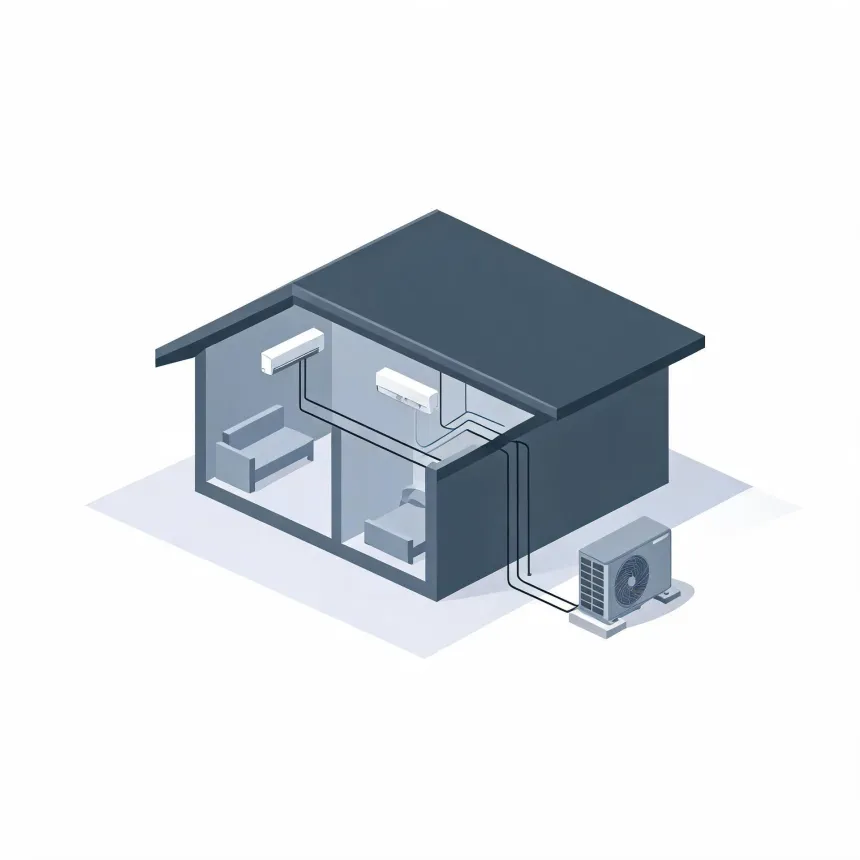
Each indoor head cools and heats one zone. A single head covers one room or an open area well. Add bedrooms or separate living spaces and you add heads, and each one needs its own line set run and its own spot on the outdoor unit's capacity. The outdoor unit has to be sized to the total of every head connected to it, not just the biggest room.
The refrigerant lines running between the outdoor unit and each indoor head take labor to install, and longer runs or runs that go through framing, up exterior walls, or between floors take more of it than a short straight shot. Where the outdoor unit can sit relative to the heads it serves affects how much of that work there is before anyone touches the unit itself.
The SEER2 and HSPF2 numbers on the label tell you how much heat a unit moves for the electricity it uses, one for cooling and one for heating. A higher number means it moves more heat per unit of power, so it costs less to run over a season. That's different from capacity, which is about how much space the unit can condition, not how efficiently it does it. Mini splits can cool a room equally well and still use different amounts of electricity doing it. The rating doesn't move with your climate or your house either. It's a fixed measure of the equipment itself, tested the same way no matter where it ends up installed.
Install day starts outside, with the installer mounting a bracket and setting the outdoor unit on a pad or stand, then drilling through the wall where the line set will pass. Inside, each indoor head gets mounted to a wall bracket near the ceiling, and the refrigerant lines, drain line, and electrical wiring run from there to the hole in the wall. Once the line set connects outdoor to indoor, the installer pulls a vacuum on the lines to clear out air and moisture before the refrigerant is allowed to flow. Skipping that step is what causes a system to fail early, so it's not something a good installer rushes. After that comes a test run in both cooling and heating, checking the line set connections for leaks and confirming each head is reading temperature correctly. Most of the day is that sequence repeated for every head, so a single zone goes faster than a house with several rooms on one outdoor unit.