
Heat Pump Repair in Louisiana
Electricity costs homes less in Louisiana than in 46 of the other 49 states.
Tell us about the job
Takes about a minute. No obligation.
- 43°Fwinter overnight low where people live
- 5 monthsof heat, November through March
- 91°Fsummer afternoon high where people live
- 7 monthsof cooling, April through October
What does a heat pump in Louisiana face?
How hot do summer afternoons get?
91°Faverage afternoon high where people live
Alaska66°F
Arizona101°F
How cold do winter nights get?
43°Faverage overnight low where people live
North Dakota4°F
Hawaii65°F
How many months does the heat run?
5 monthsof heating a year
Hawaii0 months
Alaska12 months
What does electricity cost?
11.73¢per kWh (kilowatt hours, the unit on an electric bill), what homes paid in 2024
North Dakota11.51¢
Hawaii42.86¢
How often do storms hit?
109severe weather events per county from 2015 to 2024
Alaska5
Wyoming1,057
How many homes lost power for a day or more?
49%of homes in 2024
Arizona7%
Maine54%
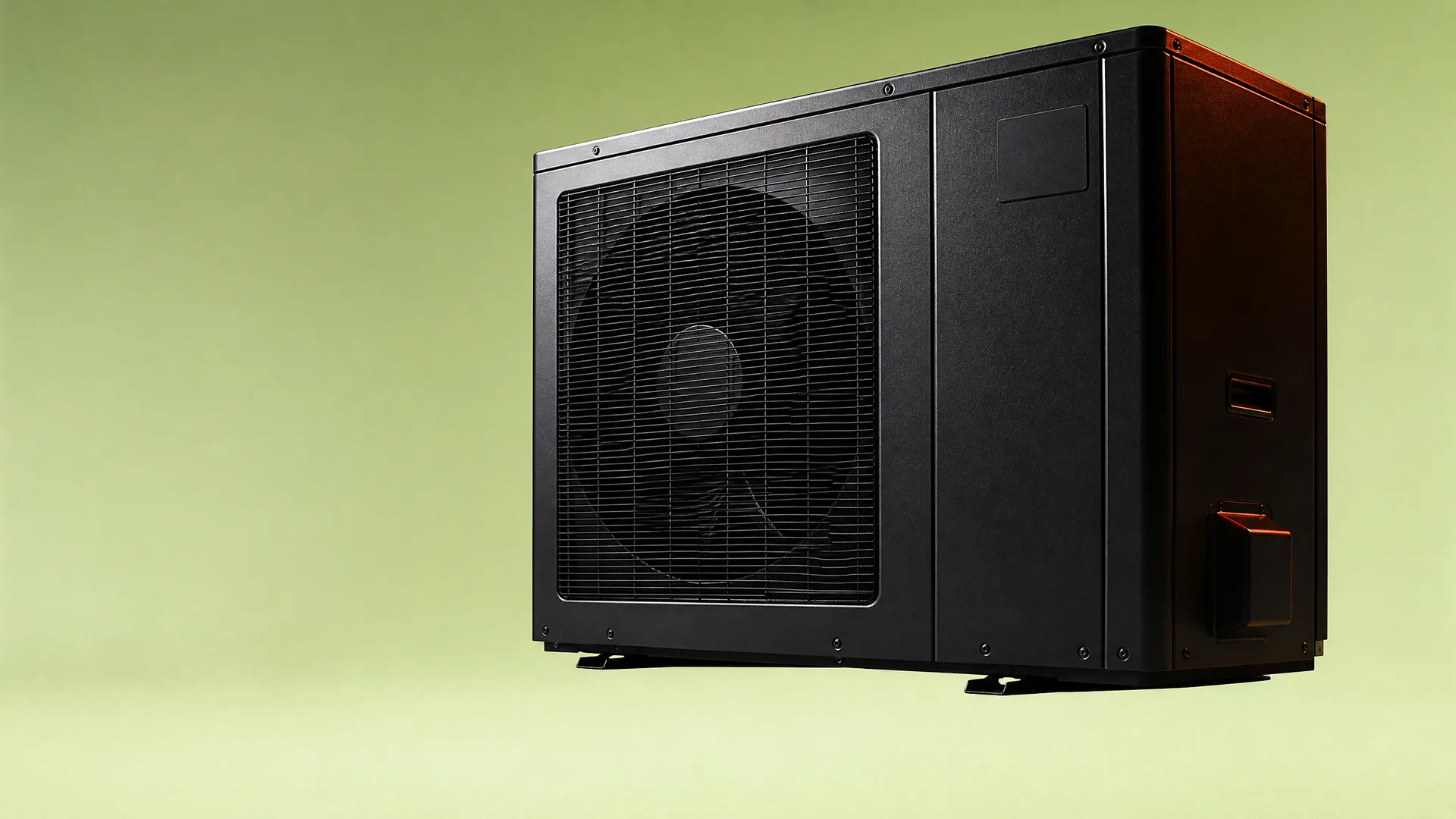
A heat pump that barely gets a break
A heat pump here runs cooling about seven months a year, April through October, then switches over and covers heat the other five. There is almost no season where it sits idle. The compressor, the reversing valve and the outdoor coil stay in near constant use. When something is off, a weak capacitor or a stuck reversing valve, it usually shows up as long cycles that never quite catch up, or air that is not as warm or as cool as it should be. Worth having someone check it properly rather than guessing, since a repair that is actually the fix tends to hold.
Louisiana homes run cooling from April through October and heat from November through March, which covers nearly the whole year.
With so little downtime, a heat pump here gets less chance to rest between seasons, so a repair now is worth getting right the first time.
Why running it broken makes the damage worse
A heat pump does not fail all at once. One weak part forces the others to work harder until they fail too.
A refrigerant leak left alone forces the compressor to work harder to move less heat, and the compressor is not a part you want strained. A failing capacitor makes the fan motor or compressor pull more current trying to start, and that extra current wears down the windings. Ice on the outdoor coil blocks airflow, so the system runs longer to do the same job, and that extra runtime is what turns a bad sensor or a stuck reversing valve into a burnt-out motor. None of this happens on its own. It happens because the unit keeps running while the one part that is off forces every other part to cover for it. Shutting it down and having someone look at it before the next cycle starts is what keeps a small repair small.
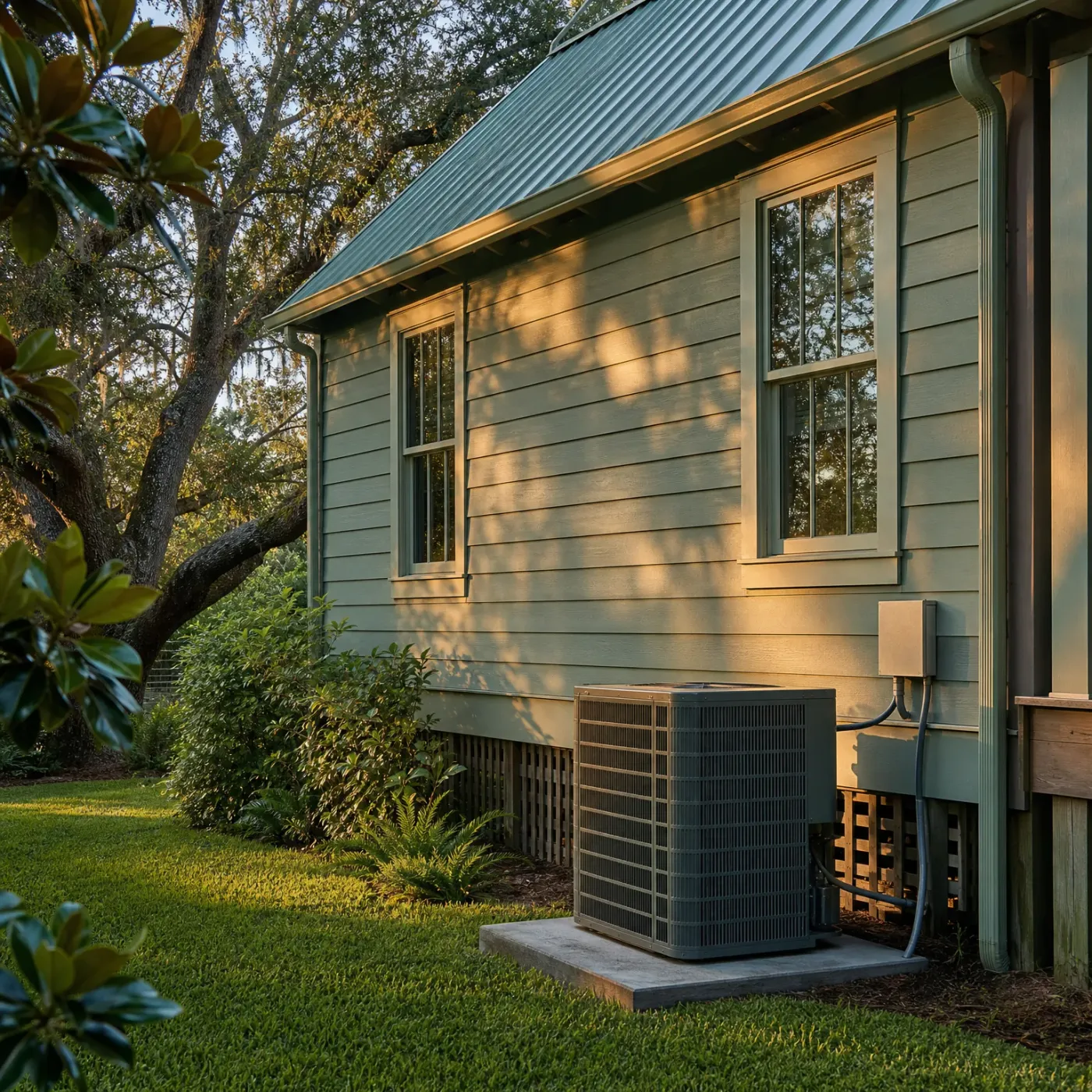
Louisiana splits between north and south more than it looks on a map. Homes across the northern counties need about 36% more heat over a year than homes across the southern counties. Winter nights average 40°F up north against 45°F down south, and Claiborne Parish sits coldest of all, with winter lows averaging 36°F across December, January and February. A heat pump working through those colder nights leans on its reversing valve and backup heat more often than one further south.
Cooling runs the other way. Homes across the southern counties need more cooling over a year than homes across the northern counties, and Terrebonne Parish needs about 40% more cooling than Claiborne Parish, where the state's cooling need is lowest. A heat pump near Terrebonne spends more of the year leaning on its compressor and outdoor coil, and that is where those parts tend to show wear first.
Claiborne Parish ends up carrying both extremes at once, the coldest winter nights in the state and the lowest cooling need. Plaquemines sits at the other end, with the mildest winters and among the heaviest cooling demand. A heat pump in one of those parishes is not aging the same parts at the same rate as one in the other, even if it is the same model.
Statewide, heat runs November through March and cooling runs April through October, covering nearly the whole year either way. Louisiana needs heat for fewer months than most other states, but runs cooling longer than almost all of them. Wherever you are in the state, a heat pump here spends most of its working life in cooling mode, with heat mode picking up for a shorter stretch each winter.
Louisiana leans on cooling most months heat covers a shorter winter stretch
- Northern counties need about 36% more heat than southern ones
- Winter nights average 43°F where people live
- Summer afternoons average 91°F where people live
- Heat runs November through March
- Cooling runs April through October
- 155 winter storms from 2015 to 2024

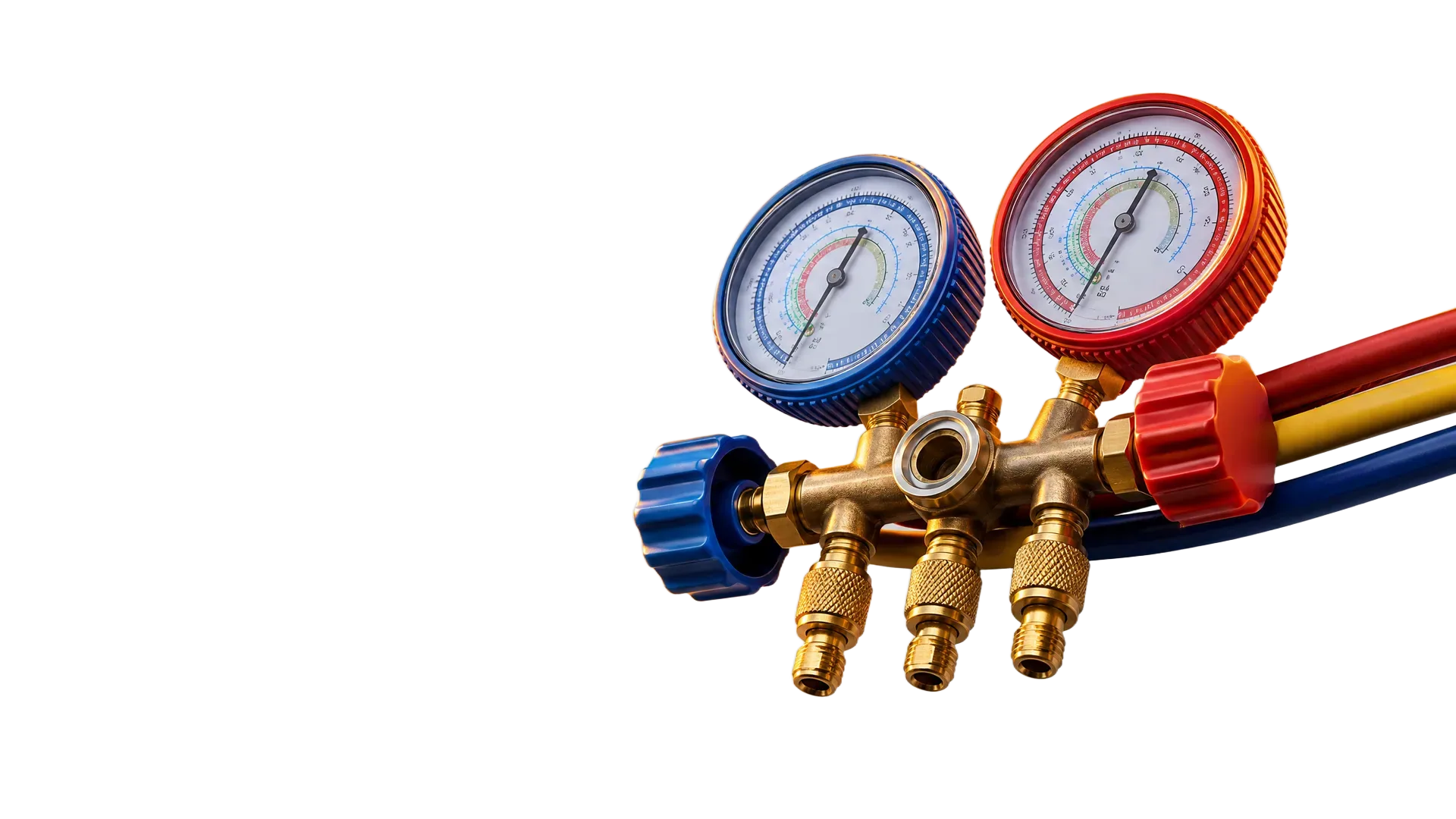
What a tech actually checks
A diagnostic visit starts outside, at the unit itself. The tech checks refrigerant pressure, looks at the reversing valve, and watches how the compressor pulls current when it starts. Low pressure points to a leak in the line set somewhere. Normal pressure with warm air coming through the vents in cooling mode points somewhere else, often a reversing valve that is not shifting the way it should. Inside, the tech checks the air handler and the coil, looking for ice, checking the filter, checking that air is moving the way it ought to. A system can have good refrigerant and a sound compressor and still perform badly if something upstream is blocking airflow. The tech will also run the thermostat through a cycle, switching between heat and cool, to watch whether the reversing valve actually responds or just hums and stays where it is. Electrical checks come next. The capacitor, the contactor, the wiring at the disconnect. A capacitor that reads low will not start the compressor reliably even when everything else checks out fine. By the end of the visit, the tech should be able to point to the one part causing the symptom, not just confirm that something is off.
What a struggling heat pump sounds and feels like
A heat pump rarely quits without warning. The clearest sign is air that is not quite right, not warm enough in heat mode, not cool enough in cooling mode, like the system is trying and falling short. Short cycling is another, where the unit runs a few minutes, shuts off, then starts again soon after. That is not normal wear, that is something telling it to stop before it should. Listen for sounds that were not there before. A clicking at startup that never resolves into the unit actually running, a hum with no compressor kicking in behind it, a hiss near the lines. Ice on the outdoor coil during a cooling run is never normal, a healthy system does not frost over while it is working. An outdoor fan that will not spin while the unit is clearly trying is worth a look right away. If the system switches between heat and cool but keeps putting out the same temperature air no matter which mode it is in, the reversing valve is a likely place to start. None of these mean the whole unit is finished. Each one points at the part that is struggling, before it drags the rest down with it.
A heat pump in Louisiana barely gets a break between cooling and heat, so problems tend to show up early.
Tell us about the job
Takes about a minute. No obligation.
Fill out the form and a licensed Louisiana contractor gets in touch to look at what's going on.