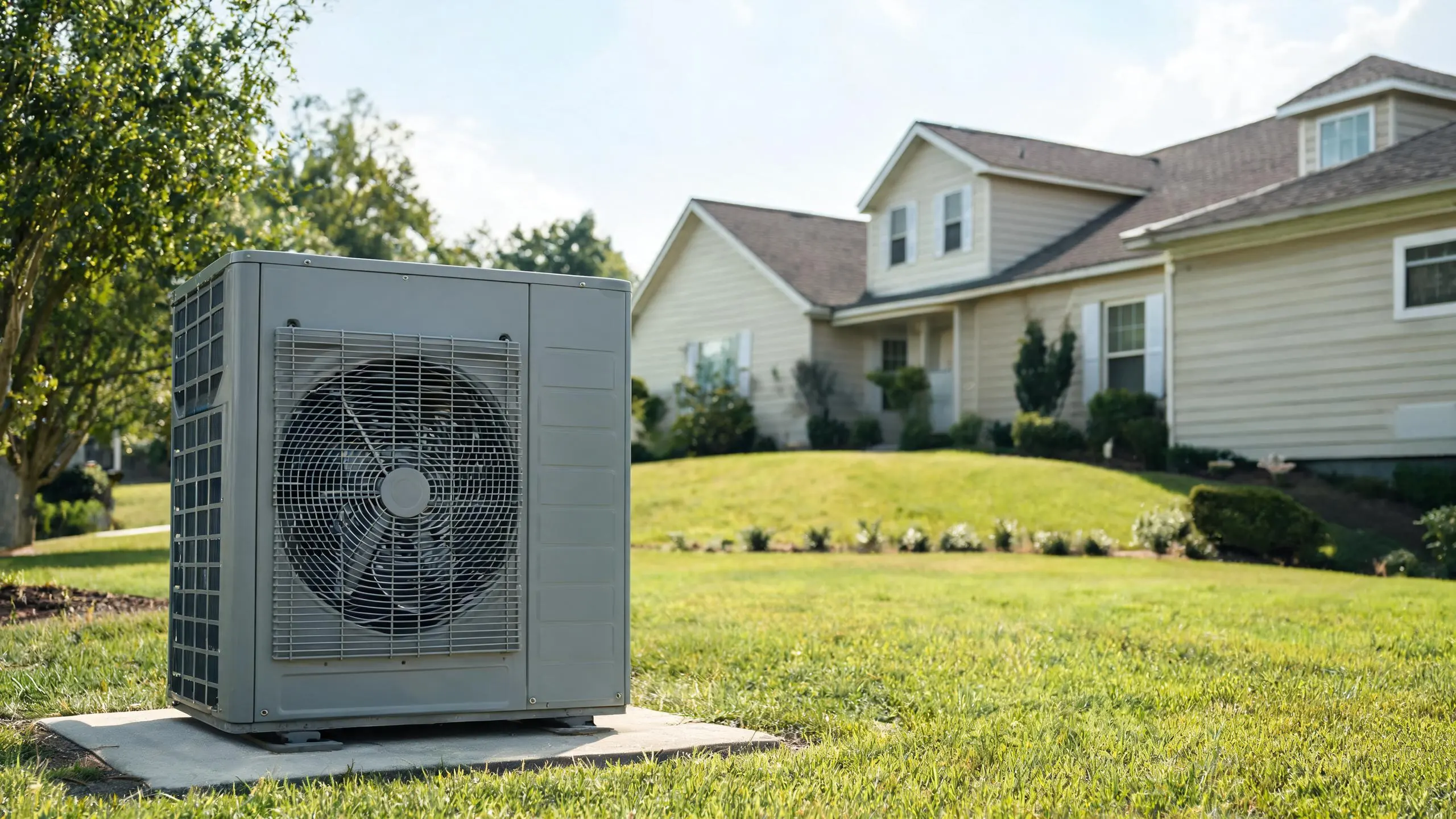



A gray outdoor HVAC condenser unit mounted on a concrete pad in the front yard of a two-story suburban house.

Heat Pump Repair in New Roads, LA

Tell us about the job

Takes about a minute. No obligation.

RepairHeat PumpPointe Coupee Parish, LA
Step 1 of 2

What ZIP code is the job in?

Pointe Coupee Parish recorded 36 severe weather events between 2015 and 2024. Damaging wind hit the parish 22 times in that stretch, and hail came through 4 times. Five tornadoes touched down, and three tropical storms or hurricanes moved through. Any of that can mean debris or hail striking the outdoor unit, and a dented cabinet or bent coil fins don't always stop it from running right away. Almost half of Louisiana households went at least a full day without power in 2024, which is its own strain on a heat pump that depends on electricity for heat as well as cooling. A unit that took a hit is worth having looked at even if it's still blowing air.

5 months
November through March, your system heats
7 months
April through October, it cools
42°F
the average winter night it heats against
92°F
the average summer afternoon it cools against
Isometric cutaway illustration of a small house showing interior ductwork and an air handler connected by lines to an outdoor condenser unit on a pad beside the building.
Your system heats November through March and cools April through October.

NOAA nClimDiv, 1991–2020 normals

Summer air here averages a 73°F dew point, one of the heaviest in the country.

That kind of air keeps a heat pump's compressor working long hours, and that's often what's behind a repair call.

Built for Louisiana WeatherHeat starts up in November here, right after the power grid's worst month for outages.

When a heat pump has been running long hours all summer, guessing at the fix usually doesn't hold. A compressor that's been under strain can throw symptoms that look like a refrigerant leak when the real problem is a failing capacitor, or the other way around. Someone qualified to check both needs to see the readings before touching anything, not just listen to how the unit sounds. That's especially true after the kind of long hours this climate puts on a system, where more than one part may be close to giving out at once. A repair that only addresses the symptom you noticed can leave the actual cause to fail again within weeks.

Storm-Damaged Heat Pumps Need a Look, Even If They're Still Running

If your outdoor unit has taken hail or debris in a storm, get it checked even if it's still running. Bent coil fins or a dented cabinet don't always show up as a problem right away, and with outages common here, a heat pump that's already weakened going into one has less to work with.

Find a contractor
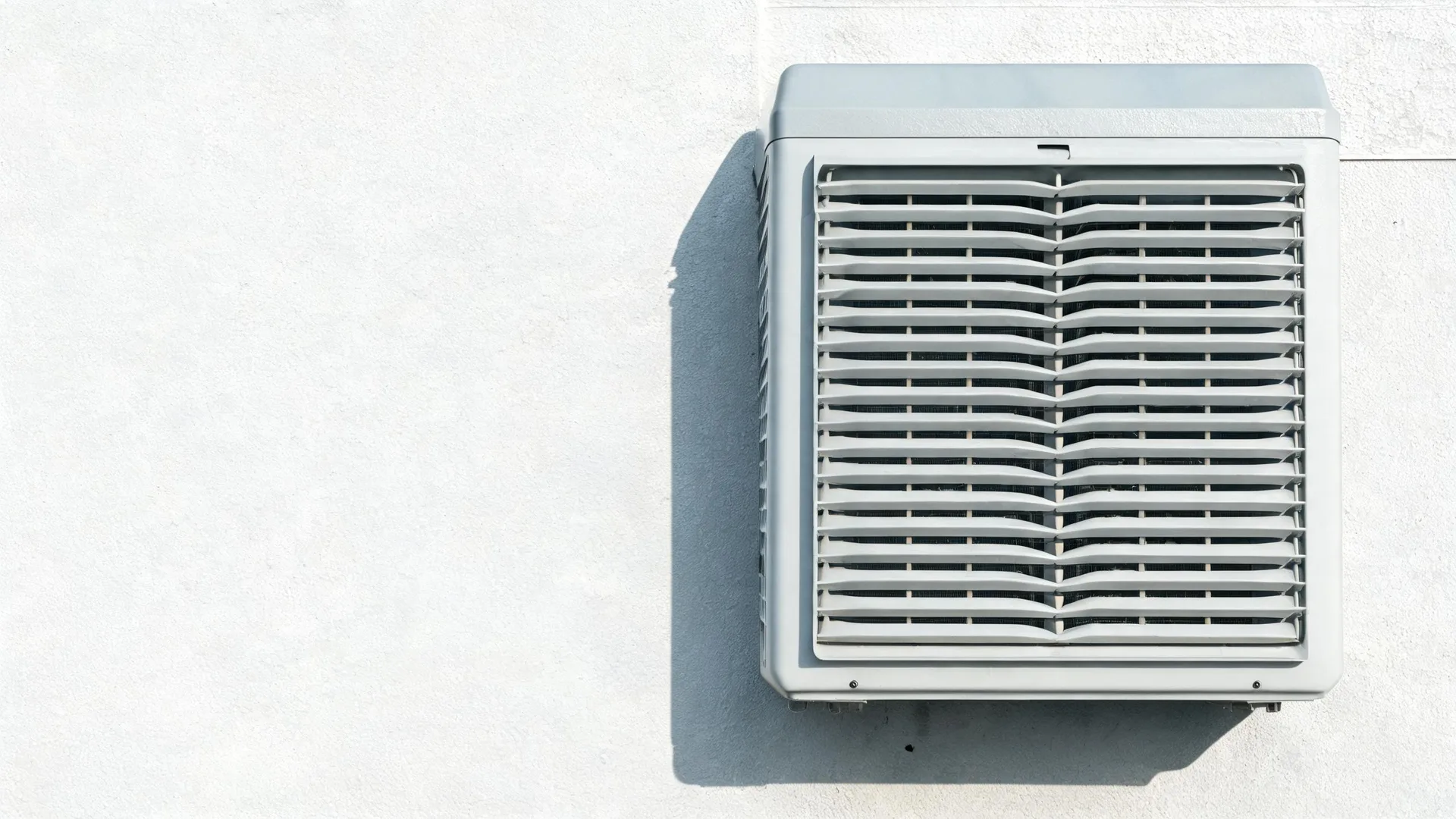
A gray heat pump condenser unit mounted on a concrete pad against the gray lap-siding exterior wall of a house.

Running Nonstop Wears a Heat Pump Down Differently Than It Wears Out a Furnace

A heat pump works all year, not just in the hot months. It heats in winter and cools in summer, so the compressor rarely gets a long stretch off. That constant duty is normal, but it means wear shows up differently than it would on a system that only runs half the year. Short cycling is usually the first thing an owner notices: the unit kicks on, runs a few minutes, and shuts off before the house actually feels it. Ice building up on the outdoor coil when it shouldn't be there is another one, especially if it's still there after the defrost cycle should have cleared it. Air coming out of the vents that's barely warm, or barely cool, often means the reversing valve isn't switching the way it should. A unit that runs constantly and never seems to catch up is working harder than it's built to work on purpose. Any of these are worth a call before the part they're warning about fails outright.

Most Failures Start With the Capacitor or Contactor

The capacitor gives the compressor and fan motors the jolt they need to start turning, and it's one of the first parts to wear out. A weak one makes the outdoor unit hum without starting, or shut off a few seconds after it kicks on. The contactor is the switch that sends power to the outdoor unit in the first place, and its contacts pit and burn over years of cycling on and off. When it fails, the indoor blower runs but the outdoor unit never does.
A Failing Part Rarely Fails Alone

A compressor that's been struggling against a bad capacitor or a low refrigerant charge for a while runs hotter than it should, and that heat shortens the life of the windings inside it. By the time someone notices weak heating or cooling, more than one part may already be close to the end. That's why a repair aimed at just the symptom, without checking the rest of the system, often gets called back out within weeks.

A heat pump nearing the end of its life doesn't always announce it with one big failure. It's more often a pattern: the same part failing twice in a few years, or a repair bill that keeps climbing because one fix exposes the next weak part. Age matters here more than it does with a furnace, since the compressor has been running nearly every month instead of resting half the year. If the compressor itself is failing, that's usually the point where repair stops making sense, since it's the most expensive part in the system and the one every other part depends on. A technician checking refrigerant pressures and electrical draw can tell you whether what's failing is a contained part or the compressor itself, and that answer should drive the decision more than how old the unit looks from the outside.