
Heat pump running all the time in Denham Springs, LA
Get matched with a pro who works on heat pumps in Livingston Parish.
Find my proA heat pump that never shuts off is usually losing the fight to keep up, not working the way it should. In Denham Springs, where summer heat and humidity sit on the house for months at a time, that means low refrigerant, a dirty outdoor coil, or a compressor that's wearing out and can't move enough heat per cycle anymore. It can also mean the system was sized wrong for your house to begin with. Since most homes here heat with electric heat pumps too, the same thing can happen on a cold snap in January, the unit running nonstop trying to hold 70 degrees. Either way, a heat pump running constantly is pulling power the whole time it runs, and it's not actually getting ahead of the temperature in your house. That gap between how hard it works and how comfortable your home actually gets is the real problem, and it points to something specific that needs a look.
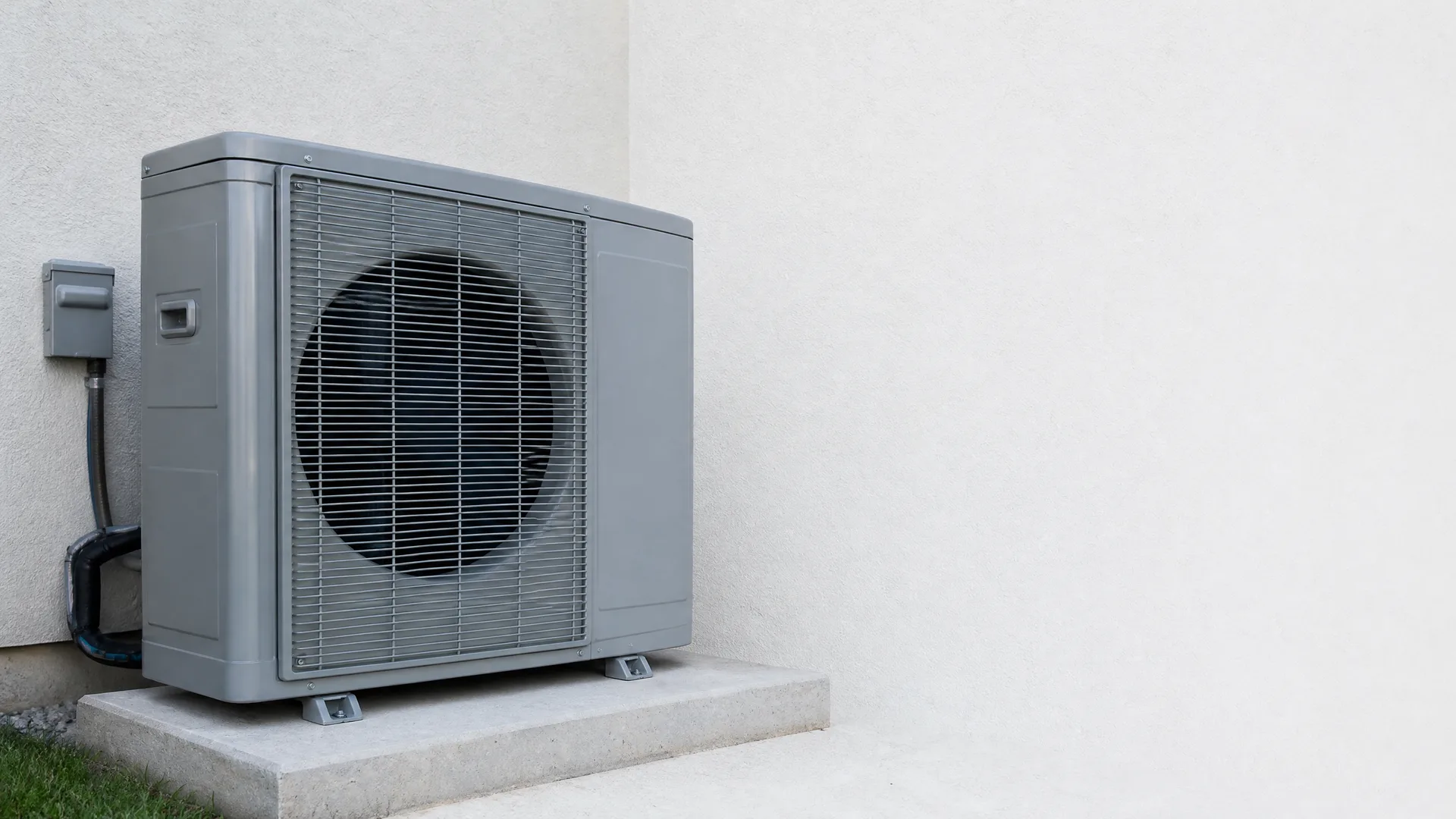
Why the outdoor coil matters
That coil sits outside, and it's where the heat pump dumps the heat it pulls out of your house. Grass clippings, cottonwood, and plain dust settle on the fins over a season and block airflow through them. Once that happens, the system can't shed heat fast enough, so it keeps running to try to catch up. A contractor can check whether the coil needs a real cleaning, not just a rinse with the hose.
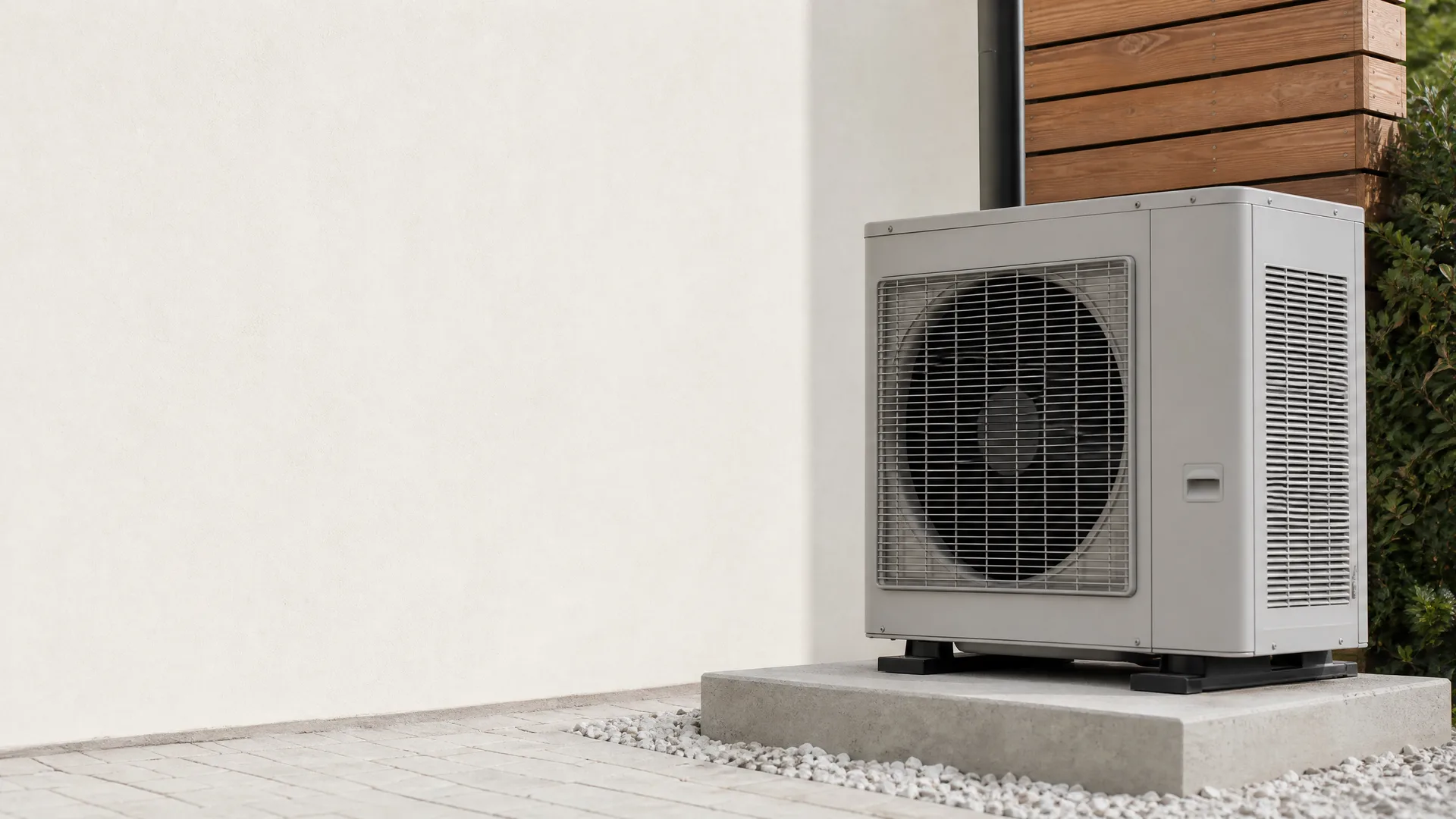
What a low charge does
A heat pump is charged with a specific amount of refrigerant, and it only moves heat the way it's supposed to at that amount. A slow leak drops the charge a little at a time, so the system doesn't fail outright, it just works harder and longer to reach the same setpoint. Months can pass between the leak starting and the day you notice the unit never cycles off. Checking the charge means checking pressures, not guessing.
Is your system running but the house still won't cool down?
You've probably noticed the outdoor unit humming along no matter what time you check on it, morning, afternoon, late at night. Inside, the air coming out of the vents feels weak or barely cool. The thermostat might say 74 when you set it for 70, and it never seems to close that gap. Your power bill has likely climbed along with the runtime, since a unit that never cycles off is pulling power the whole time it runs. Left alone, this usually ends one of two ways: the compressor keeps straining until it fails, or the house stays warmer than it should through the worst of the Denham Springs summer, which is hard on anyone at home all day.




Why does your heat pump have so much work to do here?
Winter nights average 42°F
Winter nights averaging 42°F still mean your heat pump is pulling heat from cold outside air, which takes longer than most people expect.
Heat runs November through March
Five months of heating means the system restarts and idles often, and any weak part gets found during that stretch.
Cooling runs April through October
Seven months of cooling means the compressor spends more of the year working than resting, so wear shows up as runtime that won't quit.
NOAA nClimDiv 1991-2020
Let a contractor check the system now, while it's still running, and the fix might be a coil cleaning or a refrigerant charge, something that takes one visit.
Wait it out, and a compressor working nonstop in Denham Springs heat tends to fail outright, which usually means a bigger repair or a full replacement instead of one visit.
Power here costs 12.41 cents per kilowatt-hour
At 12.41 cents per kilowatt-hour, a heat pump stuck running nonstop doesn't ruin you in one bill, but it adds up fast over a muggy Denham Springs summer. Fixing what's making it run constantly keeps that cost where it should be.
EIA-861 2025

It's past eleven and the sheets are damp against your legs. You've kicked off the blanket already, and the ceiling fan is doing what it can, but the air it's pushing around is still thick. The window glass has a thin fog along the edges where the cool pane meets the wet August air outside. Somewhere past the wall, the outdoor unit is still running, the same low hum it had on at seven. You get up and check the thermostat anyway, like it might say something different this time. Seventy-four, set to seventy-two. You lie back down and wait for the vent to blow something that actually feels cold.
The right pro for this job

Explain the heat pump problem once instead of to every shop in Livingston Parish.
No charge to send it. You decide if you hire them.
What's actually happening inside the unit
- A heat pump moves heat with refrigerant, so a low charge means it has to run longer to move the same amount of heat.
- The reversing valve switches the system between cooling and heating, and a valve stuck partway can leave it running without catching up.
- Defrost cycles in winter briefly switch the outdoor unit to heating mode to melt frost off the coil, then switch back.
- A thermostat sensor reading the wrong temperature can keep calling for cooling or heat long after the house has reached it.
- The outdoor fan motor pulls air across the coil to release or absorb heat, and a slow motor cuts that exchange down.
- Short cycling and constant running are opposite problems, both pointing to the system working harder than its design allows.
A heat pump doesn't make heat, it moves it, using refrigerant to carry warmth from one side of the system to the other. That takes a sealed, pressurized amount of refrigerant. If some has leaked out, the system can still run, it just can't move as much heat per cycle, so it stretches the runtime to make up the difference. The reversing valve is what lets the same unit cool your house in July and heat it in January, by switching the direction refrigerant flows. When that valve sticks halfway, the system can end up fighting itself instead of finishing the job. In winter, you'll sometimes see the outdoor unit seem to pause or steam, that's the defrost cycle, where it briefly reverses to melt ice off the coil before going back to heating. It's normal for a few minutes. It's not normal if the unit seems to be doing it constantly or the house never catches up afterward. The thermostat is supposed to tell the system when to stop. If its sensor is reading a few degrees off from the actual room temperature, it'll keep calling for more heating or cooling long after your house is actually comfortable. And the outdoor fan motor matters more than people think, it's what pulls air across the coil so the system can actually release or absorb heat. A motor that's slowed down from a failing bearing or a worn capacitor cuts into that exchange, and the compressor ends up running longer to compensate.



A dew point is what makes Denham Springs air feel heavy instead of just warm, and here it averages 73°F across June, July and August, according to National Weather Service climate data for Livingston Parish. Air that thick holds a lot of moisture for your heat pump to pull out before the house feels cool, not just cold on a thermometer. That's extra work on top of whatever heat it's moving, every single day of summer. If the system is already struggling with a dirty coil or low refrigerant, this kind of air is what pushes it into running nonstop instead of cycling off like it should.
NASA POWER T2MDEW

A heat pump that won't cycle off is telling you something specific
A heat pump running nonstop in Denham Springs almost always comes down to one thing getting in the way of the system catching up: a dirty coil, a low charge, or a valve that isn't switching clean. None of those get better on their own, and none of them are something you can see by looking at the unit from the yard. What you can see is the result, a house that stays warm and a system that never rests.
Getting a straight answer on which one it is means finding a contractor, explaining what the unit's been doing, and waiting to see if they're even available this week. A match through this page skips that part. You describe the problem once, and a contractor who works on heat pumps in Livingston Parish reaches out to you directly, with your situation already in hand.

Matched to your heat pump job