Why heat pumps struggle in muggy Louisiana summers

Tell a local repair pro what your heat pump is doing.

Match me with a pro

Why does my heat pump run constantly in the summer here?

You notice your heat pump barely shuts off once the heat sets in, and the air coming out doesn't feel as cold as it used to. You're not sure if that's normal for Louisiana or if something's wrong with the unit.

Long run times are normal here, but nonstop running usually isn't

Louisiana air is thick with moisture most of the summer, and a heat pump has to pull that moisture out along with the heat. That takes longer than cooling dry air, so your system will run more hours here than it would somewhere drier. Some long runs are just the humidity. But if it never shuts off, something is making it work harder than it should. A low refrigerant charge, a dirty coil, or a weak capacitor can all force a heat pump to run far past what the heat and moisture alone would require. The unit keeps trying to reach the temperature on the thermostat and never quite gets there, so it just keeps going.

A dimly lit bedroom at dusk with a made bed, a table lamp on a nightstand, and a condensation-covered sash window with a dark curtain.

You wake up around three and the sheets are damp under you, not from sweat exactly, just that clinging feeling. The window unit hum is there in the background but the air coming through the vent feels thin, barely cool. You kick the sheet off, turn the pillow to the dry side. Outside it's still in the eighties, the glass fogged along the bottom edge where the cold hits the humid air. You check the thermostat on your phone. It says seventy-two, and you don't believe it. The heat pump is running right now, you can hear it, but the room doesn't feel like seventy-two. You lie there doing the math on how many hours until it's light out.

Power costs 12.52 cents per kilowatt-hour statewide

At 12.52 cents a kilowatt-hour, running a heat pump long and hard in August costs less here than it would almost anywhere else. That's part of why a unit that won't shut off doesn't always show up as a scary bill. It lets a weak system limp along overworked for weeks before anyone notices.

EIA-861 2025 statewide residential average

The heat pump is working fine

It cycles long, it runs through the afternoon into the evening, and the vents still put out cool air when you check them with your hand. The house holds close to the temperature you set it at. The outdoor unit is loud because it's working, not because it's failing. A system can run eighteen hours a day here in August and still be doing exactly what it's supposed to do. The humidity makes a heat pump work harder than it would in a drier state, and that alone isn't a problem. Nothing is wrong just because it rarely shuts off.


Something underneath has changed

The air at the vent is warm, or just barely cool, and it stays that way no matter how long the system runs. The house never quite reaches the temperature on the thermostat, or it gets there and climbs right back up. Ice shows up on the outdoor unit or the indoor coil. The system short cycles, shutting off after a few minutes and starting again. These aren't signs of Louisiana summer doing what it does. They point to low refrigerant, a failing part, or airflow that's being blocked somewhere between the unit and the room.

A woman in a gray turtleneck sweater stands by a window looking outside at snowy ground, with a dimly lit living room containing a sofa, shelves, lamp and a lit candle behind her.
A woman in a cream cable-knit turtleneck sweater stands in a warmly lit living room with a fireplace and shelves behind her, looking out a window toward snow-covered trees and a railed deck.
A woman in a cream knit turtleneck sweater stands by a window looking out at snow, with a lit fireplace, sofa and lamp in the room behind her.
A woman in a gray knit sweater sits by a window looking out at falling snow, with a dimly lit living room containing a sectional sofa, pillows, a lamp and houseplants behind her.

95% humidity at 95 degrees

Louisiana air carries close to its full load of moisture most summer afternoons. A heat pump has to pull that moisture out before the house feels cool, which is why it runs longer than it would somewhere drier.

Find my pro

A few degrees of refrigerant charge

Low charge or a dirty outdoor coil cuts how much heat and moisture a heat pump can move per cycle. The system makes up for it by running longer, not by working harder each minute.

Find my pro

Long Runtime: Normal or Trouble

Let it run

  • A heat pump that cycles long but still cools the house is doing what it's built to do when the air outside holds this much moisture.
  • At 12.52 cents a kilowatt-hour, those extra hours of runtime add up slower here than they would in a state with higher power rates.
  • Shutting it off and back on more often wears the compressor more than one long steady cycle does.
  • If the air at the vent is cool and the thermostat holds its number, the long runtime is the system keeping up, not falling behind.
  • Backing off the thermostat a degree or two can ease the workload without anyone needing to come look at it.

Get it checked

  • Warm air at the vent while the unit keeps running points to a refrigerant charge or a coil problem, not just Louisiana humidity.
  • A system short on refrigerant pulls less moisture out of the air, so the house feels damp even while the thermostat reads the right temperature.
  • Ice on the outdoor unit or the line set during a hot afternoon means airflow or charge is off, and running it longer won't fix that.
  • A contractor can check the charge and the coil before a small shortfall turns into a compressor replacement.
  • Once you send the form, a contractor who handles heat pump repair in your area reaches out to you, and you're done hunting for one.
  1. Indoor coil pulls both heat and moisture out of the air.

  2. Water vapor condenses on the coil and drains away as liquid.

  3. Thick, humid air makes the coil absorb moisture slower.

  4. The system keeps running to pull out the same heat load.

A gray outdoor condenser unit on a concrete pad beside a white horizontal-siding house, with refrigerant lines and conduit running to a wall-mounted disconnect box, bare soil in front and a green shrub at left.
A clean coil sheds that moisture fast, so the unit cools the house and shuts off like it should.
An outdoor air conditioner condenser unit on a concrete pad beside a house with horizontal lap siding, with a shrub to the left, bare dirt in front, and conduit and a metal disconnect box on the wall.
A dirty coil or a low charge makes the unit run and run without ever catching up to the thermostat.
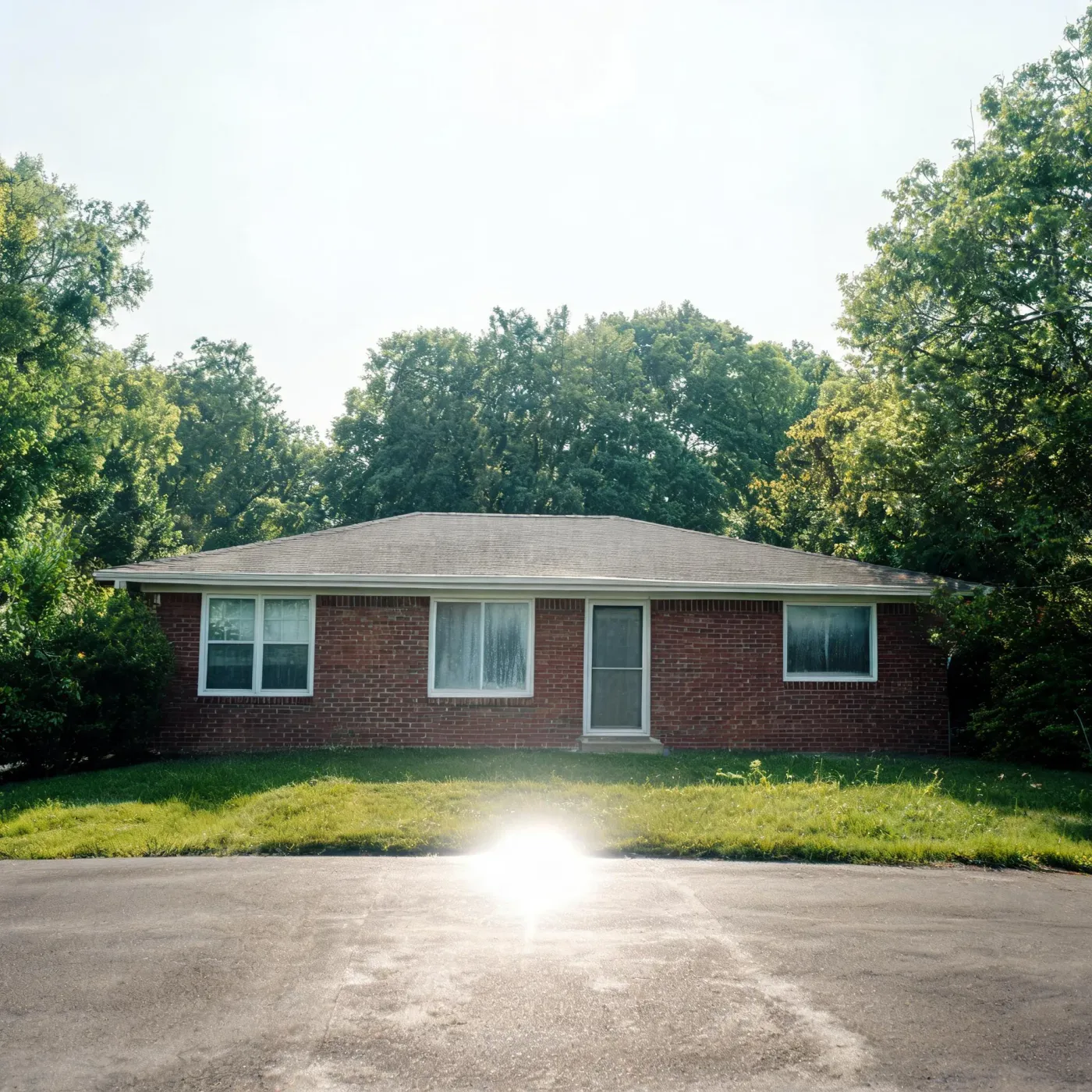
A single-story red brick house with a shingled hip roof, three windows and a central storm door, fronted by a mowed lawn and an asphalt driveway, with dense green trees behind it and sun flare in the foreground.

Summer air in Louisiana carries a dew point around 73°F, according to NOAA climate data for the state. That's heavy, sticky air, the kind where sweat doesn't dry on your skin. Your heat pump has to wring that moisture out of the air before the house feels comfortable, and at 73°F it's pulling a lot of it. That's the long runtimes you're hearing. If the coil inside is clean and the charge is right, it keeps up and the house still reaches the temperature you set. If it's behind on either one, the moisture load from air this thick is what tips it from working hard into not keeping up. If that's where you are, getting matched with someone who can check it means you're not the one chasing down who to call.

NASA POWER T2MDEW county cells weighted by homes

Get your heat pump to the right pro

A heat pump that runs long in a Louisiana summer is doing real work, but long runtime is also what hides a problem until it's not hiding anymore. A dirty coil and a low charge both show up the same way at first, as a system that never quite catches the thermostat, and by the time the air coming out feels warm instead of just slow, the unit has likely been struggling for weeks. You can't tell a coil that needs cleaning from a leak that needs a gauge by holding your hand up to a vent. A contractor can, and matching you with one costs you nothing to find out. If the system really is fine for this climate, you'll know that too, and you can stop wondering every time it kicks on at three in the afternoon and doesn't shut off until well past dark.

A new system in July

A heat pump sized and installed for a Louisiana summer is matched to the dew point as much as the temperature. It's set up to run long on purpose, because that's how it pulls moisture out of thick air. The coil is clean, the charge is correct, and the long runtime still ends in a house that feels dry and even from room to room. You notice the unit is working, but you don't notice it struggling.

The same system five years in

A coil that's picked up a layer of dust over a few summers can't shed moisture as fast as it did new, so the unit runs longer to do the same job. A charge that's dropped from a slow leak does the same thing from a different cause. Both look exactly like a healthy system working hard in bad air, right up until the house stops cooling down in the afternoon or the vents start putting out air that feels barely cool at all. By then the extra runtime has been costing you for a while.

An outdoor air conditioning condenser unit on a concrete pad beside a house with horizontal siding above a brick foundation, with a flexible conduit running to a wall-mounted disconnect box.
Before you get your heat pump repair
A gray outdoor condenser unit on a concrete pad beside a beige vinyl-sided house, with a wall-mounted disconnect box, flexible conduit, mulch bed, shrubs and a concrete walkway in front.
After you get your heat pump repair

A heat pump doesn't make cold air. It picks up heat from inside your house and carries it outside, using the same refrigerant loop that pulls heat in from outside during winter. A reversing valve is what flips the loop between the two jobs. On the inside, refrigerant running through the coil absorbs heat from the air passing over it, and that's also where moisture condenses out, since the coil has to run cold to do either job. Outside, the compressor squeezes that heat back out of the refrigerant and the outdoor fan blows it off the coil into the air. Every part of that chain has to be clear for the cycle to keep up. Low refrigerant charge means less heat gets carried each pass, so the compressor runs longer to move the same load. A dirty outdoor coil holds onto heat instead of releasing it. A clogged filter cuts the airflow the indoor coil needs to pull heat and moisture out in the first place.

How the refrigerant cycle works

  • A reversing valve switches the refrigerant flow so the same outdoor unit that heats your house in January cools it in July.
  • In cooling mode, refrigerant soaks up heat from inside the house and the outdoor fan blows it off the coil outside.
  • The compressor has to work harder to move that heat when the refrigerant charge is low or the coils are coated in dirt.
  • A heat pump moves heat rather than burning fuel to make it, which is why the indoor coil has to stay cold enough to pull moisture out of thick air.
  • The outdoor coil has to shed that absorbed heat fast, and dirt or a bent fin on it slows the whole cycle down.
  • A clogged filter or blocked return starves the indoor coil of airflow, so it runs longer without pulling the house down to temperature.
A bearded man in a plaid flannel shirt stands in a kitchen looking out a window toward snow-covered shrubs, with a steaming mug on the windowsill and potted plants on a shelf behind him.
A smiling man with dark curly hair in a navy t-shirt sits on a gray couch indoors, with a large-leafed plant and a window in the background.

A heat pump running long and hard through a Louisiana summer is mostly doing exactly what it's built to do with air this thick. The coil pulls moisture out before it can pull the temperature down, and that takes time no matter how sound the system is. What tells you something is wrong isn't the runtime. It's the house not cooling, or vents that feel warmer than they should, or a unit that runs the same long hours but never gets you to the number on the thermostat. That's the line between a system working as intended and one losing the fight against a dirty coil or a low charge. If you've checked your system against what's normal here and it still isn't keeping up, the next move is getting someone who works on these units in this climate to look at it directly. Send in what you're seeing and the search for the right contractor stops being something you have to carry. That part gets handled, and you get to stop wondering whether it's humidity or something worse.

A gray outdoor condenser unit on a concrete pad beside a house with horizontal lap siding, bordered by mulch, shrubs and a mowed lawn.

The right pro for this job

RepairHeat PumpLouisiana
Step 1 of 2

What ZIP code is the job in?