
AC Installation in Louisiana
Homes in Louisiana run cooling for more months of the year than in 45 of the other 49 states.
Tell us about the job
Takes about a minute. No obligation.
- 91°Fsummer afternoon high where people live
- 7 monthsof cooling, April through October
- 11.73¢ per kWhwhat homes paid for power in 2024 (kWh means kilowatt hours, the unit on an electric bill)
- 1,085hail events from 2015 to 2024
What does an AC in Louisiana face?
How hot do summer afternoons get?
91°Faverage afternoon high where people live
Alaska66°F
Arizona101°F
How many months does the cooling run?
7 monthsof cooling a year
Alaska0 months
Hawaii12 months
What does electricity cost?
11.73¢per kWh, what homes paid in 2024
North Dakota11.51¢
Hawaii42.86¢
How often do storms hit?
109severe weather events per county from 2015 to 2024
Alaska5
Wyoming1,057
How many homes lost power for a day or more?
49%of homes in 2024
Arizona7%
Maine54%
Getting the size right
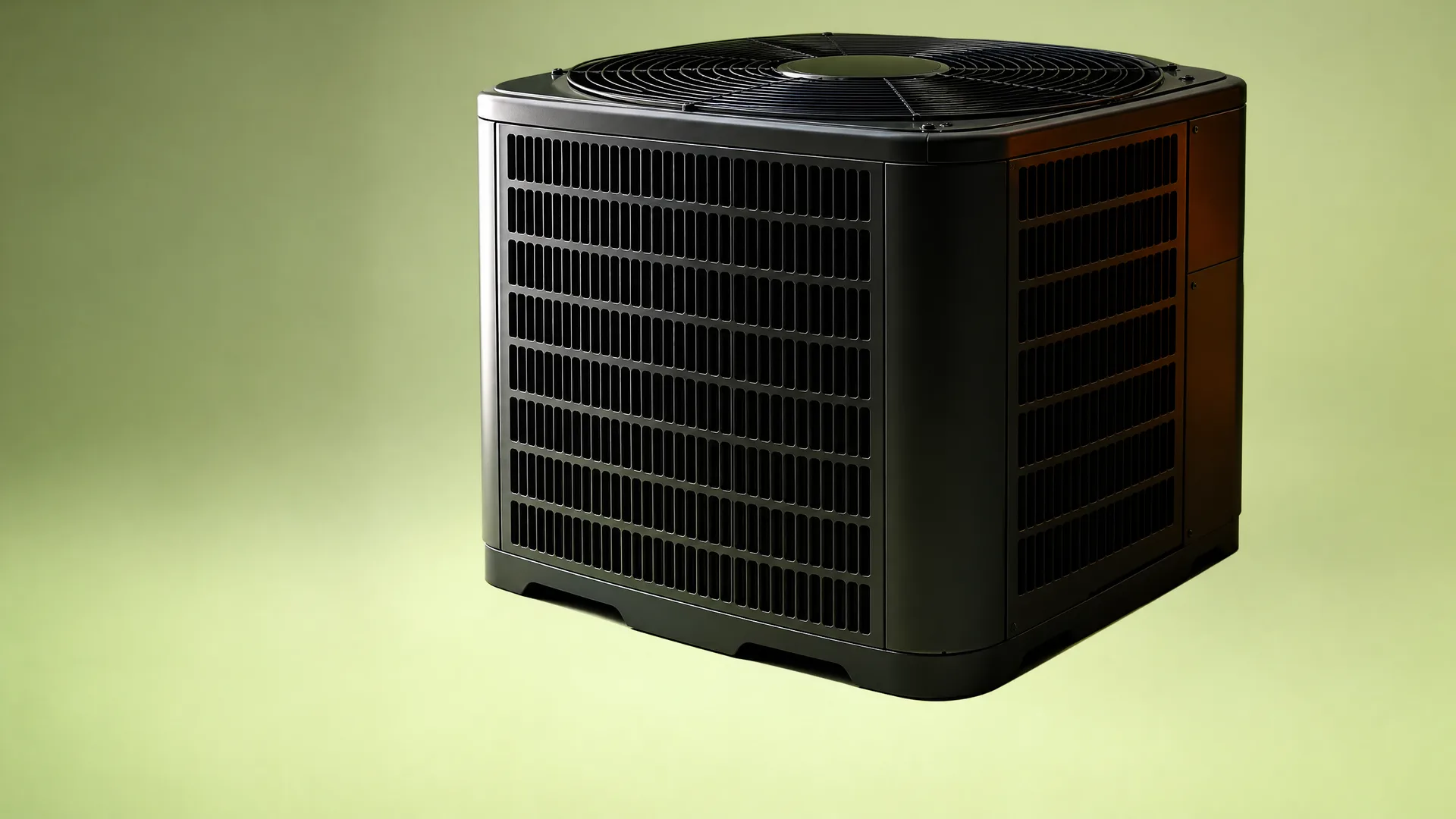
A unit sized wrong causes trouble no matter which way it misses. Too big and it blasts cold air, shuts off, and runs again a few minutes later without ever pulling the moisture out of the room. The house can feel damp even at a low setpoint. That constant starting and stopping wears on the compressor too. Too small and it runs and runs, straining to keep up on the hottest days and never quite getting there. Getting the size right takes a load calculation, not a guess. A contractor works out the square footage, the ceiling height, how many windows there are and which way they face, and how the house is insulated. Matching tonnage to square footage alone skips most of that, and it's how a lot of systems end up the wrong size to begin with. Sized correctly, the unit runs longer, steadier cycles that actually dry the air out, and the parts inside last the way they're supposed to.
What most systems here are built on
Electricity heats 64.7% of homes in Louisiana, more than any other fuel, with utility gas next at 32.1%. For a new AC system, that matters because most homes here already have the electrical setup central air needs. A lot of them also have a furnace tied into the same ductwork, so when the AC gets replaced, it's usually going into ducts and wiring already built around one of those two systems, not something pieced together from scratch.

A standard system is the right call here
What a new AC unit needs to handle in Louisiana, and what it doesn't
Louisiana gets storms, but measured against the rest of the country, the counties where people actually live here see less severe weather than most states, including less damaging wind and less hail. That doesn't call for a bigger unit or extra capacity. A properly sized system, installed and anchored the way any licensed contractor would do it, holds up fine through a Louisiana summer. Where this state stands out is the power grid, not the weather itself. Close to half of Louisiana households lost power for 24 hours or more last year, a worse showing than nearly every other state. That's worth asking a contractor about, maybe a surge protector or a disconnect switch for the outdoor unit, but it has nothing to do with the size or efficiency of the system itself. Standard sizing, done right, is what this job needs.
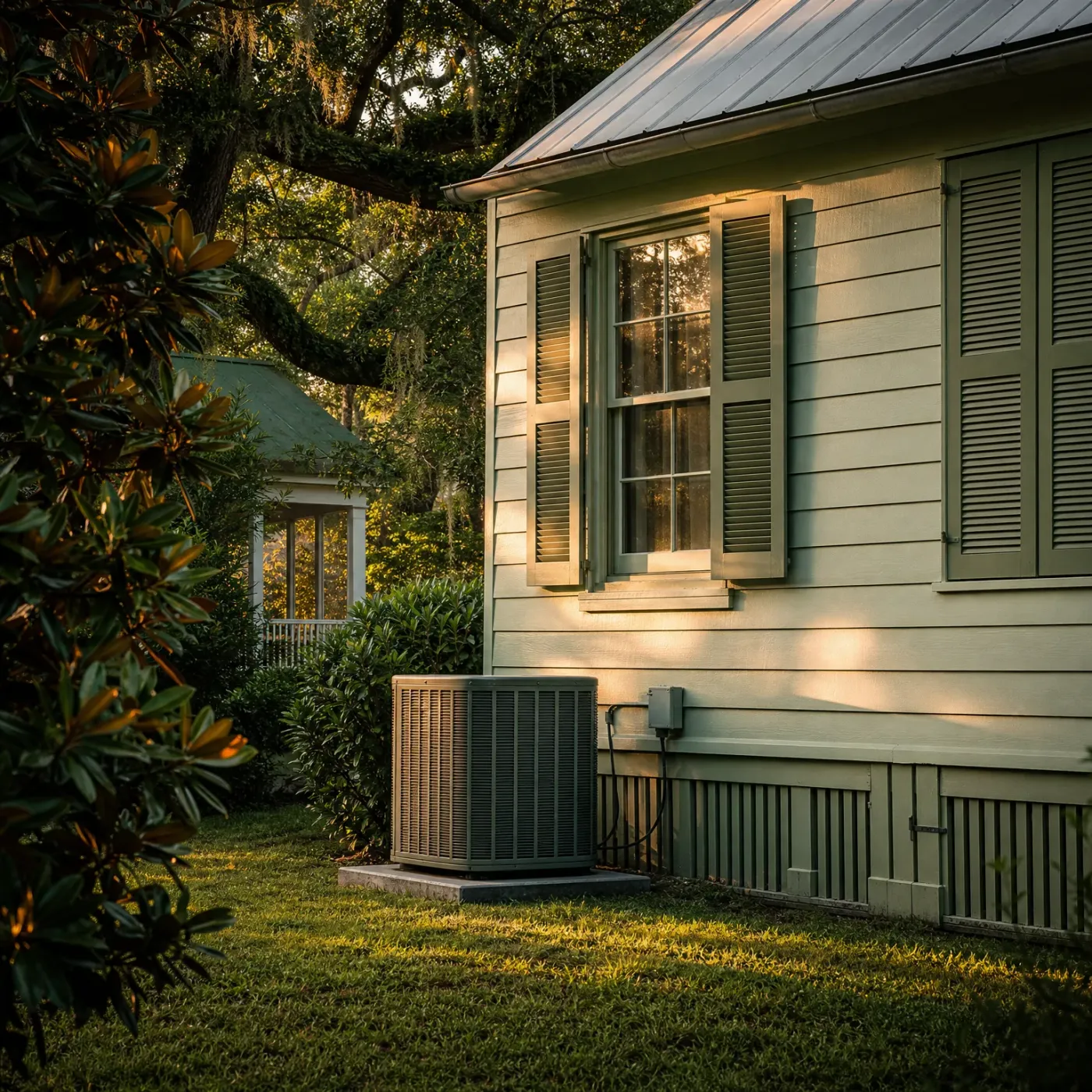
Louisiana runs cooling longer and hotter than almost anywhere in the country. Homes here run AC about seven months a year, April through October, longer than in 45 of the other 49 states. Afternoons in summer run hot enough to back that up. Whatever gets installed here is going to work most months of the year, not just a few weeks in August.
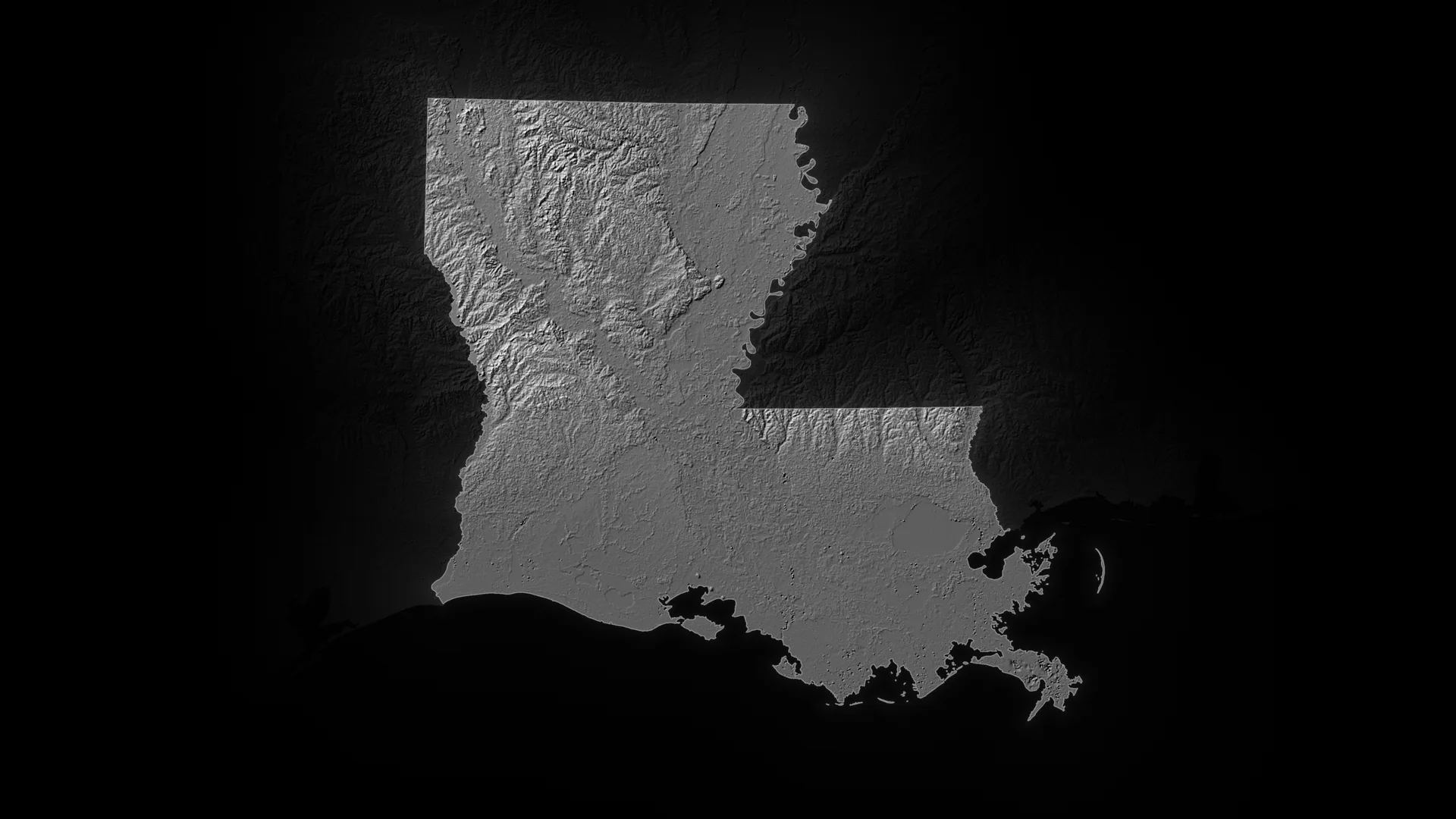
That load isn't even across the state. Homes in the southern counties need about 14% more cooling over a year than homes in the northern counties. Terrebonne Parish needs about 40% more cooling over a year than Claiborne Parish, which has the lowest cooling need in the state. A system sized for a home in Claiborne isn't sized for one in Terrebonne, even though both are in Louisiana.
The season length shifts too. East Baton Rouge Parish runs cooling longer than anywhere else in the state. Bossier Parish runs it for the fewest months. That gap means a compressor in one parish is cycling on through weeks that a compressor in the other parish never sees.
None of this changes how the sizing gets done. A load calculation still has to account for where in the state the house sits, since a home in Terrebonne and a home in Claiborne aren't asking the same thing of the unit. What it does mean is that the same size system, installed in two different parts of the state, won't see the same wear or run the same number of hours. Worth knowing before comparing quotes that only talk tonnage and square footage.
Louisiana runs its AC harder than almost anywhere else Seven months a year, April through October
- Southern counties need about 14% more cooling than northern ones
- Summer afternoons average 91°F where people live
- Cooling runs April through October
- 1,085 hail events from 2015 to 2024
- 2,909 damaging wind events from 2015 to 2024
- 49% of homes lost power a day or more in 2024
What the efficiency rating actually tells you
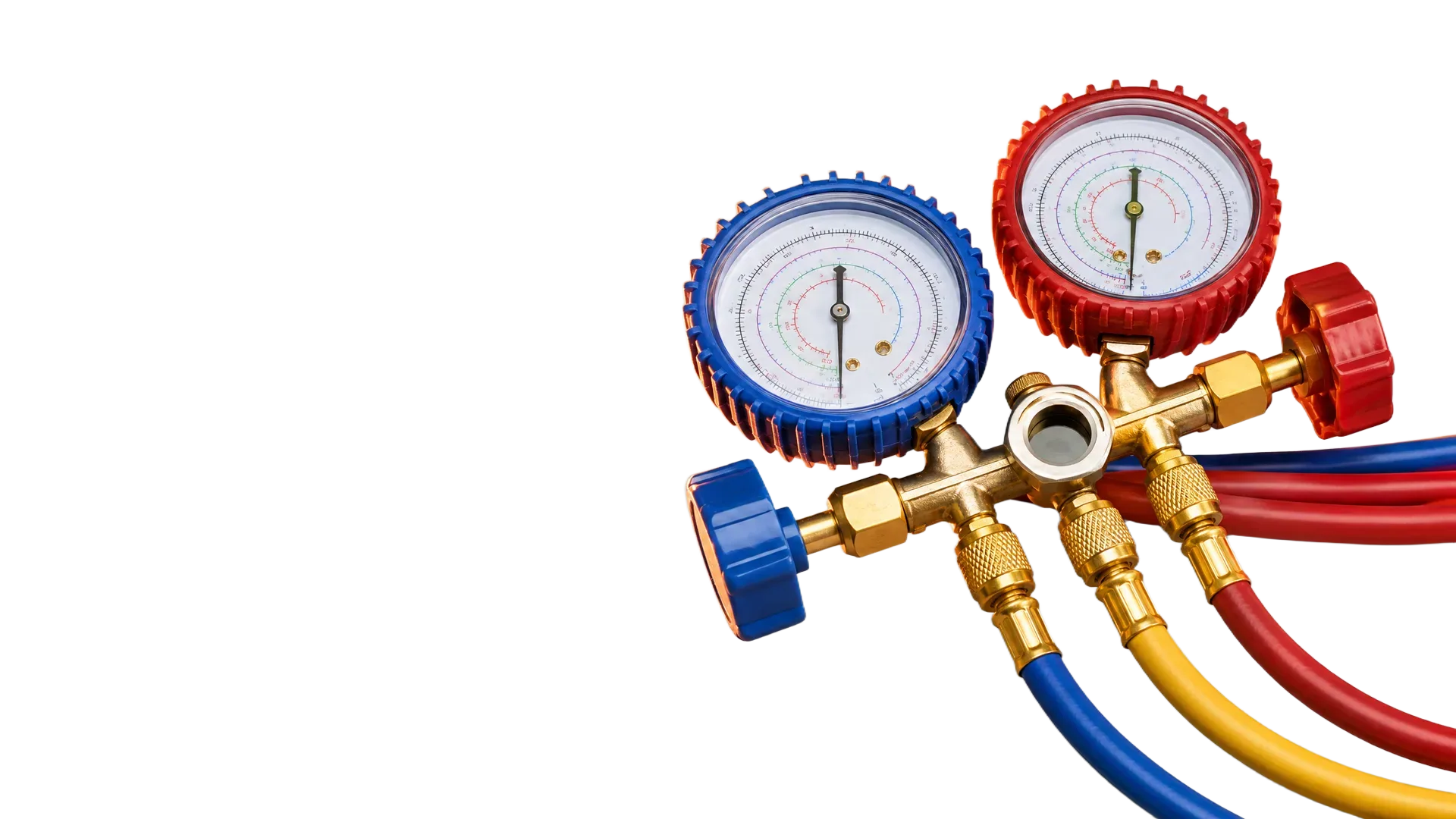
The efficiency rating on the label, SEER2 (seasonal energy efficiency ratio under the 2023 test, an AC's cooling efficiency over a season), tells you how much cooling a unit produces for the electricity it uses. A higher number means more cooling per unit of power. It isn't a measure of size, so a unit rated highly efficient can still be the wrong size for a given home. The rating matters more the longer the system runs each year. A unit that only cycles on now and then can't put that efficiency to work the way one running most months can. Efficiency isn't fixed for the life of the unit either. A dirty coil, a low refrigerant charge, or a clogged filter all make the system work harder to do the same job, and the number on the label assumes none of that is happening. It's a starting point for comparing units, not a promise of what any one of them will actually cost to run.

Electricity here runs 11.73 cents per kilowatthour, cheaper than in 46 other states. A new AC system is one of the bigger draws on a home's power bill, and starting from a lower rate than most of the country helps with that no matter what size or brand gets installed.
Louisiana homes that use air conditioning used an average of 15.4 million Btu (British thermal units, a measure of heat) of electricity for it in 2020. That's the cost of running cooling here for a year, not a reason to size up or chase a higher efficiency rating than the house actually calls for. A correctly sized standard system is what keeps that number from climbing higher than it needs to.
Most homes here already run on the electricity a new AC system needs.
Tell us about the job
Takes about a minute. No obligation.
Fill out the form and a licensed contractor in Louisiana will follow up about the job.