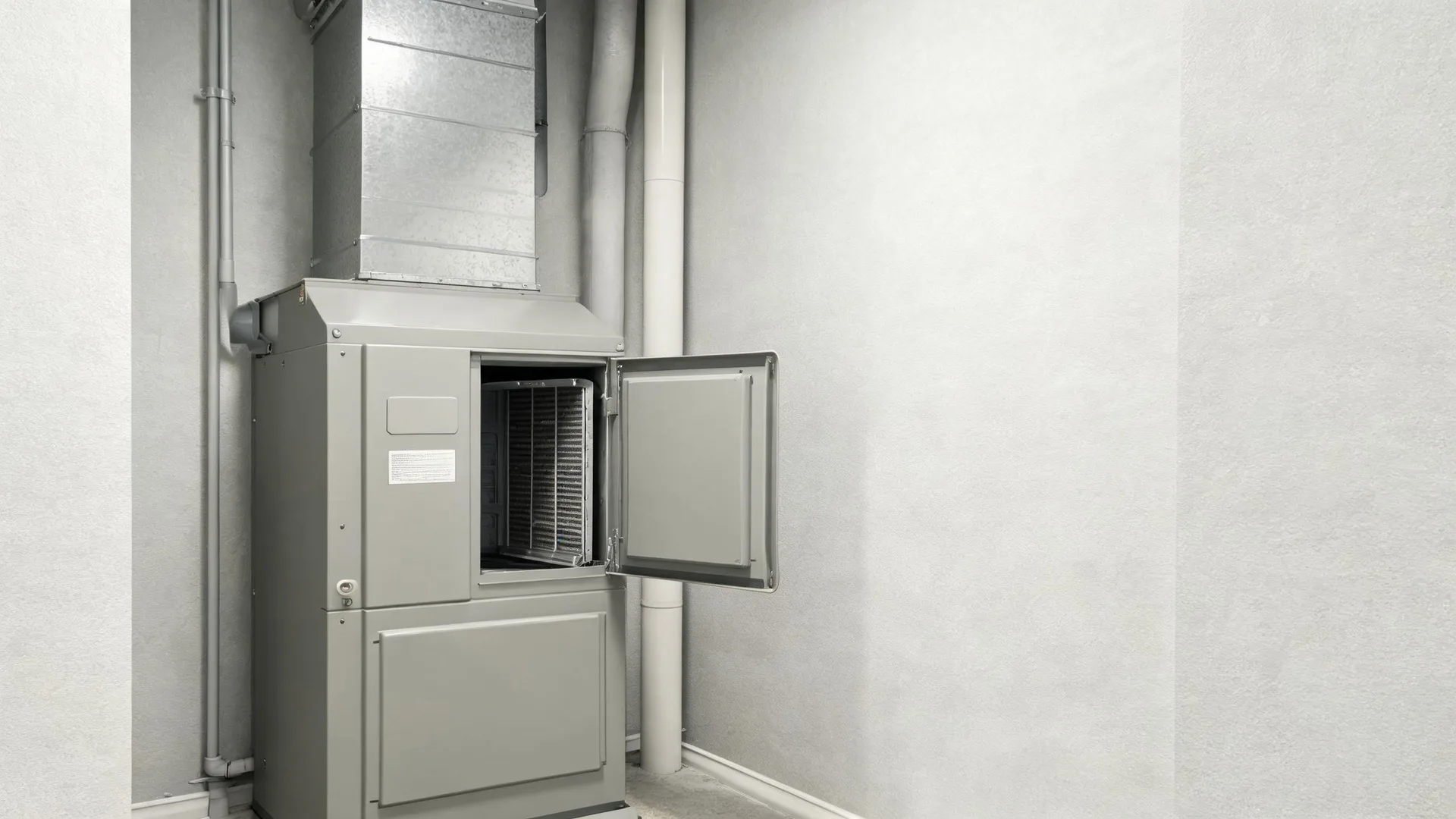
Electricity here runs cheap
Power in Lafourche Parish averaged 11.91 cents per kilowatt-hour in 2025, lower than most US counties pay. That helps, but it only goes so far when an AC unit runs as much as this one will.
Takes about a minute. No obligation.
Power in Lafourche Parish averaged 11.91 cents per kilowatt-hour in 2025, lower than most US counties pay. That helps, but it only goes so far when an AC unit runs as much as this one will.
A new AC unit here will run most months of the year to keep up with the humidity. How much electricity it uses to do that job, more than the rate per kilowatt-hour, is what shows up on the bill each month.
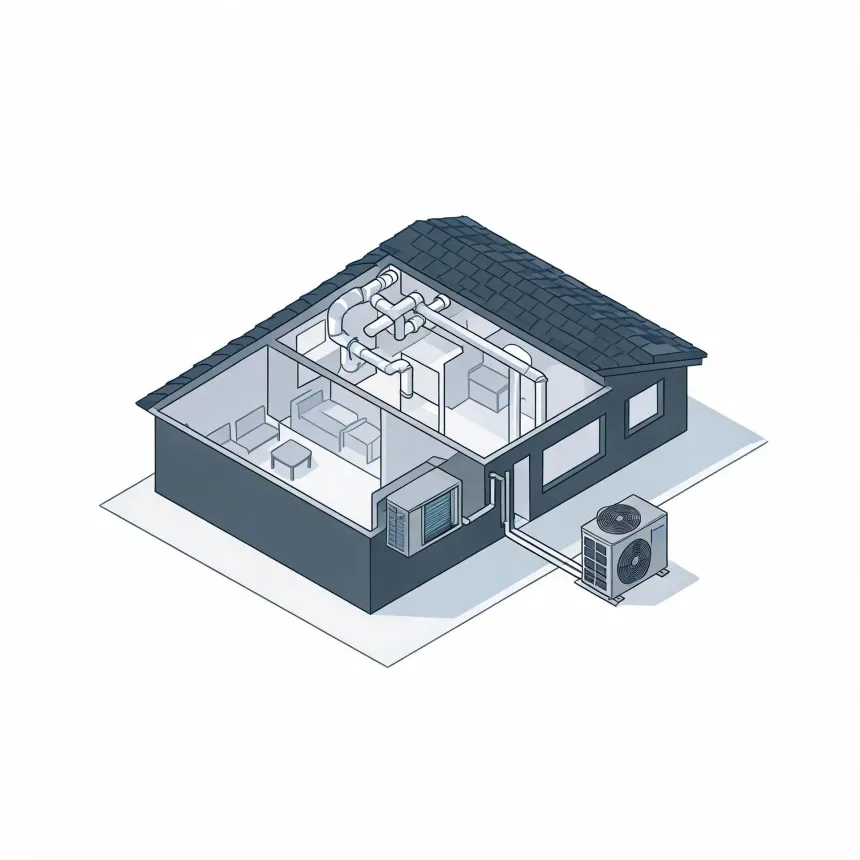
NOAA nClimDiv, 1991–2020 normals
Electricity heats 67.6% of homes in Lafourche Parish, more than any other fuel.
Most new AC installations here pair with an electric furnace or heat pump, since that is what the wiring and ductwork already expect.



The efficiency rating on the unit you install decides what this machine costs to run every month after. Ask what SEER2 rating comes with the system you're quoting and compare it against the others.
Find a contractor
Seven months of cooling a year is a long duty cycle. From April through October this unit holds on through afternoons that average 90 degrees in June, July and August. That's not a few hard weeks, it's most of the year, and the compressor and fan motor don't get much of a break in between. A system sized and installed right handles that load without strain. One that's undersized or poorly matched to the ductwork will run longer than it should just to keep up, and that wear shows up sooner than it would somewhere with a shorter summer.
The right size for an air conditioner comes from a room by room load calculation, not a rule of thumb based on floor space. That calculation weighs window area and facing, ceiling height, insulation, and how many people and appliances add heat to the space. Two houses the same size can need different tonnage once those details are counted.
An oversized unit cools the air fast and shuts off before it pulls the humidity down, so the house feels clammy even at the set temperature. It also cycles on and off more, and that short cycling puts more wear on the compressor than a properly sized system running a longer, steadier cycle. Sizing up is not a safety margin, it's a different problem.
Estimates for a typical Lafourche Parish home, from EIA household energy data, Louisiana fuel prices and NOAA climate normals. Your home will differ.
Installation starts with the crew pulling the old equipment out, indoor and outdoor units both, along with the line set if it's being replaced rather than reused. The new outdoor unit goes on a pad, leveled, with enough clearance around it for air to move through the coil. Inside, the air handler or coil gets set, the line set gets connected, and the whole system gets evacuated with a vacuum pump to pull out air and moisture before any refrigerant goes in. That step matters more than it looks like it would. Moisture left in the lines turns to acid over time and eats at the compressor from the inside. Once the system holds a vacuum, refrigerant gets weighed in to the charge the manufacturer specifies, not just added until the lines feel cold. Last comes startup: checking airflow across the coil, checking temperature split between the return and supply air, and checking that the thermostat is talking to the system the way it should.