




AC won't turn on in Hammond, LA

Get an air conditioner pro

A silent air conditioner in Hammond heat is not something to sit with for long. Dead quiet at the thermostat, a hum with no air moving, a click and nothing after it, whatever you're seeing, it means the system needs a look from someone who knows what they're looking at. This isn't a problem to guess your way through on a July afternoon in Tangipahoa Parish. Fill out the form and you're matched with a contractor who takes on exactly this kind of call, one who knows their way around the units common to homes here. Once you send it, the search is done. You're not the one tracking down who's available or who picks up the phone. That contractor reaches out to you directly, and from there the work of getting your air back on belongs to someone else.

Why won't my AC turn on at all in Hammond?

A dead air conditioner on a July afternoon in Hammond is not a small thing. You've checked the thermostat, maybe flipped the breaker, and nothing changes. Before you start guessing at parts, it helps to know where the problem usually sits: the thermostat, the breaker, or the outdoor unit itself. Each points to a different fix, and Tangipahoa Parish summers don't leave much room to wait on it.

It's almost always the thermostat, a tripped breaker, or the outdoor unit not getting power

Start with the thermostat. If the display is blank, it may just need new batteries. If it's lit but the system still won't respond, check the breaker panel for your AC's breaker. Humidity and long run times put real strain on electrical connections here, and a tripped breaker is common once a system has been working hard for weeks. If the breaker holds and the thermostat looks fine, the problem is likely at the outdoor unit, a capacitor that's failed or a contactor that won't close. That part doesn't get fixed by flipping anything back on. With Hammond running the AC most of the year, a unit that won't start needs a technician to find which of these it is before the house gets uncomfortable.

A woman wrapped in a knit blanket sits on a gray sofa in a living room, looking toward a bright window with houseplants and an armchair in the background.
A woman with long dark hair in a green knit sweater sits on a couch indoors, smiling and looking toward a window with a blurred room behind her.
A woman with dark hair in a bun wearing a cream knit sweater sits on a gray sofa in a bright living room, looking off to the side.
A woman in a gray cowl-neck sweater sits on a light sofa with cushions, smiling and looking to the side, with a kitchen and window visible behind her.

Power Problem or Failed Part

Breaker or power problem

  • If the breaker trips again right after you reset it, something is pulling too much current and the unit needs to stay off until a contractor looks at it.
  • A thermostat with a blank screen points to dead batteries or a tripped breaker, not the outdoor unit or the compressor.
  • The outdoor disconnect box near the condenser has its own switch or pull block, and if it's been bumped or left open the unit gets no power at all.
  • A breaker that holds but the system still won't start can mean a bad contactor, the part that actually closes the circuit to the compressor.
  • Power at the thermostat but nothing at the condenser outside usually means the problem is somewhere between the two, not inside either one.

Component failure inside the unit

  • A capacitor that's gone bad will often leave the outdoor fan silent while the indoor blower keeps running like nothing's wrong.
  • A failed contactor can stay stuck open or welded shut, and either way the compressor never gets the signal to start.
  • If the indoor blower runs but no cool air comes through the vents, the compressor outside likely isn't starting at all.
  • A compressor that hums for a second and then shuts off is usually trying to start against a bad capacitor or a wiring fault.
  • Twenty-four-volt control wiring that's come loose or corroded can stop the whole system from getting the signal to run, even with the breaker fine and the thermostat set correctly.
A gray outdoor air conditioner condenser unit on a concrete pad beside a house with horizontal siding and a stucco foundation, with a disconnect box and conduit on the wall, decorative gravel, mulch, and a shrub nearby.

Running clean

This is what a healthy condenser looks like: clear gravel around it, coil grilles open, the disconnect box sealed up on the wall. Air moves through it without resistance, and the compressor inside doesn't have to work past what it's built for.


An outdoor air conditioning condenser unit on a concrete pad beside a house with horizontal lap siding, with an electrical disconnect box and conduit on the wall, mulch and a green shrub to the right, and a concrete walkway in the foreground.

Choked with debris

Dirt and cut grass packed into the coil grilles block the airflow the unit needs to shed heat. Run it like this through a Hammond summer and it can trip the breaker or shut itself down trying to protect the compressor. A contractor can clean the coil and check what the strain already cost it.

What's actually happening when you check on it

Go stand by the thermostat and the outdoor unit and see what's really there. Nothing lit up on the thermostat screen at all. Or the screen is on but pressing it down a few degrees does nothing, no click, no hum, no change outside. Maybe you hear the outdoor unit trying, a low hum, but the fan blades aren't spinning. Or it ran fine yesterday and today it's dead. Check the vents too. Warm air still moving counts as the system not cooling even if it's not fully off. Left alone through a Hammond summer, a system that won't start puts real strain on whatever's already failing, and heat builds in the house fast once it stops.

An older woman with gray hair in a patterned knit sweater smiles while looking to the side in a dimly lit kitchen, with a round loaf of bread on a wooden counter in the foreground and a lit oil lamp and potted plant on a windowsill behind her.
A woman and a child wrapped in a knitted blanket on a couch indoors, with a lit table lamp and a potted plant in the background.

Get matched with an air conditioner pro in Tangipahoa Parish

A dead AC in July heat doesn't get better if you wait it out. Hammond stays hot and wet long past what most people expect from September, and a house with no cooling running heats up fast with the humidity working against you the whole time. Whatever is keeping your unit from starting, a bad capacitor, a tripped breaker that won't hold, a thermostat that's lost its signal, it's not something to diagnose by trial and error while the inside temperature climbs. A contractor who works on these systems can look at the breaker panel, the disconnect, the thermostat wiring and the unit itself and find the actual point of failure instead of you guessing at it room by room. Send the request and that search becomes someone else's job, not yours, while you wait somewhere cooler than a house with no air moving through it.

A gray outdoor air conditioner condenser unit on a concrete pad beside a house with horizontal lap siding, with a flowering shrub at left and a disconnect box with conduit on the wall at right.

What a working unit looks like

The pad around it is clear, the coil fins are open, and the disconnect box on the wall is closed up tight. Air pulls through it without having to fight anything. That's what lets the compressor start the way it's supposed to each time the thermostat calls for it.

An outdoor air conditioner condenser unit on a concrete pad beside a house with light horizontal vinyl siding, surrounded by bare dirt, gravel and dry leaves, with refrigerant lines and conduit running along the wall.

What trouble looks like from outside

Leaves and dirt build up around the base, and the cabinet shows its age. None of that alone stops a unit from turning on, but it points to a system that hasn't had much attention, and that's often where the real problem is hiding.

An outdoor air conditioner condenser unit sits on a concrete pad beside a stucco wall, with refrigerant lines and conduit running to the wall and a shrub to the left.
Before you get your air conditioner repair
A gray outdoor air conditioner condenser unit on a concrete pad beside a house with dark horizontal siding and a stone base, surrounded by gravel, with a flowering shrub at left and a concrete walkway in front.
After you get your air conditioner repair
  1. Thermostat calls for cooling and sends power to the contactor.

  2. Contactor closes and sends power to the compressor and condenser fan.

  3. Compressor starts and begins pumping refrigerant through the system.

  4. Indoor blower turns on and pulls air across the evaporator coil.

A gray outdoor air conditioner condenser unit on a concrete pad beside a house with horizontal lap siding, with a wall-mounted disconnect box and conduit, mulch bed, shrub, and lawn nearby.
The lines up the wall are clean, the pad is clear, and the unit outside is doing its job without a fight.
An outdoor air conditioner condenser unit sits on a gray pad beside a light vinyl-sided wall, on a concrete slab next to a gravel bed.
Here the conduit and refrigerant lines run up bare against the siding, and whatever's wrong is likely waiting at the other end of them.
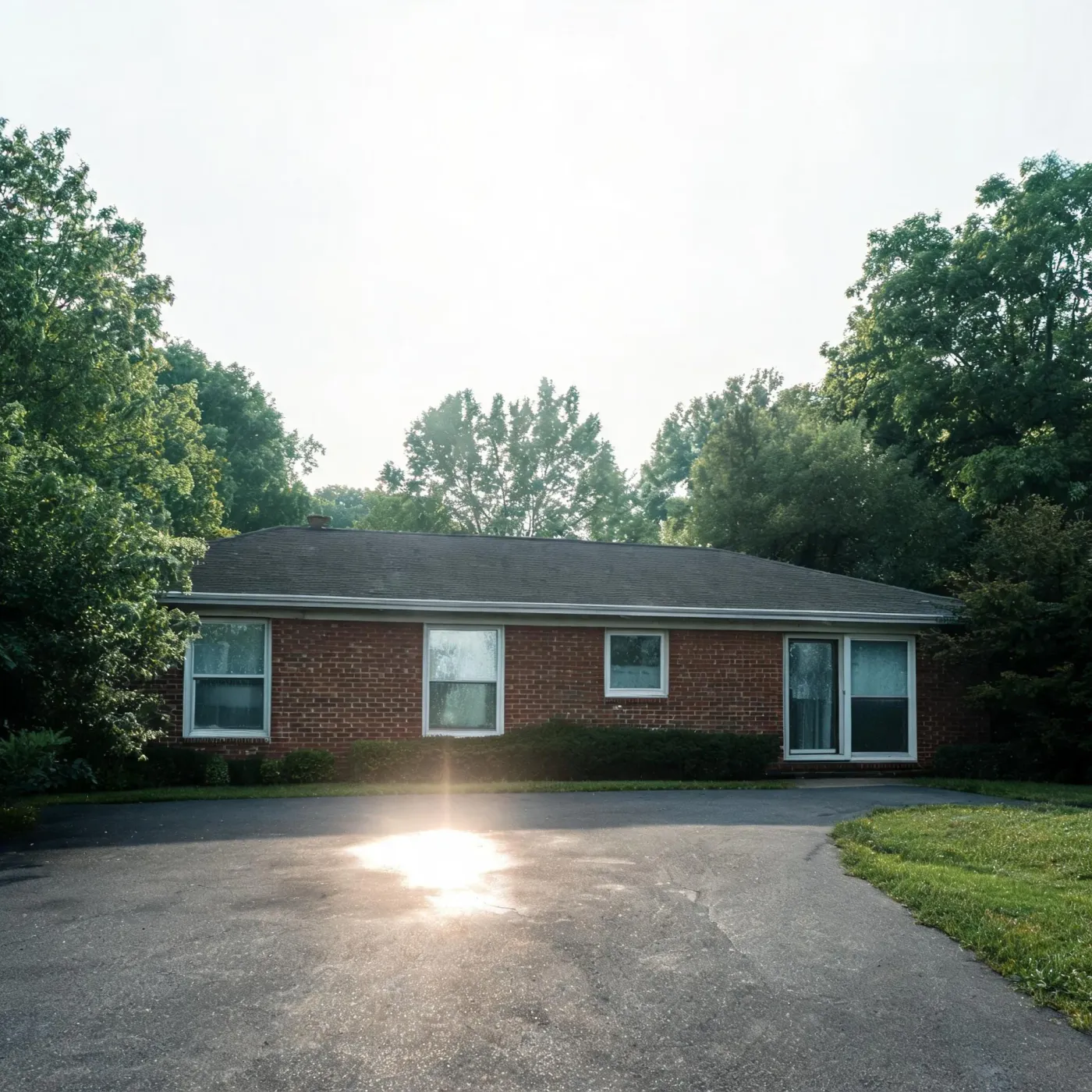
A single-story red brick ranch house with a shingled roof and white-framed windows, fronted by a large paved driveway with sun glare, surrounded by green deciduous trees under a bright hazy sky.

The dew point around Hammond averages 73°F through June, July and August, according to NOAA climate data for Tangipahoa Parish. That's the number that decides whether sweat actually dries off your skin or just sits there, and at 73 it mostly just sits there. Your air conditioner is built to fight that, pulling moisture out of the air right along with the heat, which is harder on the system than dry heat ever is. When a unit like that won't start at all, the house doesn't just warm up. It gets heavy and damp within an hour or two, and you feel it before you see it on any thermostat.

NASA POWER T2MDEW

A woman in a tan sweater and jeans stands in the open black-framed front doorway of a white single-story house, while a blonde woman in an orange sweater and jeans walks toward her along a concrete paver path bordered by shrubs.

A silent AC in Hammond needs a diagnosis, not a guess

Nothing lit up, a hum with no air, a breaker that trips again, each of those points somewhere different. A blank thermostat is not the same problem as a compressor that hums and won't start. Guessing at parts wastes the one thing you don't have much of once the house starts holding heat, which is time.

A contractor who works on these systems can look at the unit outside and the thermostat inside and tell you within minutes which of these it is. Send in what you're seeing and you'll be matched with someone who handles this kind of repair in Hammond, and they'll reach out to go over it with you. From there, finding the right person is off your plate.

A speckled beige ceramic vase holding thin dried branches sits on a round wooden table near a window with sheer curtains, with a dark upholstered chair and draped blanket blurred in the background.
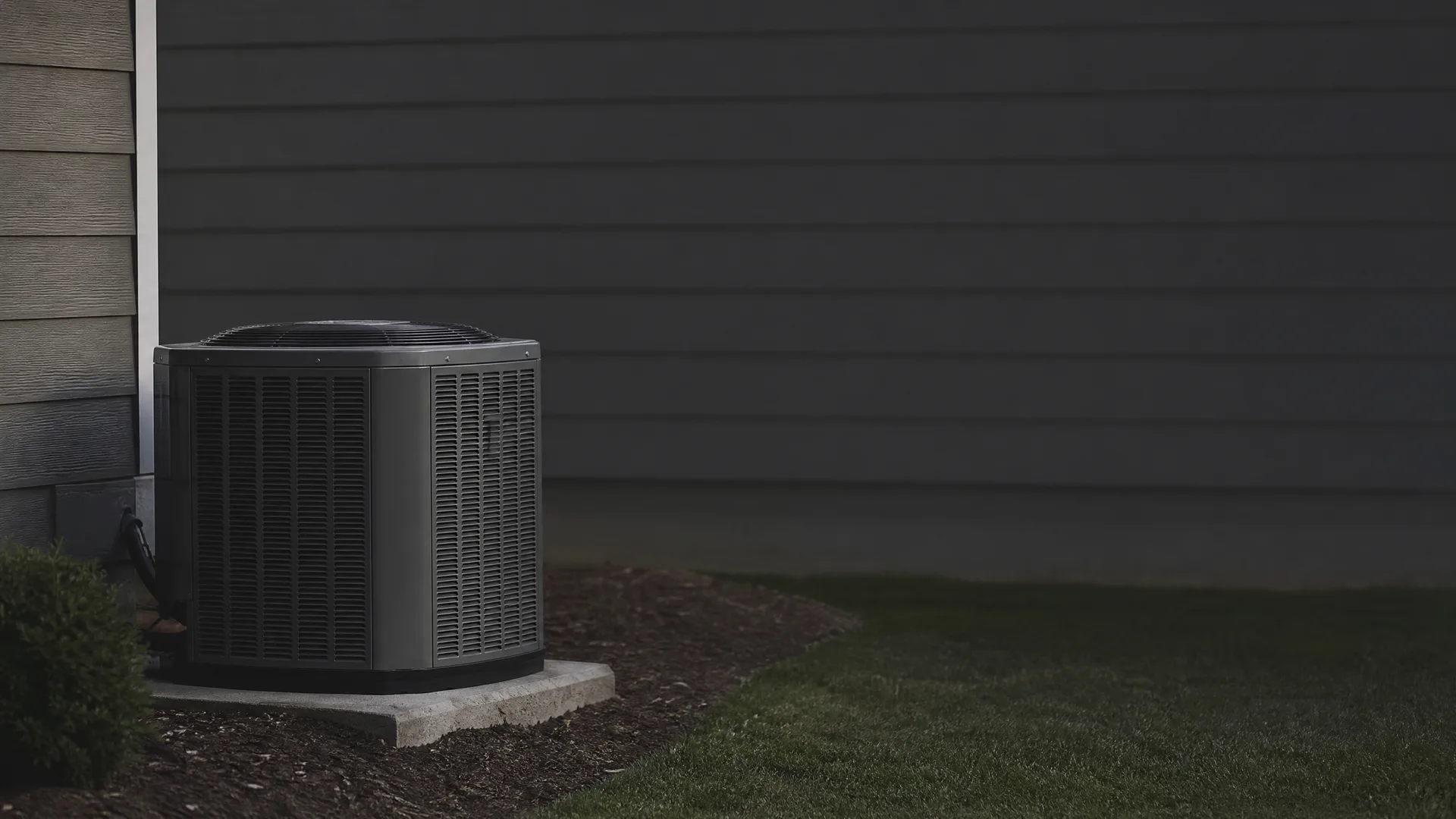
An outdoor air conditioning condenser unit on a concrete pad beside a house with dark horizontal siding, surrounded by mulch, a small shrub, and lawn.

Find an air conditioner repair pro in Tangipahoa Parish

Get the air conditioner repair search off your mind today.

RepairCentral ACTangipahoa Parish, LA
Step 1 of 2

What ZIP code is the job in?