Oversized units cycle short
A system too big for your house cools the air fast but shuts off before it pulls the humidity down, so rooms feel damp even when the thermostat reads right.

There's no single tonnage that fits every house in Louisiana. The right size depends on your home's square footage, how many windows catch sun, how much insulation is in the attic, and the humidity an AC here has to pull out of the air on top of cooling it. A contractor sizes a system by running a load calculation, not by square footage alone, because an oversized unit cools the air fast but shuts off before it has time to wring the moisture out, leaving the house cold and damp. An undersized one runs nonstop all summer and still can't keep up on the hottest days. Both end up costing more to run than a system that's sized right. If your current AC was installed without that kind of calculation, or your house has changed since it went in, an addition, new windows, more insulation, it may not be matched to your home at all. Getting the size right starts with someone measuring your house, not guessing from its age or its footage.




A system too big for your house cools the air fast but shuts off before it pulls the humidity down, so rooms feel damp even when the thermostat reads right.
A contractor can run the numbers on your square footage, windows, and attic insulation to find the tonnage your house actually needs, not just a guess based on size.
A contractor measures your home's square footage and layout
They check window placement, sun exposure, and attic insulation
They run a Manual J load calculation for your house
They match the tonnage to that load, not just square footage

If your AC is undersized, you'll notice it most on the hottest days, when it runs from morning to night and the house still feels warm by late afternoon. An oversized one hides the opposite problem. It cools fast, shuts off, and leaves the air damp, so your floors feel cool but the air itself feels wet. Either way the wear falls on the compressor, since a system that's fighting the wrong load cycles more than it should.
Getting the size right means someone looking at your house in particular, not a chart. That's a load calculation done on your square footage, your windows, your attic. Rather than running down a list of contractors and asking each one to come out and measure, you can get matched with one who handles this and have them reach out to you directly.


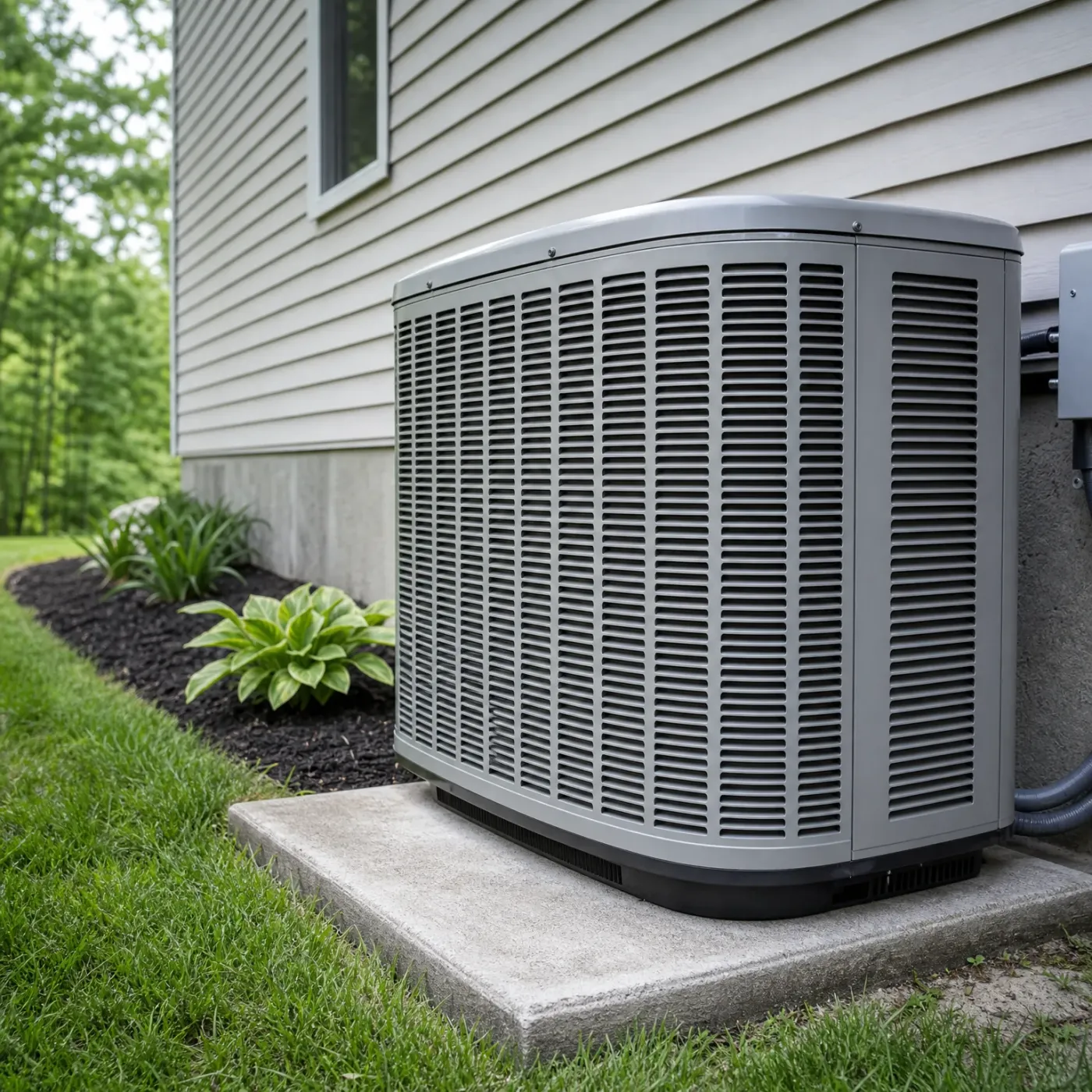
This unit cycles off and on through the day, running long enough each time to pull the humidity down before it shuts off. The coil and casing stay clean, the line set runs straight into the wall, and the pad underneath stays clear. That's what a load calculation done right gets you.

Years of a unit working harder than it should leave fins packed with dirt and a casing that's weathered past what the age alone explains. A system fighting Louisiana humidity it was never sized for runs more hours than it was built for, and it shows on the outside long before it fails.


Skip the round of in-home estimates for a new air conditioner.
A local pro who knows air conditioners gets your details and gets in touch.
There's no charge for the request.
If the wrong size unit is already in, you've probably noticed it without knowing what to call it. Maybe the thermostat says 72 but the air feels heavy, or you keep a dehumidifier running in one room because the AC never quite dries it out. Maybe you hear it kick on and off every few minutes, even in the afternoon. Maybe your electric bill in July looks like June's doubled, and nobody in the house changed anything. These aren't things to just live with. A system fighting the wrong size runs harder, wears out its parts sooner, and leaves the humidity here to work on your floors, trim and anything stored in the attic.
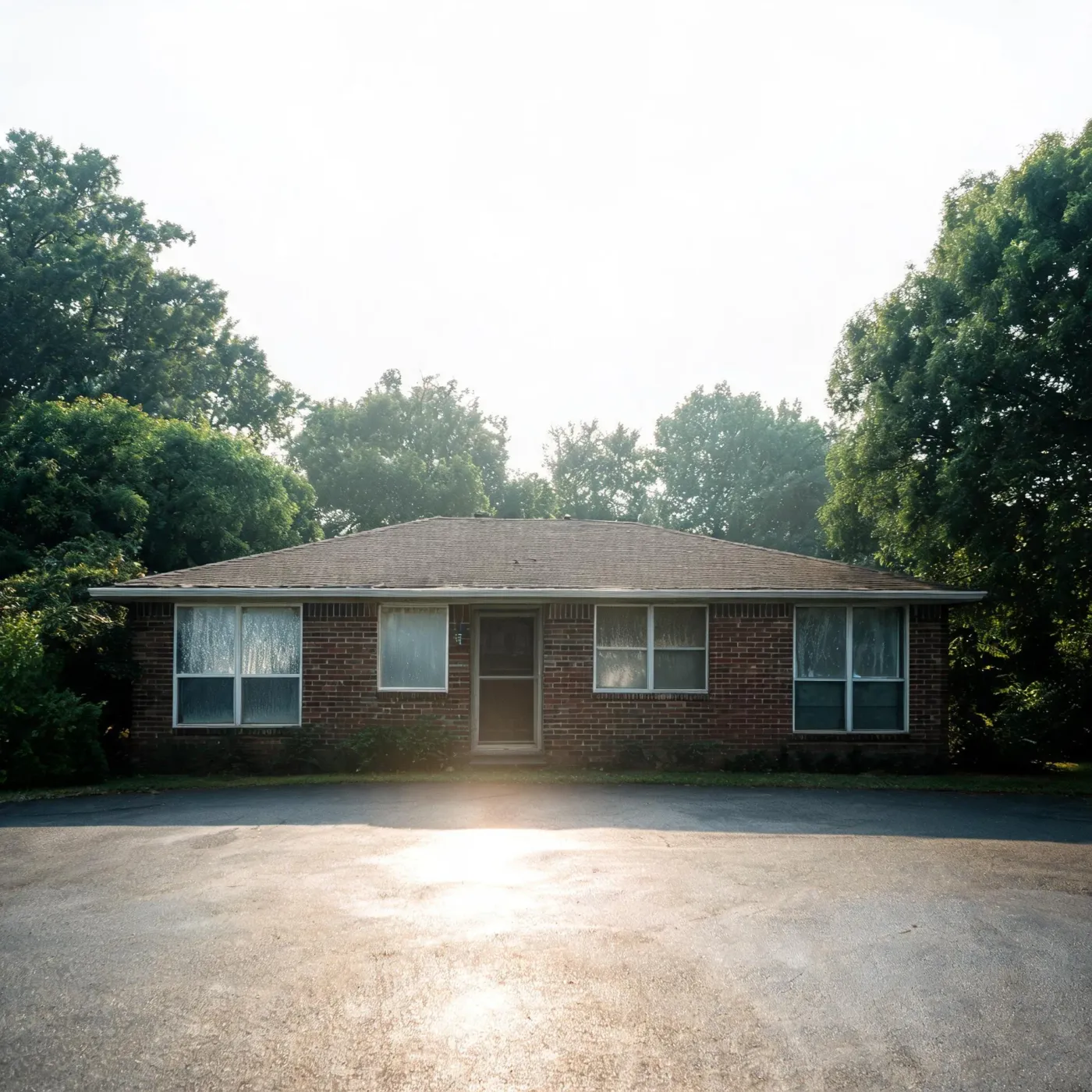
That dew point figure, averaged across homes here for June, July and August, puts the summer dew point at 73°F, according to NOAA climate data. At that dew point, air holds onto moisture even after a thermostat says the room is cool. A properly sized AC pulls that moisture out as it runs its normal cycle. A unit sized for a drier climate, or sized wrong for your house, won't move enough air across the coil long enough to do that. You end up with a house that reads 72 on the thermostat but still feels damp against your skin, and surfaces that stay faintly wet to the touch. That's the dew point working against the equipment, not a flaw in the thermostat.
NASA POWER T2MDEW county cells weighted by homes


There's no tonnage you can read off a chart by square footage alone. Your house has its own mix of windows, insulation, and sun exposure, and Louisiana summers put a humidity load on top of that no chart accounts for. The only way to get the number right is a contractor walking through your house and running a Manual J load calculation against what's actually there.
Get it wrong on either side and you'll feel it. Too small, and the system runs from morning to night through July and August, the electric bill climbs, and the house still feels warm by afternoon. Too big, and it cools the air fast enough to shut off before it's pulled the humidity down, so the thermostat reads 72 and the air still feels heavy. Sized right, a system cycles off and on through the day, but each cycle runs long enough to actually dry the air before it stops.
Getting that number right isn't something you work out from a chart or a square footage rule. It takes someone in your house, checking your attic insulation and where the sun hits, then running the calculation. Getting matched with a contractor means you're not the one calling around, describing your home's layout over and over, and lining up quotes to compare. You hand off the parts of this that take your time, and keep the part that matters: a system sized for the house you actually have.





Describe the project once instead of to every installer.
You only hire the pro if you want to.