

What temperature to set your AC in Louisiana summers

A local pro who services air conditioners gets in touch about the tune-up.

Request a pro

What temperature should I set my AC at in Louisiana summer?

You want your house comfortable without running up the power bill, and you have heard different numbers from different people. In Louisiana, the humidity makes this harder than it sounds, because a thermostat setting that feels fine in a dry climate can feel sticky and warm here at the same number.

Set it to 78 when you're home, higher when you're not

78 degrees is the standard recommendation for summer in Louisiana, and it holds up because of the humidity here. Your air conditioner cools the air and pulls moisture out of it at the same time, and that second part is what makes 78 feel reasonable instead of warm. Setting it lower doesn't remove humidity any faster. It just makes the system run longer to chase a number that doesn't change how sticky the air feels once you're below the mid-70s. When you leave for the day, bumping it up a few degrees instead of shutting the system off keeps it from fighting a hot, humid house when you get back. Power here is cheap, but a system that runs constantly all summer still wears faster than one that cycles normally.

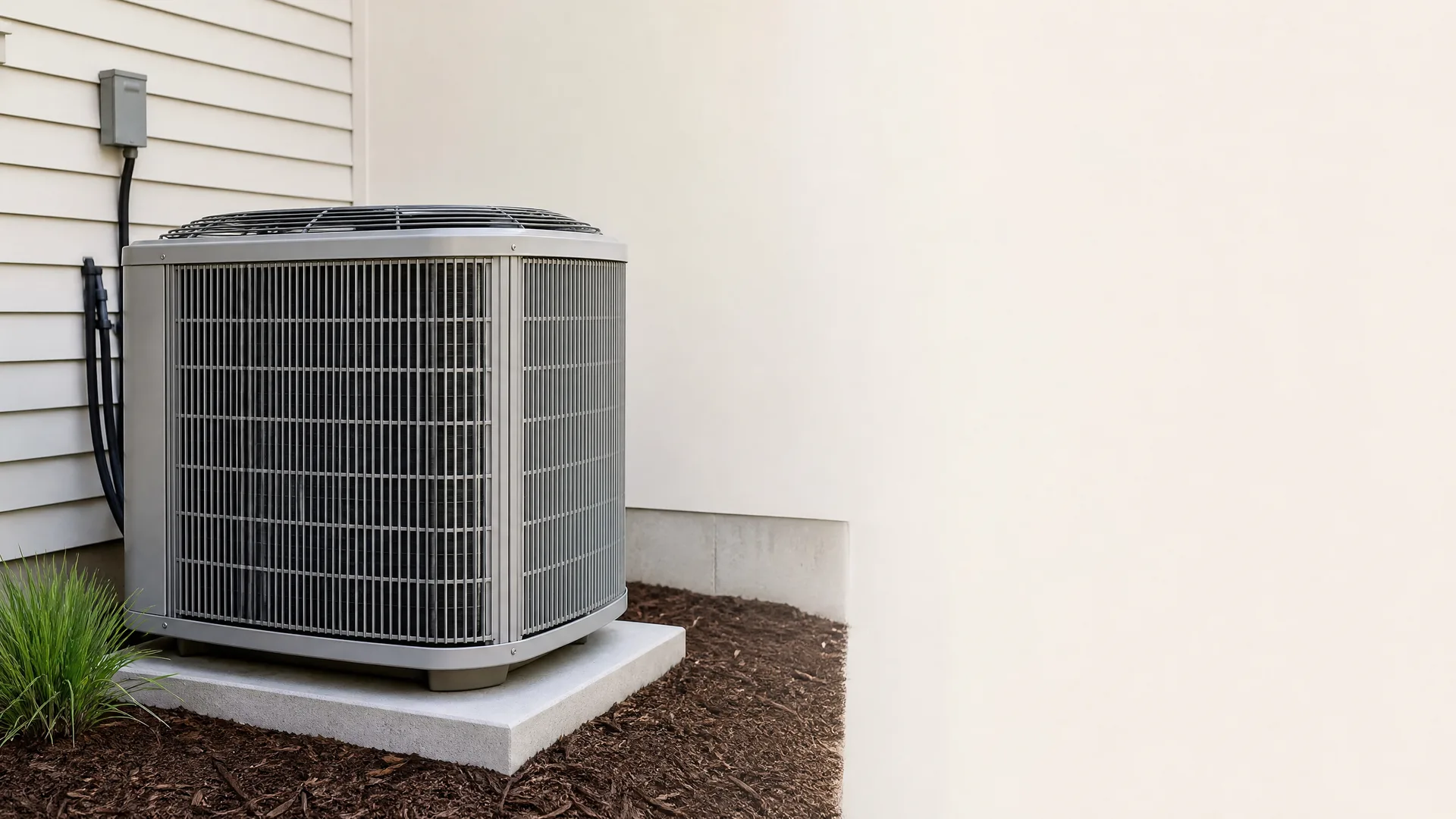
An outdoor air conditioning condenser unit on a concrete pad beside a house with white horizontal lap siding, with an electrical disconnect box and insulated refrigerant line on the wall and a shrub over mulch to the right.

Running the way it should

A condenser that holds its set temperature without long stretches of runtime is keeping up fine. The pad is level, the lines are wrapped, and the disconnect box is intact. A unit in this shape handles a Louisiana summer at a steady setting without strain.


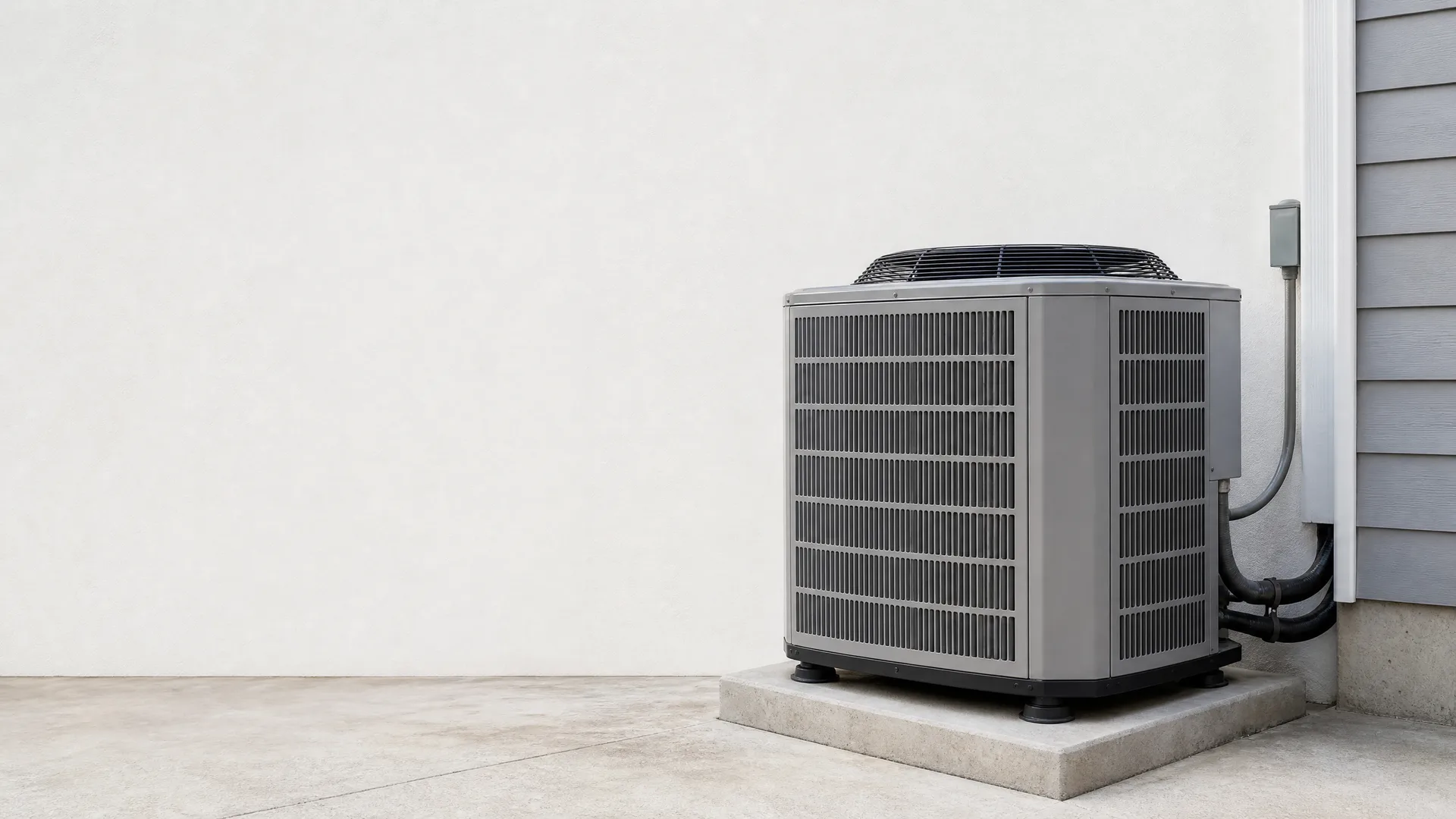
An outdoor air conditioner condenser unit on a concrete pad beside a house with light horizontal lap siding, with an electrical disconnect box and conduit on the wall behind it.

Working harder than it should

Weathering like this, a cabinet gone dull, a disconnect box showing corrosion, often means the unit is working past what it was built for. It may hold your set temperature, but it takes longer and runs more to do it. A maintenance visit can tell you which parts are to blame before one of them fails.

A smiling gray-haired man in a dark wool coat with snow flecks stands in a dimly lit home entryway, with a lit table lamp, potted plant, framed pictures and a living room visible behind him.
An older man with gray hair and a beard, wearing a snow-dusted dark coat and knit scarf, stands smiling in a dimly lit house entry with a lit lamp, mirror, and a living room with snow visible through the window behind him.
An older man with gray hair and a beard, wearing a dark snow-dusted coat and plaid scarf, stands smiling in a warmly lit hallway with a lamp, side table and glass-paned doors behind him.
An older man with gray hair and a beard, wearing a dark coat dusted with snow, stands in a home entryway with a lit lamp, a staircase railing, and a living room with large windows behind him.

Why the number isn't the whole story

  • Your thermostat reads the air near it, not the temperature in every room, so a return vent blocked by furniture throws the reading off.
  • The compressor removes heat, but a separate coil has to pull moisture out of the air before the house feels dry.
  • Lowering the set point does not cool the house faster, because the condenser runs at one speed no matter what number you pick.
  • Humidity above 60 percent indoors makes 75 degrees feel warmer than it would in a drier house, which is why two homes at the same setting feel different.
  • Each degree you hold overnight instead of raising it adds runtime hours the condenser logs over the summer.
  • A dirty coil or a low refrigerant charge makes the system run longer to reach the same number on the thermostat.

The thermostat only knows what the air around it is doing. If it sits near a lamp, a hallway, or a return vent with a couch pushed against it, the number it shows is not what the rest of the house feels. That's why two rooms can feel different even though the thermostat says the job is done. Cooling itself happens in two parts. The compressor outside moves heat out of the house, and a coil inside pulls moisture out of the air at the same time. In Louisiana, that second part matters as much as the first. A house holding 60 percent humidity or higher feels warmer at 75 than a drier house would at the same setting, which is why the same number on the wall can feel like two different houses depending on how well that coil is doing its job. Dropping the thermostat down several degrees at once does not speed anything up. The condenser runs at a fixed speed, so it reaches 72 in the same time whether you asked for 72 or 68. All it changes is how long the system keeps running once it gets there. A coil coated in dust or a system low on refrigerant has to run longer to hit the same number, which shows up as extra hours on the unit and on the bill before anyone notices the house feels different at all.

A gray outdoor air conditioner condenser unit on a concrete pad beside a house with white horizontal siding and a brick foundation, with a wall-mounted disconnect box and conduit, and a green shrub with mulch at left.
A clean condenser moves air through the coil the way it was built to, so it holds your thermostat setting without running longer than it should.
An outdoor air conditioning condenser unit on a concrete pad beside a house with white horizontal vinyl siding, with a gray electrical disconnect box and refrigerant lines on the wall behind it.
A unit caked in dirt like this fights to push air through the grille, so it runs longer to hold the same setting and costs more to do it.

Pick a number and your house lives with the result. Go too low and the coil can ice over before the air ever gets dry, and then nothing comes out of the vents but warm air until the ice melts. Push the setting down a degree at a time chasing comfort, and the unit just runs longer to get there, which lands on next month's bill. Sometimes the problem isn't the number at all. A room that stays sticky at 72 usually has moisture sitting in the air that a lower setting won't remove, and a return vent blocked by a couch or a rug can leave one room warm no matter what the thermostat says. Swinging the setting high during the day and low at night asks the system to catch up fast, which is harder on it than holding steady. If the unit clicks on and off in short bursts at the setting you picked, that's not normal operation. That's a system telling you it can't keep up.

What your setting costs you

  • A thermostat set too low against Louisiana humidity can make the coil ice over, and then the house stops cooling at all.
  • Every degree you push the setting down past what the unit can comfortably hold adds runtime that shows up on next month's bill.
  • A house that feels clammy at 72 degrees usually has a moisture problem, not a temperature problem, and a lower setting won't fix it.
  • Furniture or rugs blocking a return vent can make one room run warm no matter where you set the thermostat.
  • Leaving the house at a high setting all day and dropping it low when you get home forces the system to work harder to catch up.
  • A unit that short cycles on and off at your chosen setting is struggling to keep up, not just working normally.
An outdoor air conditioning condenser unit on a concrete pad beside a house with horizontal lap siding, with an electrical disconnect box and conduit on the wall, mulch and a green shrub to the right, and a concrete walkway in the foreground.
Before you get your air conditioner maintenance
A gray outdoor air conditioner condenser unit on a concrete pad beside a house with horizontal siding and a stucco foundation, with a disconnect box and conduit on the wall, decorative gravel, mulch, and a shrub nearby.
After you get your air conditioner maintenance

Get the right pro for your air conditioner

One request and finding someone for the tune-up is handled.

No charge to send it. You decide if you hire them.

An outdoor air conditioner condenser unit on a concrete pad beside a house with horizontal lap siding and a light stucco wall, surrounded by dark mulch and an ornamental grass.

Why humidity changes the math

A thermostat only measures air temperature, not moisture. In Louisiana, the air can feel warmer than the number on the wall because of how much water it's holding. Your AC pulls double duty: it lowers the temperature and pulls moisture out through the indoor coil. If that coil is dirty or the system is low on refrigerant, it does the first job and falls behind on the second, so the house reads cool but still feels damp.

An outdoor air conditioning condenser unit on a concrete pad beside a light stucco wall, with a disconnect box and refrigerant lines running to adjacent lap siding.

What a tune-up checks

A maintenance visit looks at the refrigerant charge, cleans the indoor coil, and checks that the condensate drain is flowing free. Each of those affects how well the system handles moisture, not just heat. A unit with the right charge and a clean coil can hold a comfortable setting without running longer than it should. One with a clogged drain or a low charge works harder for the same result, and that shows up on the bill before it shows up as a breakdown.

Hold the number, or chase it

A number you hold

  • A setting you leave alone lets the compressor run in longer, steadier stretches instead of starting and stopping all afternoon.
  • Short cycling wears the start components faster than one long run does, because the hardest pull on the system is the moment it kicks on.
  • The coil has time to pull moisture out of the air when the system runs long enough to do it, so the house actually feels drier.
  • Your power bill reflects runtime you can predict, instead of swinging with every few degrees you change the thermostat during the day.
  • A unit that isn't working to catch up on a number you moved an hour ago holds the house at a steadier feel, not just a steadier reading.

A number you chase

  • Dropping the setting several degrees when you walk in hot asks the compressor to catch up fast, and in Louisiana humidity it rarely gets there quickly.
  • Pushing the thermostat low to cool the house faster doesn't change how fast a central system can remove heat, so the room takes the same time to catch up.
  • Raising the setting a lot while you're out and dropping it a lot when you're back means the coil restarts into a house that's already humid.
  • A thermostat moved up and down through the day asks the unit to work against moisture buildup every time it restarts.
  • Chasing comfort with the dial instead of a steady number can leave the coil fighting a house that never gets fully dry before the next swing.
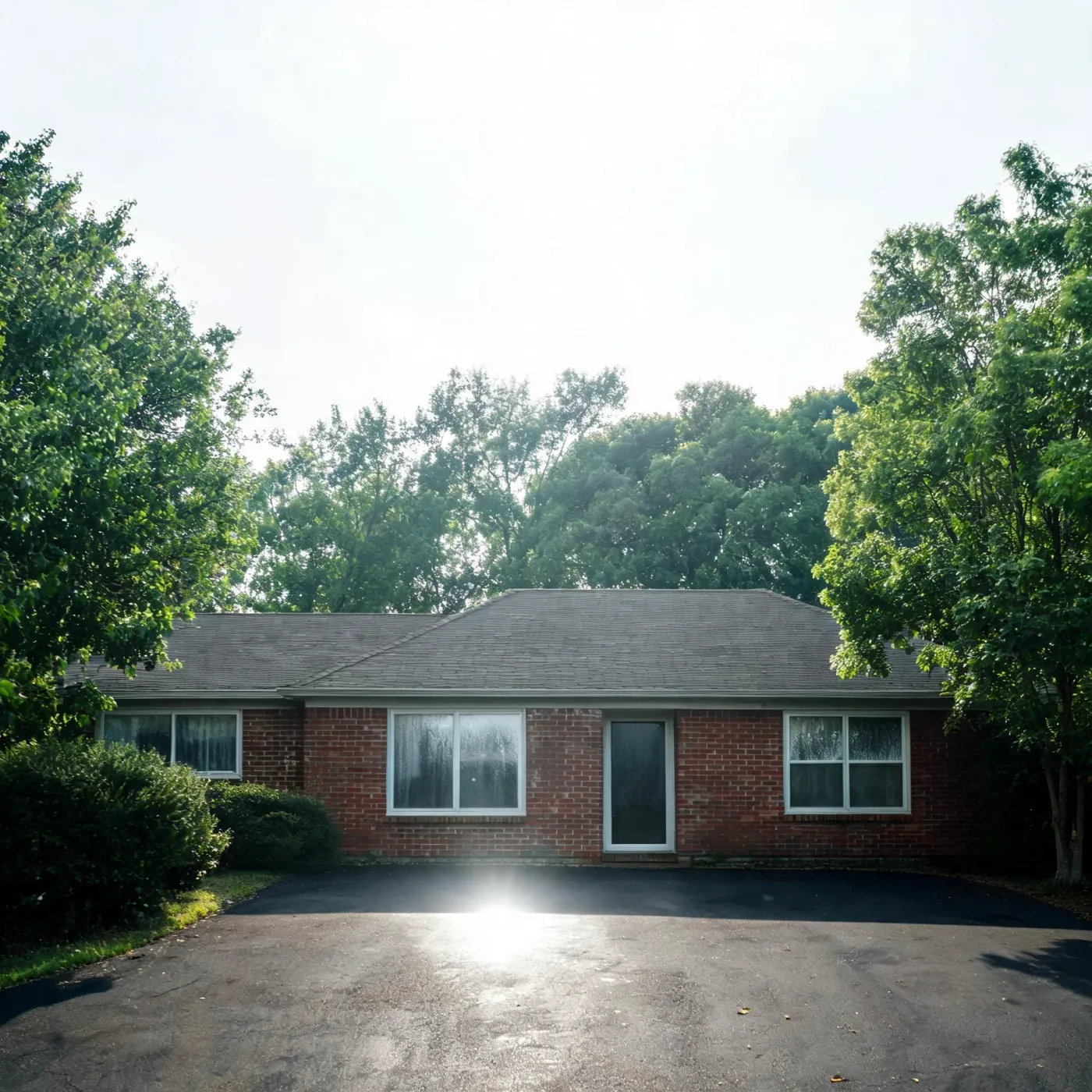
Single-story red brick house with a gray shingled roof, white-framed windows and a glass front door, fronted by a large asphalt driveway with sun glare, surrounded by green trees and shrubs.

Summer dew points in Louisiana average 73°F across June, July and August, according to NOAA. That is the kind of air where the dew point sits close to the temperature itself, so the air stays heavy even after the thermostat says the house has cooled. Your air conditioner has to pull that moisture out before the rooms feel dry, not just cold. On a day like that, you might hold your set temperature and still feel damp near the windows or by the floor, and the system keeps running to catch up with the moisture long after it hit the number you set.

NASA POWER T2MDEW county cells weighted by homes

Why does my house feel sticky even at 72?

You set the thermostat where you always do, and the air handler is running, but the house still feels damp. Floors feel cool but not dry. Sheets feel clammy. A mirror in the bathroom stays fogged longer than it should after a shower. That's moisture the system isn't pulling out, not a temperature problem. If the unit is also running long stretches without the house catching up, or cycling on and off more than it used to, that's added wear on the compressor and the start components. Left alone through a full Louisiana summer, that strain is what turns into a repair bill or a system that doesn't make it to next year.

A gray outdoor air conditioner condenser unit on a concrete pad beside a house with horizontal lap siding, with a flowering shrub at left and a disconnect box with conduit on the wall at right.

Holding steady

This condenser sits clean on its pad, lines wrapped, disconnect box sealed up tight. Nothing crowds the unit, so air moves through the coil the way it should. A unit like this holds whatever setting you give it without long runtimes fighting Louisiana humidity.

An outdoor air conditioner condenser unit on a concrete pad beside a house with light horizontal vinyl siding, surrounded by bare dirt, gravel and dry leaves, with refrigerant lines and conduit running along the wall.

Fighting for every degree

Leaves and dirt have piled up around the base here, and the lines along the wall show their age. A condenser in this shape struggles to pull heat out of the house, so it runs longer to hold the same number on the thermostat, and the humidity wins more often than it should.

Power costs 12.52 cents per kilowatt-hour statewide

At 12.52 cents a kilowatt-hour, running your AC a few degrees lower doesn't hit your bill the way it would somewhere like California or Hawaii. That gives you room to find a setting that keeps the house comfortable through a Louisiana summer without watching every degree.

EIA-861 2025 statewide residential average

A setting in the high 70s, held steady, is about as good as it gets against Louisiana humidity. Push it lower and you're asking the coil to fight moisture it can't always win against, and the bill moves before the comfort does. If your house still feels damp at the number you've chosen, or the unit runs long stretches without catching up, that's not something a thermostat setting fixes. It points to the equipment itself, and a maintenance visit is how you find out whether the coil, the airflow, or something else is behind it. Once you send the form, you're done hunting for who to call. A contractor who covers your area gets your information and reaches out, and from there it's their job to sort out what your system needs. You've already done the part that matters: paying attention to how your house actually feels instead of guessing at a number.

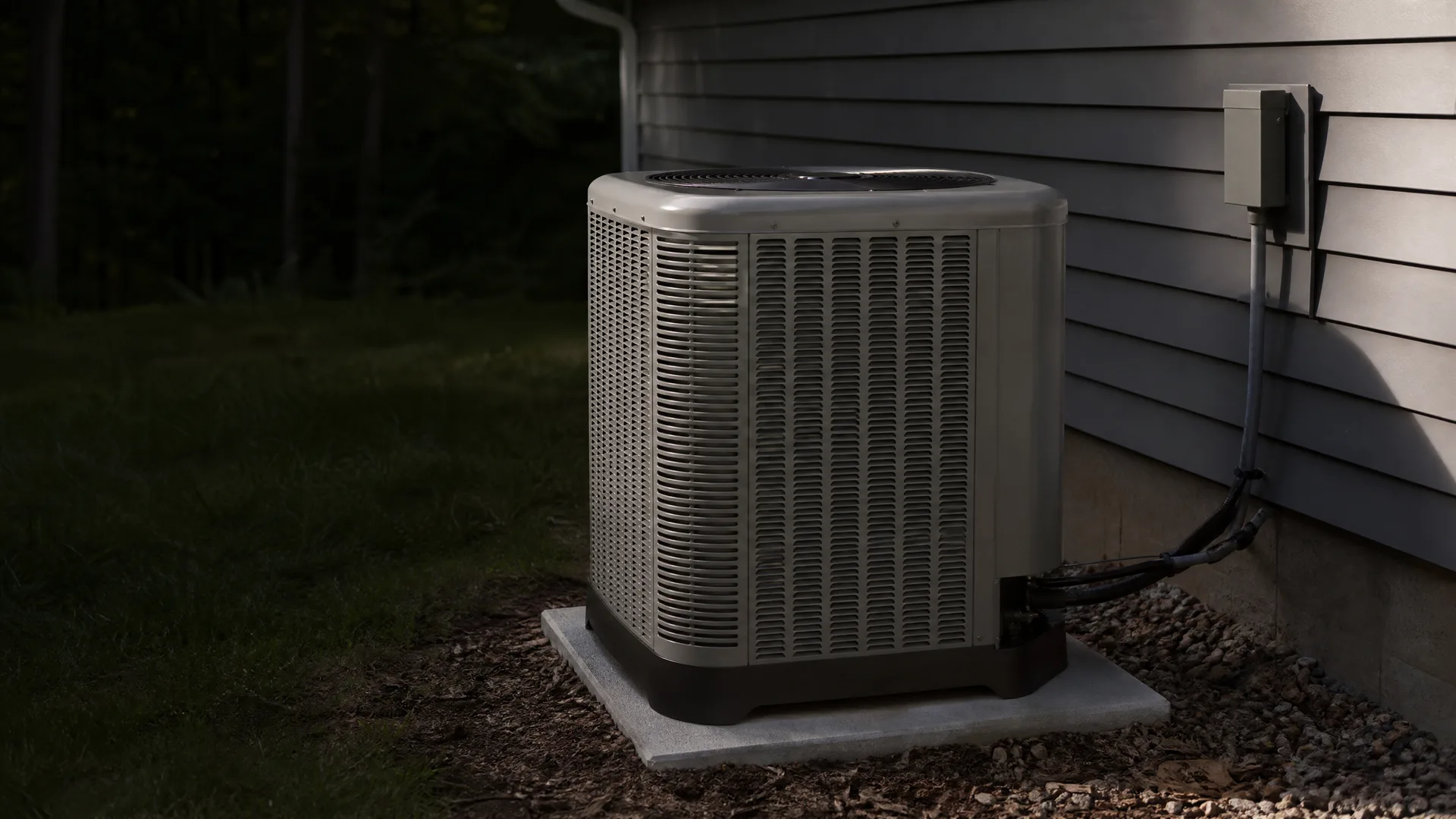
An outdoor air conditioning condenser unit sits on a concrete pad beside a house with horizontal lap siding, with a wall-mounted disconnect box and refrigerant lines entering the wall, gravel and grass around it and dark trees behind.

A pro who works on air conditioners

Tune-up, service, or cleaningCentral ACLouisiana
Step 1 of 2

What ZIP code is the job in?