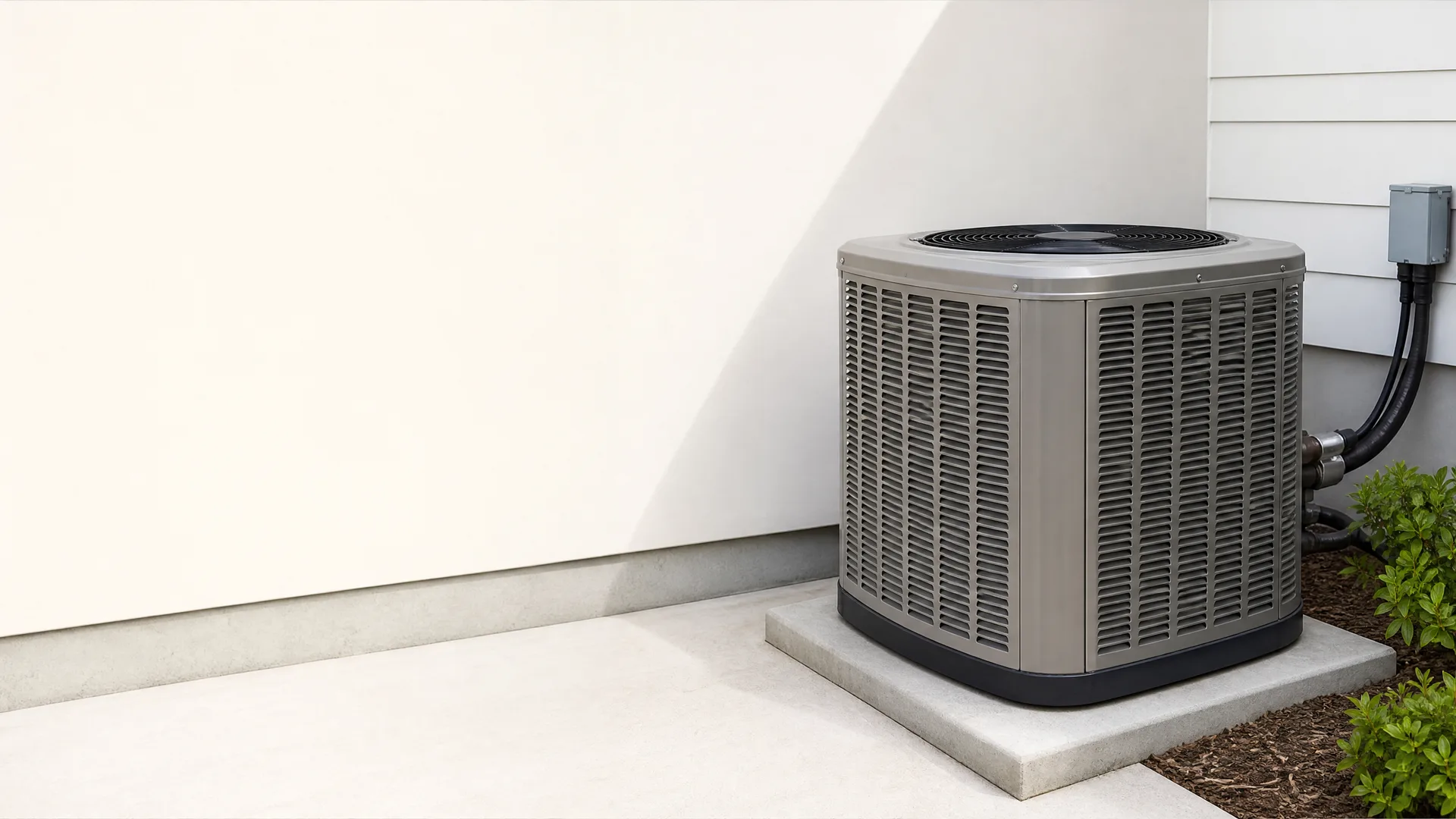







AC can't keep up on hot days in Baton Rouge, LA

Get my match

By mid-afternoon in July or August, your AC is running flat out and the house still isn't cooling down. In Baton Rouge humidity, a system that's low on charge or struggling with a dirty coil can run for hours and lose ground instead of gaining it. That's a real problem, not just an inconvenience, when the heat index sits where it does here for months at a stretch. Finding someone to look at it usually means searching, calling a few companies, explaining the same thing more than once, then waiting to see who actually calls back. You can skip that part. Answer a few questions about your system and your house, and a contractor who works on AC units like yours in East Baton Rouge Parish gets in touch with you directly. No more sorting through quotes or chasing down callbacks yourself. You still get to ask your questions and decide what makes sense, but the legwork of finding someone qualified is done.

Why can't my AC keep up when it's really hot outside?

Your AC runs all afternoon in the Baton Rouge heat and the house still feels warm by the time anyone sits down for dinner. You check the thermostat, it's set right, the unit is running, but the temperature won't drop. It's worth knowing what actually causes this before you decide whether it's a quick fix or something more.

Your AC is undersized for the heat and humidity, or it isn't running at full capacity

A properly working air conditioner cools against a design temperature, and Baton Rouge summers push well past what a lot of systems were sized for decades ago. When the air outside is both hot and heavy with moisture, your AC has to pull out more moisture before the house even starts to feel cooler, and that takes time and capacity it may not have. If the system is also running low on refrigerant or pulling air through a dirty coil, it loses even more of that capacity. Either way, the result looks the same from inside the house: the unit runs for hours, the air coming out of the vents feels cool enough, but the thermostat barely moves. That gap between running and actually cooling is the sign something needs a look.

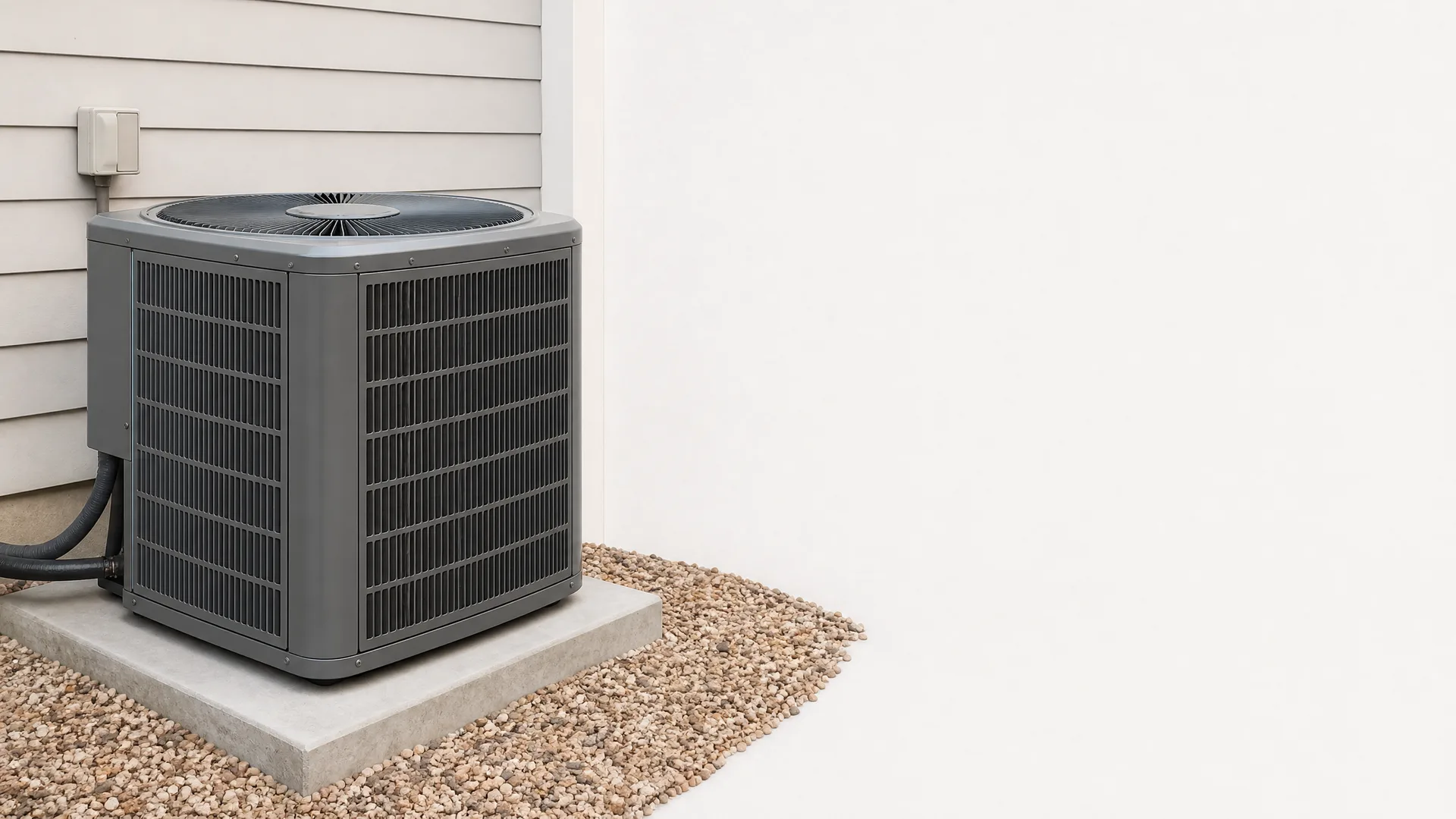
A gray outdoor air conditioner condenser unit on a concrete pad beside a house with horizontal siding, surrounded by gravel, with a plain light wall at right.

Humidity makes the heat worse

A thermostat set to 75 can still feel wrong when the air is thick with moisture. Your AC has two jobs on a Baton Rouge afternoon: pull heat out of the air and pull the water vapor out too. If the coil is dirty or the refrigerant charge is low, it can only manage one of those, and the house feels damp and warm even while the system runs.

An outdoor air conditioning condenser unit on a concrete pad beside a light-colored stucco and siding wall, with a conduit disconnect box and a green shrub to the right.

Undersized systems lose ground fast

Some homes here have an AC sized for a cooler, drier climate than this one, or sized for a house before an addition went in. On a 95 degree day with high humidity, a unit that is too small for the space runs continuously and still can't pull the indoor temperature down. It is working the whole time. It is just not enough unit for the load.

A woman in a cream cardigan and jeans stands with one hand raised facing an open front door of a gray horizontal-siding house, with a black lantern wall light, a potted shrub with yellow flowers, and a stone-faced porch column.

What a long afternoon like this does to your house

By evening the upstairs bedrooms are warmer than the thermostat says, and whoever's up there knows it before you do. A system that runs for hours without catching up isn't resting between cycles, and that's when a weak part gives out instead of just wearing slow. You end up with a breaker that trips at the worst time or a unit that finally quits on the hottest day of the week.

Running a struggling AC flat out all afternoon also shows up on the power bill, even with East Baton Rouge Parish's cheap electricity working in your favor. None of that tells you which part is the problem or whether it's worth fixing versus replacing, and most people don't want to call around East Baton Rouge Parish getting quotes and explaining the same thing three times over. Answer a few questions about what your system is doing and you'll be matched with a contractor who already knows the situation before they call you.

A dark ceramic vase holding a leafy green branch sits on a round wooden table, with a blurred cushioned wooden armchair, woven basket, window and shelving with pottery in the background.
A woman with long dark hair in a gray knit sweater sits on a gray sofa with a cushion, looking toward a window in a living room with framed pictures and a lamp in the background.
A woman with dark hair in a bun, wearing a light linen shirt, sits on a sofa and looks to the side, with a window, houseplants and a kitchen with pendant lights blurred behind her.
A woman with long blonde hair in a light blue shirt leans back on a beige sofa with her eyes closed, in a softly lit living room with cushions and a blurred plant and shelf in the background.
A woman with long dark hair in a light grey knit sweater sits on a sofa indoors, looking to her right, with a framed landscape picture, a potted plant and a curtained window behind her.

Get matched with an air conditioner pro in East Baton Rouge Parish

A system that runs all afternoon and still can't hold 75 isn't going to fix itself by evening, and running it harder won't either. It might be low on refrigerant, it might have a coil that's been dirty for months, it might be sized wrong for what this house needs on a 95 degree day. You can't tell which from the thermostat, and guessing wrong means another summer of the same afternoons. Finding someone who can actually look at the unit usually means calling a few places, explaining the same thing each time, waiting on quotes that may or may not come back. That's its own chore on top of the one you already have. Hand this one off. Someone who works on systems like yours in this heat, every summer, can tell you in person what the thermostat can't.

Call now or wait it out

Right now, in the middle of a stretch that's running the system all afternoon, a contractor can check the charge, clean the coil, and tell you straight whether the unit is just dirty or actually failing. You get an answer the same week instead of guessing through another string of 95 degree days. The downside is cost you weren't planning on, and if the problem turns out to be the size of the unit against the size of the house, a repair visit won't solve that part of it. Either way you stop losing ground on the hottest part of the day while you decide what else needs to happen.

Riding it out until fall

Winters in Baton Rouge are mild, so if the house is merely uncomfortable rather than dangerously hot, some people wait out August and let the system limp along until the weather breaks. That costs nothing up front and avoids a repair bill during the month money is already tight from running the AC constantly. But a system that's losing ground in July usually isn't fixing itself by September, and a refrigerant leak or a worn part tends to get worse, not better, the longer it runs under strain. Waiting can turn a coil cleaning into a compressor replacement, and it means more afternoons where the upstairs rooms stay warm no matter what the thermostat says.

Cooling runs April through October

Seven months of that is a lot of hours on one unit, more than most parts of the country ask of a system. Nothing gets a real break between April and October, so a coil that's falling behind or a charge that's slipping low shows up fast on the days you notice most.

NOAA nClimDiv 1991-2020

A gray outdoor air conditioning condenser unit on a concrete pad beside a house with horizontal vinyl siding, a brick foundation, downspout, electrical disconnect box, mulch bed and a green shrub.

Running the way it should

This is what a working system looks like from the yard. The condenser sits clear of the mulch and the shrub next to it, pulling air through fins that are still open, and the disconnect box on the wall is there for a contractor to shut it down safely when it needs work. Nothing here explains an afternoon that won't cool down.


An outdoor air conditioning condenser unit with a dirty mesh coil guard sits on a concrete pad beside a house with horizontal lap siding, a wall vent, and conduit running to an electrical disconnect box.

What's choking this one

Dirt packed into the grille and fins is doing this. The condenser fan pushes heat out through those fins, and caked-on debris holds the heat against the coil instead of letting it go. On a Baton Rouge afternoon that's already fighting humidity, a unit working through this keeps running and keeps losing ground.

An outdoor air conditioning condenser unit on a concrete pad beside a house with light blue horizontal siding, with a shrub to the left and a conduit and disconnect box on the wall to the right.
Before you get your air conditioner repair
An outdoor air conditioning condenser unit on a concrete pad beside a house with horizontal lap siding, with a gray electrical disconnect box and conduit on the wall, mulch bed and shrub to the right, and mown grass in the foreground.
After you get your air conditioner repair
  1. Heat and humidity from indoor air pass over the evaporator coil inside.

  2. Refrigerant inside that coil absorbs the heat and changes to a gas.

  3. The compressor outside pumps that gas through the system under pressure.

  4. The condenser coil outside releases the collected heat to the outdoor air.

A gray outdoor air conditioning condenser unit on a concrete pad beside a house with horizontal siding and a stone veneer base, with refrigerant line and electrical disconnect box on the wall and flowering shrubs to the left.
A clean condenser with open fins moves heat outside the way it's supposed to, even at 95 degrees.
An outdoor air conditioner condenser unit on a concrete pad beside a house with light gray horizontal siding, with mulch and green shrubs on either side and a concrete walkway in the foreground.
Fins packed with dirt and grime on an aging unit can't shed heat fast enough to keep up on the hottest days.
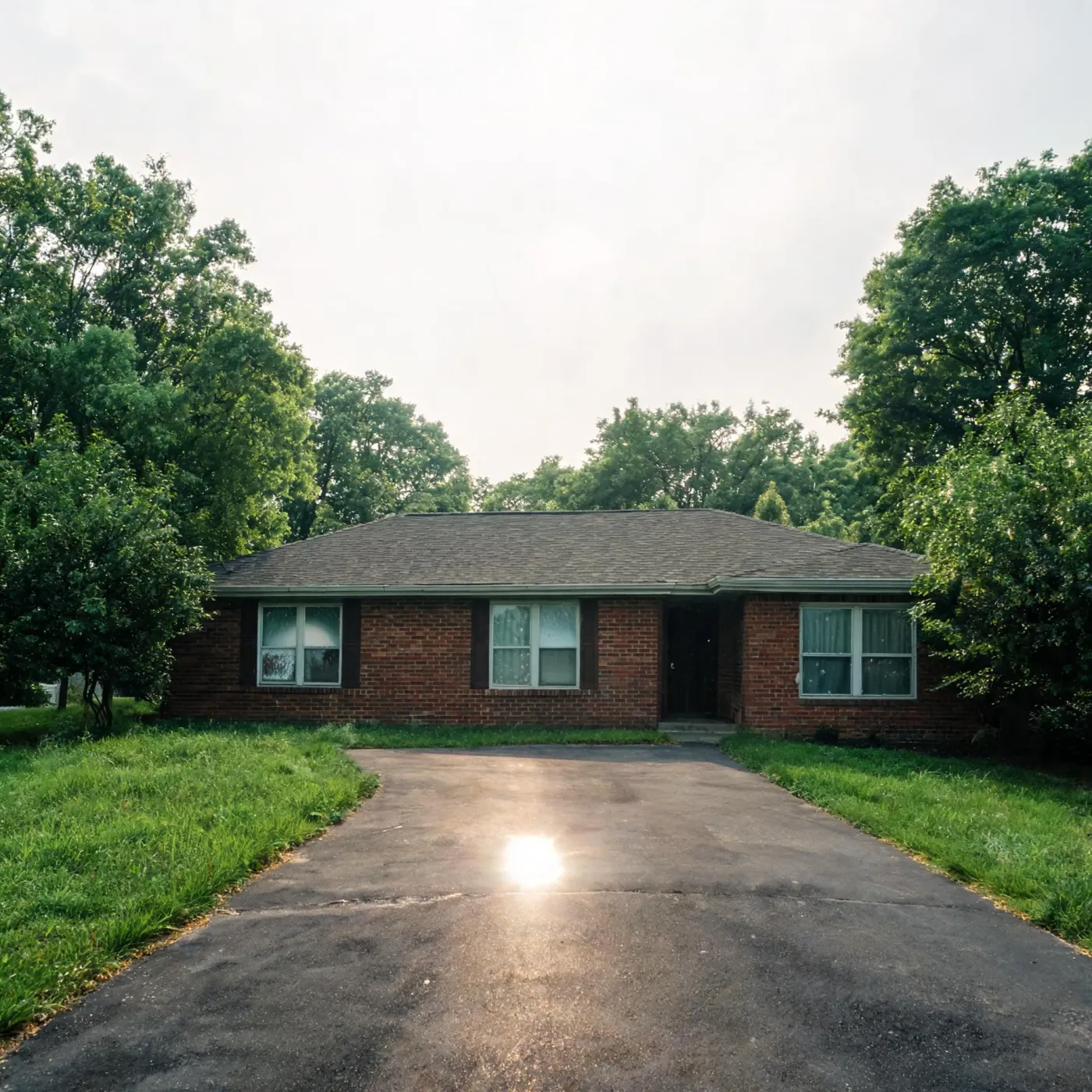
A single-story brick ranch house with a shingled hip roof and dark front door, fronted by a wide asphalt driveway with sun glare, flanked by grass and leafy trees under a pale overcast sky.

That stickiness in the air isn't your imagination. Summer dew points here average 73°F, according to NOAA climate data for East Baton Rouge Parish, and anything above 65 feels heavy to most people. Air that wet carries a lot more heat for your AC to remove before the house feels dry and cool, not just cold. That's why the thermostat can read 75 and the room still feels sticky. The coil inside has to pull moisture out of the air as well as heat, and when it's dirty or the refrigerant charge is off, moisture removal is usually the first thing to slip, well before the temperature itself climbs.

NASA POWER T2MDEW

Why does the upstairs stay hot no matter what you set it to

You've probably noticed it's not every room, it's the ones farthest from the unit or upstairs where heat collects. The air coming out of the vents feels weaker than it used to, not cold so much as just moving. The system cycles on, runs a long stretch, cycles off for a few minutes, then starts right back up. Anyone napping or working up there in the afternoon is the first to feel it, before the thermostat downstairs even shows a problem. Left alone through a full summer, a unit working this hard doesn't just make the house less comfortable. It's putting more hours on a compressor that's already struggling, and that wear doesn't reverse itself once October comes.

An older woman with gray hair in a cream cable-knit sweater stands in a kitchen behind a round loaf of bread on a wooden board, with a window and shelves in the background.
A woman with her hair in a bun sits on a couch with a sleeping child resting against her, both wrapped in a cream knit blanket, with a lit floor lamp, houseplant and dark window behind them.

A system that can't hold 75 on a hot afternoon has a reason, and it's one a contractor can find and name. Low charge, a dirty coil, a unit sized wrong for this house, these are things to check, not things to guess at. You don't have to spend the next week calling around, explaining the same problem to three different companies, and sorting through quotes that don't tell you much. You get matched with a contractor who handles this kind of call and they reach out to you. Whatever's behind the long afternoons and the warm upstairs bedrooms, it gets looked at by someone who can actually open the unit up and check. The house staying warm through dinner isn't something you have to live with until it breaks for good. It's something with an answer, and finding it doesn't have to be the hard part.

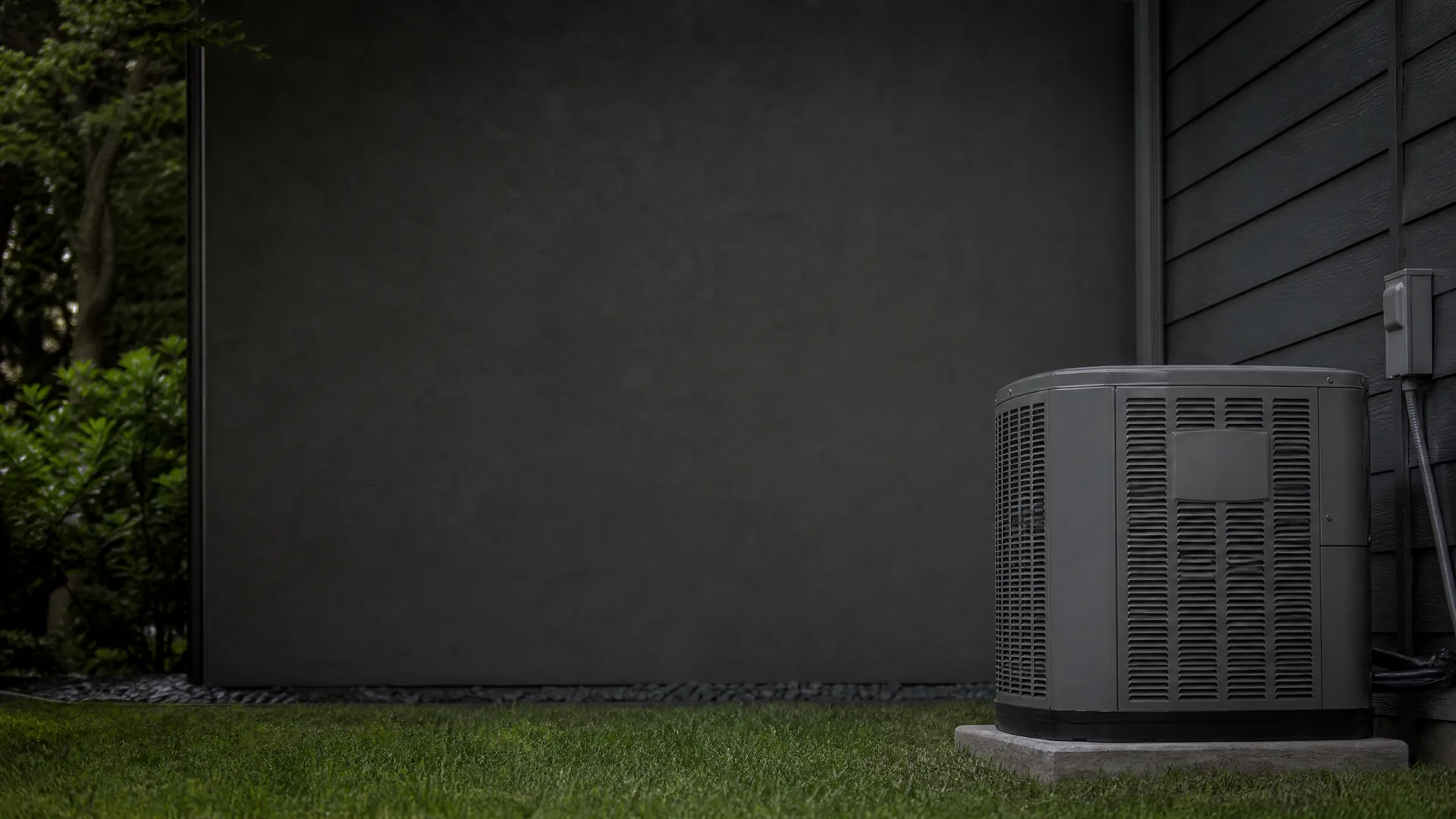
An outdoor air conditioner condenser unit sits on a concrete pad beside a house with horizontal lap siding and an electrical disconnect box, next to a large stucco wall, with lawn, gravel edging and shrubs in the foreground.

Find an air conditioner repair pro in East Baton Rouge Parish

Skip calling shops to ask who repairs air conditioners in East Baton Rouge Parish.

RepairCentral ACEast Baton Rouge Parish, LA
Step 1 of 2

What ZIP code is the job in?