
How to keep your AC running in a Louisiana heat wave
How do I keep my AC running during a Louisiana heat wave?
When the heat sits in the high 90s and doesn't break overnight, your AC runs almost nonstop for days. That's exactly when a weak system gives out, usually in the afternoon when you need it most. You want to know what actually keeps it going when it matters, not a general tune-up checklist.
Change the filter and give the outdoor unit room to breathe
A clogged filter is the most common reason an AC struggles during a heat wave. When air can't move through it, the system runs longer to cool the same space and the coil inside can ice over, which stops cooling altogether. Check it before the heat sets in, and swap it if you can't see light through it. Outside, clear anything within two feet of the condenser unit, grass clippings, leaves, a stray hose. That unit has to dump heat into air that's already near 95 degrees, and anything blocking it makes the compressor work harder for less result. These two things cost you nothing and keep the system running during the hours you need it most.
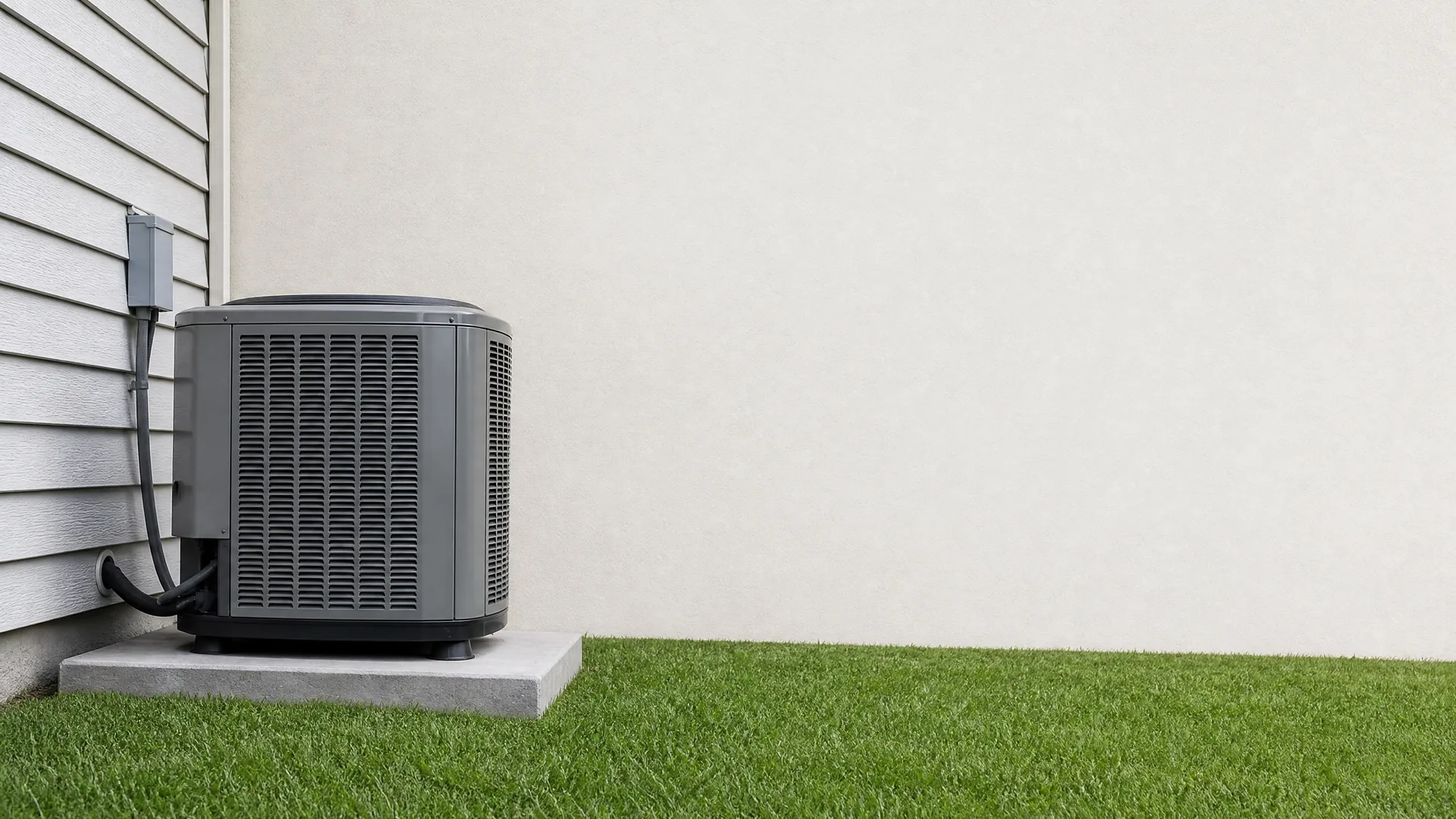
Why the outdoor unit struggles most
Your condenser sits outside, pushing heat from inside the house into air that's already in the high 90s. The hotter that air gets, the harder the system works to dump heat into it. A dirty condenser coil or a fan motor losing strength can't keep pace once the temperature climbs and stays there. That's why breakdowns cluster on the worst afternoons of a heat wave instead of spreading out evenly across the summer.
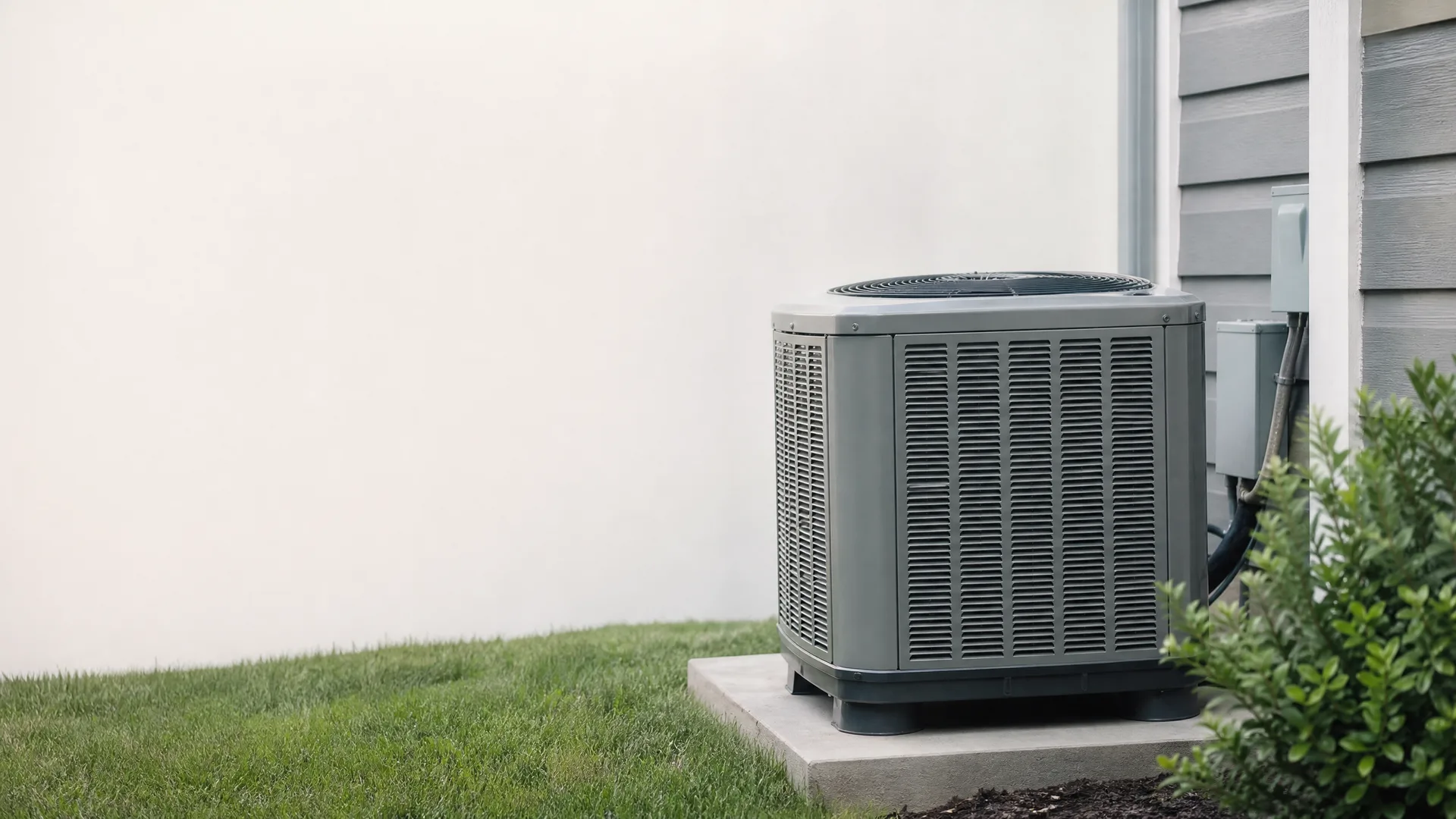
What a low refrigerant charge does
An AC low on refrigerant can't absorb heat the way it should, so it runs longer to reach the same temperature, or never gets there. During a stretch of 95 and 100 degree days, that shows up as a system running around the clock without the house cooling down. Louisiana's humidity makes this worse, since the system is also pulling moisture out of the air, and a low charge slows that process along with the cooling itself.

What a heat wave costs a weak system
A few days of hard running shows up on your power bill, even with cheap electricity. But the bigger cost is what happens if the system quits outright. A house in Louisiana in August without AC gets hard to live in within hours, not days. If anyone in the house is older or has a health condition, that matters more than the bill ever will.
A system that's been checked before the heat sets in has a better shot at making it through. One that hasn't is a guess every time the temperature climbs. If you don't know when your AC was last looked at, that's worth finding out before the next stretch of heat, not during it. Getting matched with a contractor who knows this kind of weather means you're not the one scrambling to find help while half the parish is calling around too.





Is your AC showing signs of strain right now
Run your hand over the vents. If the air feels less cold than it did last week, or the house takes longer to cool back down after the front door's been open, the system is losing ground. Listen for the outdoor unit working harder than usual, a longer run, a labored hum, short cycles where it shuts off and kicks back on within minutes. Check if it's icing up anywhere on the lines. A system that's falling behind in a heat wave doesn't always fail all at once. It struggles for a day or two first, running longer to hold the same temperature, before something gives out and you're without cooling in the part of summer you need it most.
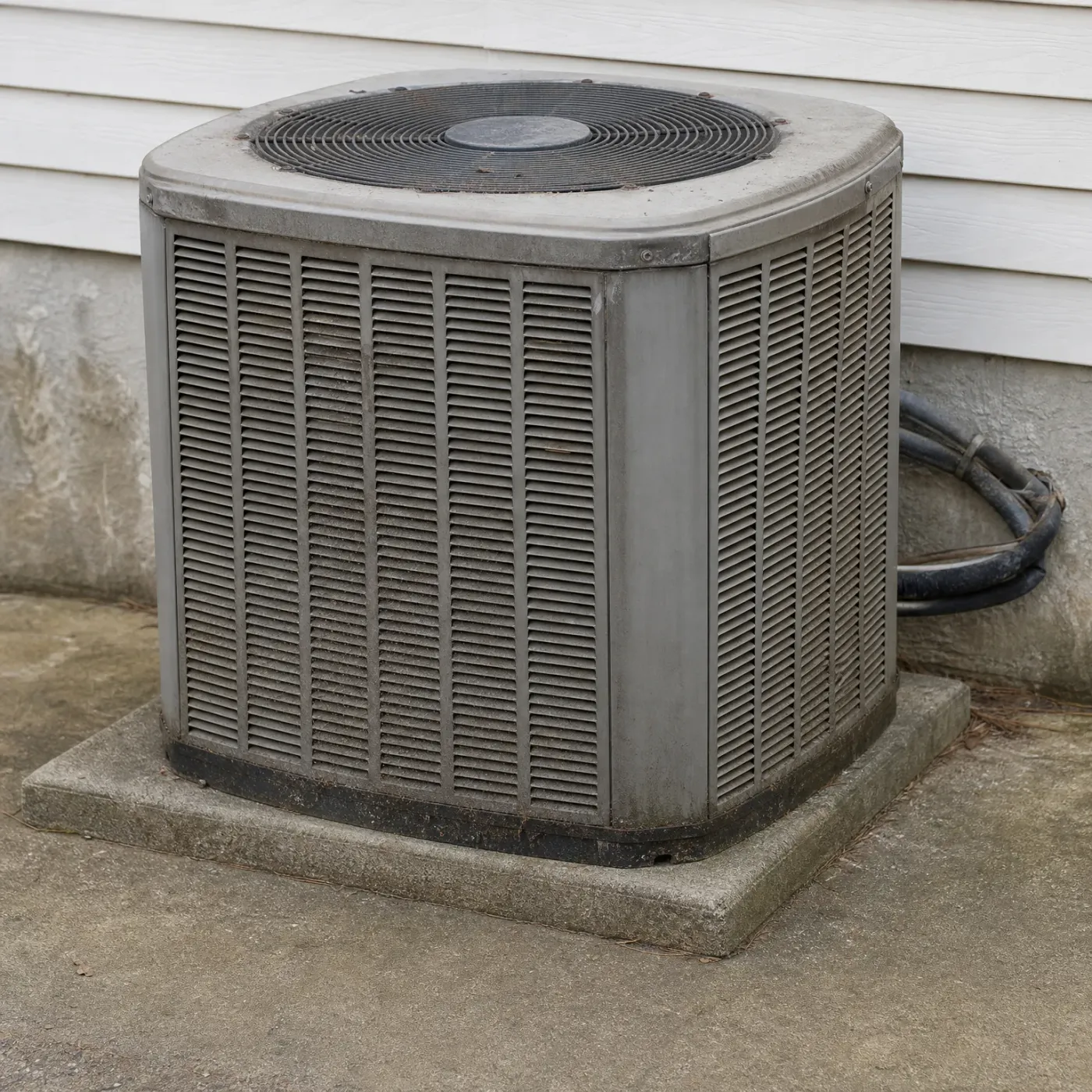
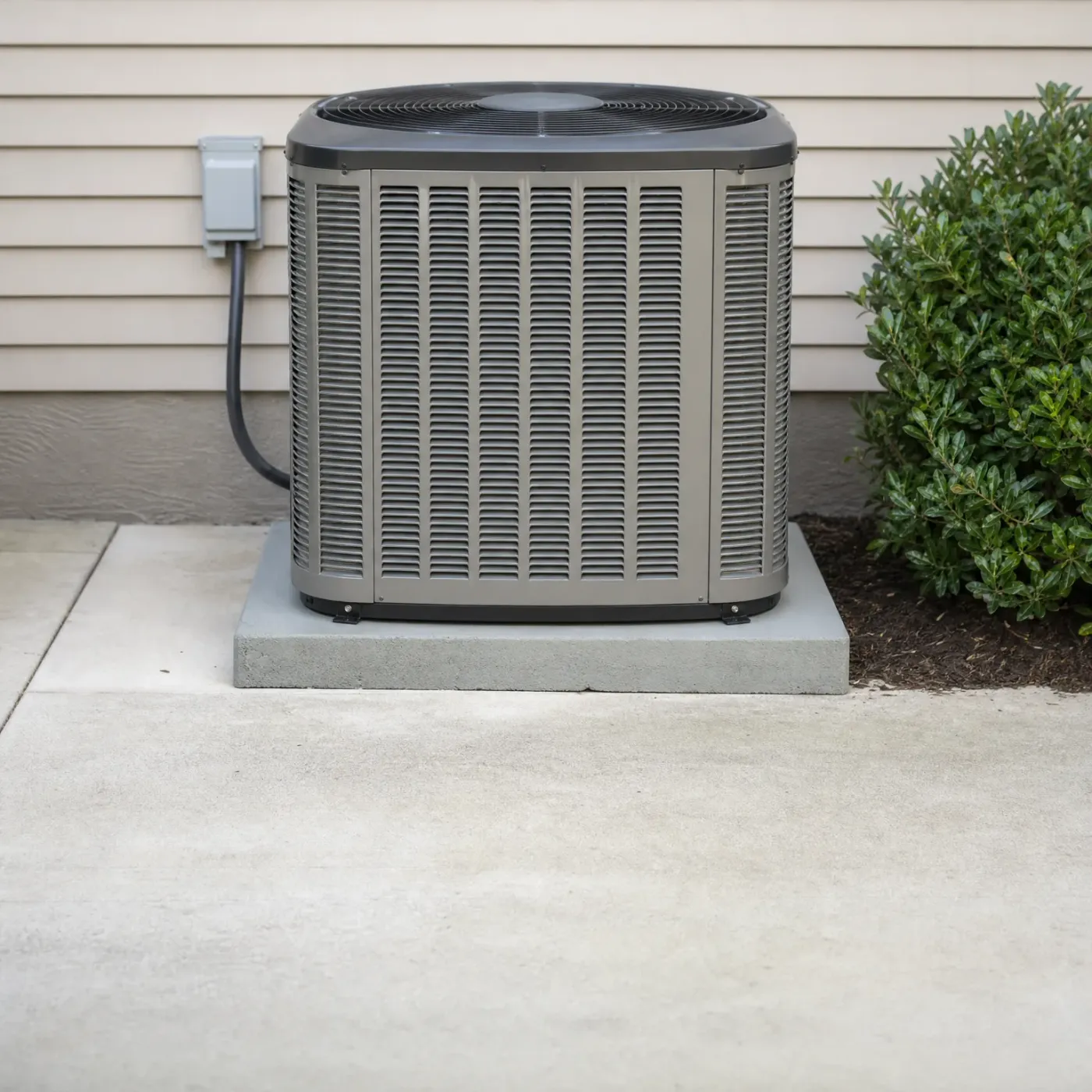
A system that's never been serviced is already running close to its limit before the heat wave even starts. It has less room left to give when the temperature climbs and stays there for days.
A system that's had the coils cleaned and the refrigerant checked has that room. It can take the extra strain of a week in the high 90s without being the week it quits.




The dew point in Louisiana averages 73°F across June, July and August, according to NOAA climate data. That's the number behind why the air feels heavy enough to sit on. A dew point that high means the air outside is already carrying most of the moisture it can hold, so your AC has to pull that moisture out before the house ever feels dry or cool. Your system is doing two jobs at once, cooling the air and wringing the water out of it, and the second job doesn't let up just because the thermostat hits its number. You'll notice it as a house that feels sticky even when the temperature reads fine, or a system that keeps running well after it should have shut off. That's extra strain on top of the heat itself, and it's where a weak system starts to fall behind.
NASA POWER T2MDEW county cells weighted by homes
Matched to your air conditioner job

Send the form, and lining up the air conditioner tune-up stops being yours to chase.
You only hire the pro if you want to.
How your AC actually works
- Refrigerant runs in a closed loop, so a system low on charge is losing it through a leak somewhere in the lines.
- The indoor coil absorbs heat from the air in your house, and the outdoor coil has to release that same heat outside.
- A thermostat sensor that drifts out of calibration can cycle the compressor on and off more than the house actually needs.
- The compressor is the part doing the hardest work, and it's also the most expensive part to replace if it fails.
- Airflow across the indoor coil depends on a clean filter and a blower wheel free of dust buildup.
- A capacitor that's weakening gives the compressor a hard start each cycle, long before it fails completely.
Your system moves heat, it doesn't make cold. Refrigerant carries heat from inside your house to outside, cycling through the indoor coil and the outdoor coil in a closed loop. If the charge is low, it's not used up, it's leaking out somewhere in the lines, and a low charge makes the compressor work harder to move the same amount of heat. That compressor is the part under the most strain, and it costs more to replace than anything else in the system. A weak capacitor makes the compressor's job harder still, forcing a rough start on every single cycle, sometimes for months before the compressor finally gives out. None of this works if air isn't moving. A dirty filter or a blower wheel caked in dust cuts down the airflow across the indoor coil, so the coil can't pull heat out of the air the way it's supposed to. The thermostat sensor plays a part too. When it drifts out of calibration, it reads the room wrong and cycles the compressor on and off more than the house actually needs, and every extra start is more wear on the parts that are already working hardest. In a heat wave, there's no slack left in any of this. A system with a little refrigerant loss, a little dust on the blower wheel, and a capacitor starting to go has three small problems stacking into one big one right when the outdoor air is hottest and the house needs it most.
Power costs 12.52 cents per kilowatt-hour statewide
At 12.52 cents a kilowatt-hour, running your AC hard through a heat wave won't wreck your bill the way it would in a lot of other states. That's worth knowing before you ever think about turning the thermostat up to save money. A weak system still fails the same way here, cheap power or not.
EIA-861 2025 statewide residential average
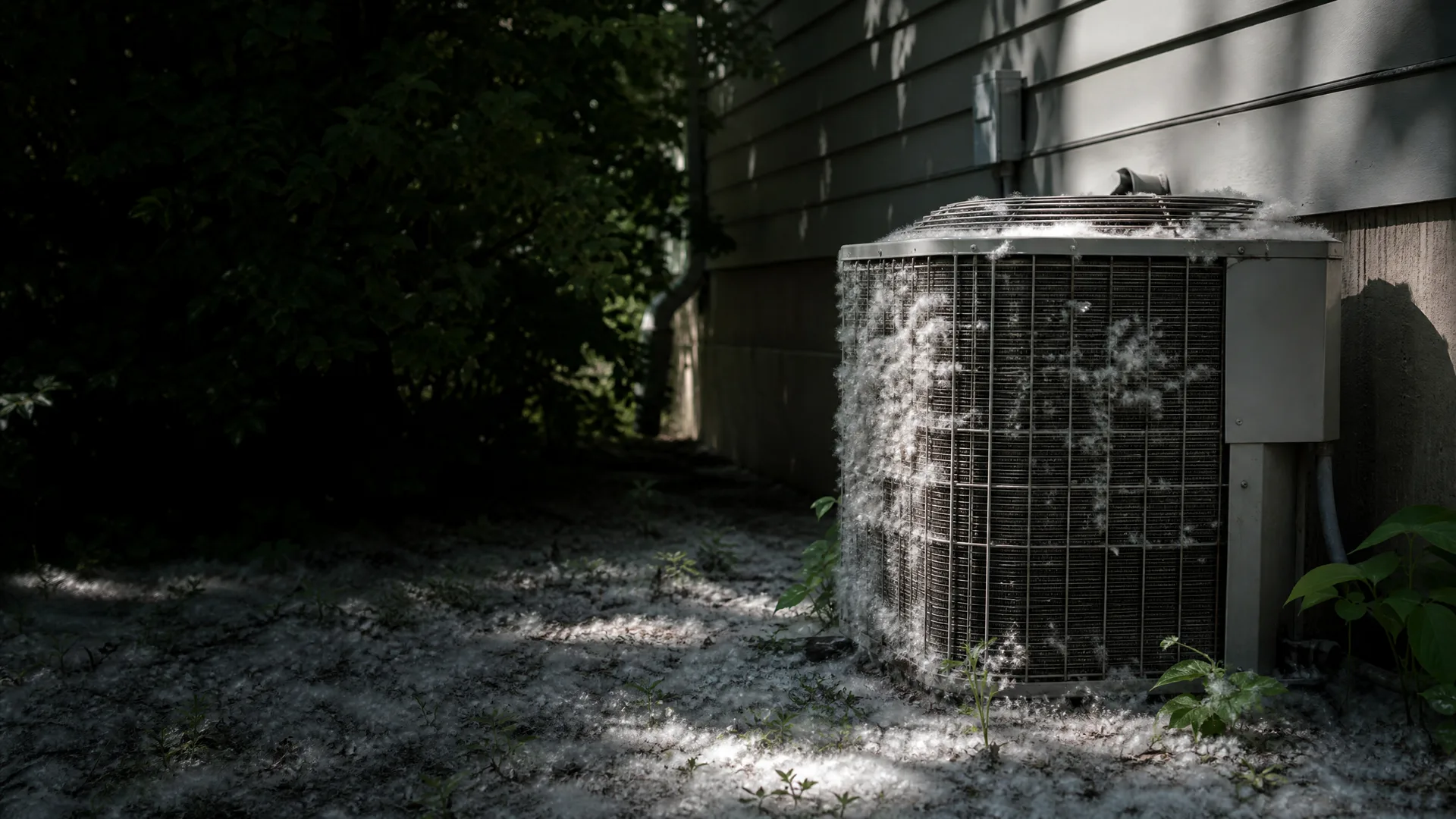
It's late spring, early evening, the light still holding gold over the side yard. You walk out to check the condenser and stop. The fins are packed white with cottonwood fluff, thick enough to cover the metal like a layer of snow that won't melt. You crouch down and the unit's humming, but the airflow coming off the top feels weak, barely a push. The fluff's caught in the grille, wedged between the fins where your hand can't reach it. Somewhere down the street another cottonwood is still shedding. You think about getting the hose, then remember the fins bend if you're not careful, and straighten up instead, leaving it for someone who knows how to do it without tearing the coil.
A Louisiana heat wave finds every weak spot a system has, and it finds it fast. The AC that's never been serviced is the one that quits in the afternoon, in August, with nowhere cool to send you. Maintenance before the heat sets in is what keeps the coils clear, the charge correct, and the system able to keep up when the temperature sits in the high 90s for days running. You don't have to figure out on your own whether your system is ready for that. Once you send the request, the work of finding someone who services air conditioners in your area isn't yours to carry anymore. Someone who knows the equipment takes it from there and reaches out to you directly. That's one less thing sitting on your list while the heat holds on outside.

An air conditioner pro near you
Asking costs nothing, and the choice to hire stays yours.
A heat wave doesn't give a weak system a second chance once it quits. Getting someone out to look at your AC before that happens, instead of after, is what keeps you from spending a 98 degree afternoon waiting on a repair. Send the request and that part's off your plate.