A 2-degree drop can mean an hour of runtime
Pulling moisture out of the air takes far longer than pulling out heat. That's why your AC can run most of the afternoon just to drop the house a couple degrees.
 Start one form
Answer a few questions instead of calling shop after shop.
Your AC in Louisiana runs long hours because the air outside is heavy with moisture, and the unit has to pull that moisture out before the house feels cool. That takes more run time than just dropping the temperature a few degrees. On a muggy afternoon the system can cycle on and off for hours and never fully catch up.
A unit that runs all day isn't always failing. But it's also how a struggling system hides until it quits outright. A weak run capacitor, a dirty coil, a low charge, any of these make the AC work harder and longer to do the same job, and the extra run time is often the only sign you get before it stops cooling altogether.
Since power here is cheap, a lot of homeowners don't notice the cost of all that run time until the unit can't keep up anymore. By then it's not a question of whether to call someone, it's who, and how fast.
That's usually where the real trouble starts. You search, find a handful of names, call one, explain what the system is doing, wait on a callback, call the next one, explain it again. Some don't service your brand. Some can't come out for days. You end up comparing quotes from people who never saw your unit, trying to guess who actually knows what they're doing.
Here, that search is already done. You're matched with one licensed contractor local to your area, someone who works on AC systems through Louisiana summers every year and knows what tends to give out first in this kind of heat and humidity. You explain the problem once, to the person who's actually coming to look at it.
What happens after that, the diagnosis, the repair, is still real work on a real problem. But finding someone qualified to do it isn't something you have to sort out on your own.
Your AC runs long because the air it's pulling in is heavy with water, and the system has to wring that out before the house feels dry and cool. A thermostat only reads temperature, not humidity, so the unit keeps running past the point where the air feels thick even after the number on the wall looks fine. In Louisiana that moisture load doesn't let up from one hour to the next through the summer, so the compressor cycles on again almost as soon as it shuts off. Long run times by themselves don't mean something is wrong. But if the house still feels damp after hours of running, or the system never seems to catch up, that points to something else: low refrigerant, a coil that's dirty, or a system that was sized for a drier climate than this one. Worth having someone look at it before a long run time turns into a system that runs constantly and still can't keep up.


Pulling moisture out of the air takes far longer than pulling out heat. That's why your AC can run most of the afternoon just to drop the house a couple degrees.
A tech who works on units like yours every summer knows what usually gives out first in this heat, so you get a straight answer instead of a round of calls and quotes.





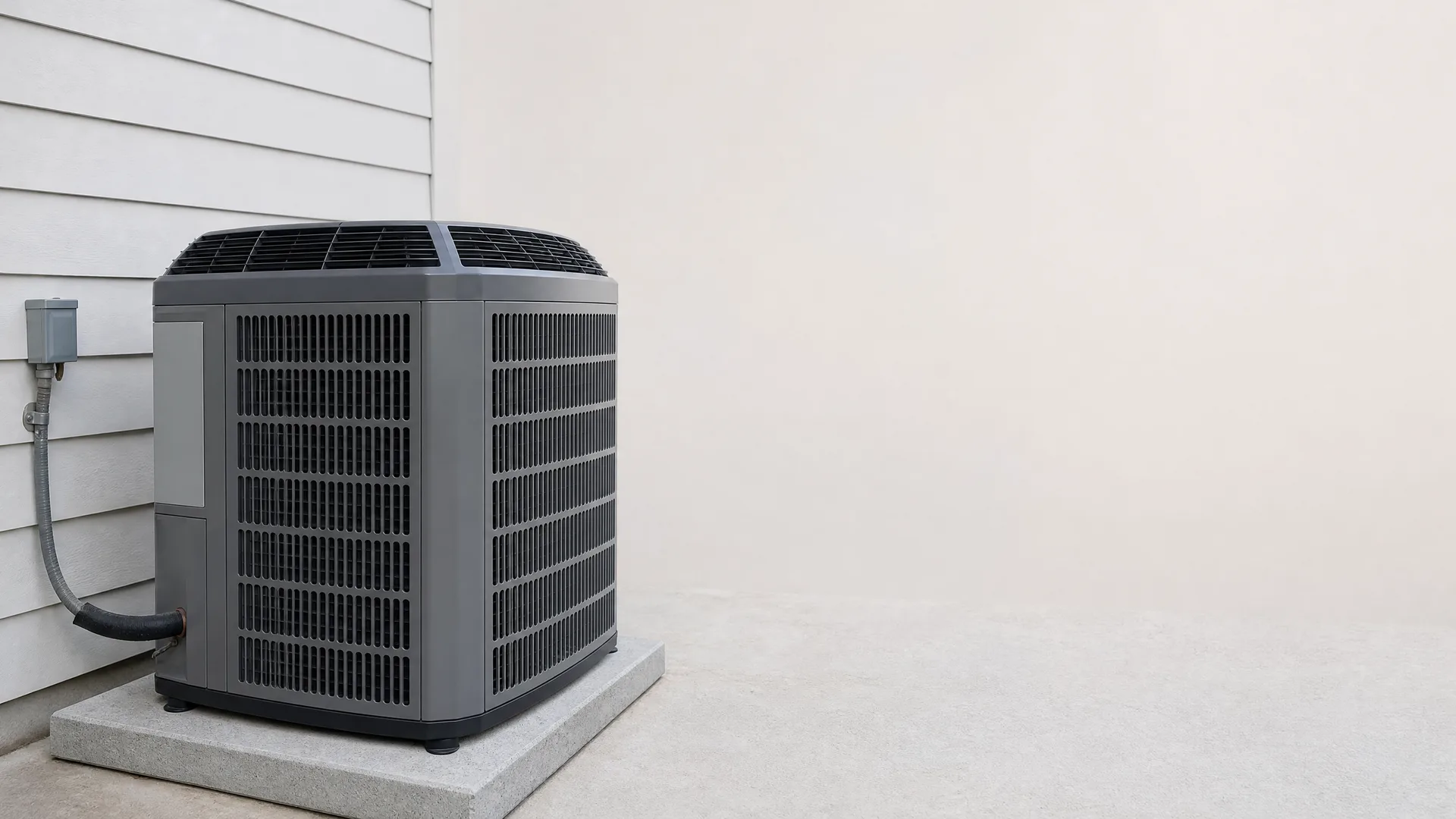
This condenser cycles for hours on a muggy afternoon and still holds the house where you set it. The pad is clean, the fan turns freely, and the disconnect box shows no sign of wear. Long run time by itself isn't a problem here.

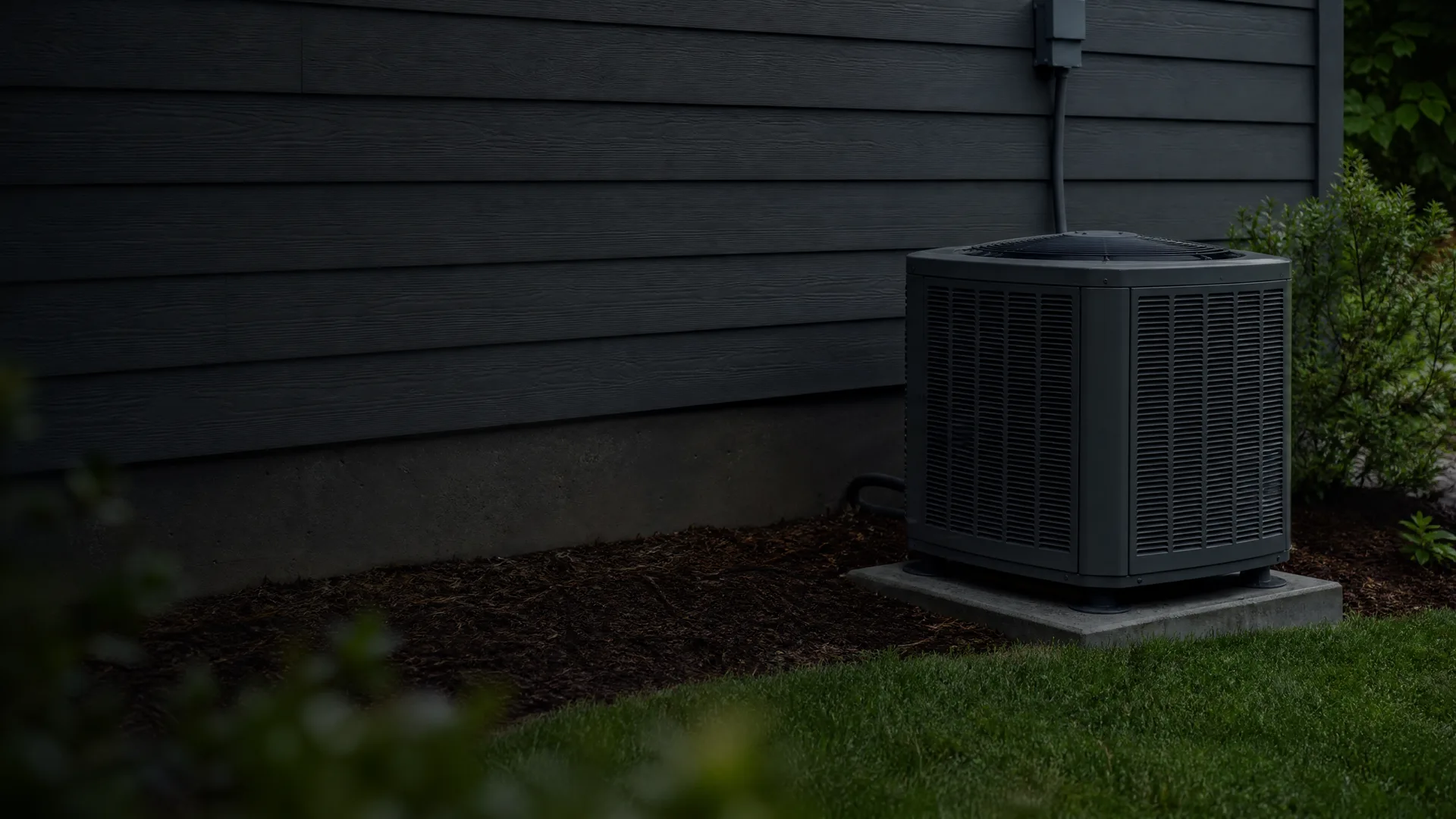
This unit is older and weathered, sitting in a gravel bed where weeds have grown in close around the housing. When a condenser this age runs all day and the house still feels damp, something inside it is working harder than it should. That's worth having a local contractor look at before a hot stretch pushes it past what it can do.

You'll notice it most in the bedrooms at the far end of the house, where the air feels a little heavier even with the vents open. The system is sending most of its effort to the rooms closest to the return, and the rest get what's left over. Run a window unit or a bathroom fan at the same time and you'll see the thermostat hold steady longer than it should, because the AC is competing with warm air coming in somewhere.
None of that means something is wrong. It means the margin is thin, and a system that's already running most of the afternoon has less room to make up for a weak capacitor, a dirty coil, or a low charge. When something does start to slip, you feel it fast here, not in a degree or two but in a house that won't cool down before dinner. Finding someone who works on this equipment in this climate usually means a search, a few calls, and explaining the same thing twice. A licensed local contractor who already knows what fails first in a Louisiana summer skips most of that.

A National Weather Service gauge puts the average summer dew point across Louisiana at 73°F for June, July and August. Anything above 65 feels sticky, so 73 is the kind of air where sweat doesn't dry and shirts stick to your back the second you step outside. Your AC has to wring that water out of the air before the house feels right, not just cool it down, and that's what keeps it running into the evening. If yours is falling behind on a day like that, a local contractor who works on these systems all summer can look at what's slowing it down. That's one call instead of several, and one visit instead of explaining the problem over and over to different companies.
NASA POWER T2MDEW county cells weighted by homes
A long run time on its own isn't proof something's wrong, but once it starts coming with warm rooms at the end of the house, short cycling, or a breaker that trips on the hottest afternoons, you're looking at a repair, not just Louisiana weather. Figuring out which one it is means getting someone to look at the unit, and that part is usually the slow part. Finding a contractor who still takes on repair work mid-summer, calling around to see who can come out this week, explaining the same symptoms three or four times, then sitting with quotes that don't line up because each contractor saw something different. Submit your address here and it goes to one licensed contractor working in your part of Louisiana, someone who's already spent this summer in attics and on condenser pads like yours and knows what tends to give out first when a system runs this hard. No spread of calls from companies you haven't vetted. Just one, looking at your actual system.
You could leave it alone and see if the house catches up by evening. Some days it will. But a system that's struggling won't fix itself, and the next call you make might be after it quits on a hundred-degree afternoon. Then you're searching for a contractor on short notice, explaining the same problem to whoever picks up first, and taking whatever appointment you can get instead of the one that works for you.
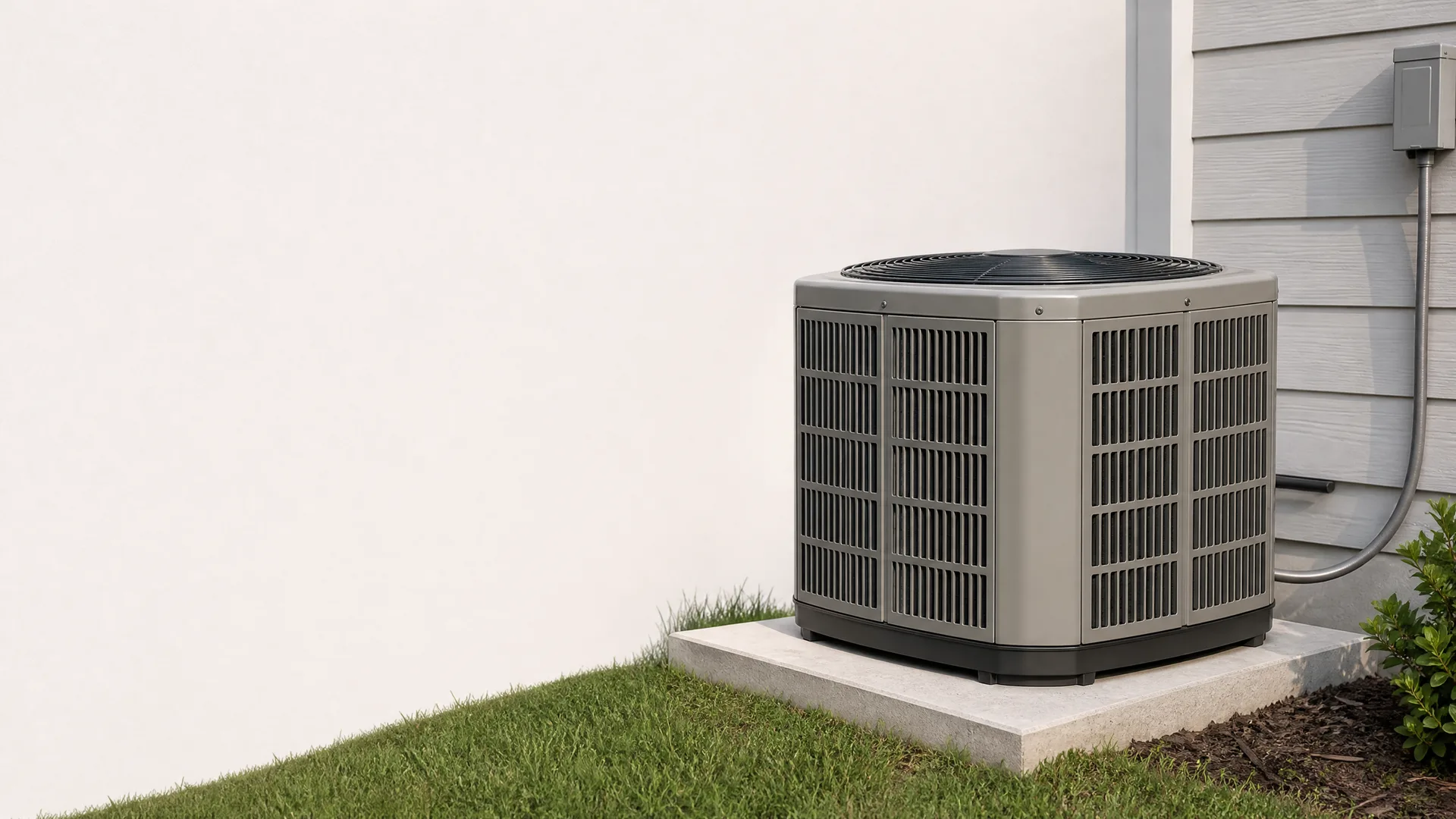
A local contractor who works on these systems all summer can look at your condenser, your airflow, and your thermostat settings and tell you in one visit whether the long run time is normal for this weather or a sign something's failing. You get one company, not a stack of quotes to compare and sort through, and someone who already knows what tends to go wrong on units running this hard in this heat.
You've seen the number for dew point and you know your AC is working hard, but you're still not clear on what's physically happening inside the unit that takes water out of the air. It helps to know the actual process, since it explains why the system needs long, steady runtimes rather than quick bursts to get your house comfortable.
Inside the indoor unit, a coil filled with refrigerant runs cold enough that when humid air passes over it, the water vapor in that air condenses on the coil's surface, the same way a cold glass sweats on a summer afternoon. That water drips into a pan and drains away outside. This only works if the coil stays cold long enough for the air to sit on it and give up its moisture, which is why a short burst of cooling drops the temperature but leaves the air feeling damp. A longer, steady runtime lets more air pass over that coil, and that's what actually pulls the humidity down in a Louisiana house.


Refrigerant inside the coil absorbs heat from the air passing over it
Warm air gives up its moisture onto the cold evaporator coil surface
That moisture collects as condensate and drips into the drain pan
The drain line carries the water outside away from the house
At 12.52 cents per kilowatt-hour, those long summer run times don't hit as hard here as they would somewhere with pricier power. That doesn't mean a system that runs all afternoon is working the way it should. Long hours on a cheap rate still add up if the unit is struggling, not just sweating out the humidity.
EIA-861 2025 statewide residential average


Long hours on a muggy afternoon are the air conditioner doing its job, not failing at it. Louisiana air carries enough moisture that pulling it out takes real time, and a thermostat only measures temperature, so the unit keeps working well past the point where the house feels comfortable. None of that means you should ignore what the system is telling you. A condenser that holds the house at its set point through a long run is doing what it's supposed to. One that falls behind, with warm rooms at the far end of the house, cycling that starts and stops too fast, or a breaker that trips when it's hottest, is past weather and into repair territory. The cause is usually something specific: a condenser coil too dirty to shed heat, a capacitor too weak to keep the compressor running steady, a coil that can't give up heat fast enough to keep pace with the moisture coming in. A contractor who works on these systems all summer in this heat has seen which of those tends to go first, and checking a condenser or a capacitor on a system that's been running hard all season is routine work for someone local. Request a repair here and that's who you reach, one licensed contractor who already knows what Louisiana summers do to this equipment, not a handful of companies calling back while you try to describe the problem again on each one. You came here with a long run time and a question about whether that's normal. Now you know what to watch for and when it stops being just the weather.
Your request goes to one pro, not a list of companies.