Placed right
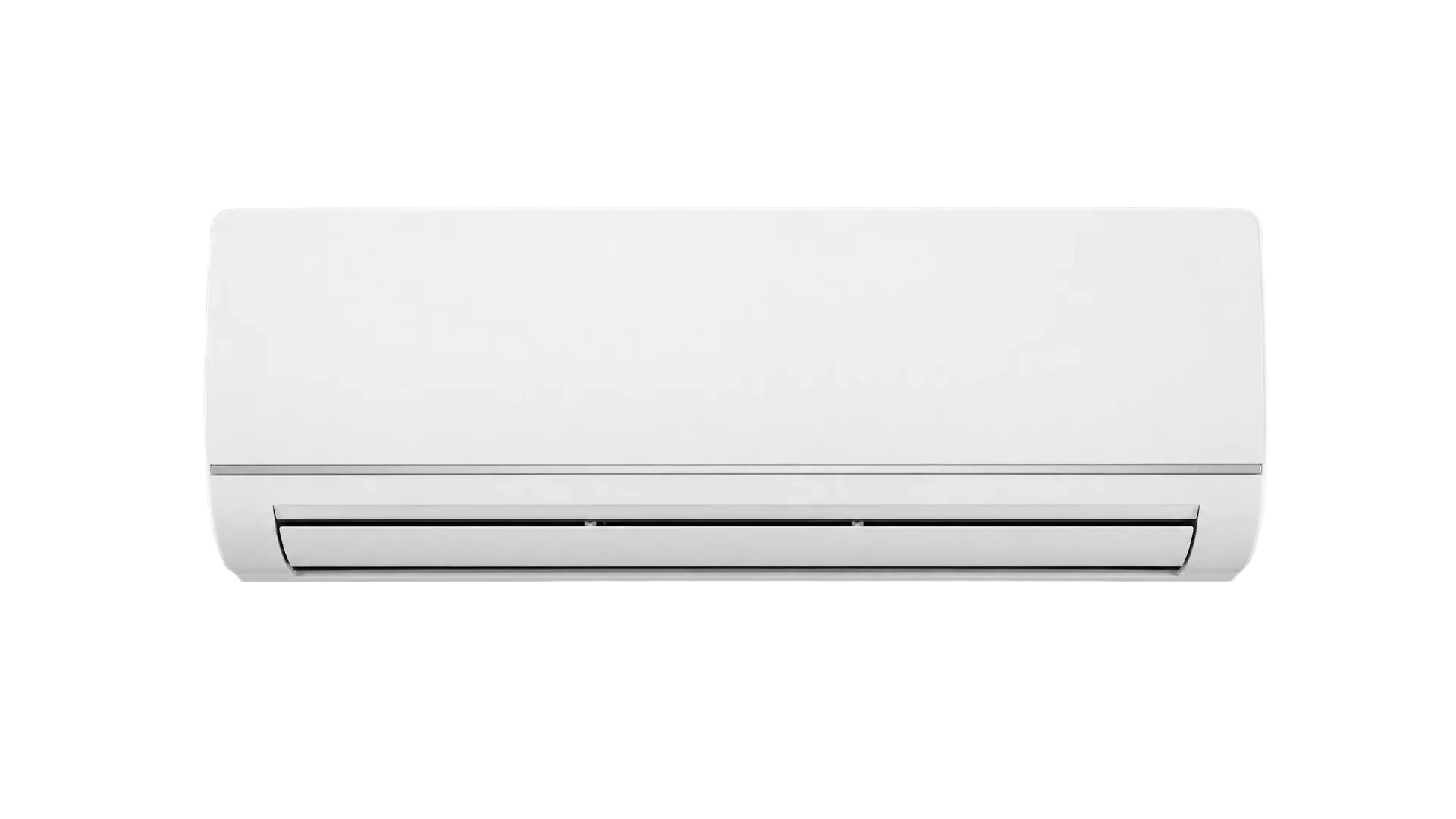
Set high on the wall with open space around it, this head pulls in room air and reads it accurately. The vane swings freely and the airflow reaches every corner instead of pooling in one spot near the unit.
The indoor head goes high on an interior wall, away from direct sun and clear of the doorway so the airflow reaches across the room instead of dumping cold air on one spot. The outdoor unit goes on the side or back of the house, up on a pad or bracket, with open space in front of the coil. That height matters here. Louisiana summers run heavy with moisture, and a mini split pulls that moisture out of the air as it cools. Mounted too low, the indoor unit can leave a damp patch on the wall below it or drip where it shouldn't. Outside, keeping the condenser off the ground and clear of planting beds keeps it from sitting in standing water after a hard rain, and clear airflow around it keeps the unit from working harder than it needs to. Where the lines run between the two, and how long that run is, also shapes how well the system performs once it's in.
At 12.52 cents a kilowatt-hour, running the mini split costs less here than in most states. Where you put the indoor head still matters for the bill. A unit blocked by furniture or aimed down a hallway works harder to cool the room, and that shows up in your usage even at this rate.
EIA-861 2025 statewide residential average
The indoor head needs room to breathe on both sides. It pulls air in across its own coil to read the room's temperature, and if a couch or a curtain sits too close, it reads warm air that never left the corner and keeps running past the point it should have shut off. Height matters the same way. Mounted too low, the cold air pools around your ankles instead of mixing through the room. Mounted right, it sweeps across and comes back down once it's actually cooled the space.
Outside, what kills efficiency is distance and heat. The refrigerant has to travel from the indoor head to the compressor through the line set, and every foot of that run, every bend where it turns a corner, is a foot and a bend the system has to work against. A straight run ten feet long will outperform a looping run of twenty every time, even with the same equipment on both ends. Louisiana sun on top of that just adds load. A compressor sitting in full afternoon sun is working against the heat around it as much as the heat in your house, so afternoon shade, even if it's just the side of the house, means fewer hours of runtime to hit the same setpoint.
Water is the other thing. Set the unit up off the ground and slope the drain line so condensate actually leaves the system instead of backing up into it after a hard rain.




Placement mistakes in a mini split don't stay small. A head hung above a window spends the afternoon reading sun instead of room air, so it runs longer to hit the temperature you set. Set the outdoor unit where rain pools after a storm and you're asking the compressor to sit in water it was never built to handle. Put the head too near the stove and it'll short cycle on cooking heat while the far end of the house stays warm. Box the outdoor unit in against a fence or thick shrubs and it can't move the air it needs to shed heat, and that shows up on your bill come July. Aim a head down a hallway and the bedroom at the end of it never really cools. Even the condensate line matters: skip the slope and Louisiana humidity turns into a wet stain on the wall below. None of this is about the equipment failing. It's about where it went in.




Placement decisions like these are easy to get wrong on your own, especially with an outdoor unit that has to survive Louisiana rain and a compressor that runs most of the year in this humidity. A contractor who installs these regularly has already seen what happens when a head goes over a window or a condenser sits where water pools after a storm, and can walk your walls and your yard before anything gets mounted. Finding that contractor yourself means calling around, describing your house more than once, and weighing quotes that may not even account for where things are going. Hand that off instead. Once you're matched, a contractor who installs mini splits in your area reaches out to you directly, and you're not the one chasing the next step. With power this cheap here, a mini split placed right is already a good deal. Placed wrong, you're paying for air that never quite reaches you.

Set high on the wall with open space around it, this head pulls in room air and reads it accurately. The vane swings freely and the airflow reaches every corner instead of pooling in one spot near the unit.

Grime built up on the casing blocks the intake and slows the air moving across the coil. The unit has to run longer to pull the room down to temperature, and that shows up on next month's bill.
You've got a spot picked out for the outdoor unit, but you're not sure if it's too close to the wall or too far out into the yard. Louisiana rain and humidity make this more than a measuring question, since a unit placed wrong can end up sitting in water or struggling to breathe during a storm.
A foot of clearance from the house lets the outdoor unit pull in air and push out the heat it's removed from inside. Any closer and it starts pulling in the same warm air it just exhausted, which makes the compressor work harder. Give it the same clearance from fences, shrubs or anything else that blocks the sides. Up on a pad or bracket matters more here than the exact distance out, since Louisiana rain can pool fast in a heavy storm, and a compressor sitting in standing water is a bigger problem than one a few inches closer to the wall than ideal.
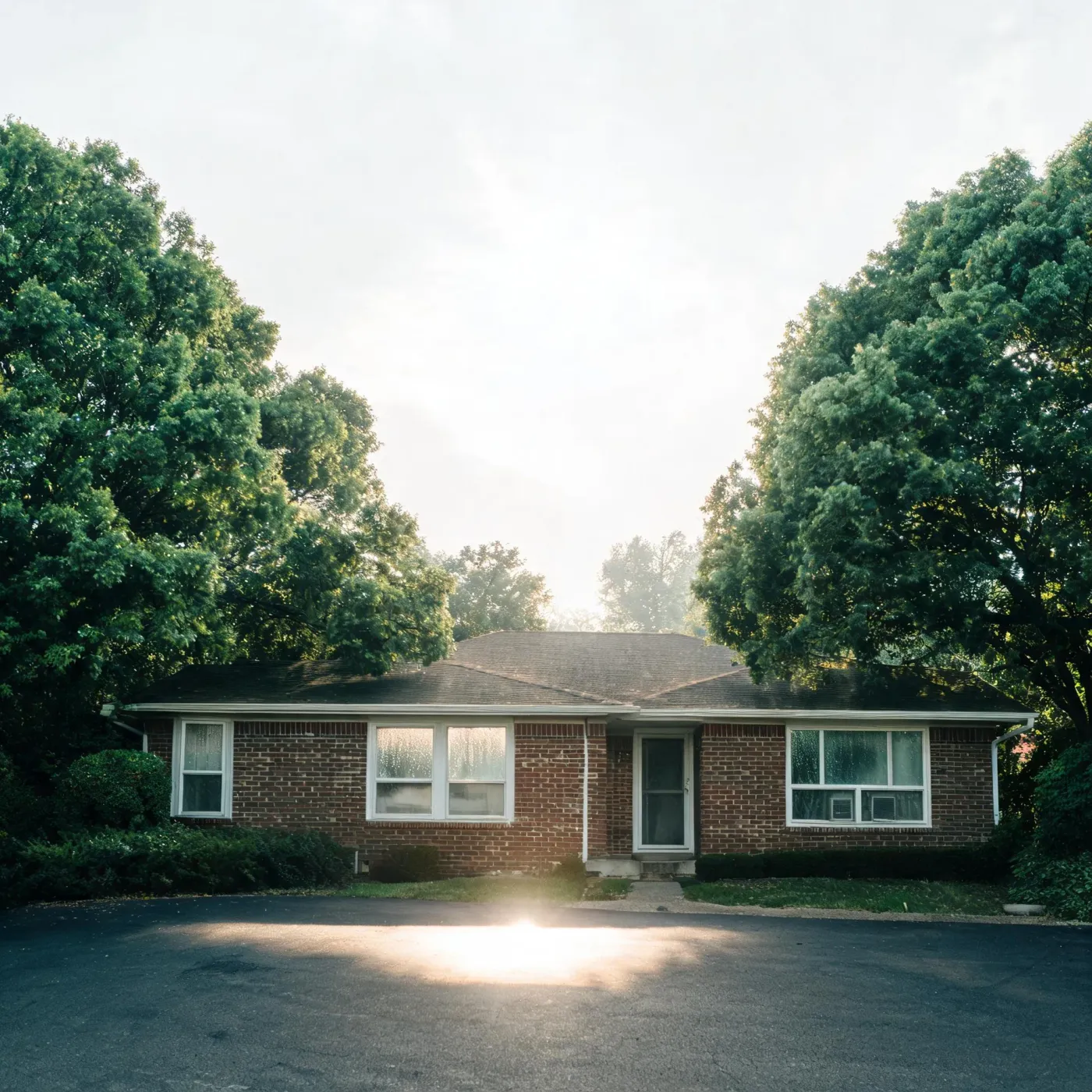
A dew point is what makes the air feel heavy instead of just warm, and across June, July and August it averages 73°F where homes sit in Louisiana. At that dew point, a mini split isn't just dropping the temperature, it's pulling a steady load of moisture out of the air to keep the room from feeling damp. That's a long stretch of hard work for the system, and where the indoor head sits decides how well it keeps up. A head placed where it reads the room's real air handles that load efficiently. One blocked or aimed wrong will run longer and still leave the room feeling sticky. (Source: NOAA)
NASA POWER T2MDEW county cells weighted by homes



Indoor head high on an interior wall, clear of sun and furniture. Outdoor unit up off the ground, away from where water collects, with room around it to breathe. That's the answer. Get those right and the system spends its energy cooling your home instead of fighting its own placement.
A mini split going in now is one you'll live with through plenty of Louisiana summers, so it's worth getting the spot right the first time instead of adjusting around a mistake later. If you'd rather not work out the exact height, clearance and drainage yourself, you can get matched with a contractor who installs these in homes like yours and have them reach out to go over your walls and your yard directly, instead of you tracking down installers and repeating the same questions to each one.


A pro who works on mini splits