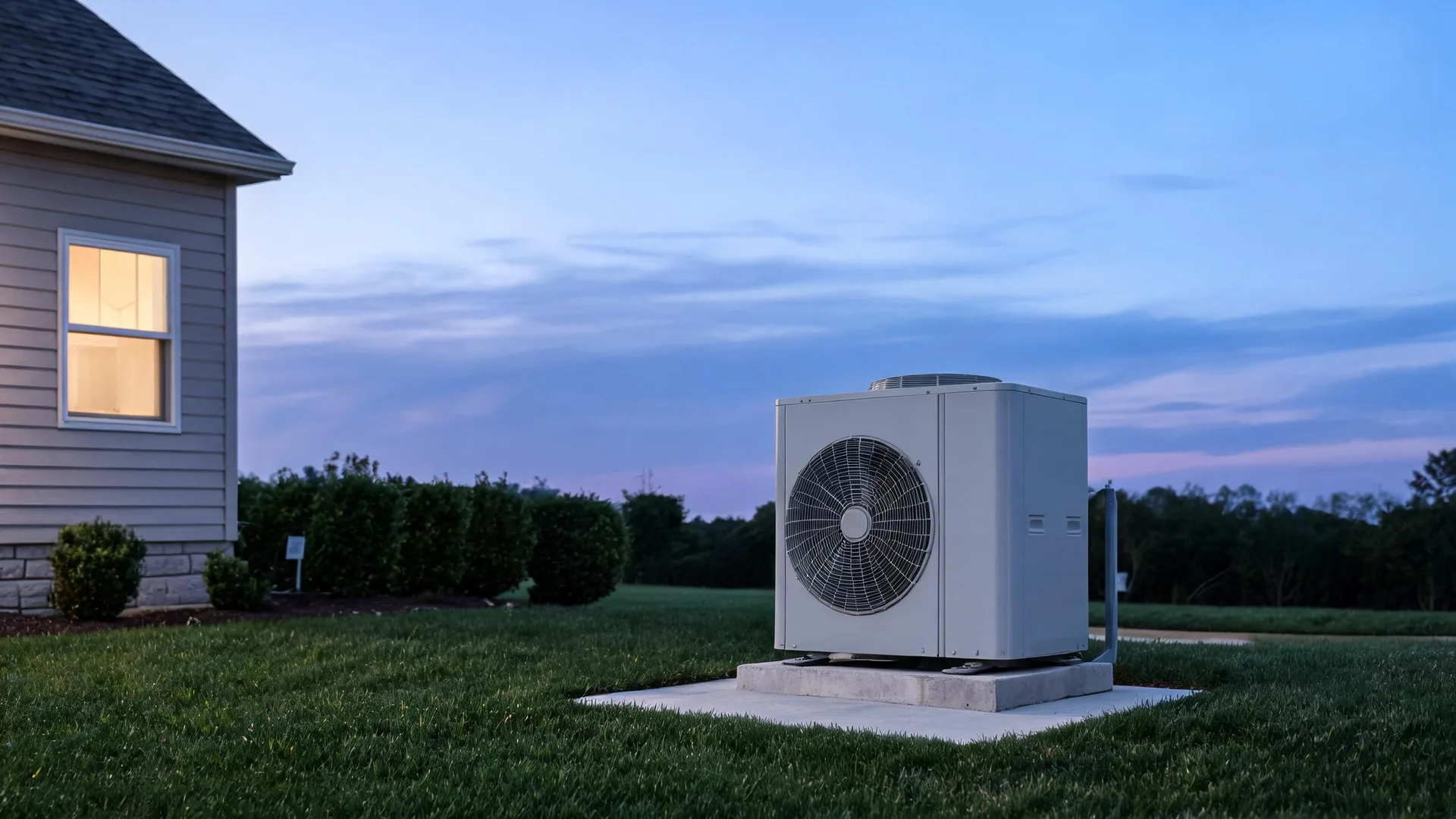
Weather here is rough on equipment
Bossier Parish recorded 217 severe weather events between 2015 and 2024. That includes 116 damaging wind events, 70 hail events, and 19 tornadoes. An outdoor AC unit sits outside through all of it.
Takes about a minute. No obligation.
Bossier Parish recorded 217 severe weather events between 2015 and 2024. That includes 116 damaging wind events, 70 hail events, and 19 tornadoes. An outdoor AC unit sits outside through all of it.
Almost half of Louisiana households, 49%, went at least 24 hours without power in 2024. A new system is worth planning around that, not just around the heat.
NOAA nClimDiv, 1991–2020 normals
Electricity here runs 13.32 cents per kilowatt-hour, cheaper than most of the country.
A system that's sized and installed right keeps it that way on every bill that follows.



Bossier Parish falls under zone 3A in the 2021 energy code, warm and humid with a long cooling season. Any split-system central air conditioner installed here has to clear 14.3 SEER2 below 45,000 Btu an hour, higher than the national minimum of 13.4. That rating narrows what a contractor can offer you. It's not about picking the cheapest unit on the lot, it's about picking one that's legal to install in this region. A system built for a milder zone won't meet code here, no matter what it costs.
Ask where the outdoor unit will sit and what will shield it from wind and hail before the crew picks a spot. Ask what happens to cooling and hot water the next time the power is out for a day. Settling both now, while the system is being chosen, costs less thought than sorting it out during a storm.
Find a contractorCooling runs May through September here. April is the month to get a new system in, ahead of the first stretch of heat, not after it. Installed early, a contractor has room to size it right and order the unit they recommend, instead of pulling whatever is left in a warehouse during a rush. Winters give even more room. Overnight lows average 38°F through December, January and February, mild enough that a new system can go in anytime in those months with no weather pushing the schedule either way.
A contractor works out the load by looking at square footage, window placement, insulation and ceiling height, then sizes the condenser and coil to that number. A unit too big cools the air fast and shuts off before it pulls the moisture out, leaving the house cold and damp. One too small runs constantly and never quite catches up. Either way you paid for capacity the house can't use right.
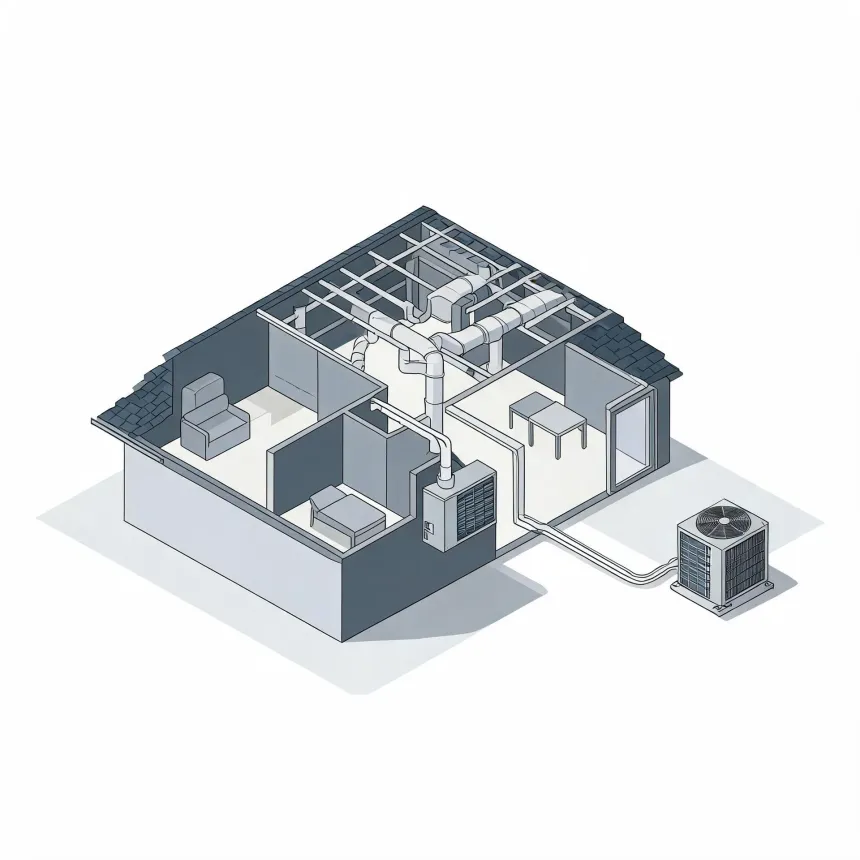
If the ductwork, the line set and the electrical disconnect are already in place and sized correctly, a crew can swap the indoor and outdoor units in a day. If the ducts are leaky or undersized, or the breaker panel can't carry the new unit's load, that work has to happen first. None of it shows up on a price list until someone's looked at what's behind the walls and in the attic.
Estimates for a typical Bossier Parish home, from EIA household energy data, Louisiana fuel prices and NOAA climate normals. Your home will differ.
A full install usually takes a day, sometimes two if the ductwork needs work. The crew starts by disconnecting and removing the old condenser and indoor coil, then runs new line set if the old one doesn't match the new refrigerant or size. The outdoor unit gets set on a pad, leveled, and connected to the disconnect box. Indoors, the coil goes in above or beside the furnace or air handler, and the condensate line gets run so the unit has somewhere to drain. Once everything's connected, the system gets charged with refrigerant to the manufacturer's spec, not just topped off by feel. Before the crew leaves, they run the system through a full cycle, check the temperature drop across the coil, and confirm the thermostat is talking to the equipment the way it should.