Electricity here runs cheap
Lafayette Parish paid an average of 11.87 cents per kilowatt-hour in 2025. That's lower than most US counties pay.
Takes about a minute. No obligation.
Lafayette Parish paid an average of 11.87 cents per kilowatt-hour in 2025. That's lower than most US counties pay.
A low rate still adds up when the system runs as long as it does here. How efficiently it cools matters more in a parish that uses its air conditioner this much.

NOAA nClimDiv, 1991–2020 normals
From April through October, this AC runs almost nonstop with afternoon highs averaging 91°F and a dew point near 74°F.
A new system has to be sized right for that load, because it will carry it every summer, not just on the hot days.



Lafayette Parish falls under zone 2A, a hot and humid climate zone under the 2021 energy code. Any split-system air conditioner installed here has to meet the Southeast's regional minimum, not just the national one. For systems below 45,000 Btu/h, that means at least 14.3 SEER2. Larger systems need to hit 13.8 SEER2. That floor is higher than what the rest of the country requires, so a unit that's legal to install in most states doesn't necessarily clear the bar here. It narrows what a contractor can offer you, and it's worth asking how a quoted system measures up against that number.
That minimum SEER2 rating is the floor, not the target. The system runs most of the year here, so a rating above that floor keeps paying you back on every bill it runs. Start the installation and get a system sized and rated for what this parish actually asks of it.
Find a contractorCooling here runs April through October, seven months straight. March is the month before that starts, and it's the better time to put in a new system. Install it then and it's already run in before the first hot stretch hits. Wait and the choice gets made for you, by whatever system a contractor has on the truck that day. A spring install also gives the system a slower start instead of going straight into a full summer load.
SEER2 is worked out over a whole cooling season, not a single afternoon. It compares the cooling the system produces against the electricity it draws across all that running time, the mild days and the brutal ones together. A unit can carry a brutal day fine and still rate low, because the number is about the average, not the peak. That's why two systems that both feel strong in the showroom can land far apart on the label.
A higher SEER2 unit uses less electricity to move the same heat out of the house, every single cycle, for as long as the system runs. That gap doesn't shrink in a mild month and widen in a hot one. It's fixed in the equipment, in the compressor and the coil design, so it shows up on every bill the same way. Over the life of the system, that steady difference is what separates two units with the same price tag.
Estimates for a typical Lafayette Parish home, from EIA household energy data, Louisiana fuel prices and NOAA climate normals. Your home will differ.
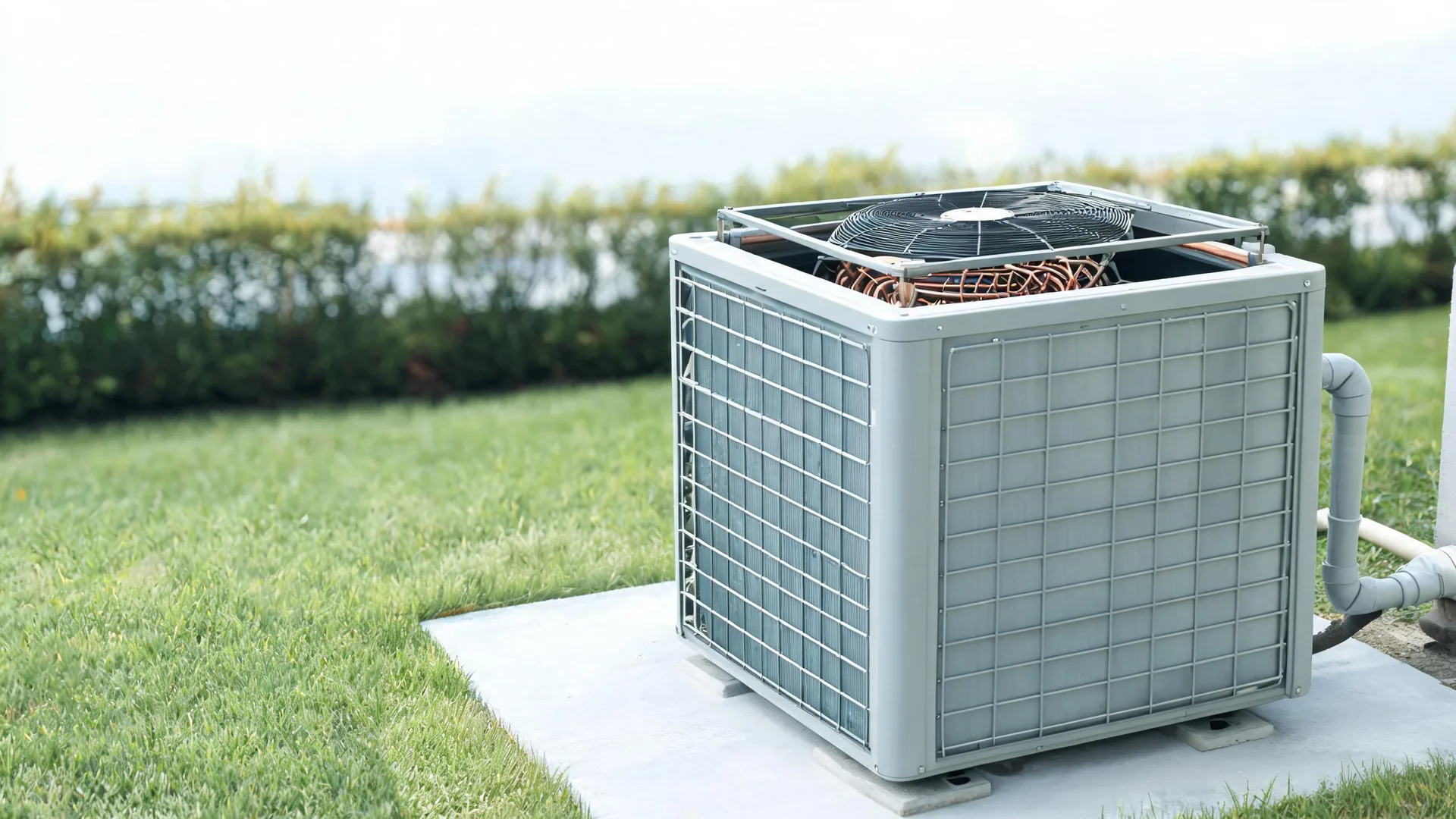
Installation takes most of a day, sometimes longer if the ductwork needs work too. The old unit comes out first, indoor coil and outdoor condenser both, along with the line set connecting them if it's not being reused. A contractor will check the ductwork at this point, because a new system matched to the wrong ducts won't deliver the air it's rated for. The new line set gets run, the indoor coil goes in above or beside the furnace or air handler, and the outdoor unit gets set on a pad with clearance around it for airflow. Once everything's connected, the system gets charged with refrigerant to the exact weight the manufacturer specifies, not just topped off by feel. Last comes startup: checking the airflow, the temperature split between the air going in and coming out, and the pressures in the line set, before anyone calls the job done.