





White plantation-style houses with wraparound porches lit at night, surrounded by Spanish moss-draped live oak trees.

AC Installation in Mansfield, LA

Tell us about the job

Takes about a minute. No obligation.

New system or replacementCentral ACDe Soto Parish, LA
Step 1 of 2

What ZIP code is the job in?

De Soto Parish saw 118 severe weather events between 2015 and 2024. Most of that was wind, 65 events, with 30 tornadoes and 18 hail events in the same stretch. An outdoor condenser sits outside with no cover from any of it. Hail dents fins and bends the cabinet, straight-line wind throws branches and debris into the coil, and a nearby tornado can do worse than that. Power is part of the same picture. Close to half of Louisiana households went at least 24 hours without electricity in 2024, and a central air conditioner does not run a minute without it. Installing one here means thinking about where it sits and what happens when the grid goes down, not just which unit cools the house.

6 months
May through October, your air conditioner is on duty
92°F
the average summer afternoon it cools against
18 hail events
in ten years, and hail bends the fins on outdoor coils
13.4 SEER2
the federal minimum any new unit must meet
Isometric cutaway illustration of a small house showing interior rooms with furniture, an indoor air handler with ducts in the attic space, and refrigerant lines running to an outdoor condenser unit on a pad.
Your air conditioner works hardest from June through September.

NOAA nClimDiv, 1991–2020 normals

Electricity heats 66.3% of homes in De Soto Parish.

Most central air conditioners pair with an electric furnace or heat strips, so a new AC here usually matches the system already in place.

Six months of hard running

Cooling runs May through October
Summer afternoons average 92°F
Power here costs 13.87 cents per kilowatt-hour

Half the homes in De Soto Parish were built in 1990 or earlier. A system going into one of those houses is going into ductwork and a breaker panel sized for whatever ran there decades ago, not for today's equipment. Mobile homes make up over a third of the housing here too, and those need an air conditioner matched to that kind of construction, not a standard install. None of this means the old ductwork is wrong or the panel is too small. It means someone has to look at what's actually there before setting the new unit next to the house, not after.

Plan the install around what this county actually throws at it

Where the new unit sits and what backs it up are decisions made at install, not after. A pad clear of fences and branches, a clean line of sight for service, a plan for the furnace or heat strips that keep running when the grid doesn't. Get that settled now and the system is ready for whatever this county sends it.

Find a contractor
A gray residential air conditioning condenser unit mounted on a concrete pad outdoors, surrounded by green grass under a partly cloudy blue sky.

Six months of running start in May

Cooling here runs May through October, six months straight once it starts. April is the month before that begins, and it's the better month to put a new system in. The old unit is still running then, so there's no rush on the decision and no rush on the crew doing the work. Wait until the heat has already set in and the choice gets made for you, with whatever unit is on hand and whoever has a day free. Put it in during April instead, and there's time to size it to the house, check the ductwork and panel first, and set the pad somewhere clear before the running starts.

The old unit has to come out whole

A condenser holds refrigerant under pressure, and that refrigerant has to be recovered before the unit is disconnected. It can't be vented to the air. The line set, the old pad connections and the refrigerant itself all have to be handled as part of taking the system out, not as an afterthought once the new one is sitting there.

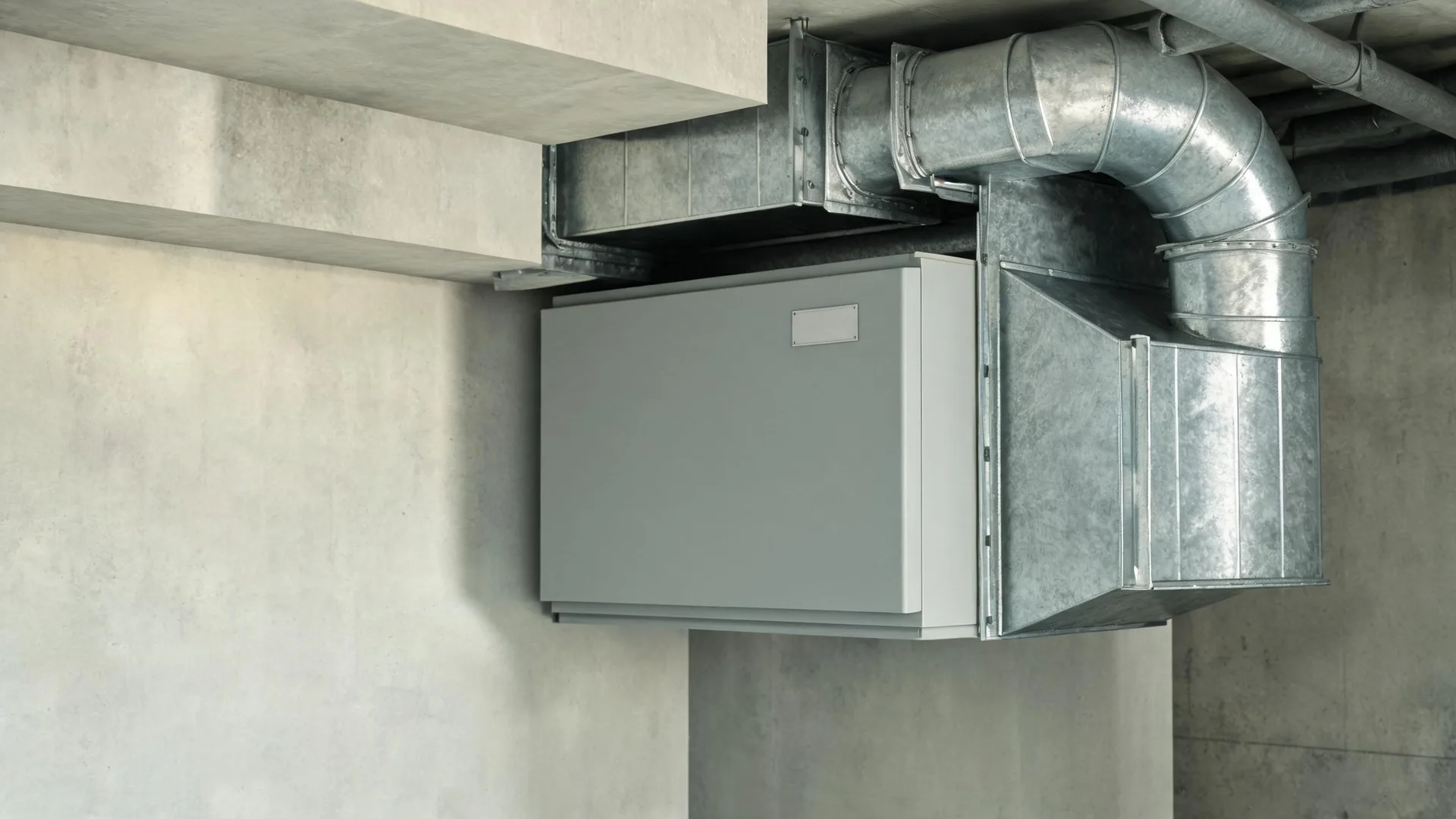
The new coil has to match the new condenser

An indoor coil and an outdoor condenser are matched as a pair for the refrigerant charge and airflow to work right. Leaving the old coil in place and only swapping the outdoor unit can leave the system mismatched, and a mismatched system struggles to cool properly and wears out faster. Replacing one usually means replacing both.

Overhead view of a gray residential air conditioning condenser unit mounted on a concrete pad beside a house with asphalt shingle roofing.

Going above the federal minimum saves little here, about $20 a year.

  • A higher-efficiency unit$390 a year
  • A new unit at the federal minimum, 14.3 SEER2$410 a year

Estimates for a typical De Soto Parish home, from EIA household energy data, Louisiana fuel prices and NOAA climate normals. Your home will differ.

Installation starts with a look at the house, not the equipment on the truck. A tech checks the ductwork for leaks and crushed runs, confirms the electrical disconnect and breaker match the new unit, and figures out where the line set will run between the indoor coil and the outdoor condenser. Once that's settled, the old equipment comes out, the new pad goes down, and the condenser gets set level and clear of the wall. Line set gets run, connections get brazed, and the system is evacuated to pull moisture and air out of the lines before any refrigerant goes in. Then it's charged to the manufacturer's spec, not just topped off by feel. Before anyone leaves, the system runs through a full cycle so airflow, static pressure and temperature split all get checked against what that unit is supposed to do.