






A white Southern-style house with a wraparound porch photographed at night, surrounded by Spanish moss-draped oak trees lit by landscape lights.

AC Installation in St. Gabriel, LA

Tell us about the job

Takes about a minute. No obligation.

New system or replacementCentral ACIberville Parish, LA
Step 1 of 2

What ZIP code is the job in?

Electricity heats about 63 percent of homes in Iberville Parish, and utility gas covers most of the rest. If your house already runs on electric heat, a new AC install usually means matching into an existing electric furnace or air handler, which keeps things simple. Gas furnace households still need a compatible coil and condenser paired to that furnace, but the wiring and ductwork question looks different. Either way, what you have now is the starting point a contractor will want to see before recommending equipment.

7 months
April through October, your air conditioner is on duty
91°F
the average summer afternoon it cools against
12 hail events
in ten years, and hail bends the fins on outdoor coils
13.4 SEER2
the federal minimum any new unit must meet
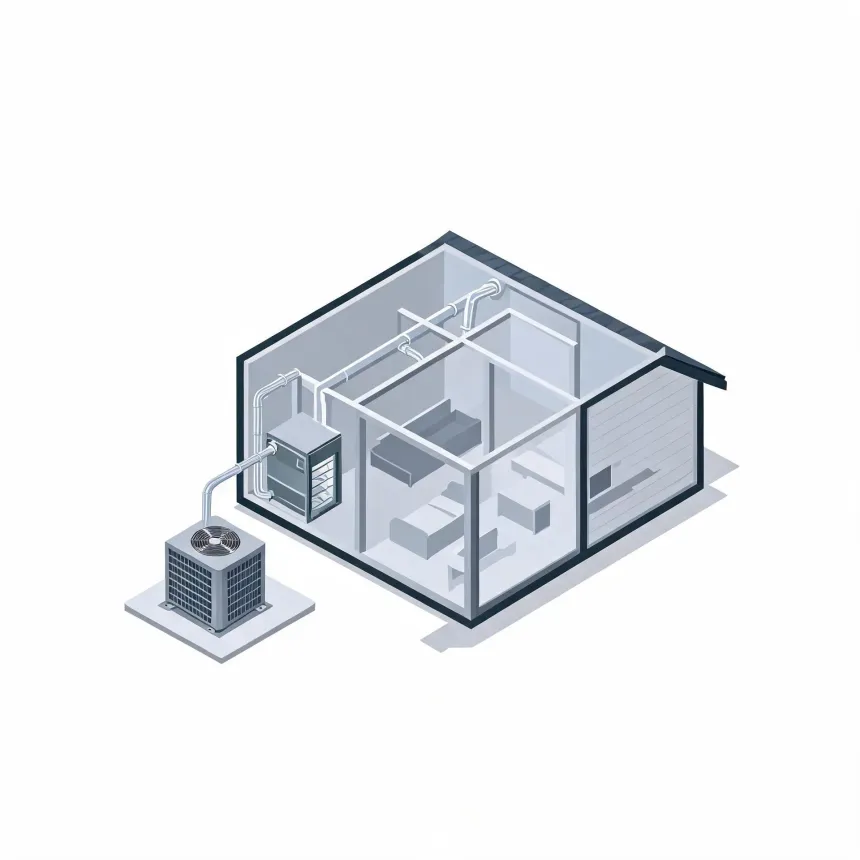
Isometric grayscale illustration of a cutaway house showing interior rooms, ductwork, an indoor air handler, and an outdoor condenser unit on a pad connected by lines.
Your air conditioner works hardest from May through September.

NOAA nClimDiv, 1991–2020 normals

Homes in Iberville Parish run their AC from April through October, seven months straight.

Get the new system installed in March and it's already running before the first hot days hit, not scrambling to catch up.

A standard system, sized right, is what this county needs

Half the homes here were built by 1986
Cooling runs April through October
Summer afternoons average 91°F
Built for Iberville Parish weather39 severe weather events hit this parish between 2015 and 2024

A correctly sized system is the one worth paying for here. Oversizing doesn't buy comfort, it just means the unit cools the air fast and shuts off before it pulls the moisture out, leaving the house feeling clammy even at the right temperature. At 11.73 cents per kilowatthour, Louisiana's electricity rate sits close to the national average, so there's no local cost pressure pushing you toward a pricier high-efficiency unit to offset a high rate. A standard efficiency rating matched to your home's actual size and layout will run this house through the summer without surprises on the power bill. The contractor doing a load calculation on your house, not a guess based on square footage alone, is what gets this right.

This system runs seven months a year. Size it for that.

Seven months of cooling a year, with afternoons averaging 91°F through June, July and August, is a heavy load for one system to carry. The unit sized right for this house is the one that holds up under that kind of run time.

Find a contractor
A man in a dark cap and jacket, seen from behind, climbs porch steps toward a green front door while carrying a canvas tool bag.
An outdoor air conditioning condenser unit mounted on a concrete pad beside a house, with electrical conduit running to a wall-mounted disconnect box.

Seven months of load, every year

Seven months of cooling a year adds up to a lot of cycles on the compressor. Get the load calculation done, not a square footage guess, and don't let a lower bid talk you into a bigger unit than this house needs. The right size runs longer and steadier through the hottest stretch of summer, and that steady run is what keeps the compressor from working harder than it has to.

What the rating actually measures

The efficiency rating on a new system tells you how much cooling it gets out of the electricity it uses over a full season, not how cold it can get or how fast. A unit with a higher rating does the same job on less power. That's the whole comparison the number is good for.

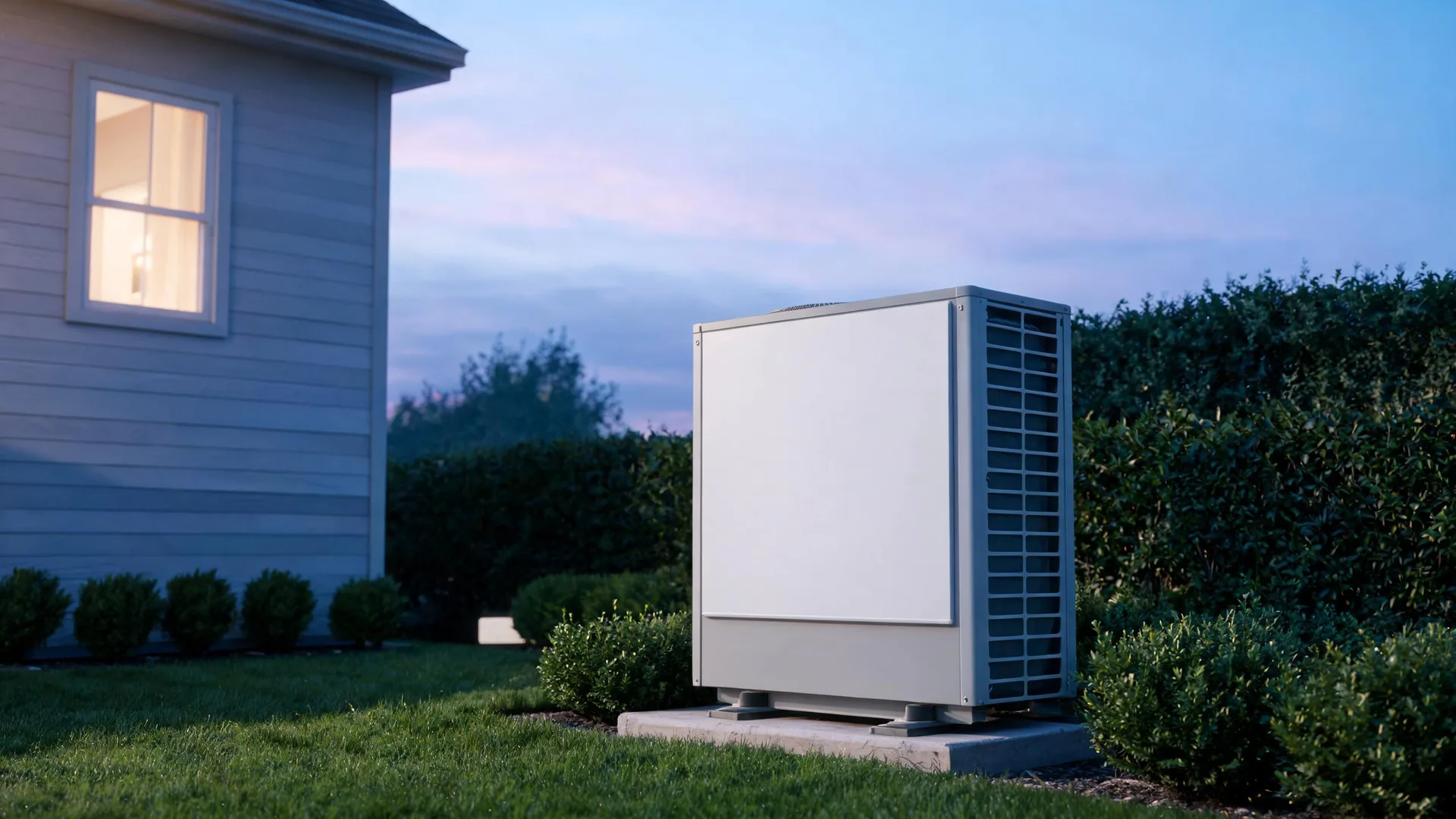
A higher number only pays off if it runs enough

The gain from a pricier, higher-rated unit shows up over a season of steady run time. An oversized system that shuts off fast never runs long enough to put that rating to work. A correctly sized system run hard all summer is what actually earns back the difference, which is why matching the unit to the house matters more than the number on the label.

Aerial view of a residential air conditioning condenser unit mounted on a concrete pad next to a house with vinyl siding and a sliding glass door.

A higher-efficiency unit would save about $30 a year to run in Iberville Parish compared with a new unit at the federal minimum.

  • A higher-efficiency unit$440 a year
  • A new unit at the federal minimum, 14.3 SEER2$470 a year

Estimates for a typical Iberville Parish home, from EIA household energy data, Louisiana fuel prices and NOAA climate normals. Your home will differ.

Install day starts with the old equipment coming out, not the new one going in. The condenser outside gets disconnected and hauled off, then the indoor coil, and if the system includes a new air handler or furnace that comes apart too. The refrigerant lines usually get replaced rather than reused, since old lines can carry contamination into a new compressor. Once the new coil and condenser are set, the line set gets connected, the system gets evacuated to pull out any air and moisture, then charged with refrigerant to the weight the manufacturer specifies. Electrical work and a thermostat check come after that. Before anyone leaves, the system should run through a full cycle while the contractor checks airflow at the vents and confirms the charge is correct, because a system that looks installed right and one that is installed right only show the difference once it's running.