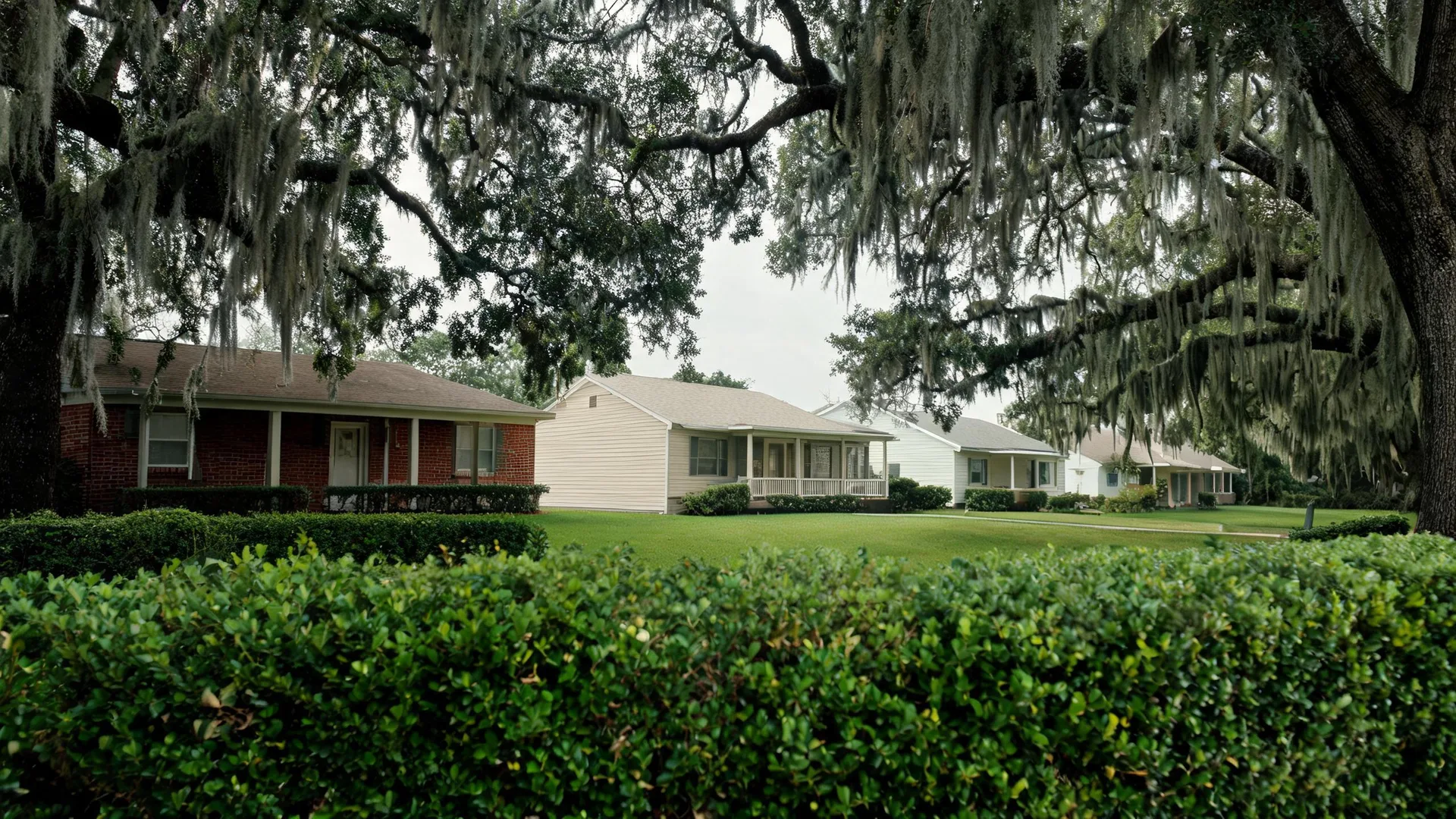






A row of single-story houses, one of red brick and others with pale siding, behind a mowed lawn and a tall trimmed hedge, framed by large oak branches draped with Spanish moss.

AC Installation in Kenner, LA

Tell us about the job

Takes about a minute. No obligation.

New system or replacementCentral ACJefferson Parish, LA
Step 1 of 2

What ZIP code is the job in?

Electricity in Jefferson Parish runs about 12.18 cents per kilowatt-hour, which is actually cheap compared to most of the country. That sounds like good news, and it is, but it also means the rate isn't what drives your bill here. The runtime does. A new AC in Kenner is going to work hard for months at a stretch, so a few points of efficiency matter more than they would somewhere with a short, mild summer. Pick a system that runs well and that cheap power stretches further. Pick one that doesn't and you're paying that low rate a lot more times than you'd like.

7 months
April through October, your air conditioner is on duty
90°F
the average summer afternoon it cools against
11 hail events
in ten years, and hail bends the fins on outdoor coils
13.4 SEER2
the federal minimum any new unit must meet
Isometric 3D cutaway render of a house with dark siding showing interior rooms, ductwork and an air handler, connected by lines to an outdoor condenser unit on a white background.
Your air conditioner works hardest from May through September.

NOAA nClimDiv, 1991–2020 normals

April starts seven straight months of cooling in Jefferson Parish.

Get a new system in by March so installation happens before the first hot week, not after it.

Storms here take down power lines and outdoor units both

71 severe weather events from 2015 to 2024
49% of homes statewide lost power a day or more in 2024
38 damaging wind events from 2015 to 2024
Built for the Long RunAfternoon highs near 90°F, seven months of cooling, air this heavy. This is what a new system is up against every year.

Electricity heats 55.6% of homes in Jefferson Parish, gas heats most of the rest. If your house is one of the electric ones, a new AC install is usually straightforward. No gas line to work around, no venting to reroute, just the condenser outside and the air handler tied into your existing ductwork. Some homes here already have a heat pump doing both jobs, heating and cooling off the same outdoor unit, and if that's what you have, replacing it with another heat pump keeps things simple. Ask what your current system is before you assume you need something new.

The Right System Makes That Low Rate Count

The system you pick runs for months at a time here. Put that cheap power behind a unit that uses it well, and the install pays for the attention it took to size and set up right.

Find a contractor
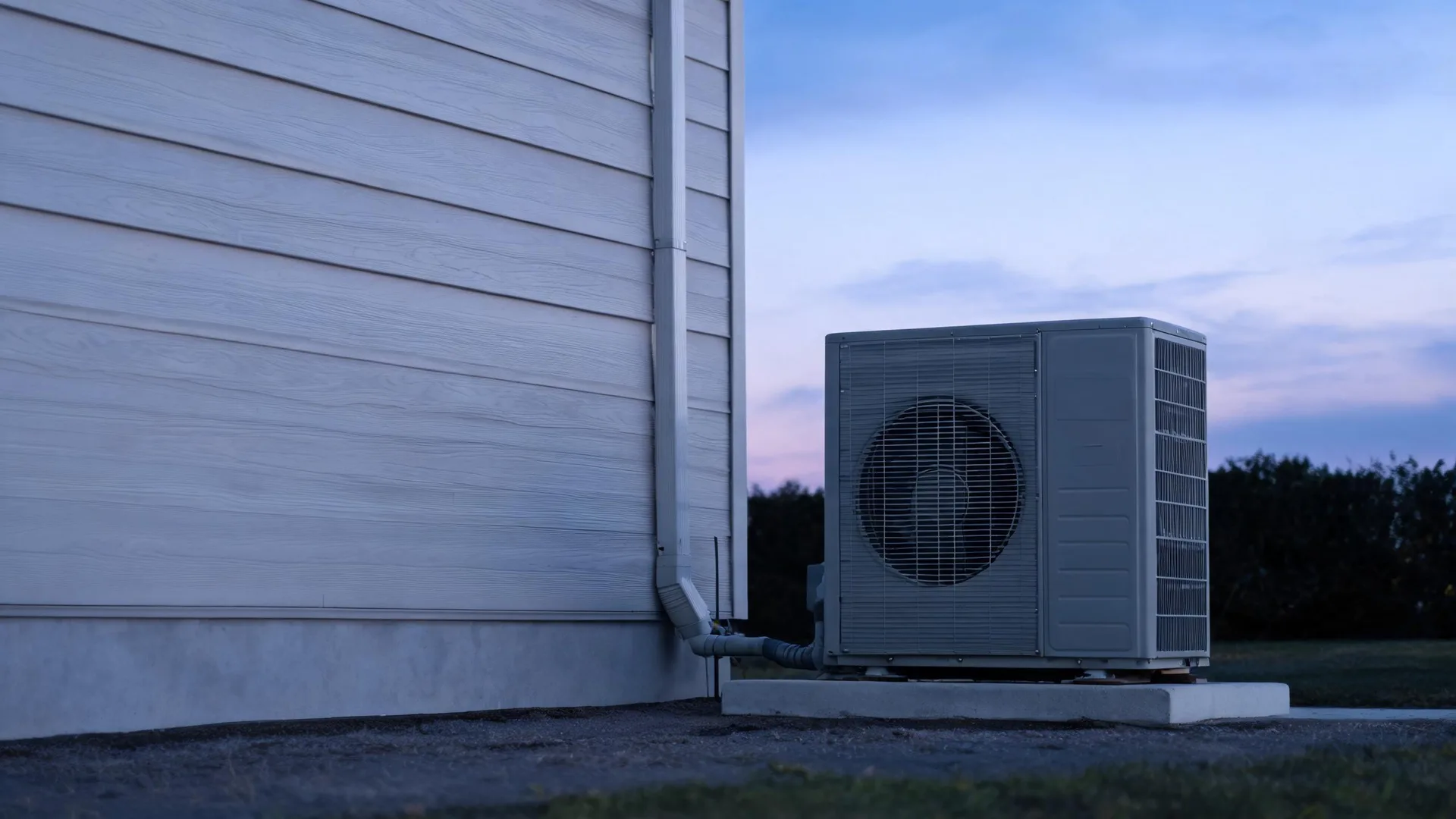
An outdoor air conditioning condenser unit mounted on a concrete pad surrounded by gravel, photographed against a partly cloudy blue sky.

It Runs Longer Here Than Almost Anywhere

Seven months of cooling means a new system logs more hours here than almost anywhere else it could be installed. That's the part worth getting right before anything gets bolted down. A unit sized for a mild climate, or just sized by guesswork, ends up running close to nonstop once those 90-degree afternoons set in, and running nonstop is how parts wear out early. Load calculations matter more in a place that runs a system this hard. Get the sizing right and the install done by someone who checks it against your house, not a rule of thumb.

Ask What Size They Calculated, Not Guessed

A contractor should run a load calculation on your actual house, the square footage, the windows, the insulation, before quoting a size. If the number they give you matches the unit they already had in mind, or matches whatever was installed last time, that's a guess wearing a number. Oversized and undersized both cause problems. Too big cools the air fast and shuts off before it pulls the humidity down, so the house feels damp. Too small runs constantly and never quite catches up.

Ask How They're Matching Indoor and Outdoor Units

The condenser outside and the coil inside have to be matched to each other to run at their rated efficiency. Pair a new condenser with an old coil and the system can still run, but it won't perform the way the efficiency rating says it should. Ask whether the whole system is matched or whether part of it is staying behind. If the ductwork is older, ask whether it was sized for the system going in, since ducts that are too small choke airflow no matter how good the equipment is.

An outdoor air conditioning condenser unit mounted on a concrete pad next to a blue-sided residential house at sunset.

A higher-efficiency unit would save about $30 a year to run in Jefferson Parish compared with a new unit at the federal minimum.

  • A higher-efficiency unit$480 a year
  • A new unit at the federal minimum, 14.3 SEER2$510 a year

Estimates for a typical Jefferson Parish home, from EIA household energy data, Louisiana fuel prices and NOAA climate normals. Your home will differ.

Installation day starts outside, with the old condenser disconnected and hauled off, and the new one set on a pad and leveled. Level matters more than it looks like it should. A unit that tilts over time puts strain on the compressor and can throw off the oil inside it. Indoors, the coil goes in next, matched to the new outdoor unit, and the line set connecting the two gets run, pressure tested, and sealed before any refrigerant goes near it. A good installer pulls a vacuum on those lines before charging the system, which clears out moisture and air that don't belong in there. Once it's charged, the system gets tested and the airflow checked at the vents, not just assumed. None of this takes a house apart. It takes a few hours of careful work in the right order.