Electricity here runs 11.91 cents a kilowatt-hour
That is cheap compared to most of the country. A new AC that runs most of the day all summer still draws a lot of power even at that rate.
Takes about a minute. No obligation.
That is cheap compared to most of the country. A new AC that runs most of the day all summer still draws a lot of power even at that rate.
An air conditioner in Luling runs for months at a stretch. How efficiently it cools shows up on the bill every one of those months.

NOAA nClimDiv, 1991–2020 normals
St. Charles Parish logged 45 severe weather events between 2015 and 2024, including 26 with damaging wind.
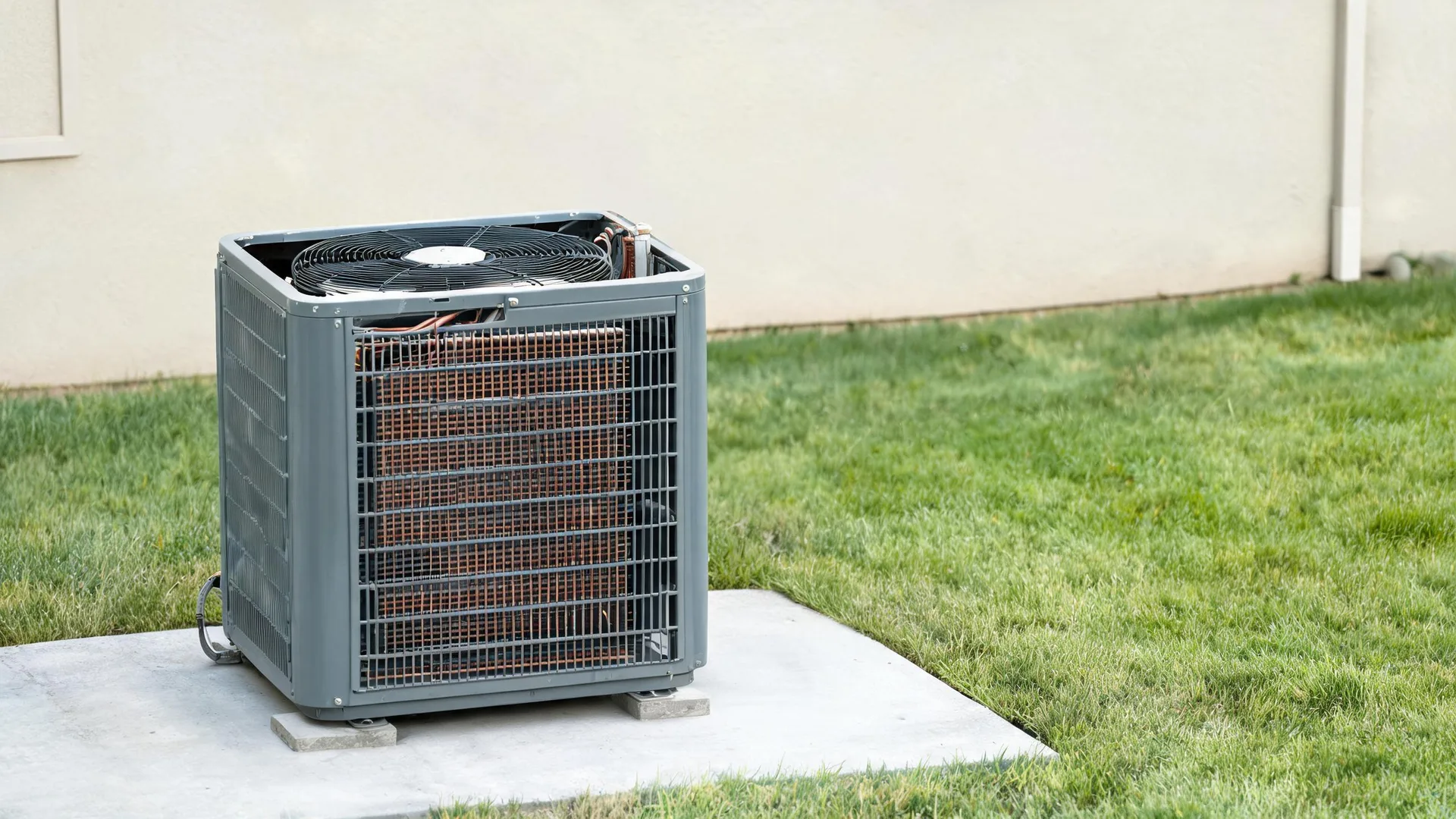
A new outdoor unit needs a spot and a mount that can take wind and hail, not just the Luling heat.



Luling falls in climate zone 2A, a hot and humid zone under the 2021 energy code, and cooling carries most of the load here. Any new split system under 45,000 Btu/h has to hit at least 14.3 SEER2 to be installed, higher than what the rest of the country requires. That floor exists because a unit working this hard, this much of the year, wastes more if it's allowed to run less efficiently. It also narrows what a contractor can offer you. A unit rated below that number can't legally go into a home in this region, no matter what it costs.
The rate here is already cheap. What you pay to run this system comes down to the SEER2 number on the unit, not the rate. Ask for that number on every system quoted, and compare them on it before you decide.
Find a contractor
Seven months of cooling, April through October, with afternoon highs averaging 91°F in June, July and August. The dew point runs 74°F those same months, higher than most of the country sees, which means the system is pulling moisture out of the air on top of cooling it. A unit sized or installed wrong doesn't get a break to recover. It just keeps running into the next hot, heavy day. That kind of stretch is what wears a compressor and a capacitor down before their time.
A contractor has to run a load calculation on the house, the windows, the insulation, the duct layout, before quoting a unit. Skipping that step and matching the old tonnage is faster and cheaper to quote, but it often gets the size wrong. A system too big for the house cools the air fast and shuts off before it pulls the moisture out, then kicks back on soon after. That short cycling is harder on the compressor than a longer, steady run.
A new outdoor unit and air handler can only move air as well as the ducts let them. Runs that are too narrow, too long, or leaking at the joints force the system to work against itself no matter how good the equipment is. Sealing or resizing ductwork during an install adds to the job, but a system paired with bad ducts never performs to its rating, so part of what you paid for the unit goes to waste.
Estimates for a typical St. Charles Parish home, from EIA household energy data, Louisiana fuel prices and NOAA climate normals. Your home will differ.
Installation day starts with the parts, not the tools. A contractor sets the new outdoor unit on its pad or mount first, then runs the line set to the air handler or coil inside. Those lines get brazed, not just connected, and then the whole system gets pressure tested before anything is charged. That test matters because a leak found after the refrigerant goes in means recovering it to fix the leak, so a careful contractor finds it before. Once the system holds pressure, it gets evacuated to pull out moisture and air, then charged to the weight the manufacturer specifies for that line length. The last hour is spent on startup: checking static pressure in the ducts, checking the temperature split between the air going in and the air coming out, and confirming the thermostat is talking to the right equipment. A system that's never been checked this way can run, but nobody knows yet if it's running right.