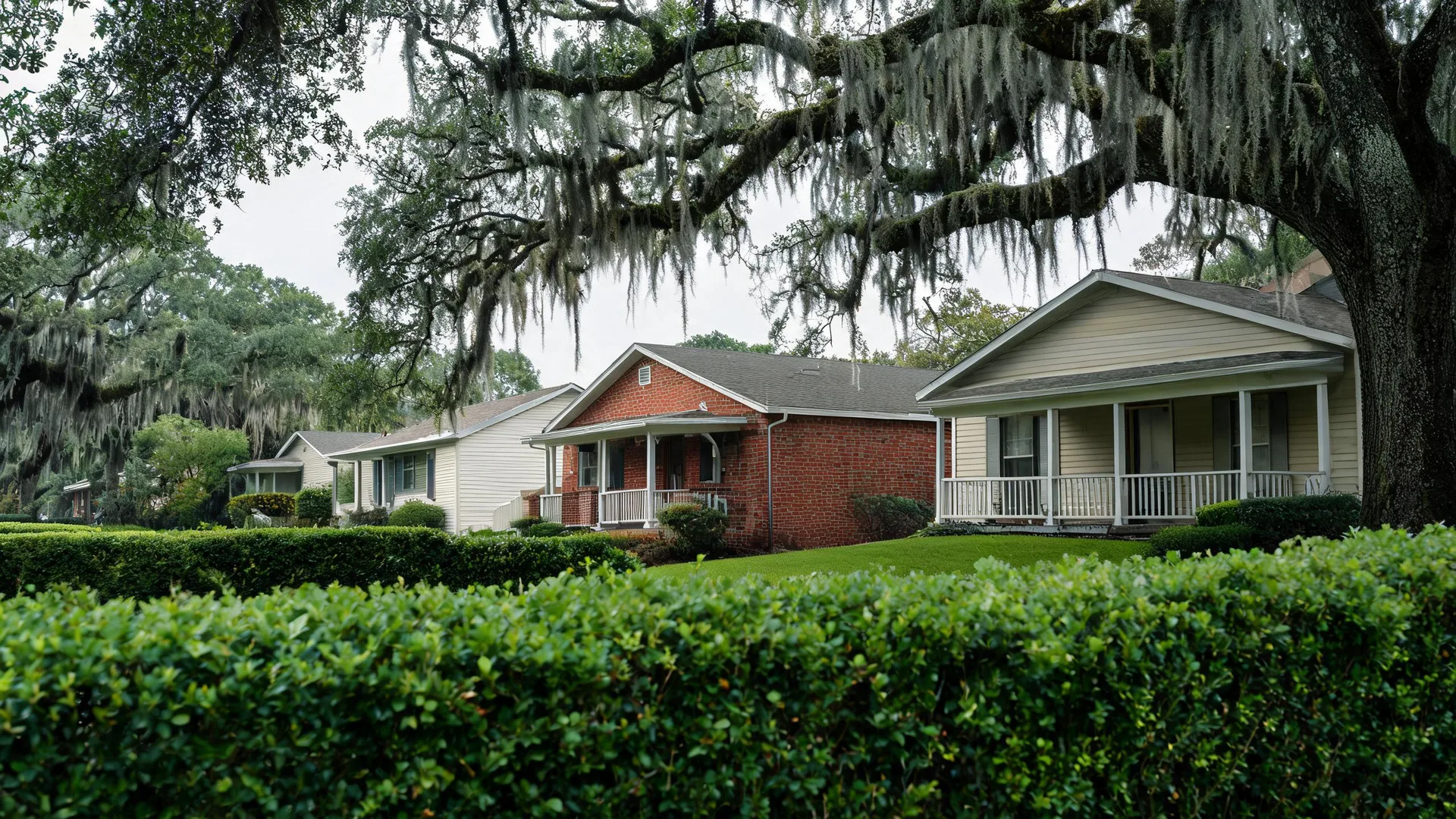






A row of single-story houses, one brick and others with light siding and covered porches, set behind a trimmed green hedge and lawn, under large oak branches draped with Spanish moss.

AC Installation in Morgan City, LA

Tell us about the job

Takes about a minute. No obligation.

New system or replacementCentral ACSt. Mary Parish, LA
Step 1 of 2

What ZIP code is the job in?

Most homes in St. Mary Parish run on electric heat, 64.6% of them. Gas reaches another 34.6%. If your house already runs on electric heat, central air pairs with it the same way the last system did, and a straight swap keeps things simple. Houses on gas furnaces usually add AC as a separate cooling system that shares the ductwork. Either way, the installer sizes the new unit to your house rather than just matching the old tonnage, since a system that's too big or too small won't cool evenly.

7 months
April through October, your air conditioner is on duty
90°F
the average summer afternoon it cools against
6 hail events
in ten years, and hail bends the fins on outdoor coils
13.4 SEER2
the federal minimum any new unit must meet
Isometric cutaway illustration of a single-story house showing interior rooms with furniture, attic ductwork connected to an indoor air handler, and an outdoor condenser unit on a pad linked by refrigerant lines.
Your air conditioner works hardest from May through September.

NOAA nClimDiv, 1991–2020 normals

An oversized system cools the air fast and shuts off before it pulls the moisture out.

The right size runs longer, steadier cycles, and that's what actually makes a room feel comfortable.

Nothing here calls for going bigger than the house needs

Power costs 11.73 cents a kWh statewide
Cooling runs April through October
Summer afternoons average 90°F

St. Mary Parish sits in climate zone 2A, hot and humid, where cooling is the main load on a system here. Any split-system central air conditioner installed here has to meet 14.3 SEER2 below 45,000 Btu/h, or 13.8 SEER2 at or above that size. That's higher than what manufacturers have to meet nationwide. The difference exists because homes in this region lean on air conditioning harder than most of the country, so the installed equipment has to clear a higher bar here than it would elsewhere. A federal tax credit is available on qualifying equipment, separate from this efficiency requirement.

A system sized right for your house is the one that works

Half the homes in St. Mary Parish were built in 1976 or earlier, half in 1976 or later. Age alone doesn't change what a system needs here, a standard split system sized to your house covers it either way. The one thing worth checking is whether your house is a mobile home, since that's a sizable share of the housing here and takes a different kind of system than a site-built house does. Outside of that, there's no reason to size up or pay more than the house needs.

Find a contractor
A man in a cap, dark shirt and tan work pants carries a canvas tool bag up stone steps toward a green front door flanked by potted shrubs.
An outdoor residential air conditioning condenser unit mounted on a concrete pad, surrounded by gravel with a blue sky in the background.

Seven months of cooling a year, so install before April

Cooling runs April through October here, seven months of the year. March is the month before that starts, and it's the natural time to put in a new system. Install it then and the unit is sized and ready before the first hot days, not picked out in a rush because the old one failed once the heat set in. A system put in ahead of April also gives the installer time to size it to your house instead of grabbing whatever's on hand.

The old unit gets hauled away, not reused

Once the new system is in, the old condenser and coil come out. The refrigerant in the old unit gets recovered, it can't just be vented, so the installer drains it properly before the unit is disconnected and removed. None of it goes back in your house in any form.

The old ductwork might stay, or it might not

If the ducts are sound and sized right, the new system can run through them as they are. If a duct run is too small or leaky for the new unit, the installer will say so before the job starts, not after. That's part of what the sizing visit is for, not something that gets decided once the old equipment is already gone.

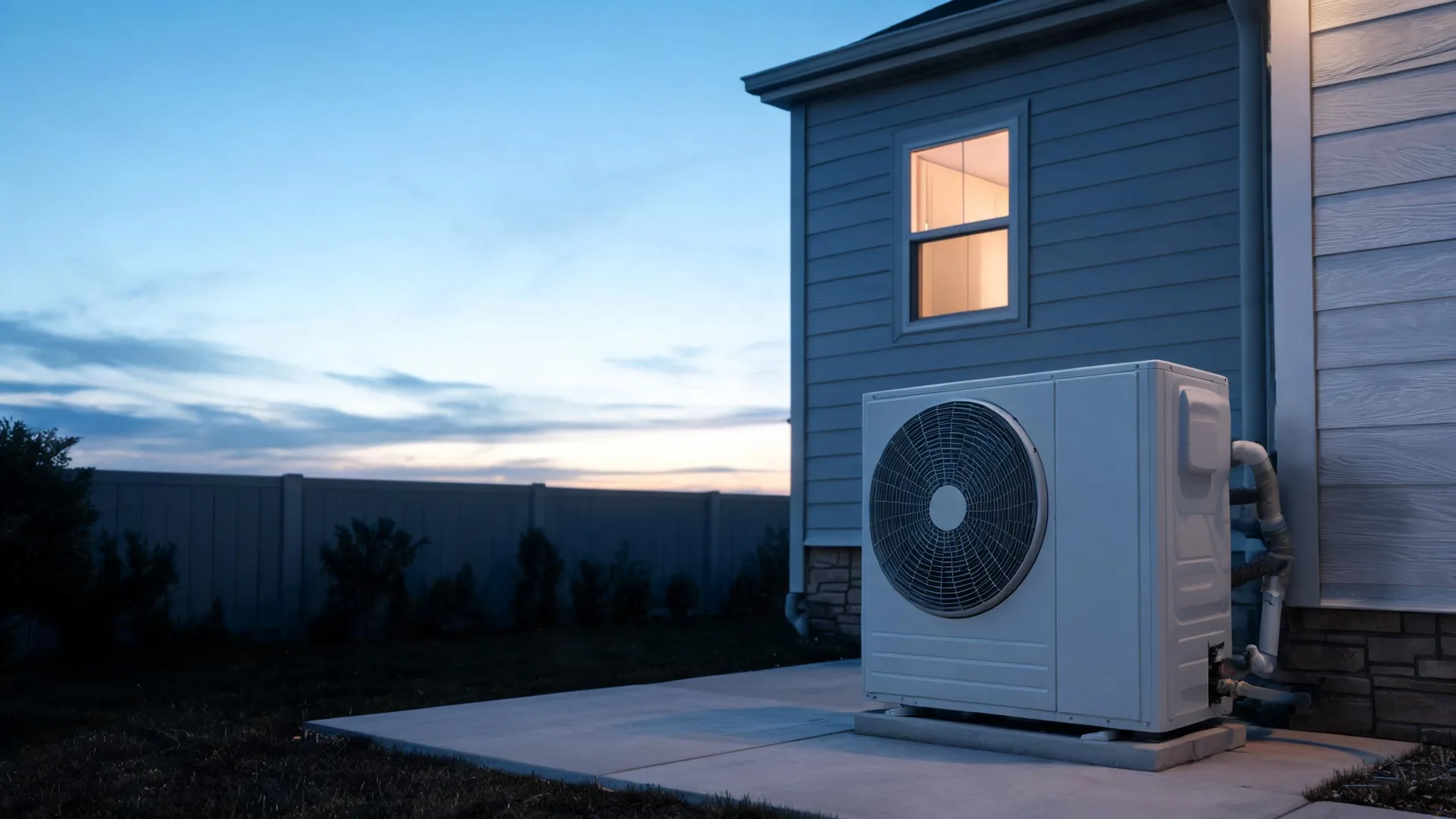
Aerial view of a gray outdoor air conditioning condenser unit mounted on a concrete pad next to a house with vinyl siding.

A higher-efficiency unit would save about $30 a year to run in St. Mary Parish compared with a new unit at the federal minimum.

  • A higher-efficiency unit$470 a year
  • A new unit at the federal minimum, 14.3 SEER2$500 a year

Estimates for a typical St. Mary Parish home, from EIA household energy data, Louisiana fuel prices and NOAA climate normals. Your home will differ.

On install day the old system comes apart first. The condenser outside gets disconnected, the indoor coil comes out of the plenum, and the refrigerant lines get cut loose once the charge is recovered. Setting the new condenser and running new line set takes a stretch of the day on its own, then the coil goes in and gets matched to the ductwork already there. Once everything's connected, the system gets charged with refrigerant to the exact amount the new equipment calls for, not just topped off by feel. The last part of the day is running the system through its paces, checking the temperature split at the vents and the pressures on the lines, before anyone calls it done. A job that skips that last check is one where problems show up weeks later instead of the same afternoon.