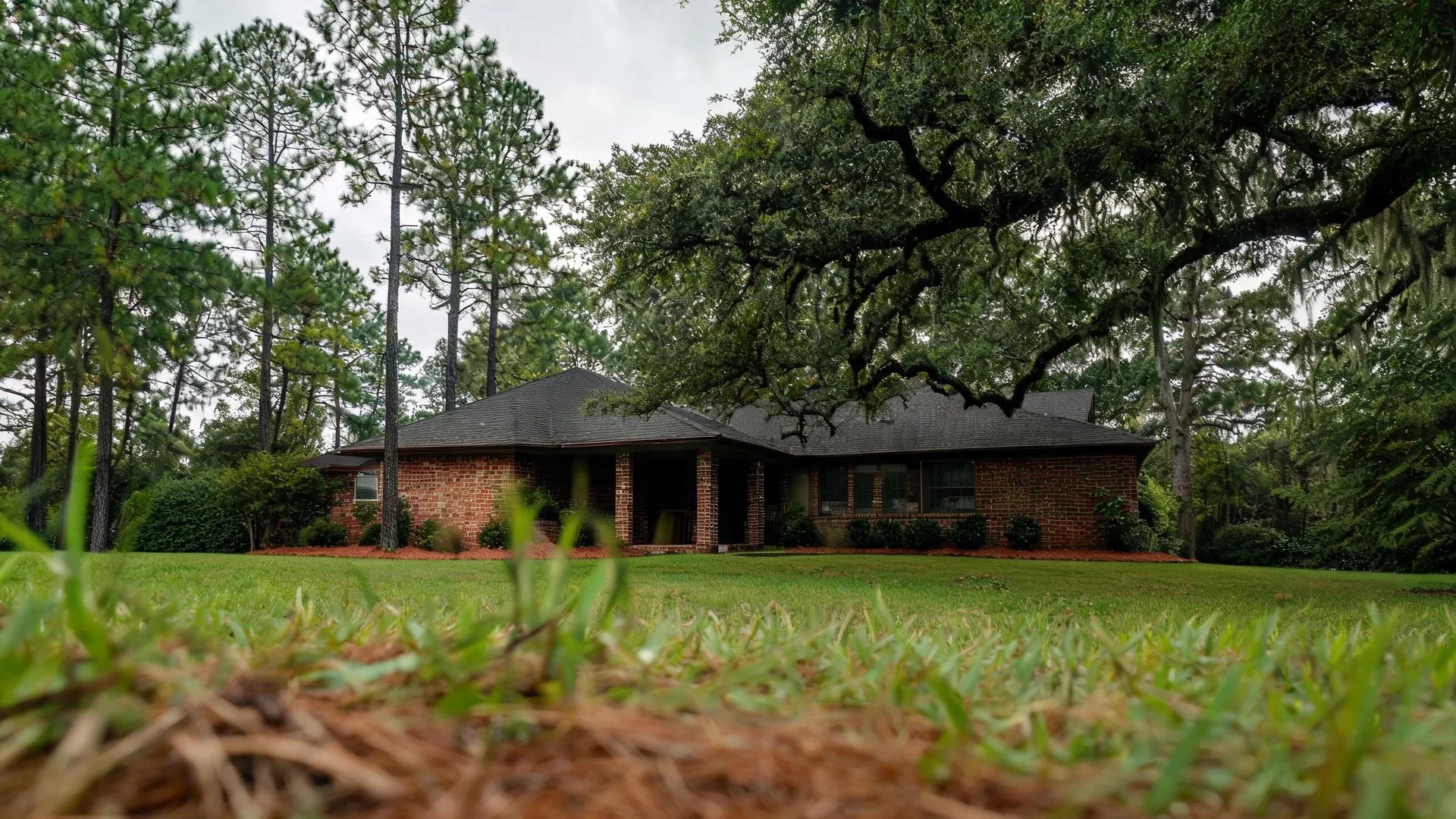






A single-story brick house with a dark shingled roof set behind a lawn, framed by pine trees and a large spreading oak, photographed from a low angle with blurred grass in the foreground.

AC Installation in Shreveport, LA

Tell us about the job

Takes about a minute. No obligation.

New system or replacementCentral ACCaddo Parish, LA
Step 1 of 2

What ZIP code is the job in?

Caddo Parish saw 419 severe weather events between 2015 and 2024. Most of that was wind and hail: 279 damaging wind events and 101 hail events in that span. An outdoor condenser sits outside through all of it, exposed to whatever comes through. Hail dents the fins and bends the cabinet. Wind throws branches and debris into the coil. Nearly half of Louisiana households went at least a full day without power in 2024, and a new system should be chosen with that in mind.

6 months
May through October, your air conditioner is on duty
93°F
the average summer afternoon it cools against
101 hail events
in ten years, and hail bends the fins on outdoor coils
13.4 SEER2
the federal minimum any new unit must meet
Isometric line illustration of a cutaway house showing interior rooms, ceiling ductwork, an indoor air handler unit, and an outdoor condenser connected by lines along the exterior wall.
Your air conditioner works hardest from June through September.

NOAA nClimDiv, 1991–2020 normals

More than half the homes in Caddo Parish heat with electricity.

An electric furnace or heat pump paired with your new AC is the setup most contractors here install and stock parts for.

May is the deadline, not the starting line

Cooling runs May through October
Summer afternoons average 93°F
279 damaging wind events from 2015 to 2024
The bill that comes with the systemElectricity here runs 13.67 cents a kilowatt-hour, below most of the country, but a system this size still adds up to a full-time draw on it.

Caddo Parish falls in climate zone 3A, warm with a long cooling season. Any split-system air conditioner installed here has to hit at least 14.3 SEER2 if it's under 45,000 Btu/h, or 13.8 SEER2 at or above that size. That's higher than the national minimum of 13.4 SEER2, because the Southeast is held to a tighter standard than the rest of the country. This narrows what a contractor can legally install, regardless of what a homeowner might find cheaper elsewhere. A system bought out of state or online may not meet the regional rule at all.

Pick a system that can take what comes and keep running after

Have the installer mount the condenser where falling branches and yard debris are least likely to reach it, and ask what the cabinet and coil can take from hail. Ask too what happens to your heat and hot water if the power drops, and for how long. That part of the decision matters as much as the unit itself.

Find a contractor
A man in a cap, gray shirt and jeans, seen from behind, carries a canvas tool bag up porch steps toward a green front door flanked by potted shrubs.
An outdoor air conditioning condenser unit mounted on a concrete pad beside a house, with electrical conduit running to a wall-mounted disconnect box.

Six months of this, every year

This system runs May through October, six months straight, with afternoon highs averaging 93°F through June, July and August. The dew point sits at 70°F those same months, higher than most of the country sees, which means the unit is pulling moisture as hard as it's pulling heat. That's a long, heavy load every single year, not just on hot days. Parts that would coast through a shorter season here don't get the break. Size the system for this load from the start, and the small problems that come with hard use show up later instead of sooner.

Ask what size the load calculation supports

A contractor should size your system from a room by room load calculation, not by matching the unit that's already there. Too large and the system cools the air fast but shuts off before it pulls the moisture out, leaving the house clammy. Too small and it runs constantly without ever catching up. Either mistake costs you comfort for the life of the system, and you can't fix sizing after installation without replacing equipment.

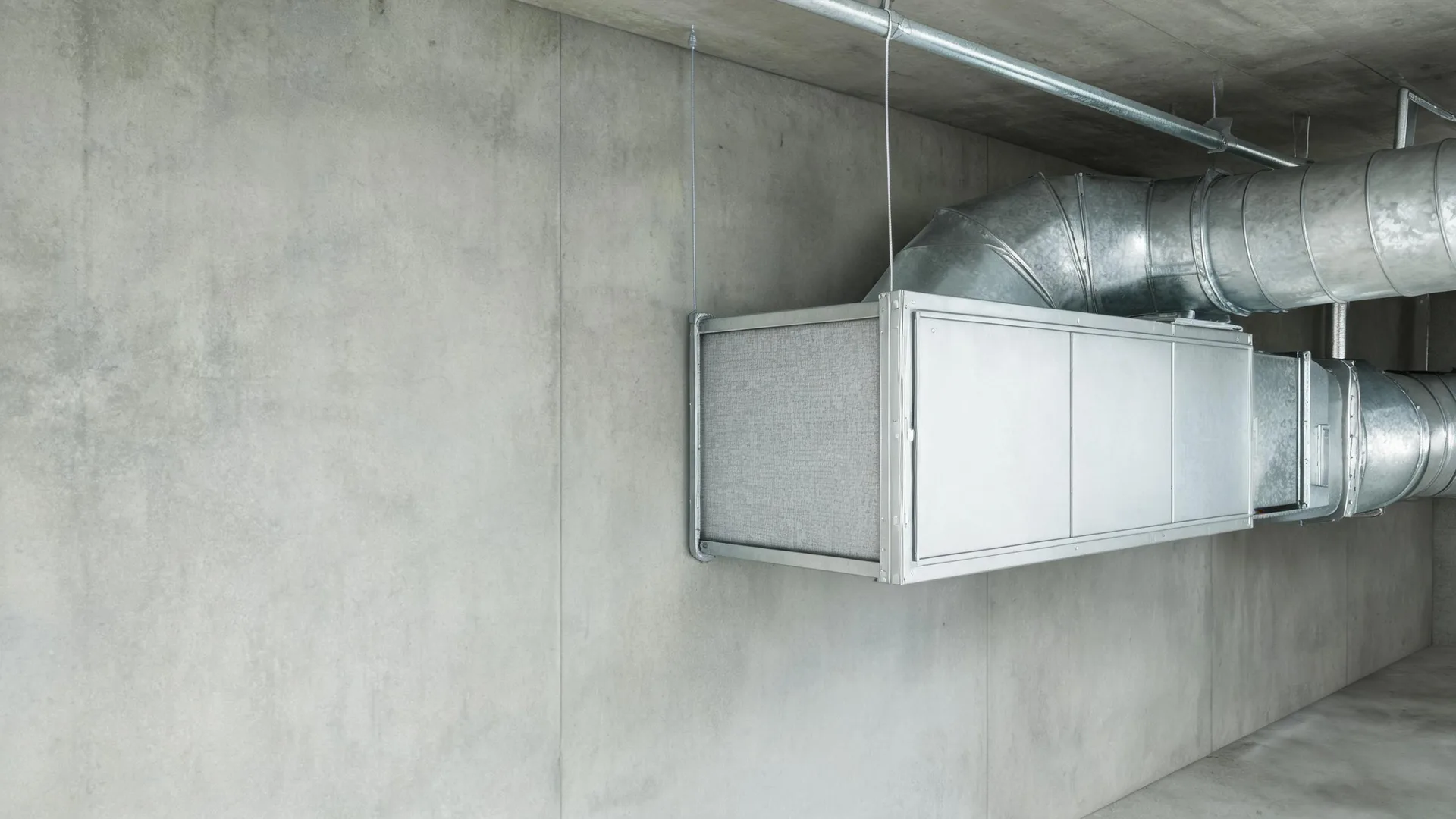
Ask how the ductwork was checked, not just the unit

A new condenser and air handler only perform as well as the ducts moving air to each room. Ask whether the installer tested airflow and checked for leaks, crushed runs, or duct sized wrong for the new equipment. A mismatched or leaky duct system will choke even a well chosen unit, and that problem sits hidden in the attic or crawlspace long after the installer leaves.

An outdoor air conditioning condenser unit positioned beside a blue-sided house at sunset.

A higher-efficiency unit would save about $30 a year to run in Caddo Parish compared with a new unit at the federal minimum.

  • A higher-efficiency unit$390 a year
  • A new unit at the federal minimum, 14.3 SEER2$420 a year

Estimates for a typical Caddo Parish home, from EIA household energy data, Louisiana fuel prices and NOAA climate normals. Your home will differ.

Installation day starts with the old equipment coming out, the condenser outside and the air handler or coil wherever it sits, in a closet, attic, or beside the furnace. The line set gets replaced or flushed, because leftover oil and debris from the old system will contaminate a new compressor. New equipment goes in, the lines get connected, and the system is pressure tested before anyone adds refrigerant, to make sure there are no leaks at the joints. Refrigerant charge comes next, weighed in to the manufacturer's spec rather than guessed at. Electrical work follows: a disconnect box at the condenser, a dedicated circuit, and low voltage wiring run to the thermostat. Before the crew leaves, a good installer checks airflow at the vents, confirms the thermostat is controlling the system correctly, and lets it run a full cycle to see that it's cooling and draining condensate the way it should.