Union Parish sees its share of storms
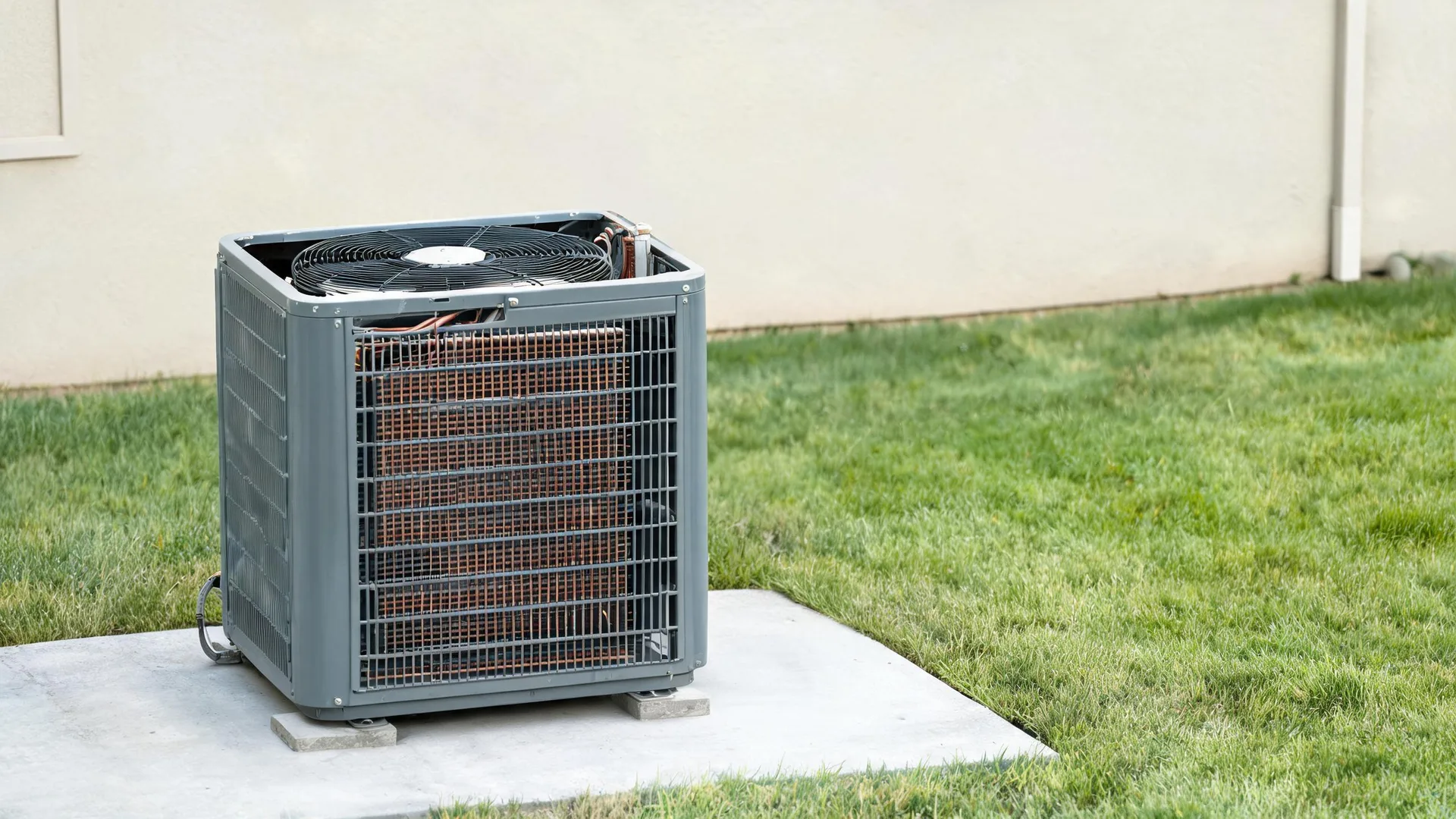
Union Parish logged 174 severe weather events between 2015 and 2024. That includes 112 damaging wind events, 37 hail events, and 15 tornadoes. A new outdoor unit here is going to face weather, not just heat.
Takes about a minute. No obligation.
Union Parish logged 174 severe weather events between 2015 and 2024. That includes 112 damaging wind events, 37 hail events, and 15 tornadoes. A new outdoor unit here is going to face weather, not just heat.
Close to half of Louisiana households went at least a full day without power in 2024. An air conditioner, and anything that makes hot water off electricity, stops working the moment the power does.

NOAA nClimDiv, 1991–2020 normals
Your AC will run five months straight here, May through September.
A system sized for that kind of season needs to be installed right, not just priced right.



Half the homes in Union Parish were built in 1987 or earlier. A house that age was almost never built with the ductwork a modern system expects. Supply runs, return size, the whole layout, all of it was sized for whatever unit went in decades ago. Put in a new system without checking that layout against the house and you get short cycling, weak airflow in the back rooms, or a unit working harder than it should. The install has to account for the house as it actually is, not just swap one box for another.
Ask where the new outdoor unit will sit and what will shield it from wind and hail. Ask what happens to cooling and hot water when the power drops, and for how long. Get those answers before the unit goes in, not after a storm finds the gap.
Find a contractor
A match proposal for your house should start with a load calculation, not a copy of the unit you're replacing. If the ductwork was never checked against the new system, this is the point to ask for that. The contractor doing the install should be able to tell you what size unit the house actually calls for and whether the existing supply and return runs can handle it.
An oversized air conditioner cools the air fast and shuts off before it pulls the moisture out of it. The house ends up cold and clammy at the same time. Rooms overshoot the thermostat while the air still feels damp. An undersized unit has the opposite problem. It never gets ahead of the heat, so it runs long and still can't hold the temperature on the hottest afternoons. Either way the house is uncomfortable, and either way the unit is working against itself instead of for the house.
The right size comes from a load calculation, a room by room look at square footage, window area, insulation, ceiling height, and how much shade the house gets. That number is what tells a contractor which unit to install, not the size of the system already sitting outside. A unit swapped in at the same size as the old one assumes the old one was sized right to begin with, and that's often not true.
Estimates for a typical Union Parish home, from EIA household energy data, Louisiana fuel prices and NOAA climate normals. Your home will differ.
Install day starts with the equipment sitting outside while the old system comes apart. The indoor coil and the outdoor unit both get disconnected, the refrigerant lines drained or recovered, and the old pad or mounting cleared off. A tech will check the line set, the copper tubing that connects indoor and outdoor units, and replace it if it's the wrong size for the new system or has been kinked or damaged over the years. New equipment goes in, lines get connected and sealed, and the whole system gets pressure tested before any refrigerant goes in, because a leak found after charging means doing that work twice. Once it holds pressure, the system gets charged to the manufacturer's spec and the electrical connections get checked, including the disconnect box outside and the breaker it runs on. Last comes airflow. A tech should check the supply registers for proper airflow and confirm the system is cycling the way it's supposed to before calling the job done.