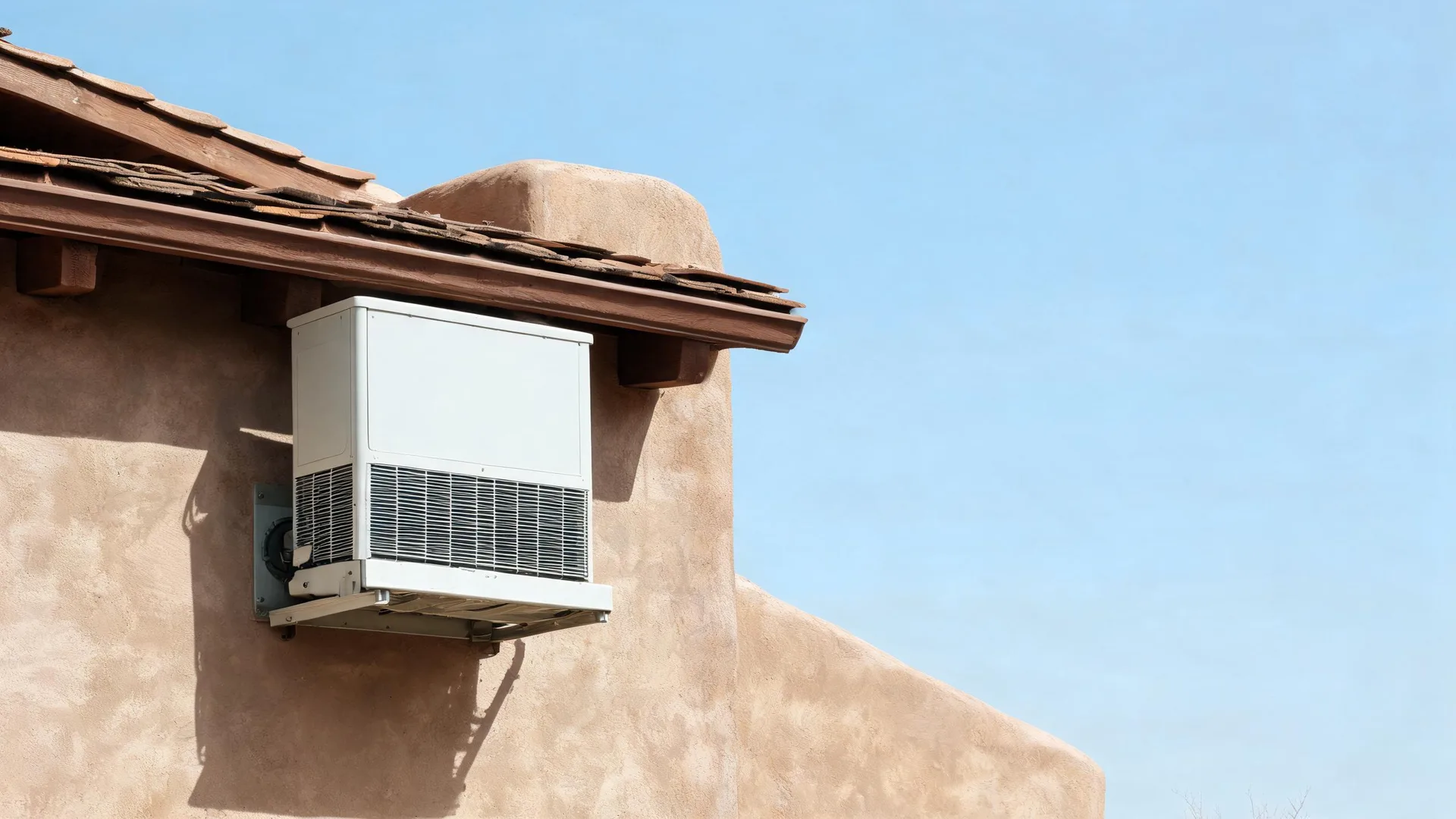
Most homes here run on electricity
Electricity heats 73.9% of homes in the parish, far more than utility gas at 23.7%. An electric furnace or heat pump paired with your new AC is the common setup in Laplace.
Takes about a minute. No obligation.
Electricity heats 73.9% of homes in the parish, far more than utility gas at 23.7%. An electric furnace or heat pump paired with your new AC is the common setup in Laplace.
If your home is already wired for electric heat, a heat pump can handle the cooling job and take over the heating load too. Ask your contractor whether one makes sense for your home alongside a straight AC swap.

NOAA nClimDiv, 1991–2020 normals
Cooling runs about seven months a year in Laplace, April through October.
A new system here needs to handle a long season, not just a few hot weeks.



A standard system sized correctly for your home will do the job here. Louisiana homes paid 11.73 cents per kilowatthour in 2024, which is below the national average, but a system that runs most of the year still adds up on a power bill if it's oversized or undersized for the house. Getting the size right matters more than chasing a premium efficiency rating. A contractor who runs a load calculation on your home, rather than guessing from square footage, will land on a unit that cools well without short cycling or running constantly. There's nothing about Laplace that calls for anything other than that.
Cooling starts in April here and runs through October. Installing before March means the work happens on your schedule, with time to size it right, not in the middle of a hot stretch when you need the AC already running.
Find a contractorGet the sizing done by a contractor who runs the numbers on your house, not one who quotes off square footage alone. Afternoon highs average 91°F through June, July and August, and the system has to hold up through all of it, day after day, for seven months straight. A unit sized right handles that load without straining. One sized wrong either short cycles in the shoulder months or runs flat out all summer trying to keep up.
A contractor measures window area, insulation, ceiling height, and which way rooms face before landing on a size. Square footage alone skips all of that, and houses the same size can need different tonnage because of it.
An oversized unit cools the air fast and shuts off before it pulls the moisture out, so the house feels clammy even at the right temperature. It also cycles on and off more, which wears the compressor faster than running a correctly sized system through a full afternoon.
Estimates for a typical St. John the Baptist Parish home, from EIA household energy data, Louisiana fuel prices and NOAA climate normals. Your home will differ.
Install day starts with the outdoor unit and the indoor coil, and both get swapped even if only one has failed. Mixing an old coil with a new condenser throws off the charge and can void the warranty. The old refrigerant gets recovered, not vented, and the line set gets checked for the right diameter before the new unit ties into it. Undersized lines starve the system no matter how well it's sized on paper. Once the new unit is set, the contractor pulls a vacuum on the lines to clear out moisture and air, then weighs in the refrigerant charge to the manufacturer's spec rather than running it until the lines feel cold. The last hour is the part that gets skipped most and matters most. That's checking airflow at the vents, checking the temperature split between the return and supply air, and making sure the thermostat is talking to the system the way it should. A system sized right but charged wrong or starved for airflow will still run poorly.