





A single-story brick house with a dark shingled roof set behind a lawn, framed by pine trees and a large spreading oak, photographed from a low angle with blurred grass in the foreground.

AC Installation in New Iberia, LA

Tell us about the job

Takes about a minute. No obligation.

New system or replacementCentral ACIberia Parish, LA
Step 1 of 2

What ZIP code is the job in?

Most homes in Iberia Parish heat with electricity, 64.1% of them. Gas reaches 33.7%, and barely any use propane. When central air goes in here, it's usually joining an electric furnace or heat pump already in place, not a gas furnace. That makes a heat pump or straight AC paired with electric backup the system most homeowners here are already set up for. If your home is one of the gas-heated homes, say so, since the installation will look different.

7 months
April through October, your air conditioner is on duty
90°F
the average summer afternoon it cools against
8 hail events
in ten years, and hail bends the fins on outdoor coils
13.4 SEER2
the federal minimum any new unit must meet
Isometric cutaway illustration of a house interior showing ducted air handling equipment, ceiling ducts, furniture in two rooms, and an outdoor condenser unit connected by lines outside the wall.
Your air conditioner works hardest from May through September.

NOAA nClimDiv, 1991–2020 normals

Half the homes in Iberia Parish were built in 1982 or earlier, half in 1982 or later.

A system sized to your home as it is now is what the install should turn on, not the year it was built.

March gets you a new system before it has to work

Cooling runs April through October
Summer afternoons average 90°F
Power costs 11.73 cents a kWh statewide
Built to stay standardNothing about wind, hail or storm risk here calls for oversizing a system or upgrading past what the home needs.

Iberia Parish sits in climate zone 2A, a hot and humid zone where cooling runs most of the year. Any split-system AC installed here has to meet the Southeast's regional minimum, not just the national one. For units under 45,000 Btu/h, that floor is 14.3 SEER2. For larger units, it's 13.8 SEER2. That's higher than what the federal minimum requires elsewhere in the country, so a unit that's legal to install in another state may not meet the standard here. A federal tax credit is available for qualifying high-efficiency equipment, on top of meeting that minimum.

Standard efficiency, sized right, is the install to make here

Electricity here runs 11.73 cents per kilowatt-hour, in line with the rest of the state. That rate doesn't push the math toward a bigger unit or a higher efficiency tier than the regional minimum already set above you. A correctly sized system at that standard is the install to make. The only thing worth planning around is getting the size right for your home.

Find a contractor
A gray residential air conditioner condenser unit mounted on a concrete pad in an open grass field.

Seven months of cooling, every year this system is in the house

Cooling runs about seven months here, April through October. Afternoon highs average 90°F through June, July and August. That is the stretch a new system has to carry every single year, not just a few weeks of peak heat. A system sized right for your home will run those months the way it was built to. One sized wrong will run longer hours than it should under that kind of heat, and parts wear sooner for it. Getting the size right at installation is what keeps those seven months from costing you more than they should.

The load calculation sets the price before anything else does

A contractor measures your home, room by room, to figure out how much cooling it actually needs. That number decides what size unit goes in, how much ductwork has to change, and whether your electrical can take it as is. Skip that step and you're pricing the wrong job.

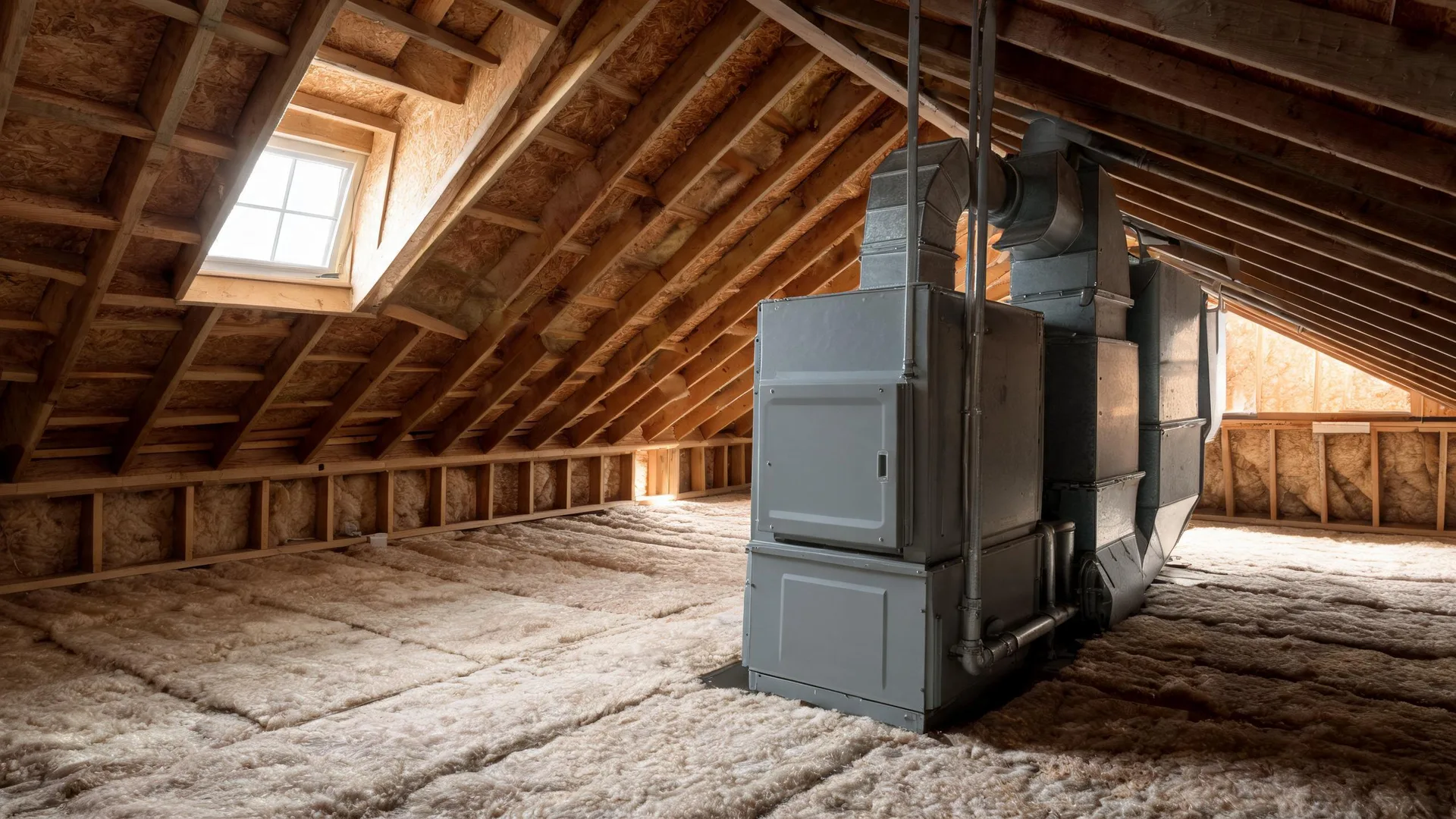
What's already there changes what has to happen

Ductwork that fits the new system stays as it is. Ductwork that doesn't gets modified or replaced, and that's labor and material beyond the unit itself. A heat pump or AC draws power differently than what's there now, so the panel or disconnect sometimes needs work to match it.

Overhead view of a gray residential air conditioning condenser unit mounted on a concrete pad beside a house with asphalt shingle roofing.

A higher-efficiency unit would save about $30 a year to run in Iberia Parish compared with a new unit at the federal minimum.

  • A higher-efficiency unit$460 a year
  • A new unit at the federal minimum, 14.3 SEER2$490 a year

Estimates for a typical Iberia Parish home, from EIA household energy data, Louisiana fuel prices and NOAA climate normals. Your home will differ.

Install day starts with the old equipment coming out, not the new one going in. The outdoor unit gets disconnected and hauled off, the indoor coil comes out of the plenum, and if a furnace or air handler is being swapped too, that comes apart next. Refrigerant lines get cut back or replaced rather than reused, since old line sets can carry contamination into a new system. Once the space is clear, the new coil sets into the plenum, the line set runs and gets brazed, and the outdoor unit sets on its pad. Everything gets pulled into vacuum to clear out air and moisture before refrigerant ever goes in, since either one left behind will damage a compressor over time. The system gets charged, powered up, and run through its paces checking airflow, temperature split across the coil, and that the thermostat is actually talking to the equipment. A tech who rushes the vacuum or skips the startup check is leaving problems for later instead of catching them on the spot.