





Single-story brick and siding houses with covered porches behind a trimmed hedge and lawn, framed by large oak branches draped with hanging moss under an overcast sky.

AC Installation in Monroe, LA

Tell us about the job

Takes about a minute. No obligation.

New system or replacementCentral ACOuachita Parish, LA
Step 1 of 2

What ZIP code is the job in?

Ouachita Parish saw 140 severe weather events between 2015 and 2024. Most of that was wind, 86 events, with 39 hail events mixed in and 8 tornadoes touching down. A new AC install here means thinking about where the outdoor unit sits and what might hit it. Power cuts matter just as much as the storms themselves. Almost half of Louisiana households, 49%, went at least 24 hours without power in 2024. A system that can't ride that out leaves you without cooling right when a storm just came through.

6 months
May through October, your air conditioner is on duty
92°F
the average summer afternoon it cools against
39 hail events
in ten years, and hail bends the fins on outdoor coils
13.4 SEER2
the federal minimum any new unit must meet
Isometric cutaway illustration of a house showing interior ductwork, an air handler, and an outdoor condenser unit connected by lines, with simple furniture in the rooms.
Your air conditioner works hardest from June through September.

NOAA nClimDiv, 1991–2020 normals

Cooling runs six months here, May through October, with afternoon highs averaging 92°F and air that heavy on top of it.

An AC sized for an easier climate will struggle through a Monroe summer.

Cooling starts in May. Get it installed before then.

Cooling runs May through October
Summer afternoons average 92°F
Power here costs 12.03 cents per kilowatt-hour
Built for How Monroe HeatsTwo out of three homes here run on electric heat, and central air shares the same ductwork.

Any new split system going in here has to hit 14.3 SEER2, the efficiency floor for this region under federal rules, a step above what cooler parts of the country require. Ouachita Parish sits in climate zone 3A, warm and humid with a long cooling season, which is why the Southeast gets held to a higher number than places that barely run their AC. That floor narrows what a contractor can offer. Below 45,000 Btu an hour, the unit has to meet 14.3 SEER2. Larger units, 45,000 Btu/h and up, have their own number, 13.8. A system installed today already meets the standard built for this climate, not an easier one somewhere else.

Plan the install around the outages, not just the heat

Decide now where the new outdoor unit will sit and what could fall on it or blow into it. Ask the contractor about surge protection and what the system needs to come back on its own once power is restored. A install done ahead of storm season is one less thing to work out while the power is still out.

Find a contractor
A gray metal air conditioning condenser unit mounted on a concrete pad in a flat grassy field under a partly cloudy sky.

Six Months a Year, Working Against 92 Degrees

Six months of runtime a year, May through October, with afternoon highs near 92 degrees through the hardest stretch of it. That is what the compressor is working against most days, not a mild morning. A unit sized off the old tonnage instead of a proper load calculation either runs nonstop trying to keep up or short cycles and never pulls the humidity down. Get the load calculated for this house.

What SEER2 Actually Measures

SEER2 is a cooling season average, not a fixed speed the compressor runs at. It compares the cooling a system delivers against the power it draws over a full season of starts, stops and partial loads, not one moment at full blast. A higher number means the compressor is getting more cooling out of the same electricity across all those conditions, mild days and brutal ones alike. It says nothing about how big the system is or how fast it cools a room.

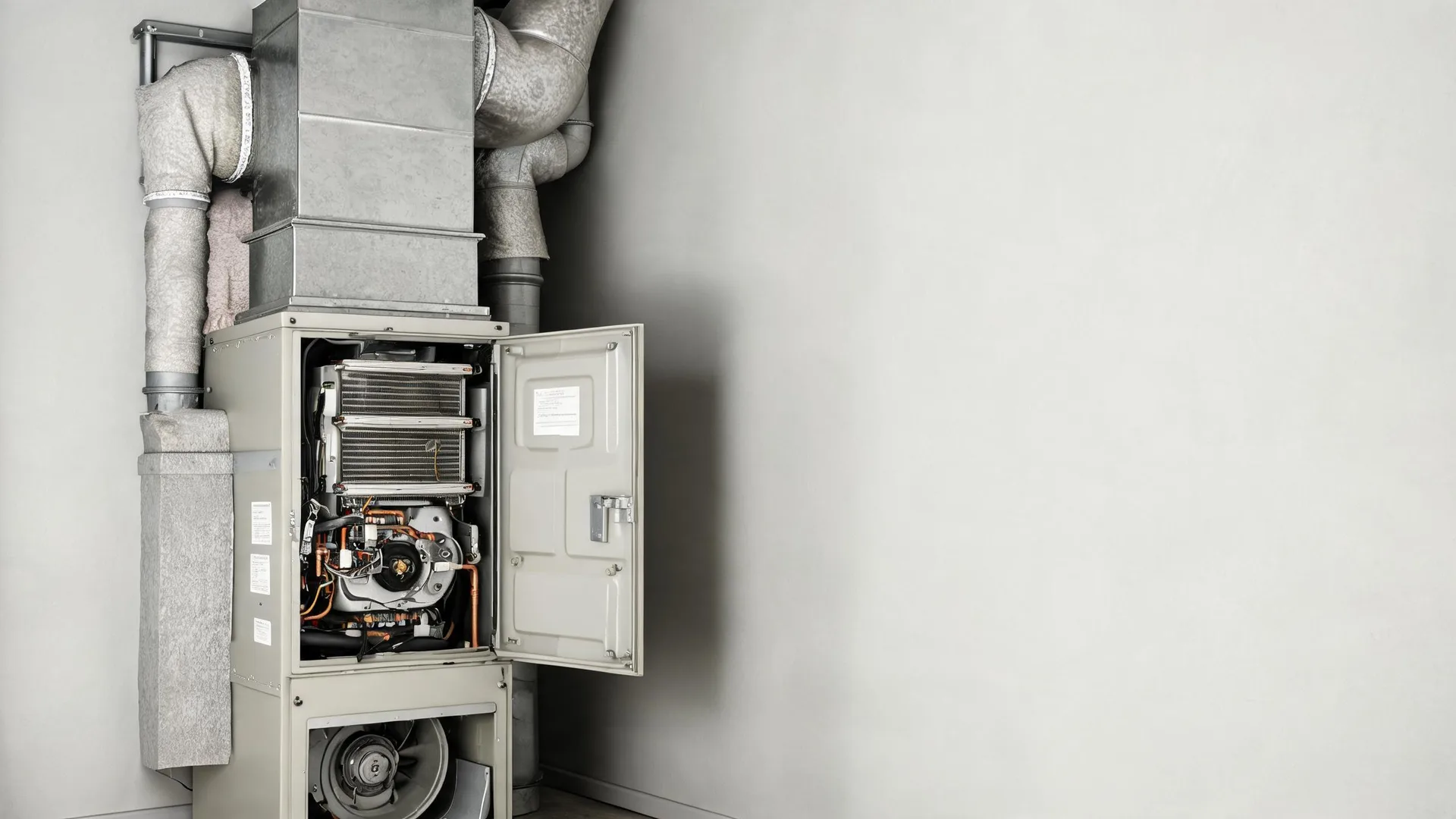
Why the Number Alone Won't Tell You Enough

Two systems with the same SEER2 rating can still perform differently once installed. Duct leaks, a bad refrigerant charge, or a system sized wrong for the house will all drag down the efficiency the label promises. The rating assumes correct installation and a properly matched coil and condenser. A high SEER2 unit put in wrong can run worse than a lower rated one installed right, so the install matters as much as the number on the sticker.

Overhead view of a gray outdoor AC condenser unit on a concrete pad beside a mulched garden bed and a house with vinyl siding.

Going above the federal minimum saves little here, about $20 a year.

  • A higher-efficiency unit$380 a year
  • A new unit at the federal minimum, 14.3 SEER2$400 a year

Estimates for a typical Ouachita Parish home, from EIA household energy data, Louisiana fuel prices and NOAA climate normals. Your home will differ.

Install day starts with the old system coming out, indoor coil and outdoor unit both, along with the line set if it's not being reused. The contractor checks the ductwork before setting anything new in place. Leaks, crushed runs, or ducts sized for a different tonnage all have to be sorted now, because the new unit can't correct for them later. Setting the outdoor unit means getting it level on its pad, with clearance on all sides for airflow. Once the indoor coil and outdoor unit are both in place, the line set gets connected, the system is evacuated to pull out moisture and air, then charged with refrigerant to the exact weight the manufacturer specifies. After that, the contractor checks static pressure in the ducts, confirms the thermostat is wired right, and runs the system through a full cycle to make sure it's cooling and holding charge before calling the job done.