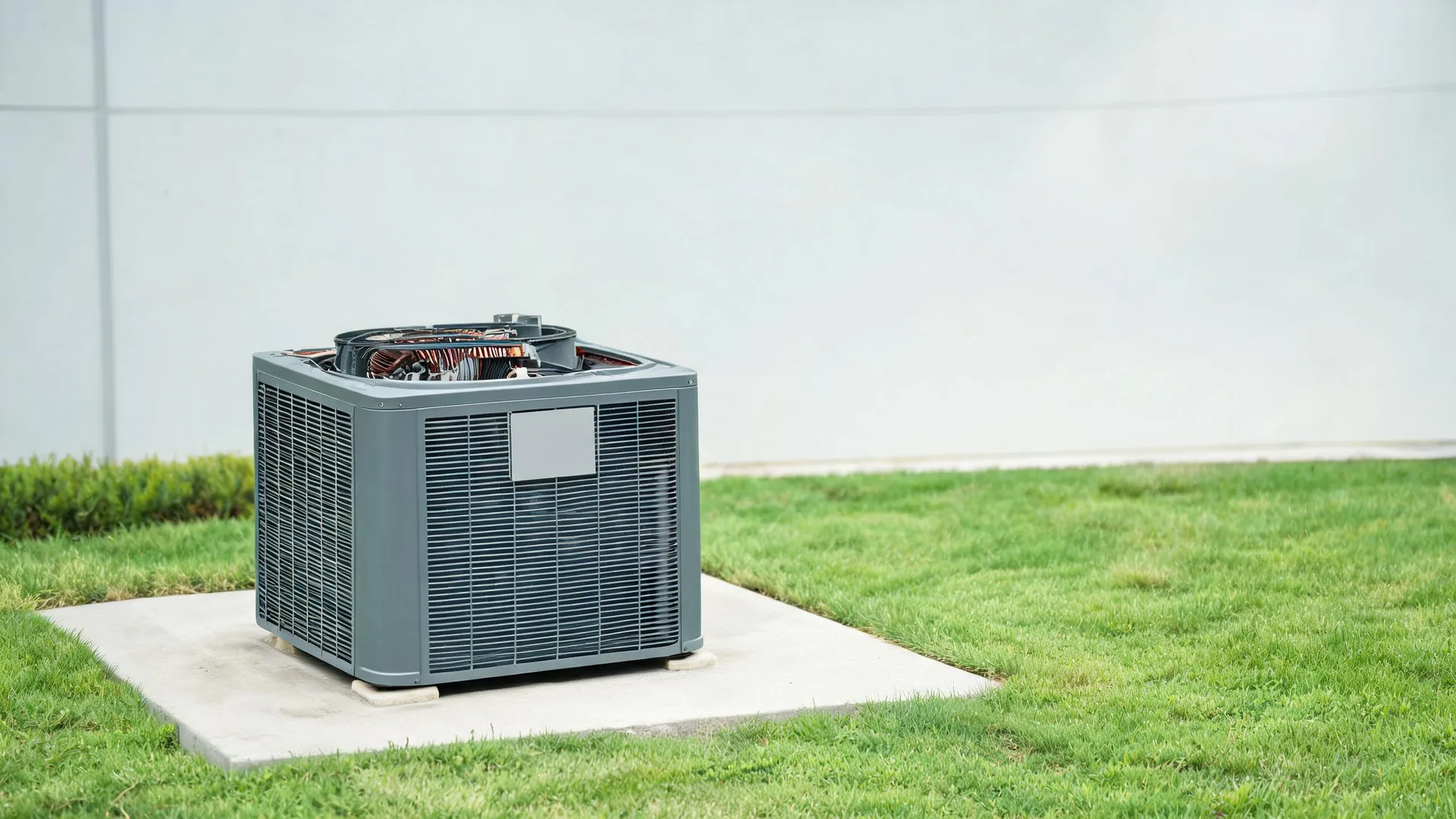
Electricity here runs cheaper than most places
Homes in St. Landry Parish paid an average of 12.99 cents per kilowatt-hour in 2025, lower than most US counties. That rate works in your favor, but only if the system using it runs well.
Takes about a minute. No obligation.
Homes in St. Landry Parish paid an average of 12.99 cents per kilowatt-hour in 2025, lower than most US counties. That rate works in your favor, but only if the system using it runs well.
An air conditioner you install now will run on St. Landry Parish power for as long as it lasts. How efficiently it turns that cheap electricity into cooling decides what you pay every summer it's in your house.
NOAA nClimDiv, 1991–2020 normals
St. Landry Parish hits a 91°F afternoon high all through June, July and August, with a dew point around 73°F.
A new system here runs nearly every day from April through October, so it earns its keep or costs you for years.




Cooling runs seven months here, April through October. Once April hits, that system is working every day until fall, so this isn't a job to start mid season. March is the month before it all starts, and it's the quiet one. Nobody's thinking about their AC yet, which is exactly why it's the right time to put one in. You get the system sized and installed on your schedule, not while it's already hot and you're choosing from whatever's on hand.
Your rate is already in your favor. What you install now decides whether it stays that way. A unit that runs efficiently turns that low rate into a low bill, every month it's working. One that doesn't still runs on the same power, at the same rate, all the years it's in your house.
Find a contractor
Seven months of cooling here means this system runs more hours a year than one installed almost anywhere else. At a 91°F afternoon high, the compressor works harder each of those hours too. That adds up to real wear over the life of the unit, so the sizing matters more here than in a milder climate. Too big and it short cycles, turning on and off without running long enough to pull the moisture out of the air. Too small and it runs flat out all summer trying to keep up. Either way shows up as a system that wears faster and costs more to run than it should. Get the sizing right at install and the rest of what you pay for cooling takes care of itself.
A contractor has to work out the heat load for the house before quoting anything. That means measuring the square footage, checking window placement and insulation, and looking at how the ductwork is laid out. Skip that step and you get a system that's wrong for the house, no matter what it costs. The load calculation is what the rest of the quote is built on.
A new air conditioner only performs as well as the ducts feeding it. Undersized or leaky ductwork forces the system to work harder to push air through, and that strain shows up as wear on the compressor and the blower motor. If the ducts need sealing, resizing or replacing to match the new system, that work costs more than the unit sitting in the yard. A contractor who checks the ducts before quoting is pricing the job, not just the equipment.
Estimates for a typical St. Landry Parish home, from EIA household energy data, Louisiana fuel prices and NOAA climate normals. Your home will differ.
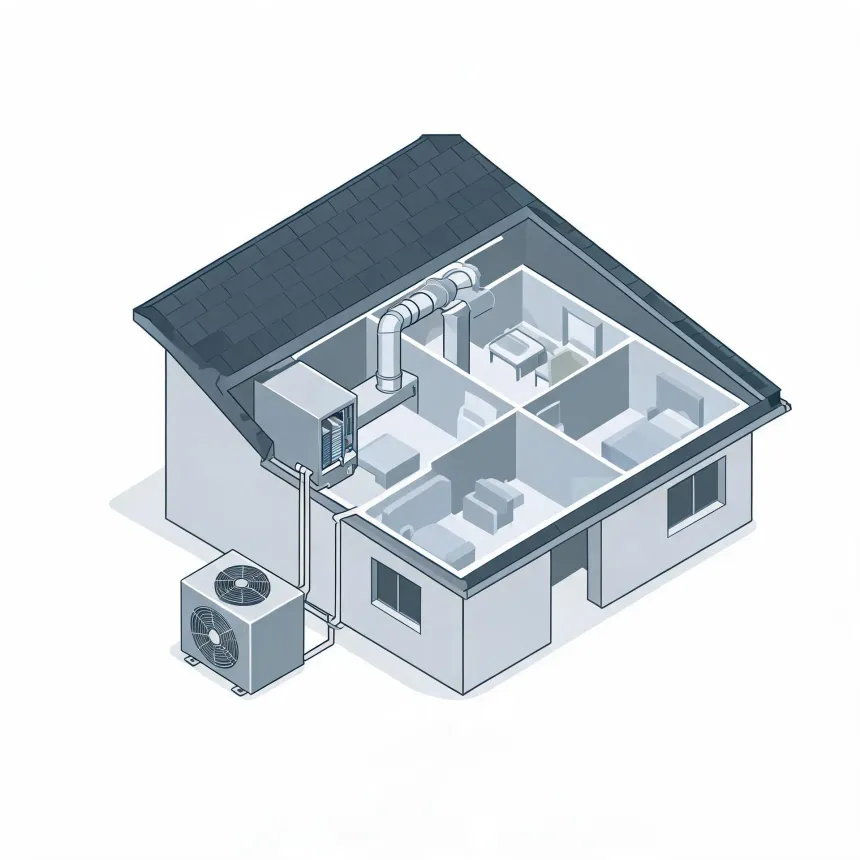
Install day starts with the old system coming out, if there is one. The outdoor unit, the indoor coil, the line set connecting them, all of it gets disconnected and hauled off. A contractor who finds the line set corroded or the wrong size for the new unit will replace it rather than reuse it, since the new system depends on it holding the correct charge. Setting the new outdoor unit means a level pad and enough clearance around it for air to pull through the coil. Inside, the coil goes in above or beside the furnace or air handler, and that's where a mismatched size will show up fast, so this is checked against the load calculation done before the quote. Once everything's connected, the system gets charged with refrigerant to the exact amount the manufacturer specifies, then run through its paces checking airflow at the vents, the temperature drop across the coil, and that the thermostat is actually talking to the equipment. None of that is visible once the covers go back on, which is why it has to be done right the first time.