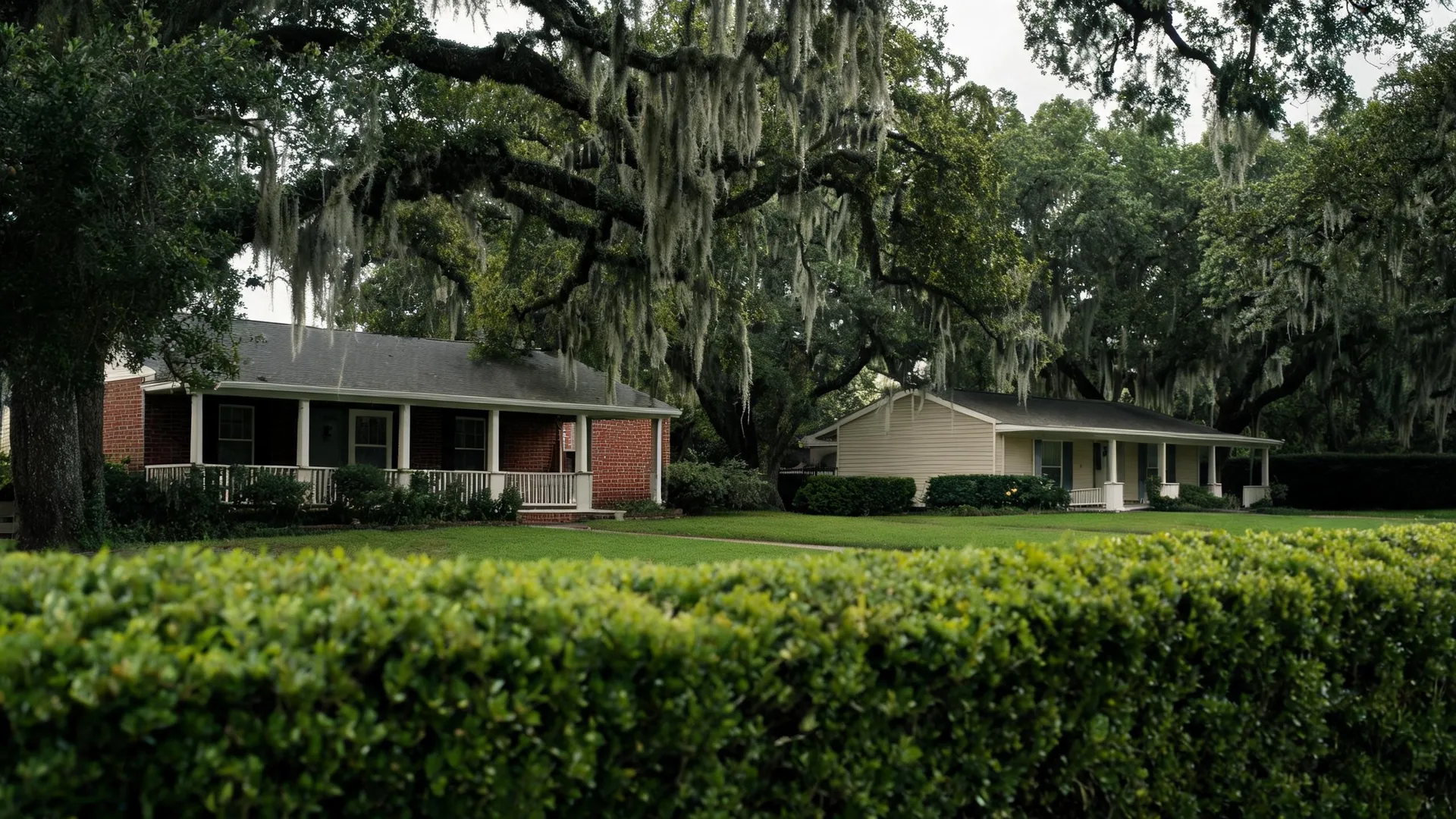





Two single-story houses, one of red brick with a white-columned porch and one with pale siding, sit behind a mown lawn and a trimmed hedge, beneath large moss-draped oak trees.

AC Installation in Leesville, LA

Tell us about the job

Takes about a minute. No obligation.

New system or replacementCentral ACVernon Parish, LA
Step 1 of 2

What ZIP code is the job in?

Vernon Parish saw 83 severe weather events between 2015 and 2024. Most of that was wind, 39 events, with 25 hail events and 15 tornadoes in the same stretch. A new outdoor unit sits outside through all of it, exposed to wind-driven debris and hail. Power cuts follow the same storms, and statewide, close to half of Louisiana households went at least a day without power in 2024. A day without power means a day without cooling and, for most homes here, without hot water too, since electricity runs both.

6 months
May through October, your air conditioner is on duty
92°F
the average summer afternoon it cools against
25 hail events
in ten years, and hail bends the fins on outdoor coils
13.4 SEER2
the federal minimum any new unit must meet
Isometric cutaway illustration of a house interior showing ducted air handling equipment and duct runs through rooms, connected by piping to an outdoor condenser unit on a pad outside the wall.
Your air conditioner works hardest from May through September.

NOAA nClimDiv, 1991–2020 normals

Afternoon highs average 92°F here from June through August, with a dew point near 72°F that makes the air feel heavier than most of the country.

Your new system runs against that heat and heavy air six months a year, from May through October, and that load wears parts down sooner than in milder places.

At 13.84 cents a kilowatt-hour, every bit of efficiency shows up on the bill

Power here costs 13.84 cents per kilowatt-hour
Climate zone 3A
Cooling runs May through October

Cooling runs May through October here, so April is the month to get a new system in place. Have it installed before the season starts and the job happens on a normal schedule, with time to size the unit right and run the startup checks properly. Wait until the old one quits on a hot day, and you're choosing from whatever's available, installed fast because the house is already hot. Getting the new unit in before May means it's running clean before six months of load start, not during them.

Plan for the storm before you plan for the heat

Where the new unit goes and how it's mounted is worth deciding now, before it's in the ground. A pad set clear of fence lines and sheds, a unit strapped down, some thought to what could blow into it in a storm. Ask too what happens to cooling and hot water if the power drops, since both run on electricity here. That's a plan worth having before the first storm of the season, not after.

Find a contractor
A gray cylindrical air conditioning condenser unit mounted on a concrete pad next to a light-colored vinyl-sided house exterior.

Six months a year, every year

Six months of that load adds up. A unit sized right for this house handles it without straining, one sized wrong runs longer and harder to keep up, every day from May to October. That gap shows up in how soon parts wear, not right away but sooner than it should. Get the sizing right at installation, and don't let a lower price talk you into a unit that's a size off.

The rating tells you the ratio, not the bill

The efficiency number on the label is a ratio of cooling output to power used over a season of typical weather. A higher number means the compressor and coil pull more cooling from the same electricity. It's measured under set conditions in a lab, not in your house, so it's a way to compare one unit against another, not a promise of what your bill will look like.

That rating only holds if the rest of the job is right

A high-efficiency unit still needs the refrigerant charge set correctly, the airflow matched to the coil, and the ductwork sized to move that air without strain. Get any of those wrong and the unit runs at a lower efficiency than its label the whole time you own it. The rating describes the equipment. What you actually get depends on how it's installed.

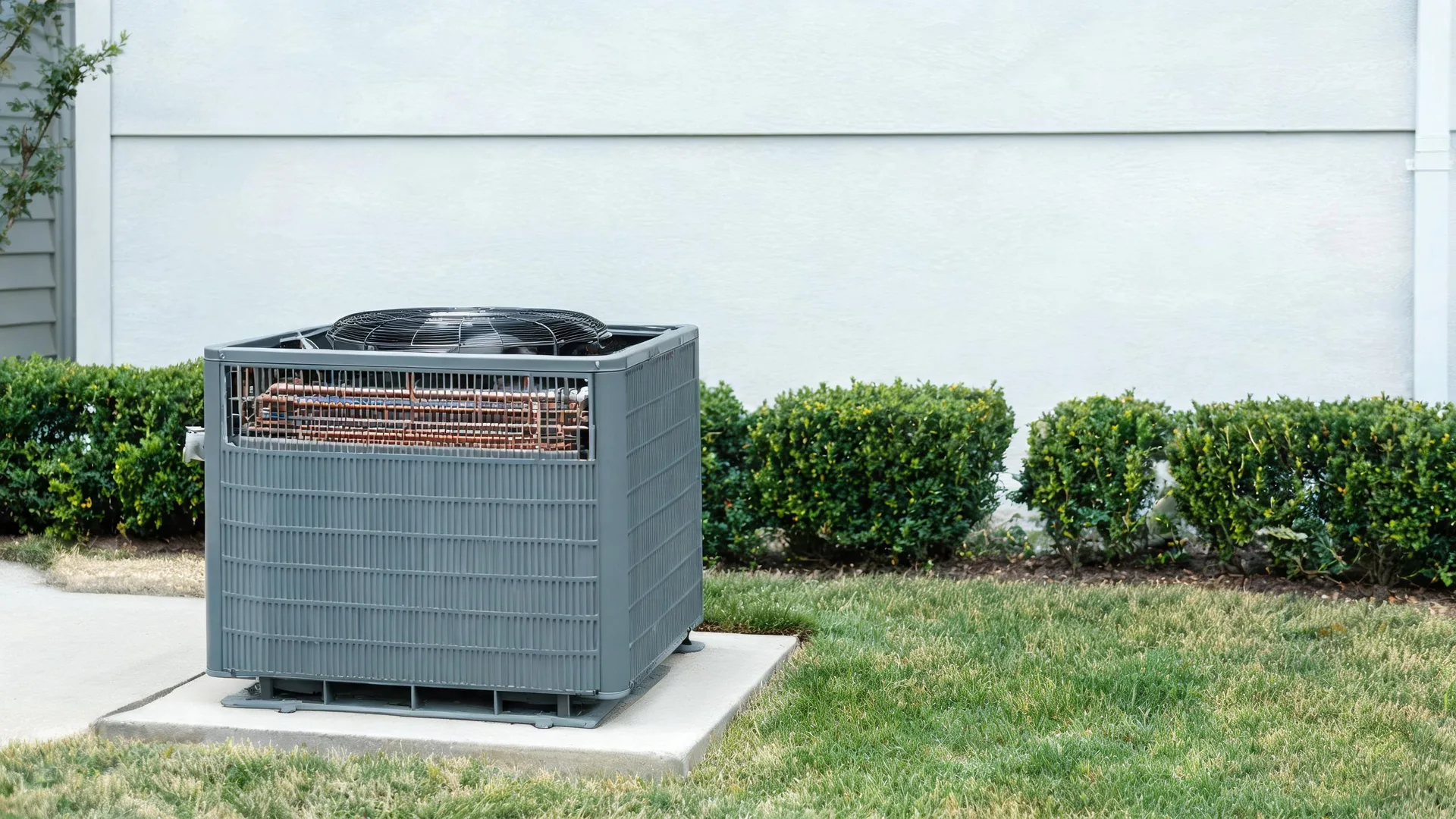
Overhead view of a gray residential air conditioning condenser unit mounted on a concrete pad beside a house with asphalt shingle roofing.

Going above the federal minimum saves little here, about $20 a year.

  • A higher-efficiency unit$400 a year
  • A new unit at the federal minimum, 14.3 SEER2$420 a year

Estimates for a typical Vernon Parish home, from EIA household energy data, Louisiana fuel prices and NOAA climate normals. Your home will differ.

Installation starts with a load calculation, not a guess based on the old unit's size. A tech measures the house, checks the windows and insulation, and figures out how much cooling the space actually needs. Once the new unit is set on its pad and leveled, the refrigerant lines get connected and tested for leaks before anything is charged. The ductwork gets checked too, since even a good unit struggles if the air can't move through the ducts the way it should. Startup is its own step: running the system, checking the refrigerant charge against the manufacturer's numbers, and confirming the airflow at the vents. A job that skips that last part can look finished and still run wrong for years.