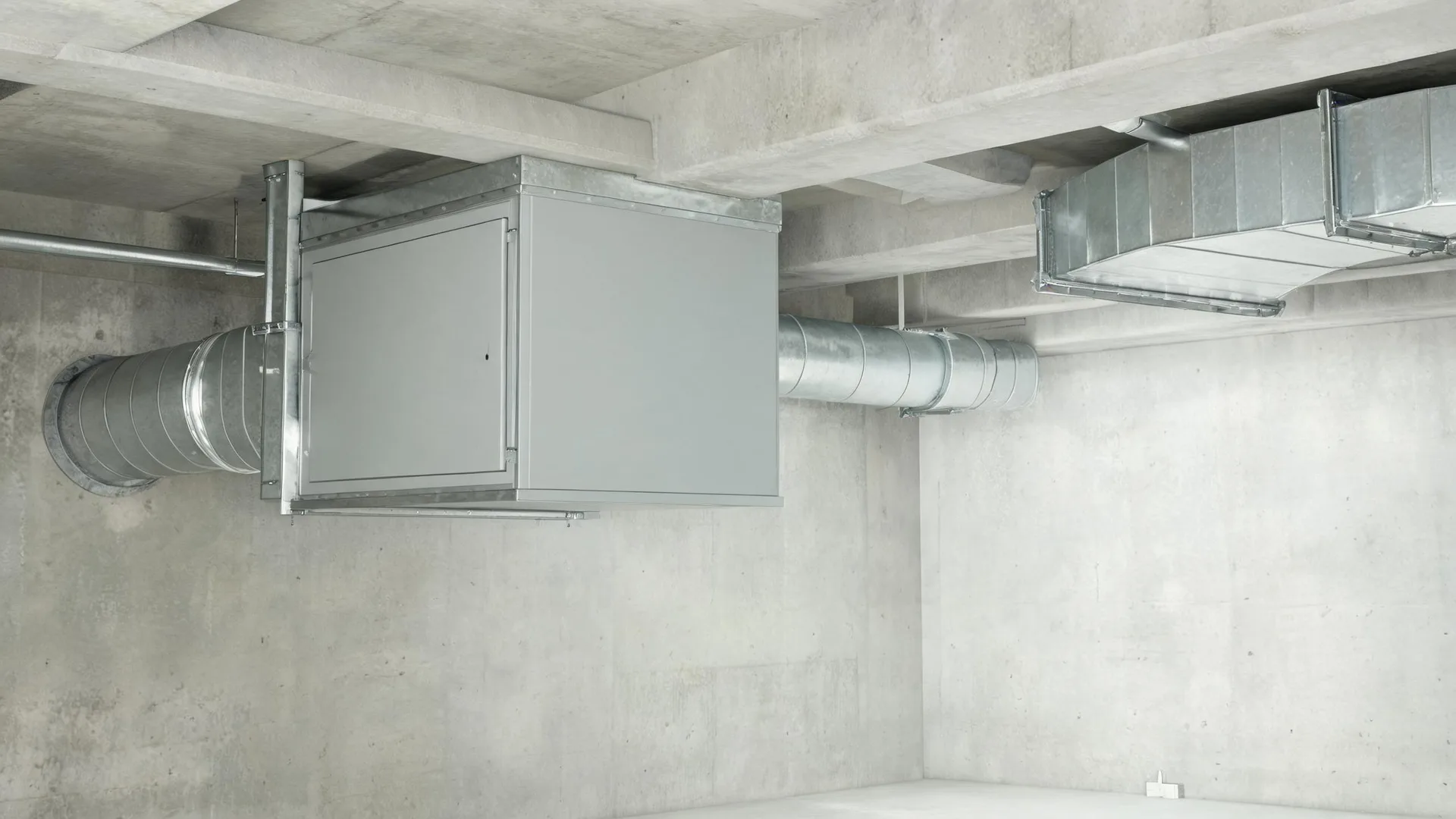
Most homes here run on electric heat
Electricity heats 69.6% of occupied homes in Assumption Parish. Gas heat is out there too, at 29.5%, but electric is what most houses already have.
Takes about a minute. No obligation.
Electricity heats 69.6% of occupied homes in Assumption Parish. Gas heat is out there too, at 29.5%, but electric is what most houses already have.
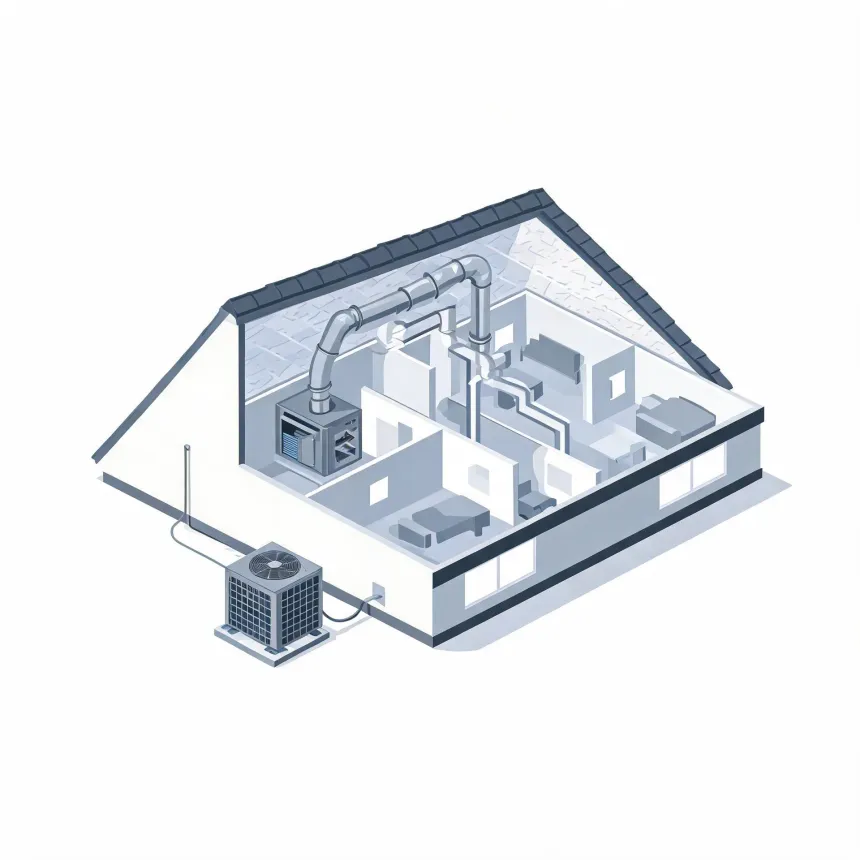
If your home already heats with electricity, a heat pump can cover both the AC and the heating side with one system. Ask your contractor whether that fits your house better than a straight AC swap.
NOAA nClimDiv, 1991–2020 normals
The size of the unit has to match the house, not the budget.
A system that's too big or too small for the space costs more to run and wears out faster.




A standard central AC, sized to the house, is what this job calls for. Nothing about the electric rate here pushes toward a pricier or more efficient unit than you'd put in anywhere else. Louisiana homes paid 11.73 cents per kilowatthour in 2024, in line with what you'd expect, not a number that changes the math on bigger equipment paying for itself faster. Get the sizing right and a standard unit will run fine for years.
Cooling runs April through October here, about seven months straight. Put a new system in during March and it's ready when the weather turns, installed on a normal schedule instead of a rushed one.
Find a contractorWhatever you put in runs April through October, about seven months. June through August, it's working against a 91 degree afternoon, day after day. That's the stretch where a correctly sized system earns its keep, and where one that's too big or too small shows its problems first.
A contractor should walk the house, check the windows and insulation, and run the numbers before naming a size. If someone quotes a size off the square footage alone or matches what was already there, ask why. The old system might have been wrong from the start.
A new system moves air through the same ducts the old one used, unless someone tells you otherwise. If the ducts are too small, leaky, or poorly laid out, the new unit will fight them the same way the old one did. Ask whether the ducts were inspected, not just the equipment.
Estimates for a typical Assumption Parish home, from EIA household energy data, Louisiana fuel prices and NOAA climate normals. Your home will differ.
Install day starts with the old equipment coming out, not the new one going in. The indoor coil and outdoor unit both get disconnected, the refrigerant lines opened up, and the old pad or platform checked before anything new sits on it. New line sets get run if the old ones don't match the new equipment. That means brazing joints and pulling a vacuum on the system before any refrigerant goes in. That vacuum step matters more than it looks. Any moisture or air left in the lines will work against the compressor for as long as the system runs. Once the unit is set, charged, and wired, a tech checks the refrigerant charge against the manufacturer's numbers rather than just turning it on and feeling for cold air. A rushed charge or a skipped vacuum is the kind of mistake that does not show up until the first real hot stretch.