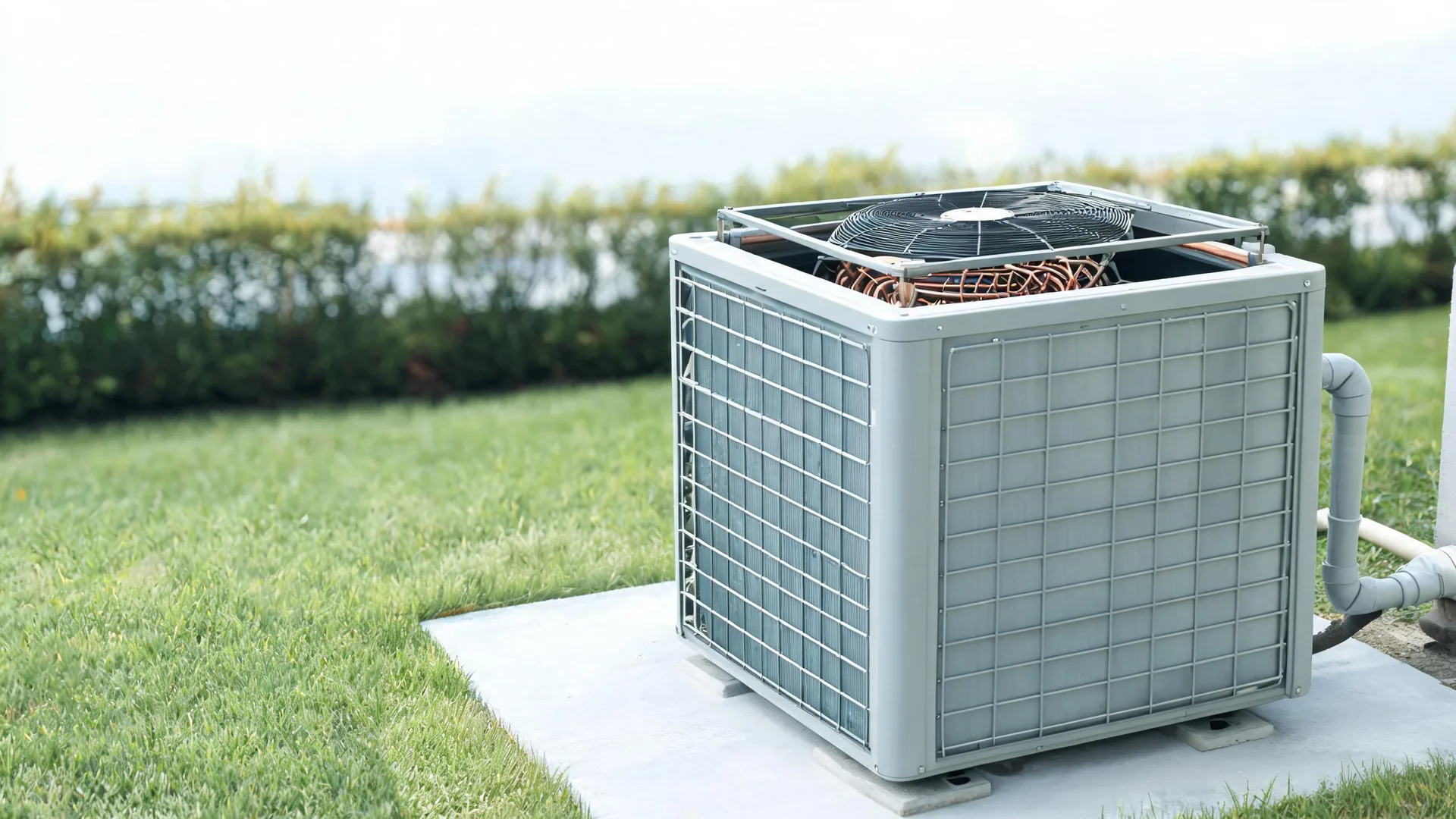
Most homes here run on electricity
Electricity heats 71.6% of occupied homes in Evangeline Parish, with utility gas a distant second at 23.8%. A new AC installed here is almost always paired with an electric furnace or heat pump, not a gas furnace.
Takes about a minute. No obligation.
Electricity heats 71.6% of occupied homes in Evangeline Parish, with utility gas a distant second at 23.8%. A new AC installed here is almost always paired with an electric furnace or heat pump, not a gas furnace.
When the whole house is already wired for electric heat, a heat pump can handle both the cooling job and the heating job through one outdoor unit. Worth asking about alongside a straight AC system.
NOAA nClimDiv, 1991–2020 normals
The size of the unit has to match the house, not the budget.
An oversized system cools the air fast but never runs long enough to pull the moisture out, so the house feels damp even when it's cold.




Seven months of cooling a year is a long season, and a 92 degree afternoon in July asks more of a system than the same unit would give up north. That's the stretch from April through October, not just a few weeks in August. A unit sized right for this house will run long enough on those afternoons to actually pull the humidity down, not just chase the thermostat number. A load calculation for this house, not a guess based on square footage, is what gets that sizing right.
Evangeline Parish is in the Southeast efficiency region, and new AC here has to meet 14.3 SEER2 below 45,000 Btu/h, higher than the national minimum of 13.4. That narrows the field to units built for this. A federal tax credit is available on qualifying equipment, worth asking about alongside the install quote.
Find a contractorHalf the homes in Evangeline Parish were built in 1980 or earlier, half in 1980 or later. Neither age calls for anything special in a cooling system. Mobile homes make up 14.8% of the housing here, and a system for one of those still comes down to the same load calculation as any other house. Older or newer, single-wide or site-built, a system sized to the house through that calculation will hold up through the months it runs. There's no local reason to size up or chase a higher efficiency rating than the job calls for.
A contractor doing the swap has to recover the refrigerant from the old system before any of it comes apart. That's not optional and it's not a courtesy, it's how the work has to be done. The lines and coil get drained properly, then the unit comes out.
If the concrete pad outside is still level and in good shape, a new outdoor unit can usually sit right on it. Same with the line set running to the indoor coil, depending on its condition. What goes in new every time is whatever doesn't match the new system's specs.
Estimates for a typical Evangeline Parish home, from EIA household energy data, Louisiana fuel prices and NOAA climate normals. Your home will differ.
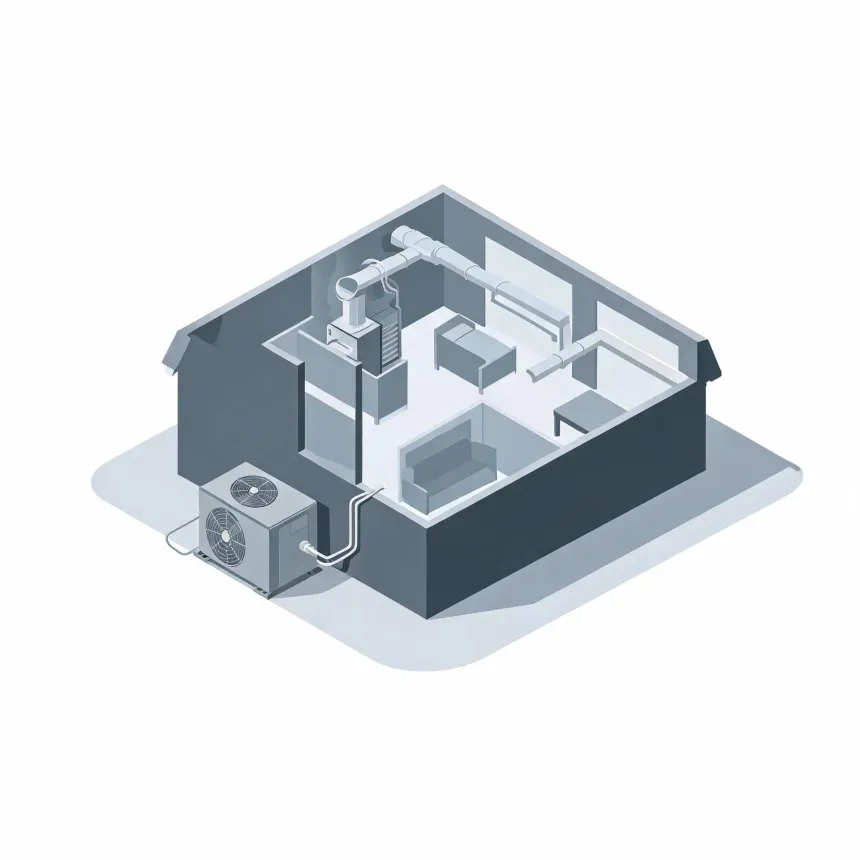
The crew shows up with the outdoor unit, the indoor coil, and whatever line set and pad work the old system didn't leave usable. First the old system comes out, refrigerant recovered, lines drained, pad and wiring checked over. The new coil goes in on top of or beside the furnace or air handler, wherever the old one sat. The outdoor unit gets set, the lines run and connected, then the whole thing gets evacuated to pull moisture and air out of the lines before any refrigerant goes in. After that it's a charge check, a run through the thermostat, and airflow readings at the vents to confirm the system is moving what it should. A clean install ends with the old equipment hauled off and the new system running on its own, not just powered on.