






A lit antebellum-style two-story house with white columns and a wraparound porch at night, framed by live oak trees draped in Spanish moss.

AC Installation in Crowley, LA

Tell us about the job

Takes about a minute. No obligation.

New system or replacementCentral ACAcadia Parish, LA
Step 1 of 2

What ZIP code is the job in?

Electricity in Acadia Parish runs 13.41 cents per kilowatt-hour on average, cheaper than most of the country. That sounds like good news, and it is. But a new air conditioner here still runs more hours than one in a milder state, just to keep up with the season. Low rates help. They do not erase the fact that a unit working harder all summer pulls more power, no matter what it costs per hour. How efficiently that unit turns electricity into cooled air matters just as much here as anywhere, maybe more, since it is running so much of the time.

7 months
April through October, your air conditioner is on duty
91°F
the average summer afternoon it cools against
19 hail events
in ten years, and hail bends the fins on outdoor coils
13.4 SEER2
the federal minimum any new unit must meet
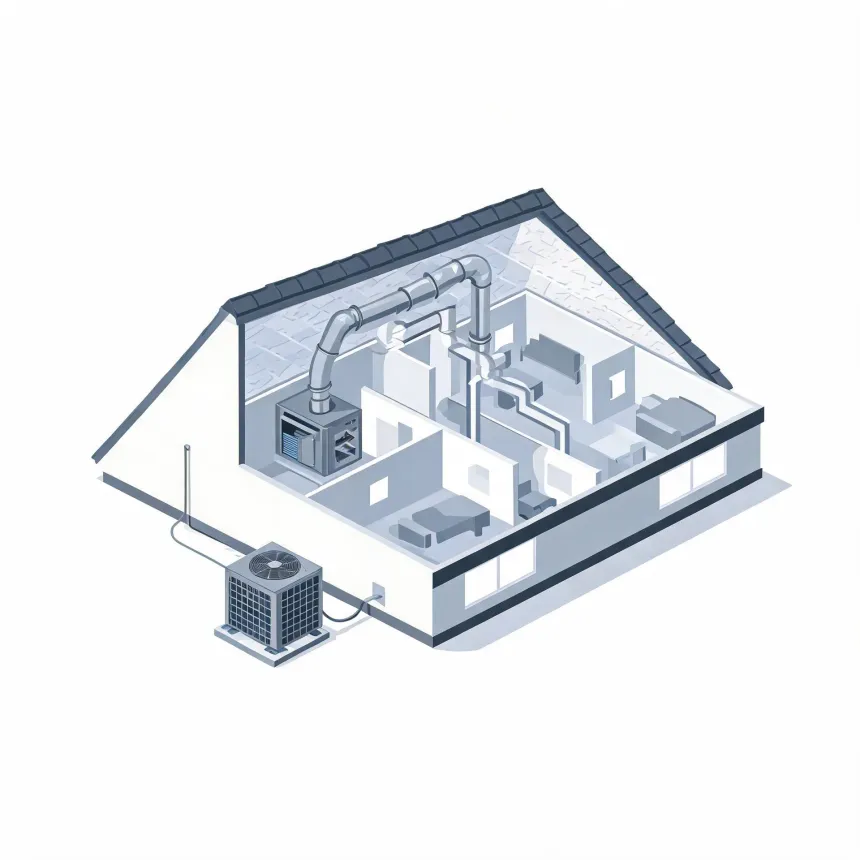
Isometric illustration of a cutaway house showing interior rooms, an attic furnace with large ducts, and an outdoor condenser unit connected by a line set, on a white background.
Your air conditioner works hardest from May through September.

NOAA nClimDiv, 1991–2020 normals

Electricity heats 70.5% of homes in Acadia Parish.

A new air conditioner here almost always pairs with an electric system already in place.

Seven months of cooling, 91 degrees to beat

Cooling runs April through October
Summer afternoons average 91°F
Power here costs 13.41 cents per kilowatt-hour
81 storms, one outdoor unit48 damaging wind events and 19 hail events hit the parish between 2015 and 2024.

Any new split-system air conditioner installed here has to meet 14.3 SEER2, the minimum set for this region under the 2021 energy code, which rates Acadia Parish zone 2A for cooling. That is higher than the national manufacturing floor of 13.4. The difference exists because this is a cooling-heavy climate, and the people who set the standard expect a unit here to work harder and more often than one somewhere milder. A system that clears this bar also tends to qualify for the federal tax credit available on efficient equipment. It is one more number to check against whatever a contractor proposes, alongside the capacity and the brand.

Pick the efficiency, not just the price

This unit will run most of the year to keep up with the season, and every kilowatt it pulls costs something. A system that clears the SEER2 minimum turns that power into cooled air with less waste than one that barely meets the old floor. Ask what rating is on the model being quoted before deciding between options.

Find a contractor
A man in a cap, gray T-shirt and tan work pants carries a worn leather tool bag up wooden porch steps toward a green front door.
A gray metal air conditioning condenser unit mounted on a concrete pad in a flat grassy field under a partly cloudy sky.

Seven months of work, one month to get ready

Cooling runs April through October here, seven months of the year. That leaves March as the window to get the old unit out and the new one in before the heat starts. Wait until the first hot week to replace a failing system and the decision gets made in a hurry, with the house already uncomfortable. Handle it in March and the choice is made on your schedule, before the system has to work at all.

Match the size to the house, not the other way around

A contractor should run a load calculation on the house before quoting anything. The right size depends on square footage, window area, insulation and layout, not just the size of the unit being replaced. A system that is too big cools the air fast but shuts off before it pulls the moisture out, so the house feels clammy even at the right temperature. One that is too small runs constantly and never quite catches up. Ask to see the calculation, not just the number it produced.

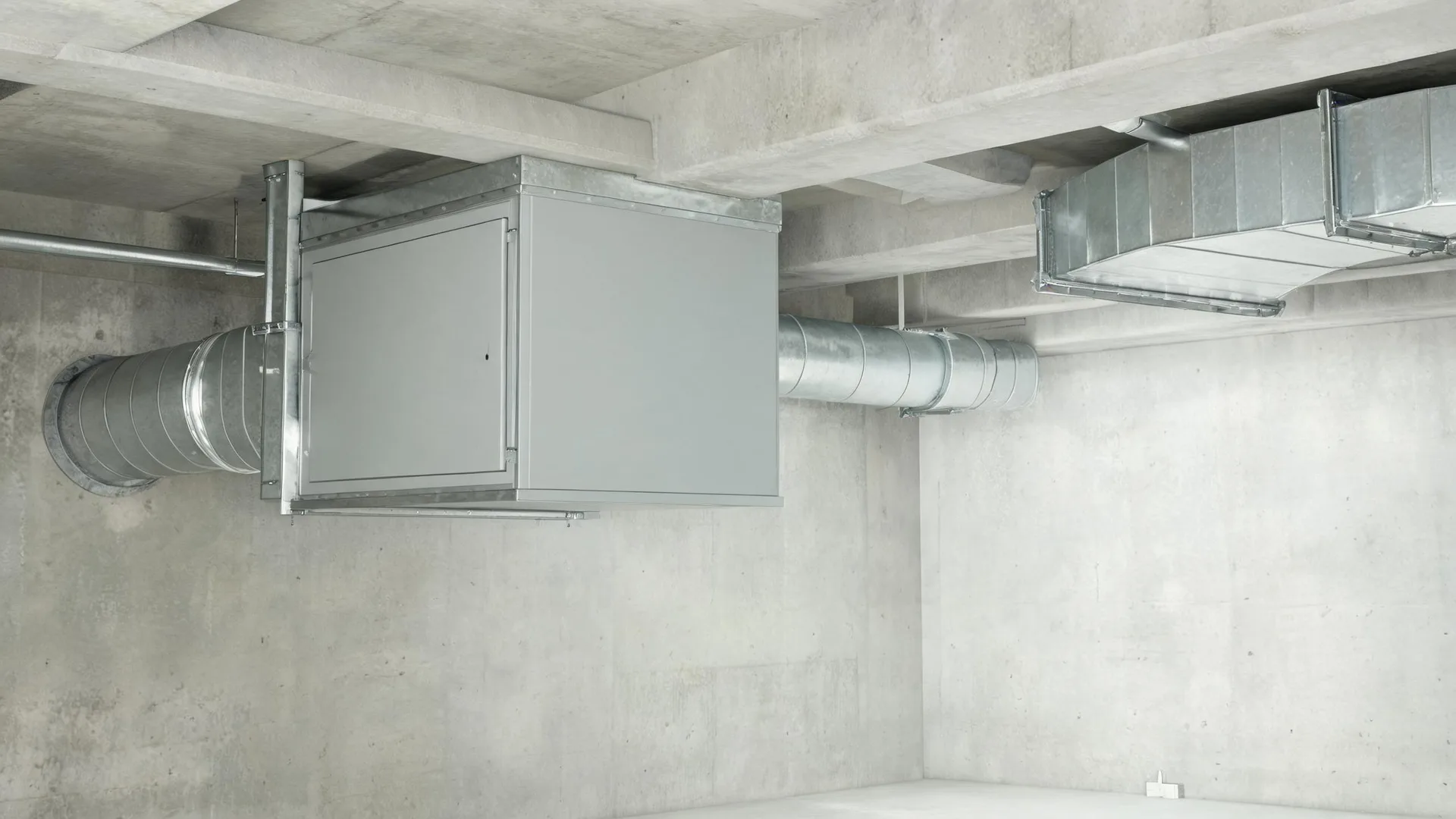
Ask what happens to the ductwork

A new outdoor unit paired with old, leaky or undersized ductwork will not perform the way the rating on the box suggests. Air lost through gaps in the attic or crawlspace never reaches the rooms it was meant to cool. Ask whether the ducts were inspected as part of the quote, and whether sealing or modification is included or extra. The best condenser on the market cannot make up for air that leaks out before it gets where it is going.

Aerial view of a gray central air conditioning condenser unit on a concrete pad next to a house with vinyl siding.

A higher-efficiency unit would save about $30 a year to run in Acadia Parish compared with a new unit at the federal minimum.

  • A higher-efficiency unit$450 a year
  • A new unit at the federal minimum, 14.3 SEER2$480 a year

Estimates for a typical Acadia Parish home, from EIA household energy data, Louisiana fuel prices and NOAA climate normals. Your home will differ.

Installation day starts with the old equipment coming out, the outdoor unit, the indoor coil, sometimes the line set if it's damaged or the wrong size for the new system. A contractor will recover the refrigerant from the old system before anything gets disconnected, since it can't legally be vented into the air. Setting the new outdoor unit means a level pad and enough clearance around it for air to pull through the coil. Inside, the new coil goes in above or beside the furnace or air handler, matched to the condenser outside so the two are rated to work together. Once everything is connected, the line set gets pressure tested for leaks before any refrigerant goes in, then the system gets charged to the exact weight the manufacturer specifies. The last step is running the system and checking the temperature split between the air going in and the air coming out, which tells the contractor whether it's performing the way it should before they leave.