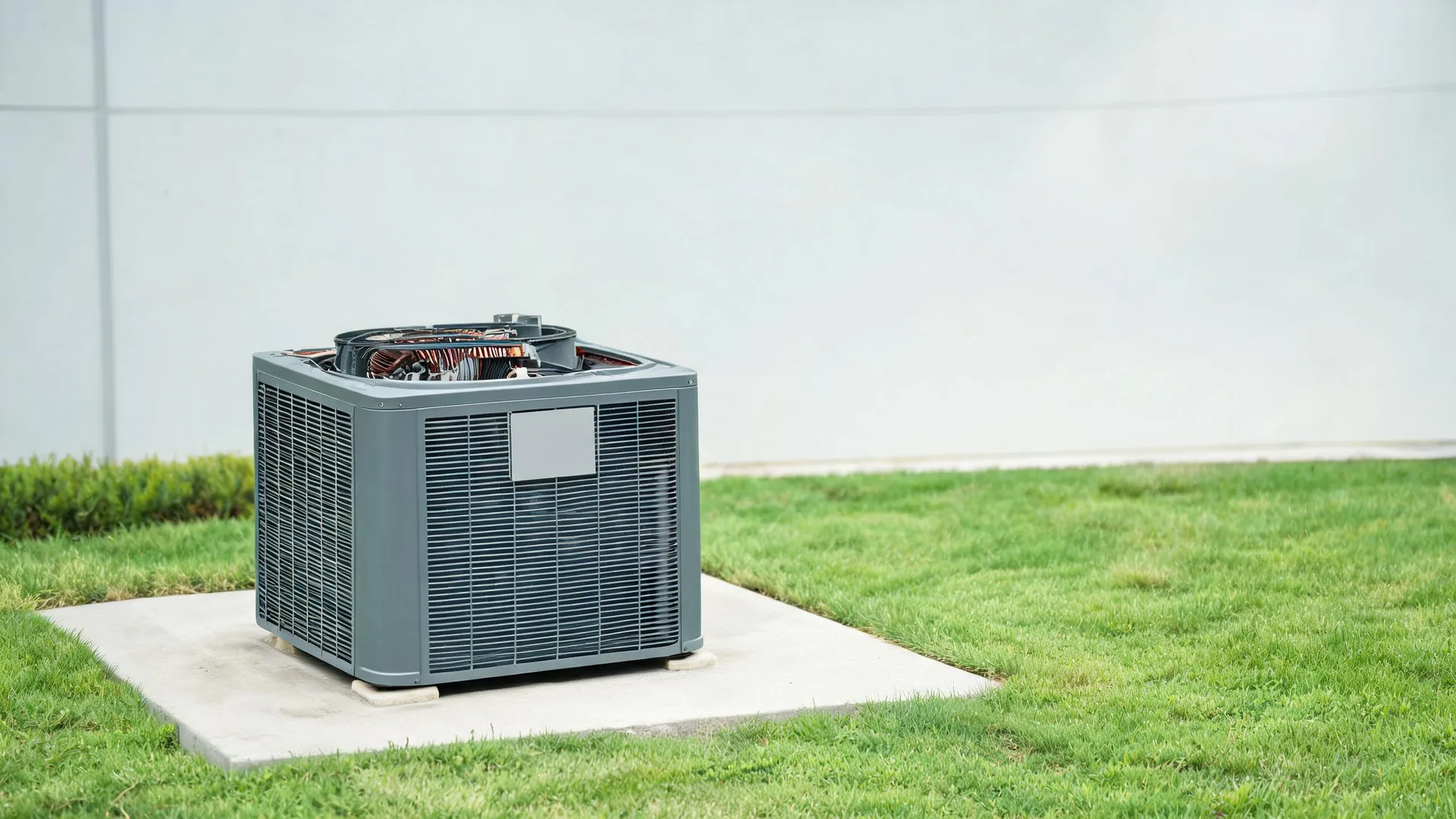
Electricity here runs 11.67 cents a kilowatt-hour
That's lower than most US counties pay. But Houma air conditioners work hard for it, running long stretches through a muggy season that stretches most of the year.
Takes about a minute. No obligation.
That's lower than most US counties pay. But Houma air conditioners work hard for it, running long stretches through a muggy season that stretches most of the year.
Low rates don't cancel out a unit that runs constantly. With the hours this climate demands, how efficiently the system turns power into cooling shows up on every bill you get.
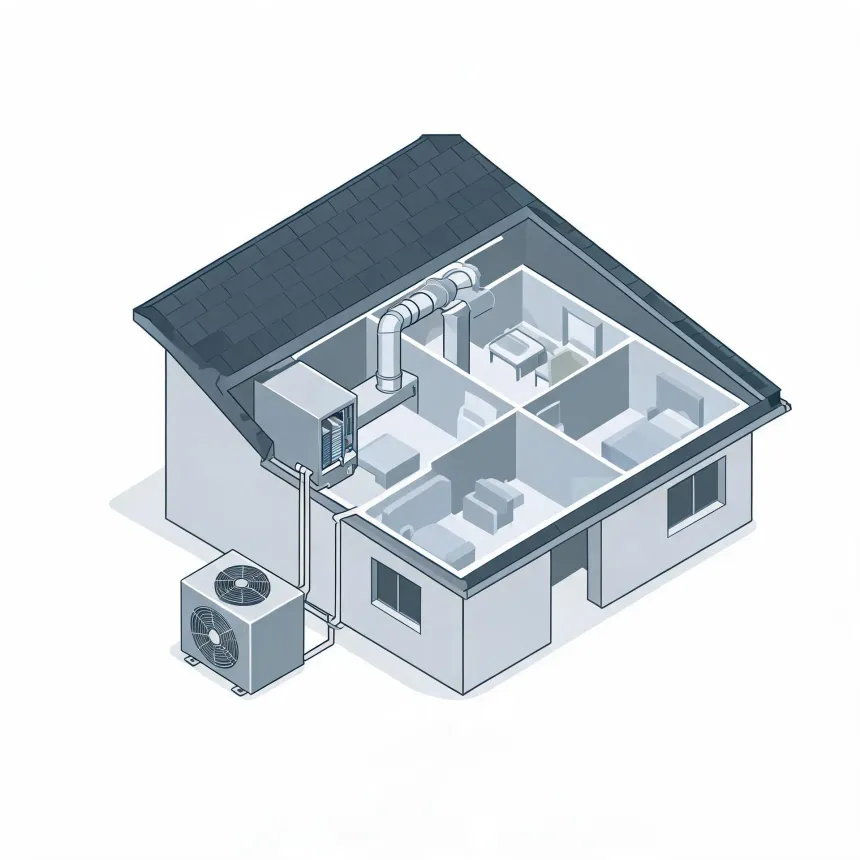
NOAA nClimDiv, 1991–2020 normals
Houma runs its air conditioner seven months a year, April through October, with afternoon highs averaging 90°F and a dew point around 74°F through the summer.
A new system here has to hold up to that kind of use every year, so the install needs to size it for this climate, not just match the old one.



March is worth marking on the calendar. Cooling starts up in April and runs straight through October, seven months with no real gap to get a new system in without living through some uncomfortable days. Getting the install done in March means the unit is sized, set, and already running clean before it has to carry a full summer. Wait until the old one quits mid-season and you're picking a system fast, from whatever's in stock, instead of the one that fits your house. Seven months is a long time to find out partway through that something was sized wrong.
The system you pick decides what every summer bill looks like after this one. At install, that comes down to matching the unit to this house and this climate, not just swapping in something close to the old size. Get that right once and it keeps paying off for as long as the system runs.
Find a contractor
Seven months of that is real work for a compressor, not a handful of hot weeks. Install day matters because whatever gets put in now is what runs every one of those months, year after year. A unit sized off a guess or matched to whatever the old one happened to be doesn't get a second chance to prove out until next summer, when it's already too late to fix cheap.
A system too big for the house cools the air fast and shuts off before it pulls the moisture out, so the house feels clammy even at the right temperature. One too small runs without stopping and never catches up on the hottest days. Getting the size right means a room by room load calculation, not matching the tonnage of whatever is being replaced.
The same condenser can perform differently depending on how it goes in. Refrigerant charge has to match the line length exactly, the ductwork has to move enough air across the coil, and the line set and drainage have to be run clean. A top rated system with a weak install gives up a good part of that rating before it ever cools a room.
Estimates for a typical Terrebonne Parish home, from EIA household energy data, Louisiana fuel prices and NOAA climate normals. Your home will differ.
Install day starts with the old equipment coming out, the indoor coil, the outdoor condenser, and the line set if it's not being reused. The new condenser gets set on a pad outside, level, with enough clearance around it for air to move through the coil. Inside, the coil goes in above or beside the furnace or air handler, matched to the condenser so the two run as the pair they were designed to be. Running new line set means brazing the joints, pulling a vacuum on the lines to clear out air and moisture, then weighing in refrigerant to the exact charge the manufacturer specifies for that length of line. The ductwork gets checked too, since the new coil needs enough airflow across it to work the way it's rated to. Once it's charged and running, a tech checks the temperature split across the coil and the pressures on the gauges to confirm it's cooling the way it should before calling the job done.