






Aerial view of a gray central air conditioning condenser unit on a concrete pad next to a house with vinyl siding.

AC Installation in Belle Chasse, LA

Tell us about the job

Takes about a minute. No obligation.

New system or replacementCentral ACPlaquemines Parish, LA
Step 1 of 2

What ZIP code is the job in?

Most homes in Plaquemines Parish heat with electricity, at 62.6 percent. Utility gas covers 34.4 percent. That split matters for AC installation because the new system often ties into the heating that's already there. A heat pump makes sense where electricity already runs the heat, since it uses the same wiring and the same ducts. If your home heats with gas, a straight AC paired with the gas furnace is the more common setup here. Either way, matching what's already there is usually simpler than switching fuel types.

7 months
April through October, your air conditioner is on duty
89°F
the average summer afternoon it cools against
11 hail events
in ten years, and hail bends the fins on outdoor coils
13.4 SEER2
the federal minimum any new unit must meet
Isometric line illustration of a cutaway house showing an indoor air handler with branching ducts in the attic space, connected by a line set to an outdoor condenser unit beside the building, with simple furniture in two rooms.
Your air conditioner works hardest from May through September.

NOAA nClimDiv, 1991–2020 normals

The efficiency rating on the label is a ratio, not a guarantee of what you'll see on a bill.

The same rated system can perform very differently depending on the ductwork and how well it's installed.

March is the month to get this done, before seven straight months of cooling start

Cooling runs April through October
Summer afternoons average 89°F
10 tropical storms and hurricanes from 2015 to 2024
A standard system does the job hereLouisiana homes paid 11.73 cents per kilowatt-hour for electricity in 2024.

AC here runs from April through October, seven months of the year. June through August, the afternoon high averages 89°F. That is not a few hot weeks to get through. It is most of the year spent working against real heat, day after day. A system sized even a little small will run longer than it should trying to keep up, and that kind of strain shows up as wear sooner than it would somewhere milder. Plaquemines Parish also sees its share of tropical storms and hurricanes, so whatever gets installed should be able to take rough weather, not just steady summer use. The lowest bid on paper will not tell you how a system holds up against seven months of this.

What goes in has to meet a higher bar here

Any new system installed here has to meet 14.3 SEER2, the Southeast minimum and a step above what manufacturers build to nationally. That rules out the lowest-rated units sold elsewhere in the country. A federal tax credit is available for qualifying equipment, worth looking into before you settle on a unit.

Find a contractor
An outdoor air conditioning condenser unit mounted on a concrete pad surrounded by gravel, photographed against a partly cloudy blue sky.

Get the size right, then build for what else is coming

Get the sizing right before anything else. A load calculation on the house, not a guess based on the old unit's tonnage, since that one may have been wrong from the start. Ask who's doing the manhattan J calc and whether it's included in the quote. And ask about the compressor and cabinet rating specifically, since this is coastal parish weather, not just hot weather.

The load calculation drives everything else

Once the contractor knows the heat gain for the house, that number sets the tonnage, and the tonnage sets what the ductwork needs to carry. A system sized right for the space costs less to install correctly than one sized off a guess, because nobody has to come back later and fix a duct run that was never built for that much airflow.

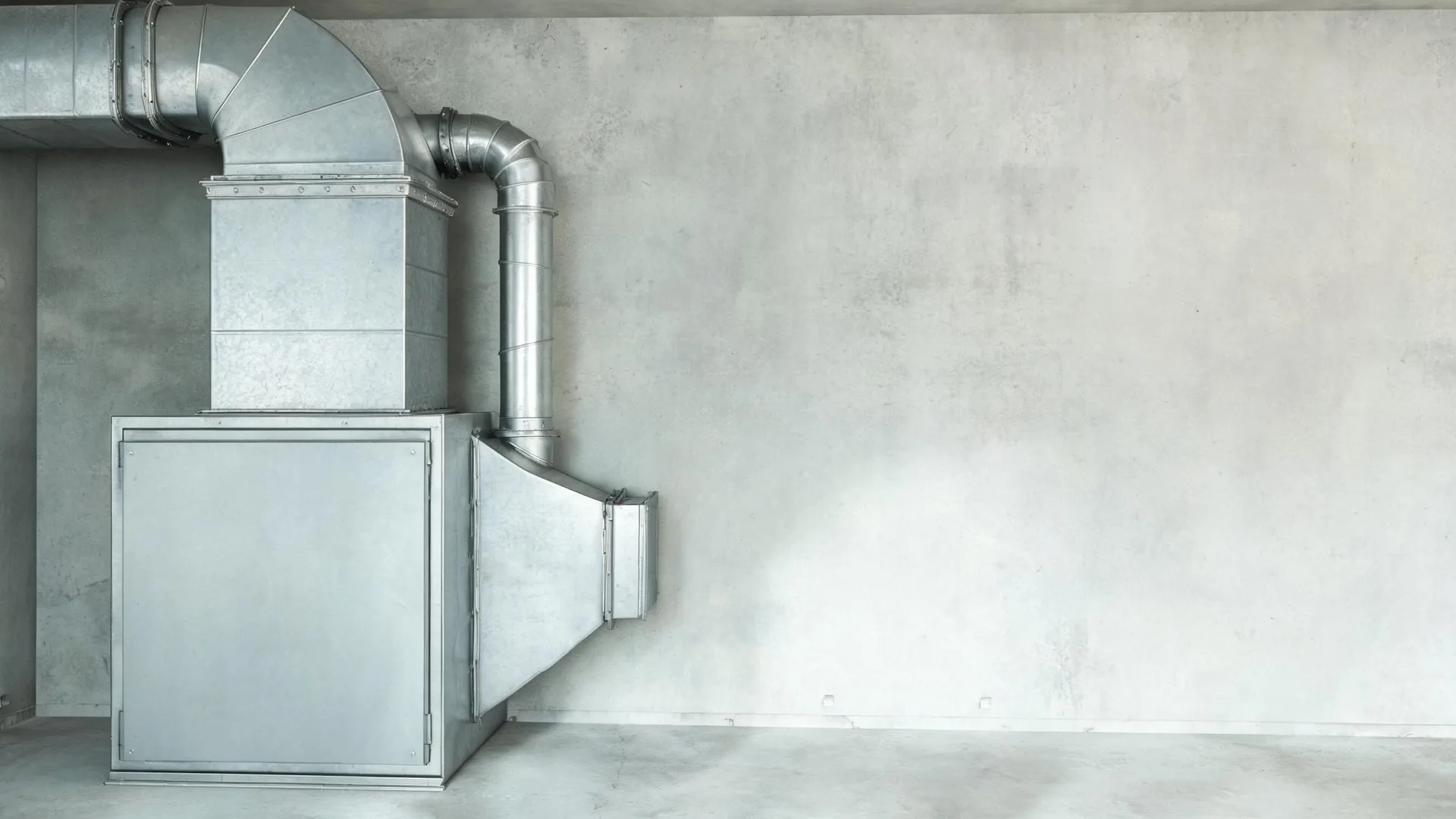
Ductwork is where quotes split apart

Contractors quoting the same unit can land on different prices because one plans to use the existing ducts as they are, and the other has looked at them and knows they need sealing, resizing, or new runs to handle the new system. Skipping that work keeps a quote low, but it also keeps the system from doing what its rating promises.

Overhead view of an air conditioning condenser unit on a concrete pad next to a house with asphalt shingle roofing and vinyl siding.

A higher-efficiency unit would save about $30 a year to run in Plaquemines Parish compared with a new unit at the federal minimum.

  • A higher-efficiency unit$490 a year
  • A new unit at the federal minimum, 14.3 SEER2$520 a year

Estimates for a typical Plaquemines Parish home, from EIA household energy data, Louisiana fuel prices and NOAA climate normals. Your home will differ.

Installation day starts before the crew unloads anything, with the old system shut down and the refrigerant recovered, not vented. Then the old equipment comes out, indoor and outdoor both. What happens next depends on the ductwork. If the plan calls for sealing or resizing, that work happens before the new unit goes in, not after, since it is harder to get at once the new coil and lines are in the way. Setting the outdoor unit means a level pad and clearance on all sides so it can pull air through the coil the way it is supposed to. Inside, the new coil goes in the plenum and gets matched to the furnace or air handler already there. Line sets get run or reused, then the whole system gets evacuated to pull moisture and air out of the lines before any refrigerant goes in. After charging, a tech checks the charge against the manufacturer's numbers for the actual conditions that day, not just a gauge reading. Airflow across the coil gets checked too, since a system can have the right charge and still run wrong if air isn't moving through it the way it should. The thermostat gets wired and set last, after everything else is already proven to work.