Electricity here runs cheap
Homes in Rapides Parish paid an average of 13.06 cents per kilowatt-hour in 2025, lower than most US counties.
Takes about a minute. No obligation.
Homes in Rapides Parish paid an average of 13.06 cents per kilowatt-hour in 2025, lower than most US counties.
A system here cools for months on end. Even at a low rate, that adds up to real money, and the size of that number depends on the equipment doing the work.

NOAA nClimDiv, 1991–2020 normals
Rapides Parish saw 124 severe weather events between 2015 and 2024, including 59 damaging wind events and 29 hail events.
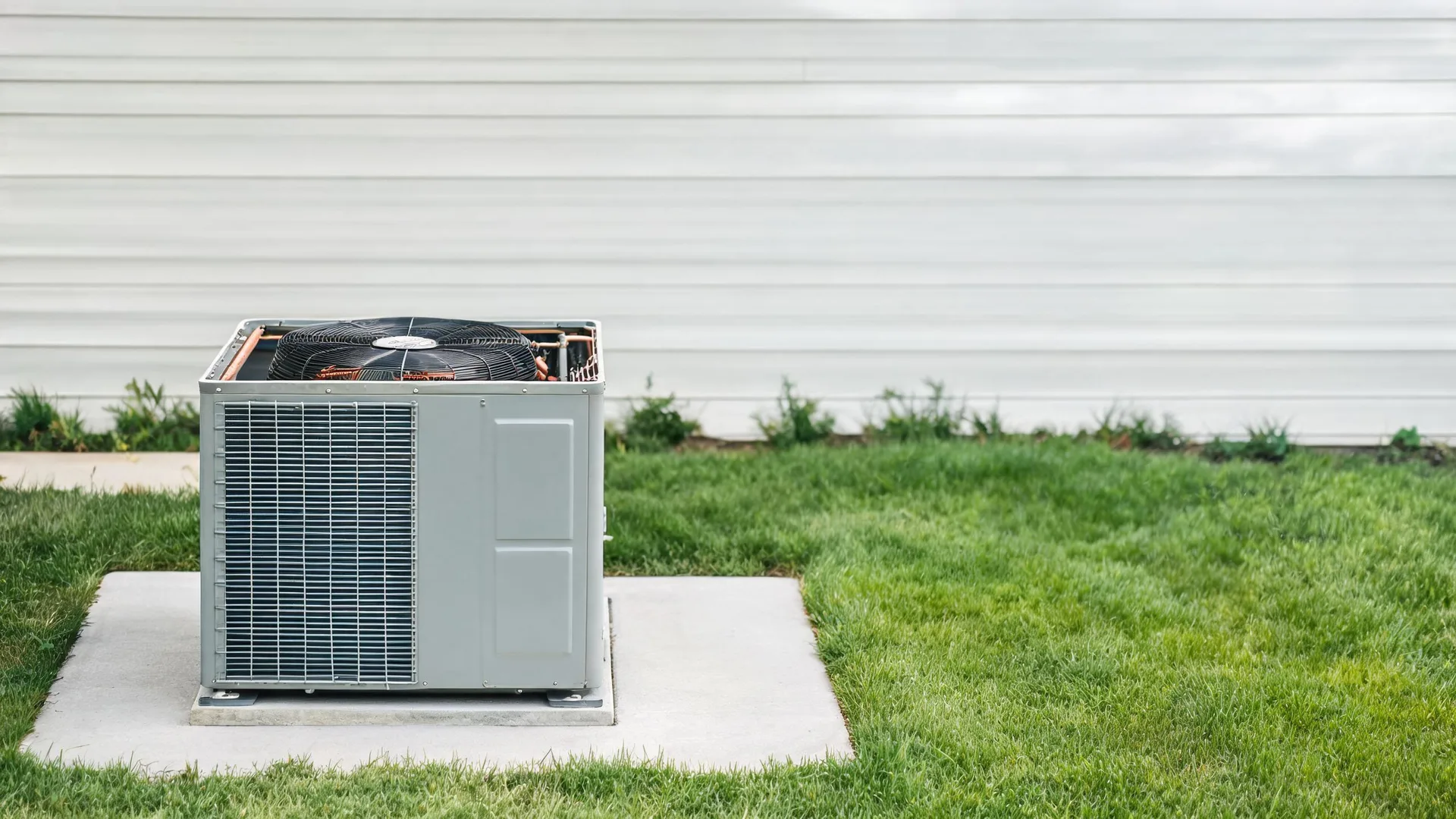
Where the outdoor unit sits and what guards it matters as much here as what's inside the house.




Rapides Parish falls under zone 2A, a hot and humid climate where the cooling side of a system does most of the work over the year. Any split system installed here has to meet 14.3 SEER2, the Southeast's minimum for units under 45,000 Btu/h, which runs higher than the national floor of 13.4. That rules out the lowest-efficiency units sold elsewhere in the country. A federal tax credit is available on qualifying high-efficiency equipment, separate from whatever a contractor quotes. What's allowed in the ground here is already set before a contractor shows up with a quote.
The rate per kilowatt-hour is already as low as it gets here. What's left to control is how much the system uses to do its job. A unit sized and installed right for this house will run less to hold the same temperature, month after month, for as long as it's in the ground.
Find a contractorCooling here runs April through October, seven months straight. March is the month before that starts, and it's the better time to put in a new system. An installer working in March isn't racing a heat wave to get the sizing and airflow right. Wait until the house is already calling for cooling and there's no room left for that. A system put in before April is already proven by the time the first hot week hits, instead of being tested by it.
The SEER2 number on the label comes from testing the unit across a full range of outdoor temperatures, not at one setting. A unit rated higher uses less electricity to move the same heat out of the house over the course of a summer. It doesn't mean the unit cools faster or gets the house colder. It means it does the same job on less power.
That number is measured in a lab with the refrigerant charge exact and the airflow across the coil where it should be. Low charge, a coil choked by a dirty filter, or ductwork that's too small for the blower all pull the real number below what's on the label. Two identical units, installed differently, can run very differently in the same house.
Estimates for a typical Rapides Parish home, from EIA household energy data, Louisiana fuel prices and NOAA climate normals. Your home will differ.
Install day starts with the old equipment coming out, not the new one going in. A tech disconnects the refrigerant lines, pulls the old unit, and checks what's left behind: the line set, the ductwork, the electrical whip. Any of those can get reused or replaced depending on their condition, and that decision gets made on site, not before. Setting the new outdoor unit level matters more than it sounds. A unit that sits tilted puts strain on the compressor and can throw off oil return over time. Once it's set, the line set gets connected, the system gets pulled down to vacuum to clear out moisture and air, then charged with refrigerant to the exact weight the manufacturer specs. Airflow gets checked last, across the coil and through the ducts, because a unit charged right but starved for airflow still won't perform the way its rating says it should.