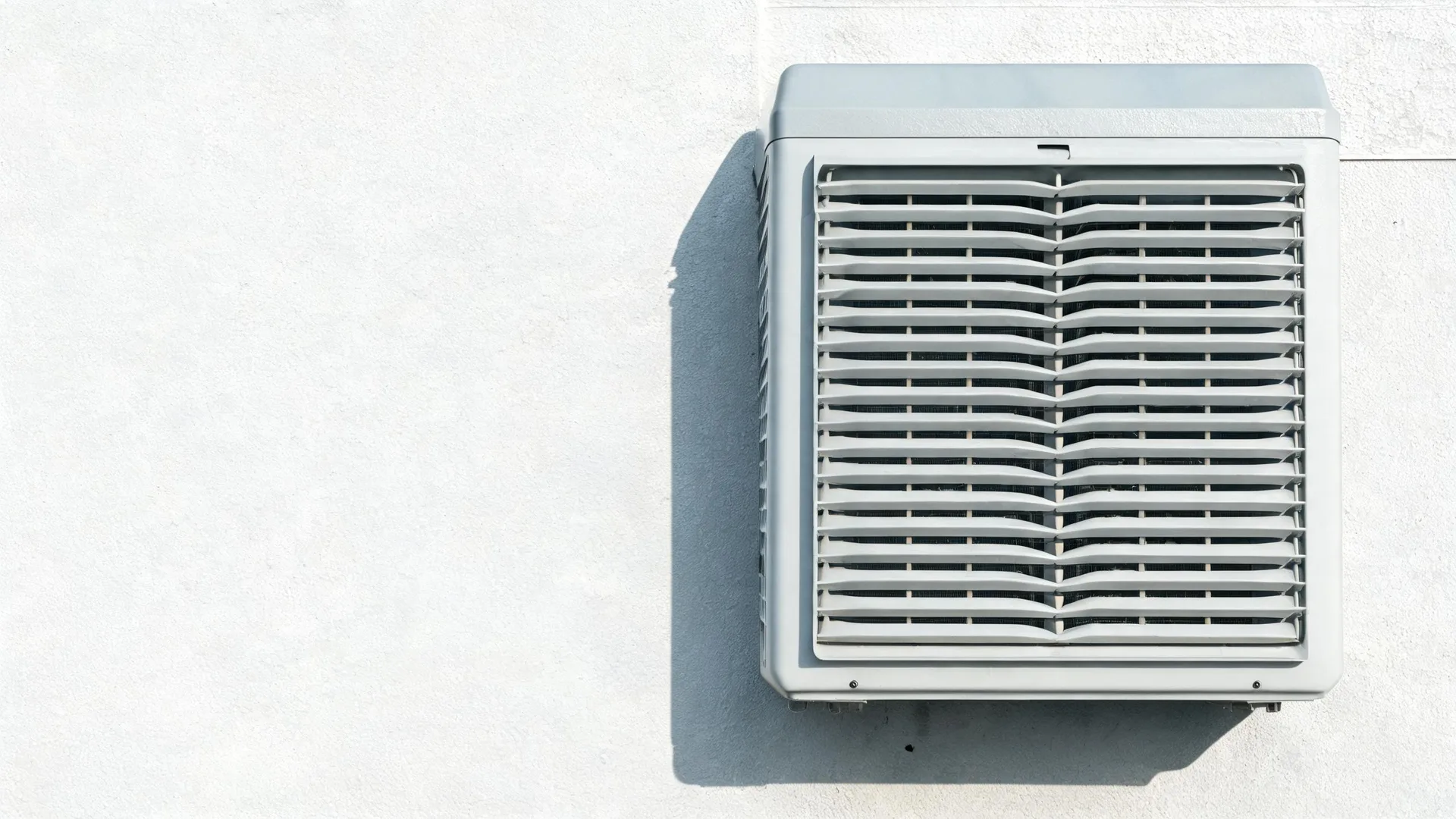
A gray outdoor HVAC condenser unit mounted on a concrete pad in the front yard of a two-story suburban house.

Heat Pump Repair in Breaux Bridge, LA

Tell us about the job

Takes about a minute. No obligation.

RepairHeat PumpSt. Martin Parish, LA
Step 1 of 2

What ZIP code is the job in?

St. Martin Parish sees real storm damage

Between 2015 and 2024, this parish recorded 55 severe weather events. That includes 24 bouts of damaging wind, 14 hail events, 6 tornadoes and 9 tropical storms or hurricanes. A heat pump's outdoor unit sits outside through all of it, with no wall between it and whatever comes through.


Power doesn't always come back fast

Nearly half of Louisiana households, 49%, went at least 24 hours without power in 2024. A heat pump needs electricity to run, for heat in the winter and cooling in the summer. When the power is out that long, so is the system, no matter what shape it's in otherwise.

5 months
November through March, your system heats
7 months
April through October, it cools
44°F
the average winter night it heats against
91°F
the average summer afternoon it cools against
Isometric cutaway illustration of a small house showing interior ductwork and an air handler connected by lines to an outdoor condenser unit on a pad beside the building.
Your system heats November through March and cools April through October.

NOAA nClimDiv, 1991–2020 normals

A breaker that trips once is worth a reset, but a breaker that trips twice is telling you not to try a third time.

Check the thermostat, the breaker and the outdoor unit yourself before the call, and tell the tech what you found.

Heat pump runs on cooling most of the year here, and the air it's fighting is heavy

Climate zone 2A
Power here costs 12.28 cents per kilowatt-hour
Cooling runs April through October
Heat here starts in NovemberOctober is when a weak part gets found, right before the system needs it most.

When a breaker or a wire has already taken a hit from wind or a near strike, the next repair isn't really about the thermostat setting or the noise it's making now. It's about what the outdoor unit has already been through. A tech who knows that will check the contactor and the wiring at the disconnect, not just the part that's acting up today. That matters more here than in a place where the unit just runs and gets left alone. Ask whatever's coming out to look at the whole system, not only the symptom you called about.

If the outdoor unit took a hit, get it checked even if it still runs

Hail and wind don't always stop a heat pump right away. A dented coil or a loose connection can keep running for weeks before it fails. If your outdoor unit has been through wind, hail or a storm, have it looked over now, even while it still runs.

Find a contractor
A gray heat pump condenser unit mounted on a concrete pad against the gray lap-siding exterior wall of a house.

Every hour it runs is an hour on something

A heat pump runs in both directions, so it wears in both directions. The reversing valve that lets it switch between heat and cooling cycles on every time the system changes direction, and over enough years it can stick or leak. Short cycling wears on it fastest: a system that kicks on, runs a couple minutes, then shuts off again isn't finishing a full cycle, and that strain adds up on the compressor too. Ice on the outdoor coil in the middle of a mild day, not overnight, means the defrost cycle isn't doing its job. Warm air out of the vents when the system's set to cool, or cool air when it's set to heat, usually traces back to that reversing valve. A low hum from the outdoor unit with the fan not turning is often the capacitor, not the motor itself. None of these mean the system is done. They mean something specific is wearing out, and the longer it runs that way, the more it drags the rest of the system down with it.

Most failures start with a part, not the whole system

The capacitor that kicks the compressor and fan motor on wears out from ordinary heat and years of cycling, and it usually goes before anything else does. A contactor can pit and stick from arcing every time it closes. Refrigerant doesn't get used up, so a system that's low has a leak somewhere in the lines or coil. These are wear items, not signs the heat pump is failing as a whole.

Neglect ages a heat pump faster than running it does

A dirty filter or a coil caked with dirt makes the system work harder to move the same amount of air, and that extra strain lands on the compressor over time. Letting that go for years is what turns a worn part into a compressor replacement. Keeping the filter changed and the outdoor coil clear is the plainest way to keep small wear from becoming a bigger repair.

A system that's struggling doesn't fail cleanly. It fails by making the parts around the problem work harder to cover for it. A compressor low on refrigerant runs hotter than it should, and that heat breaks down the oil that's supposed to protect it. A blower forcing air through a dirty filter pulls more current than it was built for, and that load falls on the motor windings. Ice on a coil that isn't defrosting right blocks airflow further, so the system draws down even harder trying to do the same job. None of that shows up as a bigger problem right away. It shows up as a worn part finally giving out, sooner than it should have, because it spent weeks or months carrying a load that wasn't its own.

A repair decision usually comes down to the compressor. If that's still sound, replacing a capacitor, a contactor or a reversing valve brings the system back to normal and it runs out the rest of its life the way it was built to. If the compressor itself is failing, worn from heat or from running low on refrigerant for too long, no other repair around it fixes that. Age matters less than what the parts have already been through. A heat pump that's had its filter changed and its coil kept clear tends to fail one part at a time, and those are worth fixing. One that's been run hard with a dirty coil or a slow leak tends to take the compressor down with it, and at that point a repair is just paying to delay the same outcome.