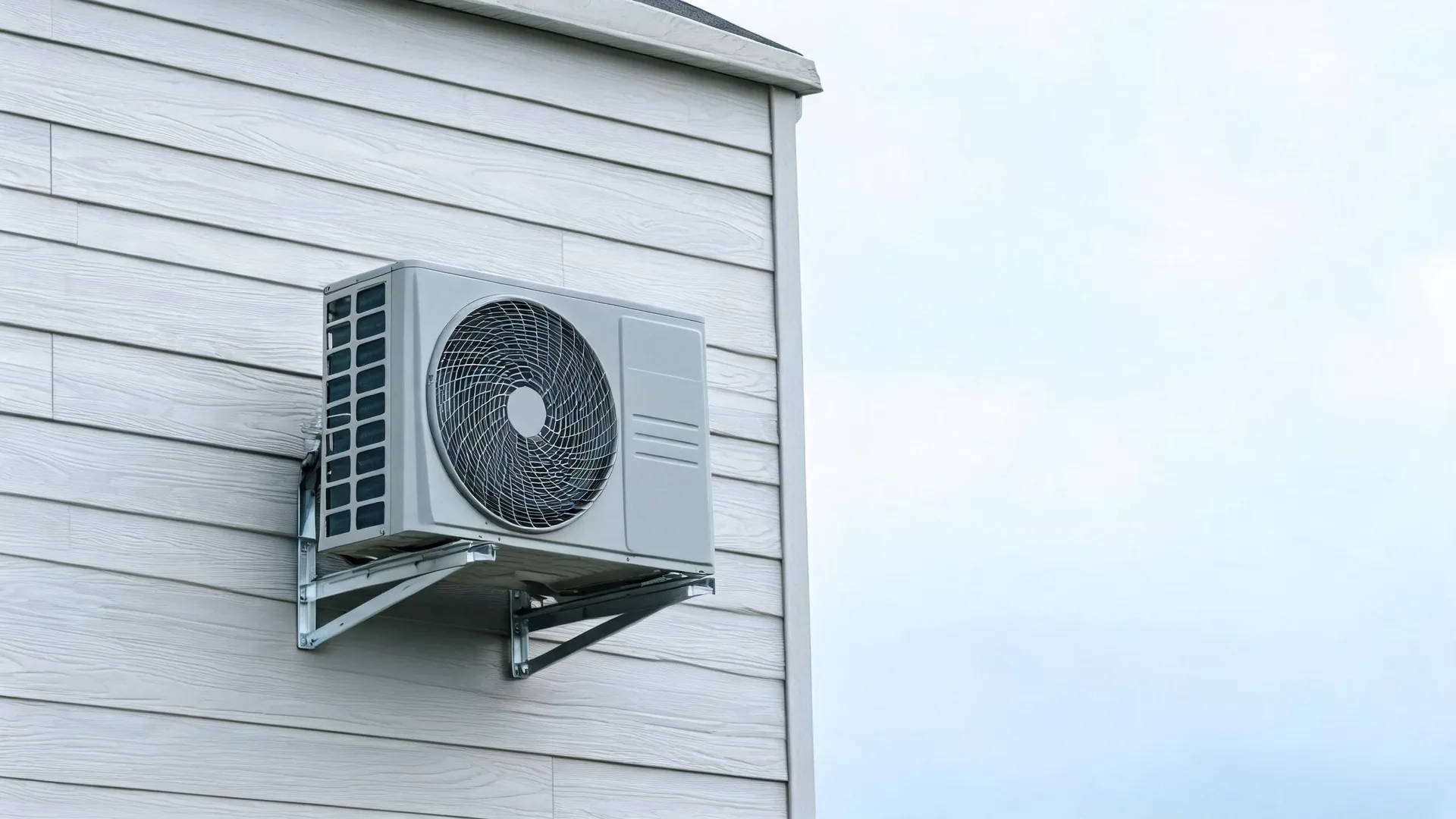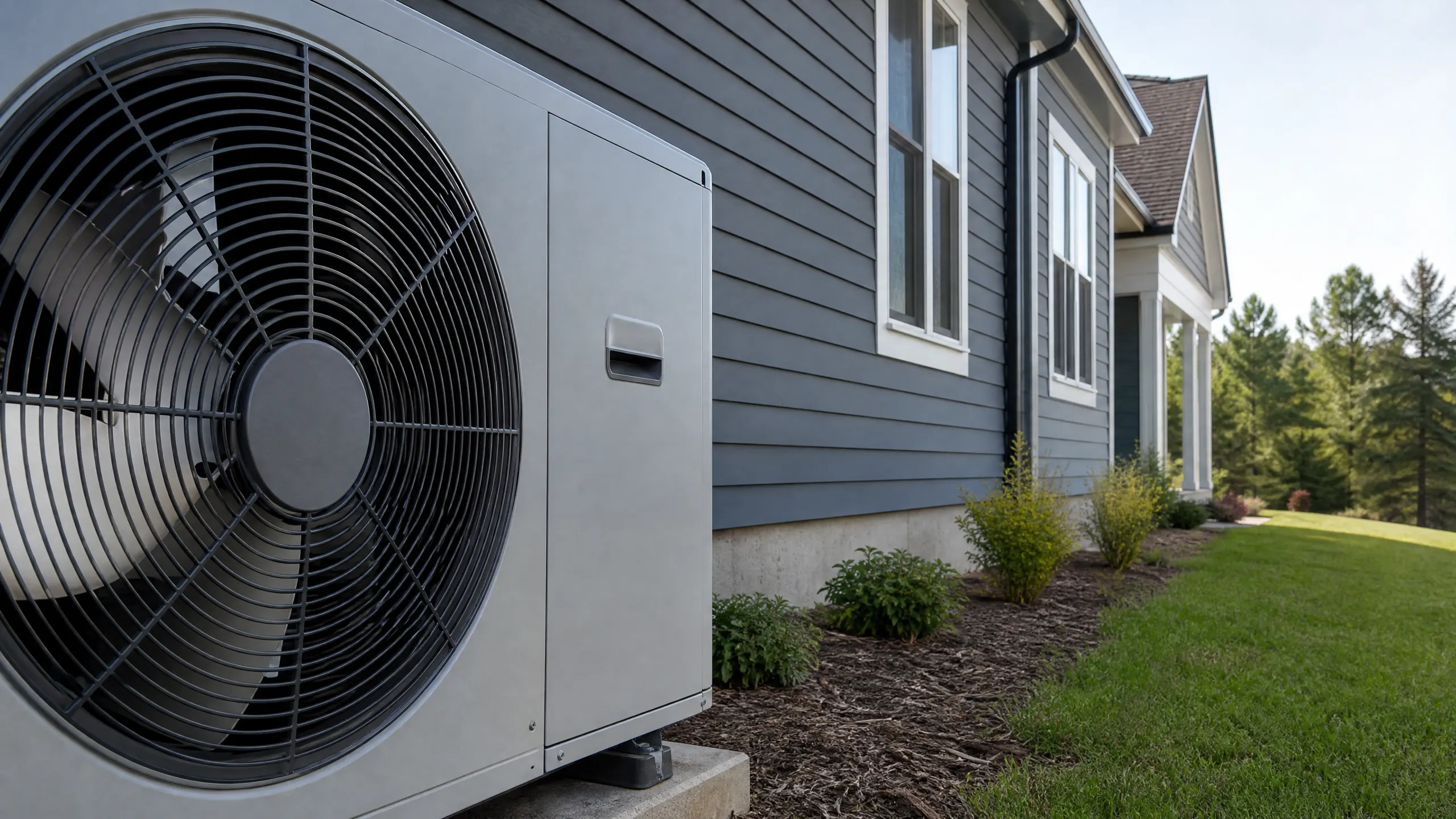
A heat pump outdoor unit mounted on a concrete pad next to the gray-sided exterior wall of a residential house.

Heat Pump Repair in Kenner, LA

Tell us about the job

Takes about a minute. No obligation.

RepairHeat PumpJefferson Parish, LA
Step 1 of 2

What ZIP code is the job in?

The air alone works it harder

Dew point here averages 75°F in June, July and August. That is heavier air than most of the country ever sees, and a heat pump has to pull more moisture out of it just to keep a house comfortable. The coil and compressor are doing real work on an average summer day, not just on the worst ones.


What that means for your repair

A heat pump running under that kind of load wears sooner than the same unit somewhere drier. A capacitor, a contactor, a coil, parts that might hold up for years elsewhere can give out earlier here. Whatever's going on with your system, it's worth having someone trace it back to the actual part at fault instead of guessing.

4 months
November through February, your system heats
7 months
April through October, it cools
47°F
the average winter night it heats against
90°F
the average summer afternoon it cools against
Isometric cutaway illustration of a gray house showing interior rooms, a central air handler with ducts in the attic, and refrigerant lines running to an outdoor condenser unit beside the building.
Your system heats November through February and cools April through October.

NOAA nClimDiv, 1991–2020 normals

Your heat pump switches over to cooling in April and to heat in November here.

The first cold snap or the first hot stretch is when a part that barely made it through last season finally quits.

Jefferson Parish sees more storms than most counties, and the outdoor unit takes the hit

71 severe weather events from 2015 to 2024
49% of homes statewide lost power a day or more in 2024
38 damaging wind events from 2015 to 2024

If your outdoor unit sat through a storm this year, a repair call is the time to have it looked over, not just the part that's acting up. Hail dents fin coils and bends them shut, and a unit can keep running for months before the airflow loss catches up with it. Wind-blown debris does the same thing from the side or gets pulled into the fan. Jefferson Parish saw 11 hail events and 38 damaging wind events between 2015 and 2024, so a dented cabinet or a bent coil isn't a rare thing for a tech here to find. Mention it when you book the repair, even if the unit still runs. Whatever brought you to call, it's worth having someone check the coil and cabinet while they're already out there.

Your heat pump has been working hard. Get it fixed right.

A heat pump under that kind of load most of the year does not get a break to recover. Whatever part is failing now was likely the weakest one, not a random one. Getting it diagnosed and fixed properly means the next part in line gets a fair shot too.

Find a contractor
A man in a cap, dark work shirt and tan pants carries a worn canvas tool bag up gray steps toward a green paneled front door of a shingled house, with a potted shrub beside the entry.
A dark gray heat pump unit mounted on a concrete pad next to a house with gray siding and a stone veneer wall.

Why running it anyway makes the repair bigger

A heat pump that's struggling doesn't fix itself by staying on. A weak capacitor makes the compressor pull harder to start, and that strain shortens what life it has left. A dirty coil makes the system run longer to reach the same temperature, and that extra runtime wears the compressor faster than the dirt alone ever would. Low refrigerant lets the compressor run hot, and running hot breaks down the oil that's supposed to protect it. None of these get better with more hours. Shutting it off and calling someone is often what keeps a repair a repair, instead of turning it into a replacement.

What you'll notice first

A heat pump in trouble usually tells you before it quits outright. It blows air that isn't quite warm or quite cold, it runs in longer stretches than it used to, or it short cycles, kicking on and off every few minutes instead of settling into a steady run. Ice on the outdoor coil in the middle of a mild day is never normal. Neither is a unit that switches between heating and cooling on its own, or a thermostat that seems to be guessing instead of controlling anything. Any of these is worth a call.

What's usually behind it

Most of these signs trace back to a short list of parts. A failing reversing valve is often why the system won't switch modes right, or gets stuck in one. A weak capacitor shows up as a unit that hums but won't start, or that starts hard and loud. Low refrigerant shows up as ice on the coil or weak output, never as a leak you can see. A clogged filter or a dirty coil makes the system run long and still fall short. None of these get better on their own, and most get worse the longer the unit keeps trying to do the job.

A heat pump fails the same handful of ways most of the time. The reversing valve sticks or wears out, and the system gets stuck heating when it should cool, or the other way around. The contactor pits from years of opening and closing, until it stops pulling in reliably and the outdoor unit won't start. A capacitor loses its charge slowly, so the compressor or fan motor strains to start for months before it finally gives up. Refrigerant doesn't get used up, so if the charge is low, something let it out, usually a slow leak at a fitting or a rubbed-through line. Dirt is the quiet one: a coil caked with dust or a filter that's overdue makes the whole system run longer to do the same job, and that extra runtime is what wears the compressor down early. None of these announce themselves clearly. They show up as something simpler, like weak airflow or a longer run time, until the part behind it finally fails outright.

A diagnostic visit starts outside, at the unit itself. A tech checks the refrigerant pressures, the amp draw on the compressor and fan motor, and the condition of the contactor and capacitor before taking anything apart. Inside, they'll check the air temperature off the coil and look at the reversing valve's behavior when it's told to switch modes. Most of this is confirming or ruling out, not guessing. A pressure reading tells them whether the charge is right. An amp draw tells them whether a motor is straining to do its job. The point is to find the one part actually causing the symptom, not to replace parts until something works.