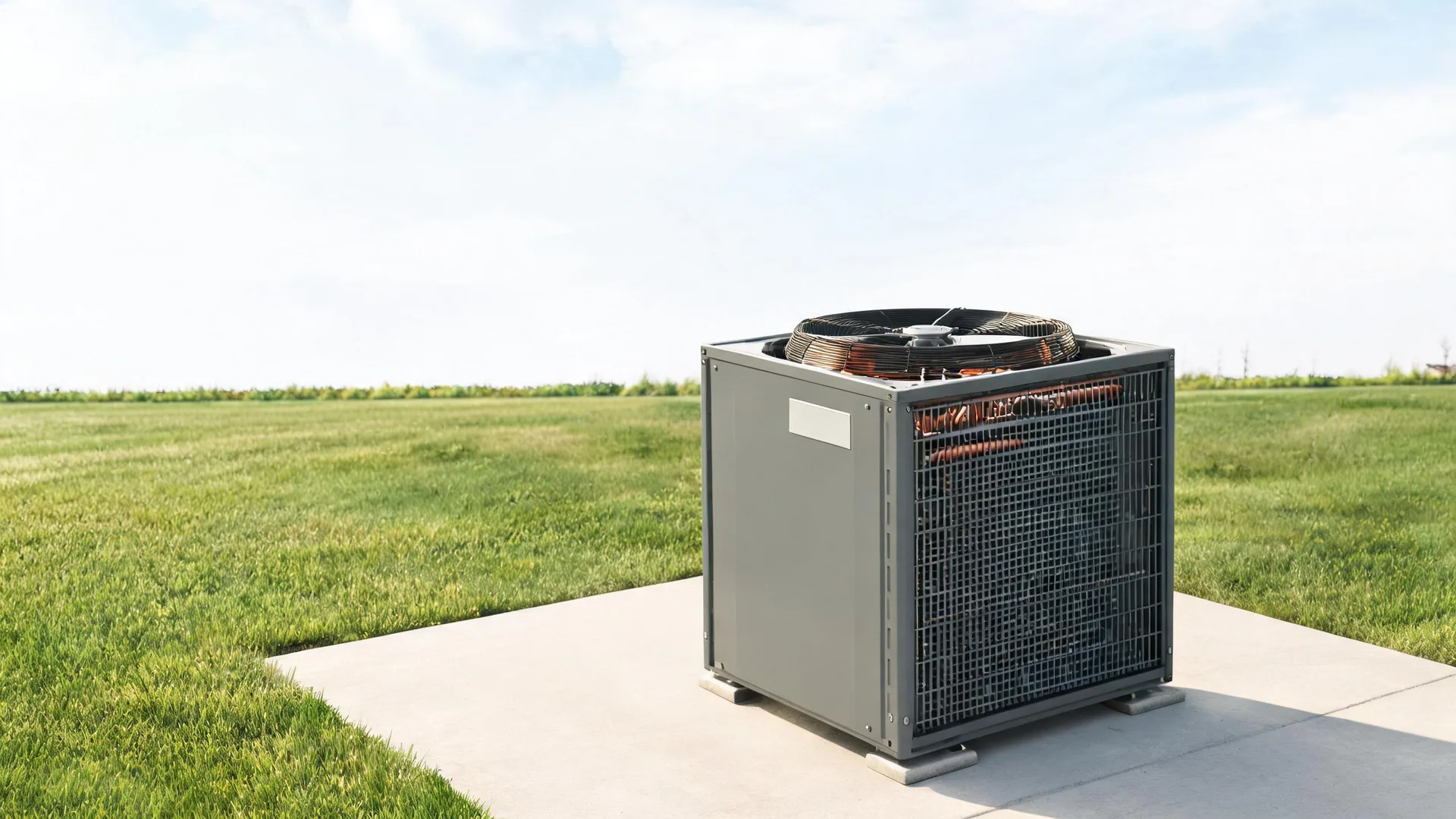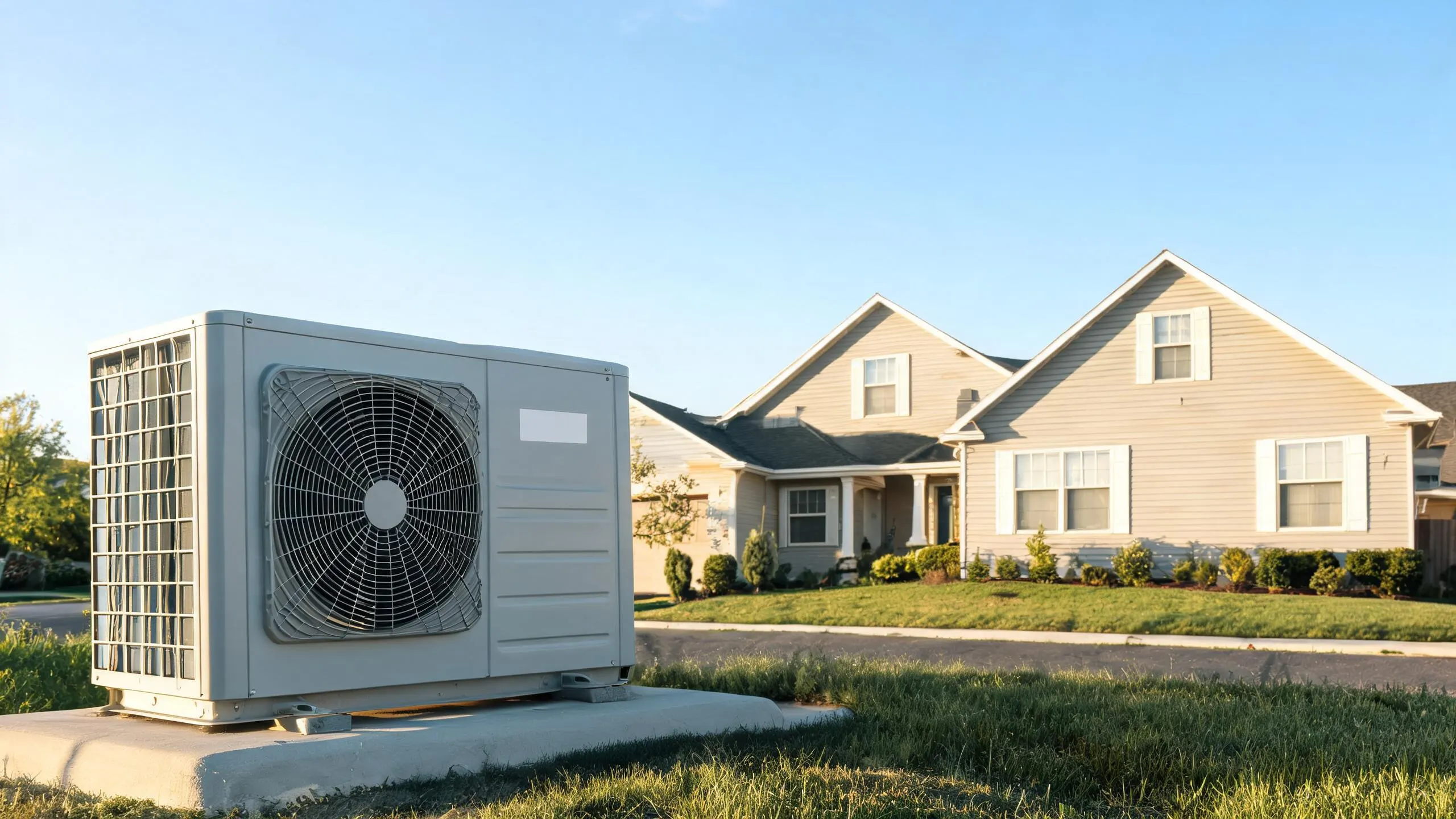
An outdoor heat pump unit mounted on a concrete pad in front of a two-story suburban house.

Heat Pump Repair in Crowley, LA

Tell us about the job

Takes about a minute. No obligation.

RepairHeat PumpAcadia Parish, LA
Step 1 of 2

What ZIP code is the job in?

Humid air keeps the compressor working

The dew point around Crowley averages 73°F in June, July and August. That's heavier air than most of the country deals with, and a heat pump has to pull more moisture out of it to cool the house. The compressor runs longer to do that, summer after summer.


That strain shows up as a repair call

A heat pump that runs long hours every summer wears its parts sooner than one in a milder climate. A capacitor, a contactor or a low charge can all show up earlier here than the manual assumes. Get the actual cause checked before anything gets replaced.

5 months
November through March, your system heats
7 months
April through October, it cools
44°F
the average winter night it heats against
91°F
the average summer afternoon it cools against
Isometric cutaway illustration of a two-room house showing an indoor air handler with ductwork connected by lines to an outdoor condenser unit on a pad.
Your system heats November through March and cools April through October.

NOAA nClimDiv, 1991–2020 normals

Your heat pump switches over to cooling in April and starts heating again in November.

A weak part usually waits for that first run to fail, so the early weeks of each season are when a repair call is most likely.

Acadia Parish sees storm damage most places don't

81 severe weather events from 2015 to 2024
49% of homes statewide lost power a day or more in 2024
48 damaging wind events from 2015 to 2024

If the outdoor unit took a hit from hail or flying debris in the last storm, get it looked at even if it's still running and the house is cooling fine. A bent fin or a cracked fan blade doesn't always stop the system right away. It just makes the compressor work harder to do the same job, and that's how a small storm hit turns into a bigger repair a few months later. Worth a check after any storm that dropped hail or tore branches down nearby, not just the ones that cut your power.

Get the real cause found before it gets worse

Long hours every summer wear a capacitor or contactor down faster than a mild climate would. Once a part is already weak, it's worth finding out which one instead of guessing.

Find a contractor
A man in a cap, olive shirt and dark pants walks up wooden porch steps toward a green door, carrying a waxed canvas tool bag.
A gray heat pump condenser unit mounted on a concrete pad against the gray lap-siding exterior wall of a house.

What to check before you call

Before the call, go outside and look at the unit. Check that air moves freely through the outdoor coil, nothing is blocking it on any side. Look at the fan through the top grille and see if it spins when the system is running. Inside, check the thermostat is set to the mode you want and the batteries aren't dead if it uses them. Check the air filter. A clogged filter starves the system of airflow and can make it freeze up or short cycle. If the indoor coil or the line set has ice on it, turn the system off and let it thaw before anyone touches it, running it iced up can damage the compressor. Check the circuit breaker hasn't tripped. None of this tells you what's broken, but it rules out the easy things and gives the tech something to go on when they show up.

Most failures start with the same few parts

A heat pump fails the same ways whether it's heating or cooling. The capacitor that kicks the compressor and fan on weakens over years of starts and eventually can't do it. The contactor that feeds power to the outdoor unit pits and burns with use until it stops making contact. The reversing valve that switches between heating and cooling can stick in one position, and the refrigerant charge can drop slowly through a small leak at a fitting or coil. Any one of these shows up as the same thing to the homeowner: the system runs but doesn't heat or cool right, or it doesn't run at all.

The defrost cycle is a common weak point

A heat pump has to defrost its outdoor coil in cold weather, and that cycle depends on a sensor and a control board talking to each other correctly. If the sensor fails or the board misreads it, the unit either never defrosts and ices over, or defrosts too often and struggles to heat. A frozen outdoor coil in winter usually traces back to this, not to the refrigerant charge. It's worth knowing because the fix is different: a sensor or control board, not a leak.

A heat pump usually tells you something is wrong before it quits outright. It might run constantly without the house reaching the set temperature, or it might cycle on and off in short bursts instead of running a full cycle. Warm air coming from the vents in cooling mode, or cool air in heating mode, points to the reversing valve or a charge problem. A hissing or bubbling sound near the lines often means refrigerant escaping somewhere it shouldn't. Ice on the outdoor unit outside of a normal defrost, or ice that doesn't clear, means the defrost cycle isn't doing its job. Any grinding or screeching from the outdoor unit means a motor bearing or fan is on its way out, and that one doesn't wait long once it starts.

A diagnostic visit starts with questions. When the system started acting up, what it's doing that it shouldn't, whether anyone's touched the thermostat or the breaker lately. Then the tech checks pressures and temperatures at the unit itself rather than guessing from the symptoms alone. That means hooking up gauges to check the refrigerant charge, checking amp draw on the compressor and fan motor, and checking voltage at the contactor and capacitor. They'll run the system in the mode it's failing in, not just look at it sitting idle, because some problems only show up under load. A reversing valve that sticks might only reveal itself when the tech forces a switch between heating and cooling and watches what the coils do. The goal is to find the one part actually causing the problem, not to replace everything that could.