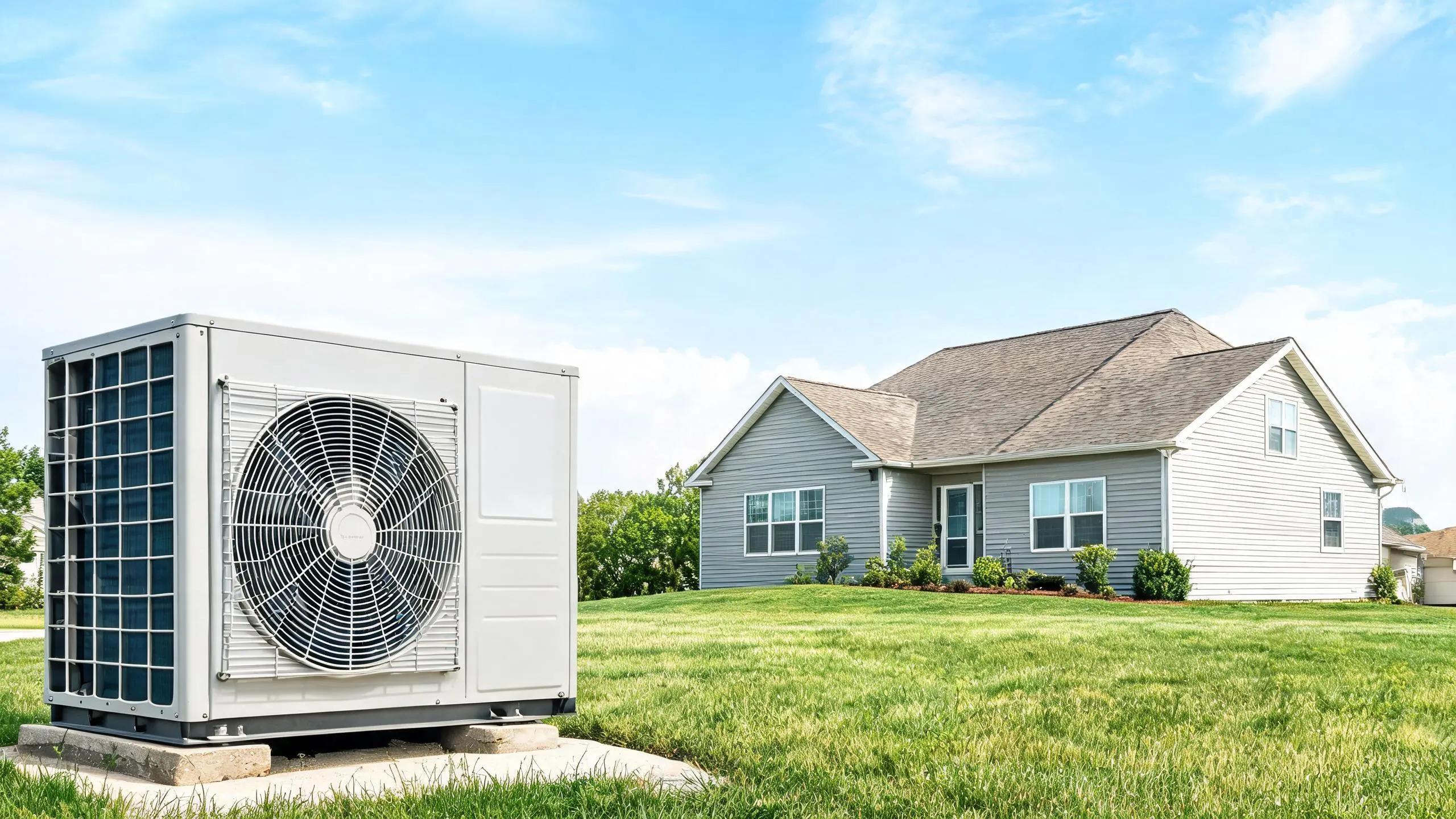
This county sees real storms
Washington Parish recorded 38 severe weather events between 2015 and 2024, including 27 damaging wind events, 3 tornadoes and 3 hurricanes or tropical storms. That outdoor unit sits outside through all of it.
Takes about a minute. No obligation.
Washington Parish recorded 38 severe weather events between 2015 and 2024, including 27 damaging wind events, 3 tornadoes and 3 hurricanes or tropical storms. That outdoor unit sits outside through all of it.
Almost half of Louisiana households went at least a day without power in 2024. A heat pump that's already struggling won't restart clean once the power does, and without it you have no heat or hot water until it's fixed.
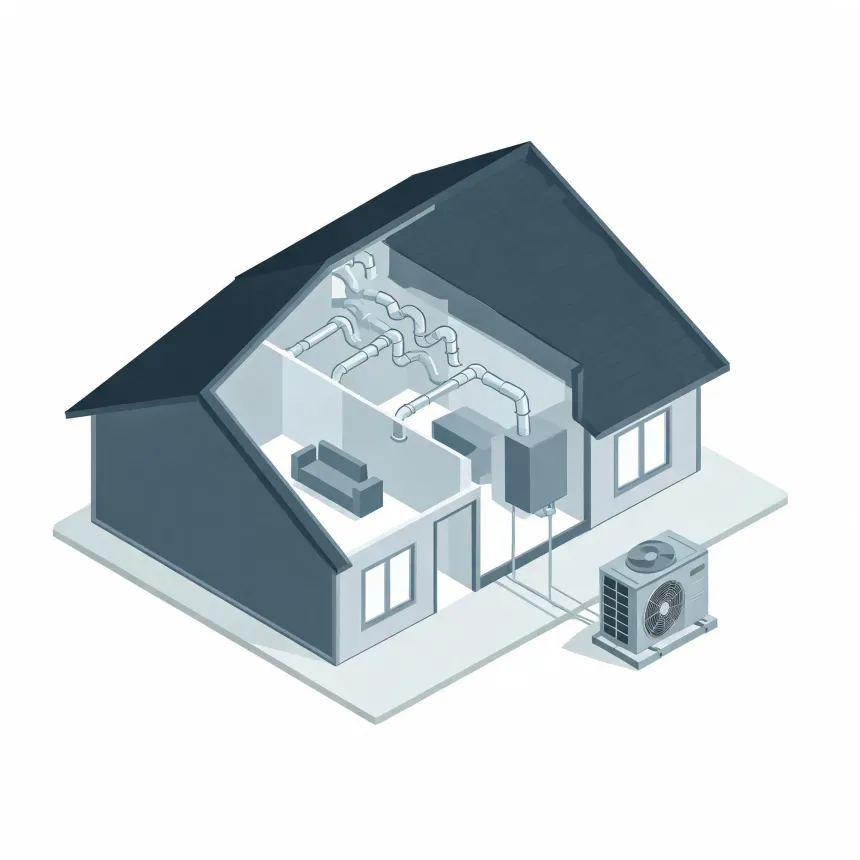
NOAA nClimDiv, 1991–2020 normals
The dew point here averages 72°F in June, July and August, higher than most of the country.
Your heat pump works to pull that moisture out of the air all summer, and that load wears parts down sooner.



If your heat pump is acting up, that humidity load is a reasonable place to start, but don't stop there. Get the actual cause found before anything gets replaced. A contractor can check the refrigerant charge, the outdoor coil and the capacitor, and tell you which one gave out. Replacing a part that wasn't the problem just means the real one fails again in a few weeks. Given what the outdoor unit sits through here, storms, wind, the odd tropical system, a proper diagnosis matters more than a fast guess.
If your outdoor unit has been through wind or hail this year, get it looked at now, even if it's still running. Damage like that doesn't always show up as a breakdown right away, and you don't want to find out it's failing during the next outage.
Find a contractorA heat pump that's struggling gives you warning before it quits outright. It runs longer than it used to, cycling on and on without the house feeling any different. The air coming out of the vents feels lukewarm instead of warm or cool. You might notice the outdoor unit icing over when it shouldn't, or short cycling, switching on and off in quick bursts instead of settling into a steady run. Listen for it too. A new rattle, a hum that wasn't there before, a clicking that keeps going instead of stopping once the system starts, these are the compressor or the fan motor telling you something's wearing out. None of these mean the whole system is done. Most of the time it's one worn part forcing the rest to work harder, and the longer it runs that way, the more of those other parts it drags down with it.
A heat pump has one part an AC doesn't: the reversing valve that switches it between heating and cooling. When it sticks, the system can get stuck in one mode, or run but blow the wrong temperature air. It's a common point of failure simply because it works every time the system changes direction, all year.
The compressor, the capacitor that starts it, the fan motor, and the contactor that switches power to the outdoor unit each fail on their own schedule. A bad capacitor can keep a compressor from starting at all, and a compressor straining to start on a weak capacitor wears out faster because of it. Finding which one gave out is most of the job.
Before calling anyone, check the thermostat first. Make sure it's set to the mode you want and the temperature is actually past where the room is sitting, since a setting bumped by accident looks exactly like a breakdown. Next, go to the breaker box and look for a tripped breaker on the heat pump's circuit. If one's tripped, reset it once. If it trips again, stop and leave it alone, that's a sign of a real electrical fault, not something to keep resetting. Check the air filter too. A filter clogged with dust chokes the airflow across the indoor coil, and that alone can cause icing, poor heating, or a system that runs constantly without catching up. Walk outside and look at the outdoor unit. Clear away leaves, grass clippings, or anything piled against it, and if you see ice covering the coil, turn the system off and let it thaw completely before running it again. None of this fixes a failed part, but it rules out the simple stuff before someone comes out to look at the rest.
A diagnostic visit starts with the thermostat and the electrical panel, the same checks you'd already have made, then goes further. A contractor connects gauges to the refrigerant lines and checks the charge against what the system is supposed to hold. Too little points to a leak somewhere in the lines or the coil. They'll test the capacitor under load, not just look at it, since a capacitor can read fine sitting still and still fail to start the compressor. The contactor gets checked for pitted contacts, the fan motor for bearing wear or a winding going bad. On a heat pump specifically, they'll run the system in both modes to see whether the reversing valve actually switches, because a valve that's stuck partway can look like a dozen other problems. Airflow gets checked at the indoor coil too, since weak airflow mimics a refrigerant problem and sends people chasing the wrong fix. By the end they can usually point to the one part that failed rather than guessing at several.