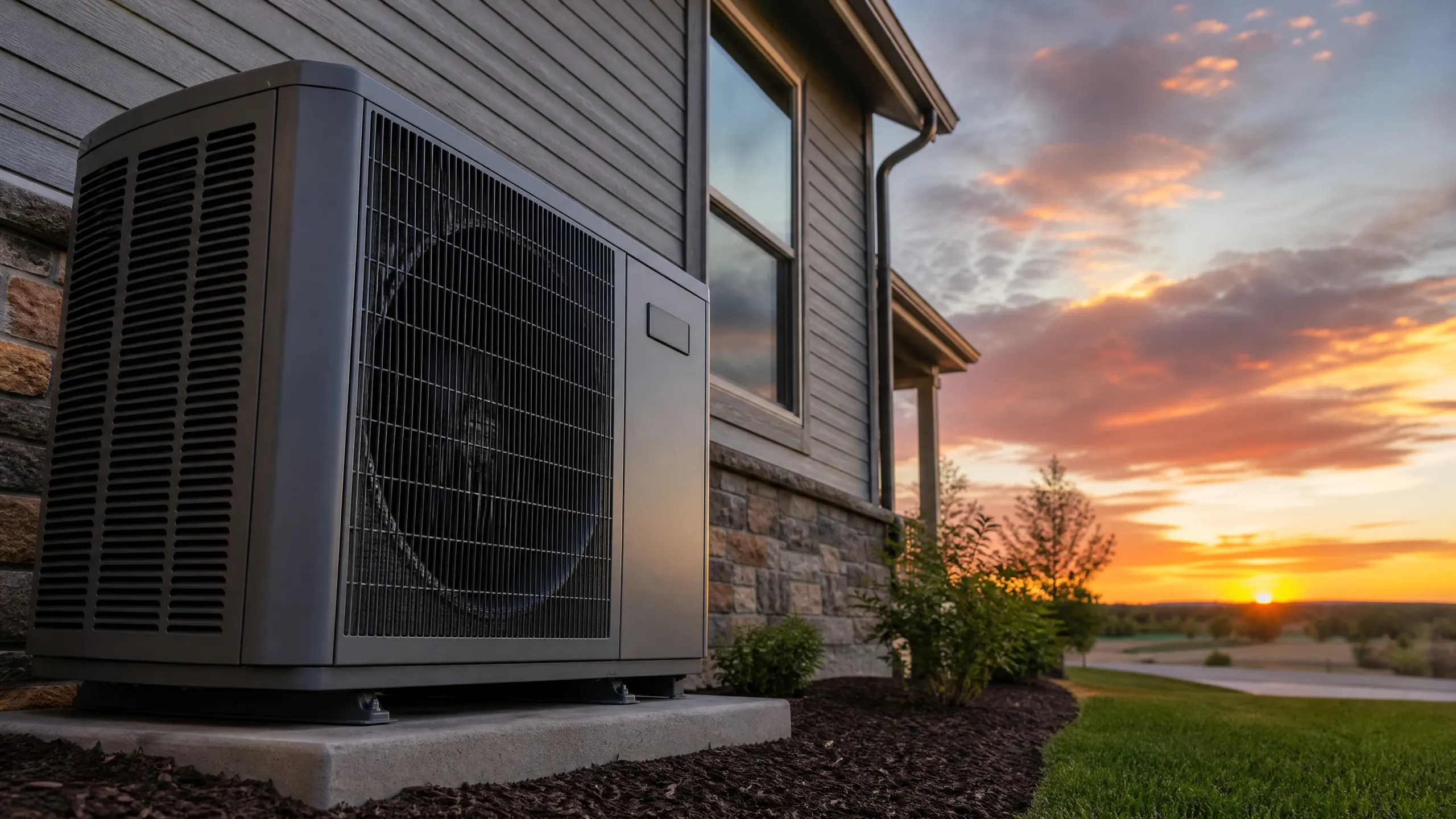






An outdoor air conditioning condenser unit mounted on a concrete pad next to a residential house at sunset.

Heat Pump Repair in Hammond, LA

Tell us about the job

Takes about a minute. No obligation.

RepairHeat PumpTangipahoa Parish, LA
Step 1 of 2

What ZIP code is the job in?

March and October are worth paying attention to here. Those are the last easy months before the heat pump switches jobs, cooling from April and heat from November. A capacitor or a contactor that got weak during one season tends to give out in the first week or two of the next one, once the system is leaning on it hard. A heat pump doesn't get an off season to recover in between. It runs cooling for seven months, then heat for five, so whatever was already wearing down gets tested again almost right away.

5 months
November through March, your system heats
7 months
April through October, it cools
42°F
the average winter night it heats against
91°F
the average summer afternoon it cools against
Isometric cutaway illustration of a single-story house showing interior rooms, ceiling ductwork, an indoor air handler, and an outdoor condenser unit connected by lines on the ground.
Your system heats November through March and cools April through October.

NOAA nClimDiv, 1991–2020 normals

Check the outdoor unit before calling anyone.

If the fan isn't spinning or ice has built up on the coil, that's worth telling the contractor up front.

Half the homes here were built in 1993 or later. A heat pump that came with one of those is still young.

Half the homes here were built by 1993
Power costs 11.73 cents a kWh statewide
Climate zone 2A
Still under warranty, maybeIf the house is newer, check the paperwork before you assume the worst.

Tangipahoa Parish logged 86 severe weather events between 2015 and 2024, and almost all of the damage comes from wind and hail. Your outdoor unit sits outside year round, so it takes whatever comes through. Wind-driven debris and hail dent a coil or bend a fan blade without stopping the unit from running. That's the part that catches people. A heat pump can still turn on and blow air with a damaged coil or a fan that's slightly out of true, just not as well as it should. If a storm came through recently and you haven't had the outdoor unit looked at since, that's worth doing even if nothing seems wrong yet.

Get it looked at early

Problems tend to show up in the first weeks of the season, when the load hits a part that was already weak.

Find a contractor
A gray heat pump outdoor unit mounted on a concrete pad next to the stone-accented exterior wall of a house.

What it sounds and feels like when something's wrong

Short cycling is usually the first sign. The system kicks on, runs a few minutes, shuts off, then starts again not long after. That points to the compressor struggling or a sensor feeding it bad information. Warm air when the thermostat is set to heat, or cold air when it's set to cool, points to the reversing valve. That's the part that switches the unit between modes, and when it sticks the system keeps running the wrong one no matter what the thermostat says. Some ice on the outdoor coil during cold months is normal. The unit defrosts itself on a timer. Ice that doesn't go away means the defrost cycle has stopped working. A unit that runs without ever satisfying the thermostat is often low on refrigerant or losing a compressor, and both get worse the longer it keeps running that way. Grinding, squealing or rattling from the outdoor unit means a motor bearing or a part has come loose. It won't quiet down on its own.

What actually wears out

The capacitor and the contactor take the most abuse because they handle the electrical load every time the system cycles on. The capacitor gives the compressor and fan motors the kick they need to start. The contactor is the switch that sends power to the outdoor unit. Both wear down a little with every start, so they tend to fail from age rather than any one bad day.
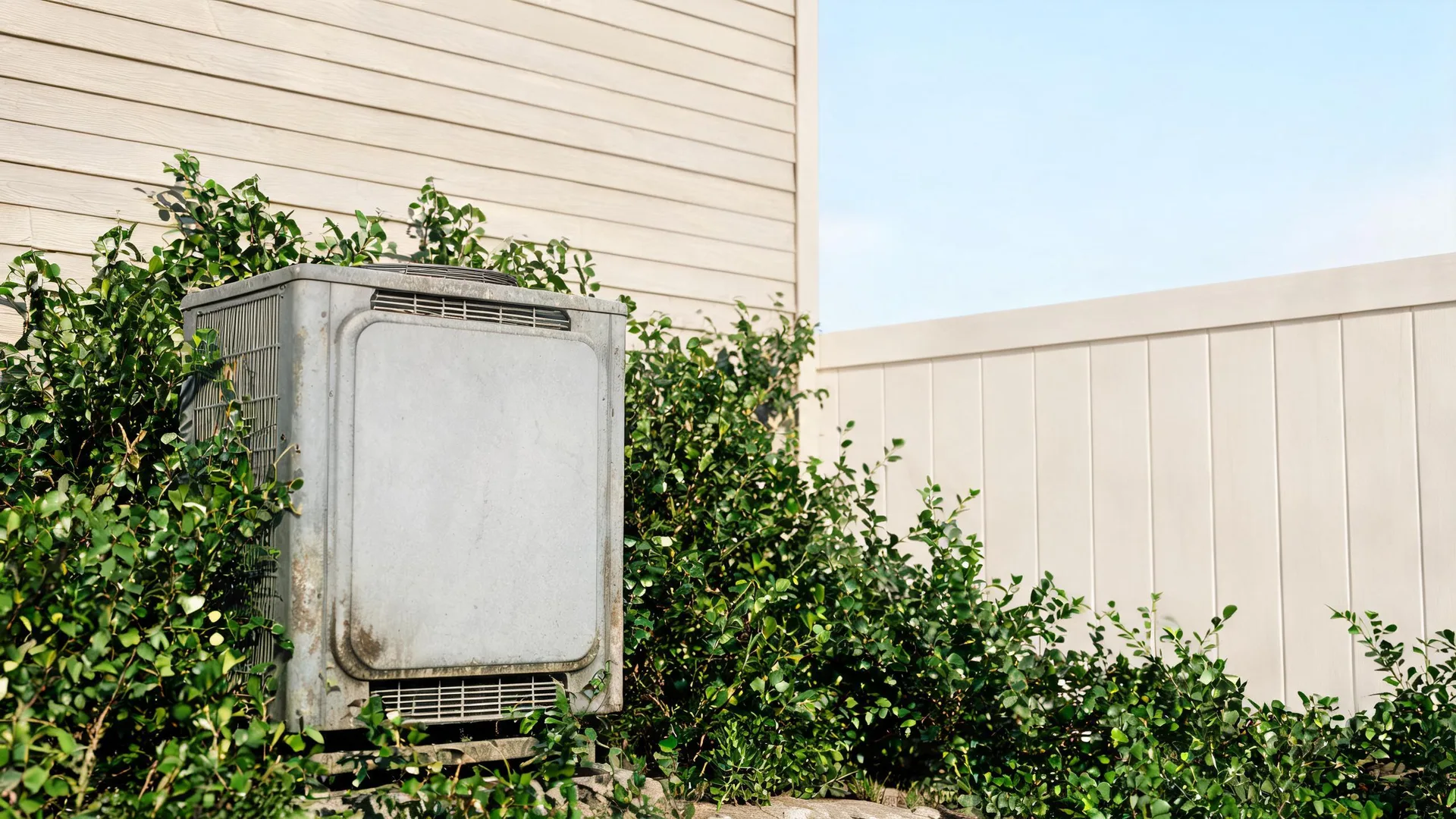
Why a heat pump fails differently than other systems

A furnace or an AC only pushes hard for one season and gets a break. A heat pump's reversing valve, defrost board and compressor all work in both heating and cooling, so there's no season where the system just idles. A part that's starting to go doesn't get time to coast. It keeps getting asked to do the job until it can't.

A failing part under a heat pump rarely holds steady. Low refrigerant makes the compressor run longer to move the same amount of heat, and a compressor that keeps running long and low can overheat and seize for good, which turns a repair into a replacement. A weak capacitor works the same way. It gives the motor a weaker kick on each start, the motor pulls harder to get going, and that extra draw wears the capacitor down faster still. A reversing valve that's starting to stick gets worse the same way, since every cycle asks it to switch again under the same strain that's already wearing it out. None of this resets when the thermostat comes down or the unit sits overnight. Whatever was already weak picks up again at the next start, a little worse than before.

A heat pump that's old enough to be on its second or third compressor is usually done, even if this particular repair is a small one. The compressor is the most expensive part in the system and the most work to replace, so a shop that quotes a repair on a unit that old is often pricing around a part that's going to take the rest of the system down with it before long. Age matters more than the specific symptom. A capacitor or contactor swap on an older unit still makes sense, since those are cheap parts that fail on their own schedule and don't say anything about the compressor's health. But a compressor or reversing valve going on a unit that's already had other major repairs is a different conversation. At that point you're deciding whether to keep paying to keep an old system alive one part at a time, or put that money toward one that isn't already partway through failing.