
Heat pump stuck on emergency heat in Hammond, LA

RepairHeat PumpTangipahoa Parish, LA
Step 1 of 2

What ZIP code is the job in?

Emergency heat means your heat pump has given up and the backup electric strips are doing all the work. It switches on by itself when the outdoor unit can't pull heat from the air, usually because the coil has iced over or the system has lost refrigerant charge. Around Hammond winters rarely get cold enough to freeze the coil on their own, so if your system is stuck in emergency heat, something is wrong with it rather than the weather asking too much of it. A stuck defrost control, a failed sensor, or a compressor that isn't running can all leave the unit with no choice but to lean on the strips full time. Those strips will keep the house warm, but they use far more power than the heat pump does to do the same job, and running on them for days adds up fast. The fix is finding what's keeping the outdoor unit from doing its share.

A gray outdoor condenser unit on a concrete pad beside a light-green sided house, surrounded by mulch, ornamental grasses and a shrub, with mowed lawn in the foreground.

Heat pump running right

The outdoor unit cycles on and off through the day, pulling warmth from the air even when it's cold outside. The coil stays clear, the fan runs quiet, and the strips in the air handler stay off unless it's close to freezing. Your power bill reflects a heat pump doing the work, not backup resistance heat.


An outdoor air conditioning condenser unit with a top fan grille sits on a concrete pad beside a house with horizontal siding and a concrete step.

Stuck on emergency heat

The outdoor unit sits idle or runs rough, coil fins caked with dirt or iced over, while the air handler inside carries the whole load on electric strips. It'll keep the house warm, but strips cost more to run than the heat pump ever does. Something outside stopped it from working, and it needs a look.

Why does your heat pump need emergency heat so often here?

  • Winter nights average 42°F

    Winter nights sit around 42°F in Tangipahoa Parish, not cold enough to make emergency heat the normal answer night after night.

  • Heat runs November through March

    Heat only runs November through March here, so a heat pump that leans on strips the rest of that stretch adds up fast on the bill.

  • Cooling runs April through October

    Cooling runs April through October, which means the outdoor unit spends most of the year moving heat, not making it, and a failing coil shows up first in winter.

NOAA nClimDiv 1991-2020

A woman with long dark hair in an olive green shirt over a white top sits indoors, looking off to the side and smiling slightly, with a blurred kitchen, dining table with a plant in a vase, striped cushions, and a glass door in the background.
A woman in a cream knit sweater stands in a home interior looking to the side, with a bookshelf, armchair, framed pictures and a potted fern in the background.
A woman with long brown hair in a cream knit sweater sits on a gray couch indoors, looking off to the side toward a window.
A woman with long wavy auburn hair in a dark sweater stands indoors looking off to the side, with a stone fireplace, shelves and a bright window behind her.

Why is your electric bill suddenly so high this winter?

The strips in your air handler heat with resistance wire, the same way a toaster does, and they cost more to run than the heat pump ever does. If the system has been stuck on emergency heat for a few days, you've likely already seen it on the bill. You might also notice the air coming out of the vents feels hotter than usual, or the outdoor unit sitting quiet and still when you'd expect it cycling. Some homes have a light on the thermostat marked "emergency heat" that stays lit instead of blinking on and off. Left alone, the strips will keep carrying the whole load, and the bill will keep climbing with it.

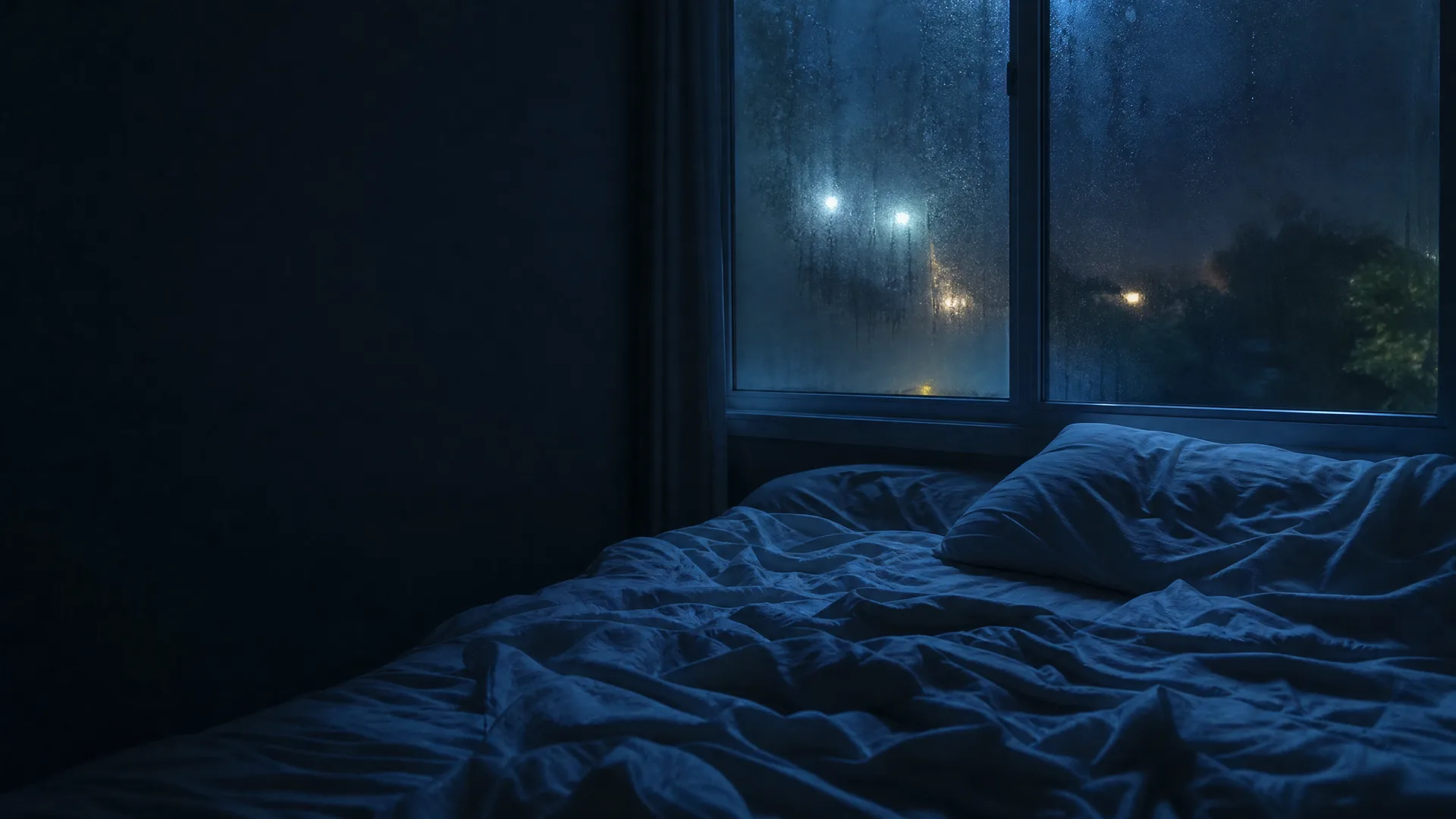
A dark bedroom at night with an unmade bed and a pillow beside a rain-streaked window showing distant lights and trees outside.

It's August, past midnight, and the sheets are damp enough to stick to your legs. The window's fogged at the edges where the humidity outside presses against the glass. You kick the sheet off, then pull it back when the air handler cycles and blows warm instead of cool. Down the hall the thermostat reads two degrees above where you set it. You get up to check the vent and the air coming out isn't cold, just moving. Tangipahoa Parish in August doesn't let up at night, and a heat pump that's quietly failed at cooling leaves a bedroom like this one no cooler at midnight than it was at dinner.

A gray outdoor heat pump unit on a concrete pad beside a house with horizontal lap siding, connected by conduit and a flexible line to a wall-mounted disconnect box, with low shrubs and mulch nearby.
The fan turns, the coil stays dry, and the unit cycles like any other mild Hammond morning.
An outdoor air conditioner condenser unit on a concrete pad beside a house with horizontal lap siding, with a shrub to the left, bare dirt in front, and conduit and a metal disconnect box on the wall.
Frost covers the coil and the fan sits still, a sign the system quit pulling heat on its own.
A woman sits on a couch under a chunky knit blanket with a sleeping young child resting against her, with a lit lamp and window in the dim background.
An older woman with short gray hair in a cream knit sweater smiles while looking to the side, standing behind a wooden board holding a round loaf of bread, with a dark window and lamp-lit interior behind her.

No calling every shop in Tangipahoa Parish

A licensed pro who repairs heat pumps in Tangipahoa Parish gets your request.

There's no charge for the request.

What the switch is actually doing

Inside the outdoor unit, a relay locks out the compressor and sends power straight to the strips in the air handler. That relay trips when the system's control board sees a fault, a frozen coil, low refrigerant pressure, a failed defrost sensor, and decides it's safer to stop the compressor than keep running it. It isn't a setting you choose. Once it trips, the strips carry the whole house until something resets that relay, and nothing resets it except a contractor finding what tripped it in the first place.

Why it won't just fix itself

A heat pump cycles the compressor on and off by design, pulling heat from outside air even on a cold night in Tangipahoa Parish. Emergency heat skips that cycle entirely and runs the strips straight through, so the unit stops drawing from the outdoor air the moment the fault hits. Letting it run doesn't clear a frozen coil or restore lost refrigerant. The outdoor fan can sit still for days while the strips keep the house warm, and the only way the compressor runs again is a tech clearing whatever locked it out.

Power here costs 11.91 cents per kilowatt-hour

At 11.91 cents a kilowatt-hour, running on strips instead of the heat pump shows up fast on your bill. Those strips pull a lot more power to put out the same heat, so every day stuck on emergency heat adds up while the compressor sits idle outside.

EIA-861 2025

What to do about it now

  • Emergency heat running for more than a day points to a stuck relay or a frozen coil, not a thermostat setting you can fix yourself.
  • A licensed contractor working in Tangipahoa Parish sees iced coils and failed defrost boards every winter and knows which one to check first.
  • One contractor takes the call instead of several, so you explain the problem once and aren't sorting through competing quotes.
  • Left alone, the strips keep carrying the full heat load and the compressor outside sits idle until someone resets what tripped it.
  • A tech who works this equipment all season can tell a low refrigerant charge from a bad sensor before pulling the panel off.
  • The fix is usually smaller than the bill it's been running up, but it starts with someone local looking at the actual unit.

Your heat pump stuck on emergency heat means the compressor outside has stopped doing its job and the strips in the air handler are carrying all the heat by themselves. That's not something a thermostat setting fixes. It's a relay that tripped, or a coil that iced over, or a board that saw a fault and locked out the compressor until someone resets it. The longer it sits like this, the more those strips run, and the more it costs to keep the house warm the hard way.

Finding someone to look at it is the part this page handles. Instead of calling around Tangipahoa Parish, explaining the same problem to three different companies, and weighing quotes against each other, you put in the request once and one licensed, local contractor takes it from there. Someone who works on heat pumps through every Hammond winter has seen this exact failure before, more than once, and knows whether to check the defrost board, the refrigerant charge, or a stuck relay first, before the panel even comes off.

The unit outside is built to pull heat from the air down into the low 40s, which covers almost every night here. When it's not doing that, something specific failed, and it's fixable. The strips will keep running until that part gets found and reset or replaced. Getting the right person looking at the actual equipment is what ends it.

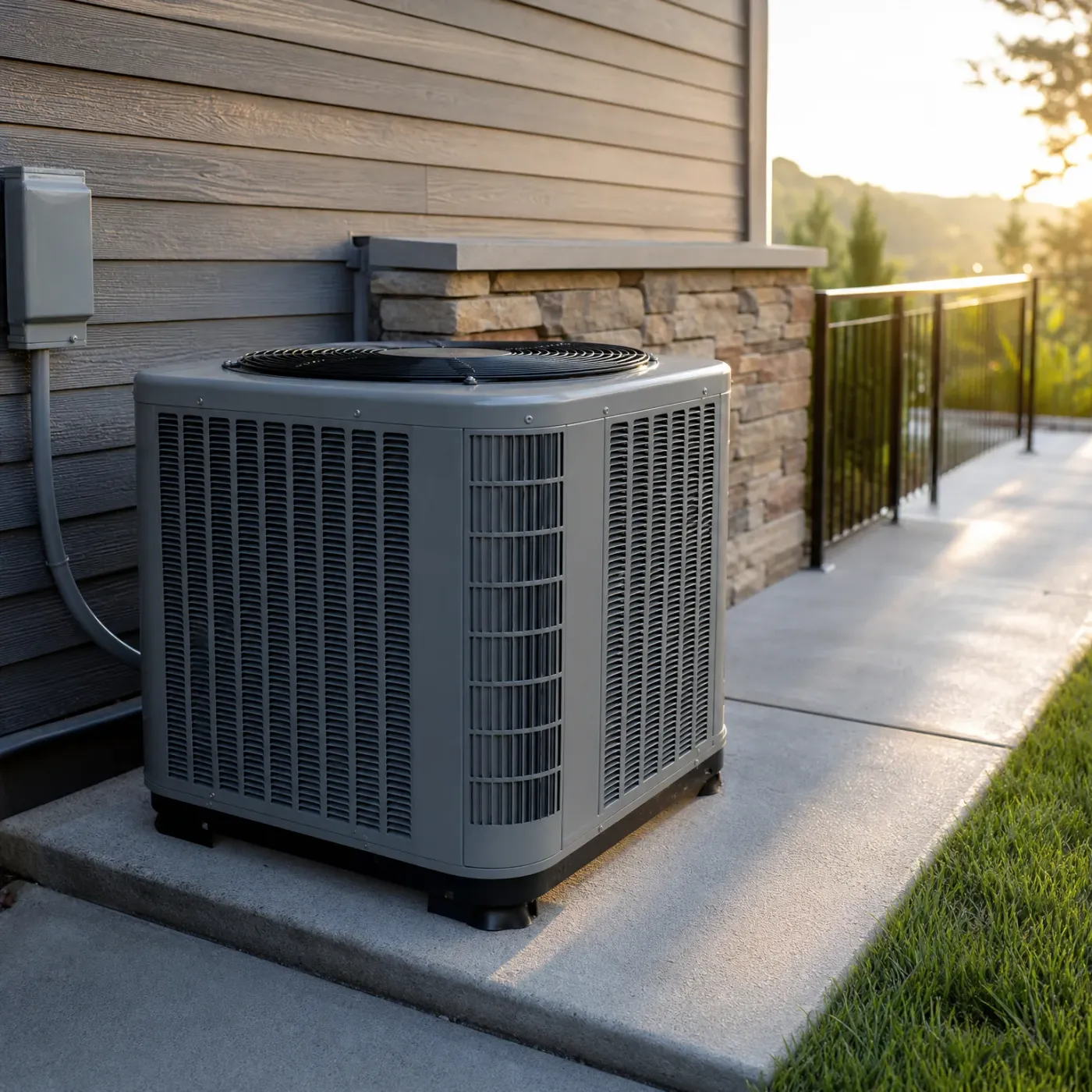
A gray outdoor air conditioner or heat pump condenser unit on a concrete pad beside a house with horizontal lap siding and a stone-faced wall, with a metal railing, lawn, and hills lit by low sun in the background.

Skip calling around

Fill out one form

A licensed pro who works in Tangipahoa Parish gets your request.

You only hire the pro if you want to.