

Why your heat pump bill jumps in a Louisiana winter

RepairHeat PumpLouisiana
Step 1 of 2

What ZIP code is the job in?

Why did my heat pump bill go up this winter?

Your heat pump bill climbs once the cold mornings settle in, and you're trying to figure out if something's wrong with the system or if this is just what winter costs. You keep the house comfortable for everyone in it, so a jump in the bill matters more than a number on a page, it's a question of whether the equipment is working the way it should.

Your heat pump works harder in cold weather, and that costs more

A heat pump moves heat from the outside air into your house. The colder it gets outside, the less heat there is to move, so the system runs longer to keep up. Below a certain temperature, many heat pumps switch on backup electric heat strips to make up the difference, and those pull a lot more power than the heat pump alone. Most homes in Louisiana heat with electricity, so that extra draw shows up straight on your bill. Power here is cheap compared to a lot of the country, but a system leaning on backup heat for days at a time will still cost noticeably more than one running on the heat pump by itself. If the jump seems bigger than the cold weather explains, the system may be struggling to keep up on its own.

  1. Outside air gets colder, so the heat pump has less heat to pull inside.

  2. The system runs longer each cycle to make up the difference.

  3. Below about 35 to 40 degrees, the outdoor coil starts icing over.

  4. The heat pump switches to defrost mode and reverses itself briefly.

Is your heat pump running nonstop and still falling short?

On a cold morning you might notice the system never really shuts off, or it blows air that feels cool rather than warm. Some homeowners hear it click into a different mode, with a burst of air outside the house, then settle back into heating. The thermostat may say 70 but the house still feels a few degrees off. None of that alone means something's broken. But if the system is struggling to keep up even when it's running constantly, or the bill jumps more than the cold snap explains, it's worth having someone look before a part that's working too hard gives out and leaves the house without heat on a cold night.

A gray outdoor condenser unit on a concrete pad beside a house with horizontal lap siding, with a metal disconnect box and refrigerant lines on the wall, river rock and mulch to the sides, and a green shrub at right.

Running clean

Here the unit sits clear on its pad, grille open to the air. Cold snaps still push it to run longer, but it pulls what heat it can from the outside air and moves it into the house without a fight. Defrost cycles come and go the way they should.


A dirty outdoor air conditioner condenser unit with debris on its coil grille, sitting on a concrete pad beside a light-colored horizontal siding wall, with bare dirt ground in front and a shrub at right.

Clogged and straining

This one's grille is packed with dirt and plant matter. Airflow through those fins is choked off, so the system works harder to pull the same heat, and your bill carries that extra cost all winter. A contractor can clear it and check what else the buildup affected.

A woman with wavy blonde hair wearing a grey knit cardigan over a green top sits on a sofa in a living room, looking off to the side.
A woman with long brown hair in a cream knit sweater sits on a light sofa in a living room, looking toward a window with sunlight on her face.
A woman in a gray sweater sits in a chair in a living room with a dark sofa, wooden coffee table with a potted plant, and a staircase behind her, looking toward a window.
A smiling woman with dark hair in an updo, wearing a gray ribbed turtleneck sweater, sits on a light sofa in a living room and looks off to the side.

What defrost mode actually costs

Defrost mode runs the system in reverse for a few minutes, sending warm refrigerant to the outdoor coil to melt the ice off it. While that happens, the indoor fan either shuts off or blows cool air instead of warm. A small strip of backup heat often kicks in to cover the gap. None of this is a malfunction. But on a cold, damp morning the unit can cycle into defrost several times, and each one draws power without putting much heat into the house.

Where backup heat comes in

Most heat pumps in Louisiana pair with electric resistance backup, strip heat built into the air handler. It switches on when the outdoor coil can't pull enough warmth from the air, usually once temperatures drop into the 30s, or during defrost cycles. Strip heat works by warming air directly with electric elements, the way a toaster does, instead of moving heat from outside. It costs more to run per hour than the heat pump alone. A system leaning on it for hours during a cold snap shows up clearly on the bill.

An outdoor air conditioning or heat pump condenser unit on a concrete pad beside a house with horizontal vinyl siding, a gray electrical disconnect box and conduit on the wall, and a concrete walkway in the foreground.
Before you get your heat pump repair
A gray outdoor condenser unit on a concrete pad beside a house with gray lap siding, connected by conduit and refrigerant lines to a wall-mounted disconnect box, with a green shrub and mulch bed at left.
After you get your heat pump repair
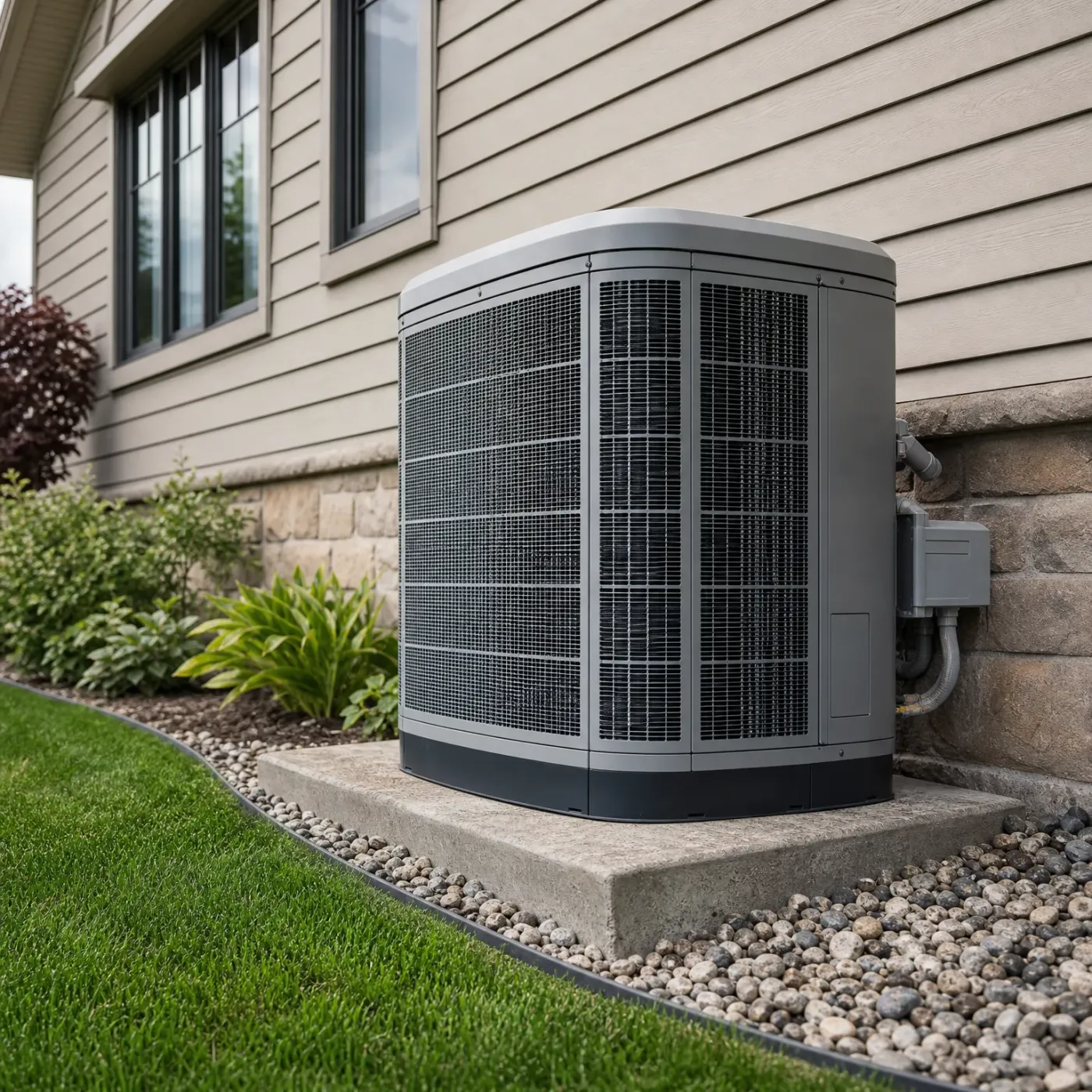
A gray outdoor condenser unit on a concrete pad beside a house with horizontal lap siding and a stone foundation, with a lawn, shrubs and decorative gravel nearby.

Get your heat pump to the right pro

Describe what your heat pump is doing once, in one form.

Say what's going on with your heat pump, and a pro who works on them reaches out.

Find a heat pump pro

It costs nothing to send, and you don't have to hire anyone.

Heat Pump Repair: Before and After

Before

  • The heat pump runs long stretches without really shutting off, and the house still feels a few degrees cool.
  • Defrost mode kicks in more than it should, and each time it does, cool air comes out of the vents for several minutes.
  • The bill keeps climbing even though you haven't changed the thermostat setting.
  • You're checking the thermostat and bundling up instead of trusting the system to keep up.
  • Someone has to stay home or check in to make sure a room isn't getting too cold while the system struggles.
  • You don't know if the system needs a repair or if this is just what a cold snap does to the bill.

After

  • Warm air comes out steady, and the house holds the temperature you set it to.
  • Defrost cycles come and go quickly, without long stretches of cool air blowing through the house.
  • The system runs less to hold the same temperature, which shows up on the next bill.
  • You stop checking vents and thermostat settings to see if the system is keeping up.
  • Whoever is home stays comfortable without you having to manage the thermostat around them.
  • You know the cold snap is just cold, not a sign something is wearing out.
An older woman with short gray hair in a cream cable-knit turtleneck sweater smiles while looking to the side in a wooden kitchen, with a round loaf of bread on a board in the foreground and a lit candle by a dark window.
A woman with her hair in a bun sits wrapped in a beige knitted blanket on a couch, holding a sleeping child against her chest in a warmly lit room with a lamp and houseplant in the background.

A heat pump that's low on refrigerant still runs, so nothing shuts it off or signals a problem outright. It just works harder and longer to move the same amount of heat, and that extra runtime shows up on the bill before anything else does.

A heat pump at the right charge cycles the way it's supposed to. It reaches temperature, shuts off, and rests until the house calls for heat again. That's the difference between a system paying for itself in runtime and one that isn't.

Power costs 12.52 cents per kilowatt-hour statewide

That rate is low next to most of the country, which is the only reason electric heat is affordable here at all. It also means a struggling heat pump doesn't have to run much longer to add real dollars to your bill, since every extra hour it runs adds up fast at the meter.

EIA-861 2025 statewide residential average

A heat pump working harder in the cold isn't automatically broken, but a bill that keeps climbing past what the weather explains usually means something is making it work harder than it should. Low refrigerant, a coil that can't shed ice the way it's supposed to, a part wearing down after years of winters like this one. You don't have to figure out which it is on your own, and you don't have to spend a weekend calling around, explaining the same problem to every contractor who picks up, then sorting through quotes that don't tell you much. You already know your house, your system, and what the bill looked like before this started. That's enough to get matched with a contractor who handles heat pumps in homes like yours, and who can tell you from here whether it's a quick fix or something bigger.

A living room corner with a beige upholstered sofa, cushion and knit throw, a potted green plant in a woven basket, a framed botanical print on a taupe wall, and a window with foliage outside.
Sunlit room corner with a paned window, sheer cream curtain, a leafy plant in a woven basket on a wood floor, and a textured jute rug.
Sunlit room corner with a white-framed window overlooking green foliage, a wicker basket holding a cream knit blanket on a wood floor, and a woven rug in the foreground.
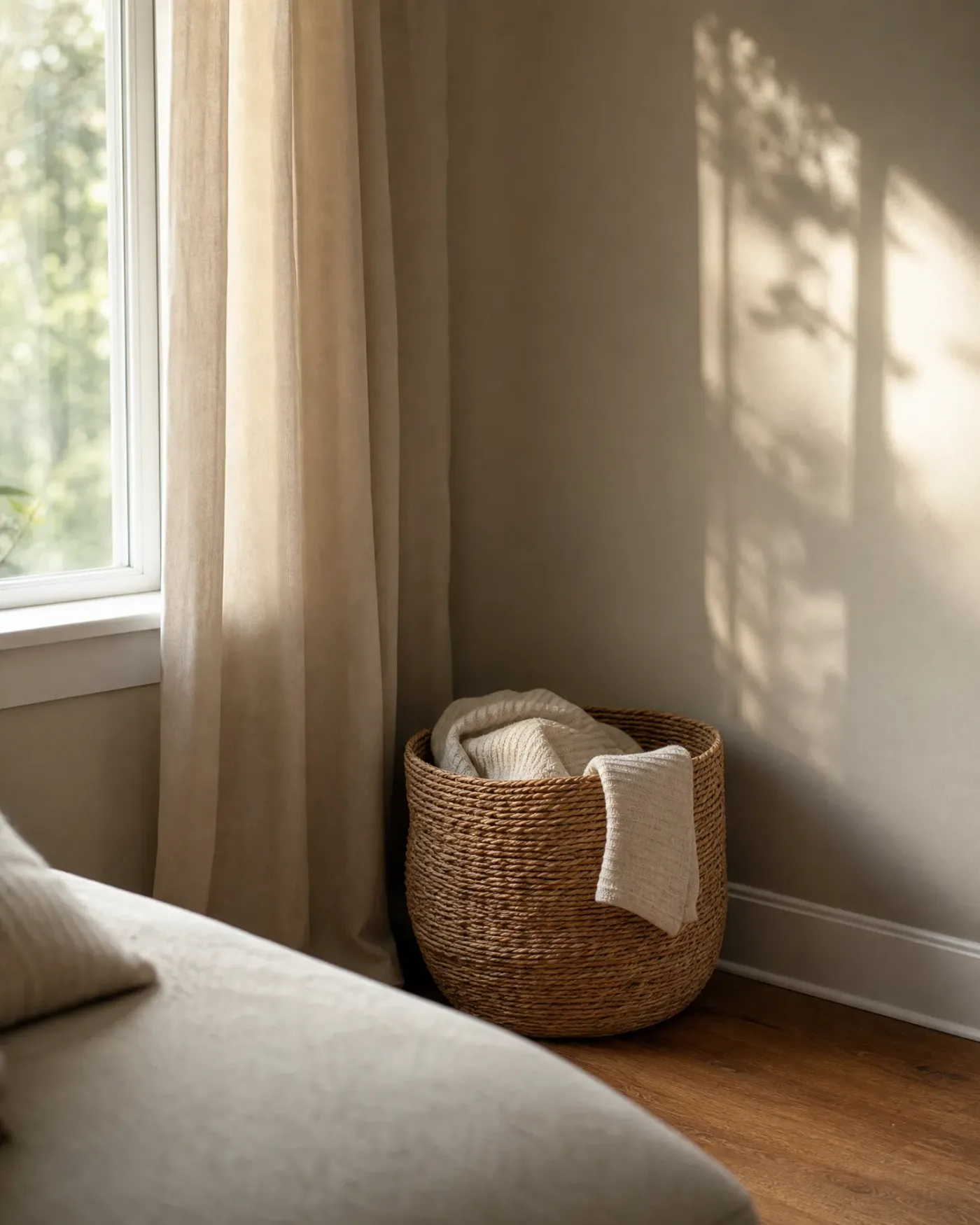
A woven basket holding folded cream blankets sits in a corner on a wood floor beside a linen curtain and window, with window-frame shadows cast on the beige wall.
Sunlit room corner with a potted variegated plant in a woven basket on a wood floor, a linen curtain beside a multi-pane window showing green trees, a framed artwork at upper left, and a jute rug in the foreground.

The right pro for this job

Answer a few questions instead of calling shop after shop.

Get a local pro

No charge to send it. You decide if you hire them.