
Pulling its weight on its own
This is a heat pump that only needs aux heat when it's actually cold outside. The pad is clear, the lines and wiring are intact, and the unit can pull enough heat from the air that the strips stay off most mornings.
 Get matched
Describe your heat pump job, and a local pro who handles it gets in touch.
You turned on the heat and the thermostat says "aux heat" or "emergency heat" and now you're wondering what you did wrong. You didn't do anything wrong. On a cold morning that's your heat pump telling you it needs backup to keep up.
A heat pump moves heat from outside air into your house. When it's cold enough outside, there isn't much heat left to grab, and the system falls back on electric strip heat to make up the difference. That's auxiliary heat. It's normal. It's also the most expensive way your system can run.
If "aux" comes on for a few minutes during a cold snap, that's the system doing what it's built to do. If it stays on, or comes on when it's 50 degrees outside, something is off. Most homes in Louisiana heat with electric power already, so the jump in cost from aux heat running too much is easy to miss until the bill shows up.
That's usually a sign the heat pump itself isn't pulling its weight, low refrigerant, a failing defrost control, a thermostat set wrong for the system you have. Those are things worth having looked at by someone who works on heat pumps here regularly, in this heat and this humidity, and knows which of those tends to fail first.
Tell us what your system is doing and where you're located, and you'll be matched with a licensed local contractor who services heat pumps in your area. One contractor, not a handful calling you back at once. They'll reach out to look at what your thermostat and your heat pump are actually telling you.
You've got the thermostat set and the house is still cold, or the screen just switched over to "aux heat" on its own, and you want to know if that's normal or if something's wrong with the unit before it turns into a bigger repair.
A heat pump heats by moving warmth from the air outside into your house, and that gets harder the colder it is out. When the temperature drops far enough, the unit can't keep up on its own, so a backup heat source, usually electric heat strips, kicks in alongside it. That's aux heat. In Louisiana this might only show up a handful of mornings a year, during a cold snap, since most days don't get cold enough to need it. If it's coming on during mild weather, or staying on for hours at a time, that points to the heat pump itself struggling, maybe low refrigerant or a failing part, and that's worth having looked at before it runs up the bill.

A heat pump pulls heat from the outside air and moves it inside. When it's cold enough out, there isn't much heat left to pull, and the unit can't keep up on its own. Auxiliary heat is a set of electric strip heaters built into the air handler. The thermostat switches them on to cover the gap, then shuts them off once the house catches up. It's part of the system, not a backup bolted on after the fact.

Most homes here heat with electricity, and the heat pump is built to handle the mild stretches on its own. Aux heat is meant for the mornings when it actually drops near or below freezing, which doesn't happen often. If the thermostat is showing aux heat on a 50 degree morning, or it stays lit for hours instead of cycling off, the heat pump likely isn't pulling its share and something needs a look.
You'll notice it on the bill before anything else. Auxiliary heat uses electric strip heaters, and those draw a lot more power than the heat pump running on its own, so a few cold mornings of aux heat can show up as a real jump. You might also notice the air from the vents feels hotter than usual, or the outdoor unit stays quiet while the house keeps heating. None of that means something's broken. But if aux heat is running most of the time, even when mornings aren't that cold, the heat pump itself may not be pulling its share, and that's worth having someone look at before a cold snap leaves you leaning on strip heat alone.


If aux heat is coming on more than it should, or the thermostat is stuck showing it even on a mild Louisiana afternoon, that's not something to watch and wonder about. It usually means the heat pump itself isn't pulling its weight anymore, so the strips are doing work they shouldn't have to. A weak compressor, a refrigerant leak, a stuck reversing valve, any of these can push a heat pump into relying on backup heat full time, and with power cheap here it's easy to not notice how much that's costing until the bill shows up. A contractor who works on heat pumps in this climate all winter knows which of those failures shows up first and how to tell them apart quickly. Getting matched with one local contractor means someone who actually services this equipment looks at your system, instead of you guessing at what's wrong from the thermostat screen.
The heat pump pulls warmth from the outside air first.
The thermostat compares the house to your set temperature.
If the gap stays wide, it calls for backup heat.
Electric strip heaters near the air handler switch on.


That summer dew point in Louisiana averages 73°F, which is why the air outside still feels thick even after the sun goes down. A heat pump works harder against air like that, but dew point is a summer number, and aux heat is a winter problem. The two meet in the same unit. A heat pump that's been straining all summer to keep up with that moisture is already worn going into the first cold snap, and that's often when you start seeing aux heat kick on more than it should. Source: NOAA climate data for Louisiana.
NASA POWER T2MDEW county cells weighted by homes

If aux heat is coming on most cold mornings, you'll feel it before you see the bill. The air out of the vents runs hotter than the heat pump alone ever puts out, so rooms that were cool catch up fast. That's by design. The strips are there for the mornings the heat pump needs the extra push.
What's not normal is aux heat running all day, or the house never quite settling at the temperature you set. That points to a heat pump that's lost ground somewhere, maybe low on refrigerant, maybe a part that's wearing out, and the strips covering for it nonstop instead of a few hours here and there. A local contractor who works on heat pumps all winter can look at yours and tell you whether it's doing what it should or working around a problem. You'd be matched with one contractor near you, not a handful calling at once, so you can talk through what you're seeing and get a straight answer.


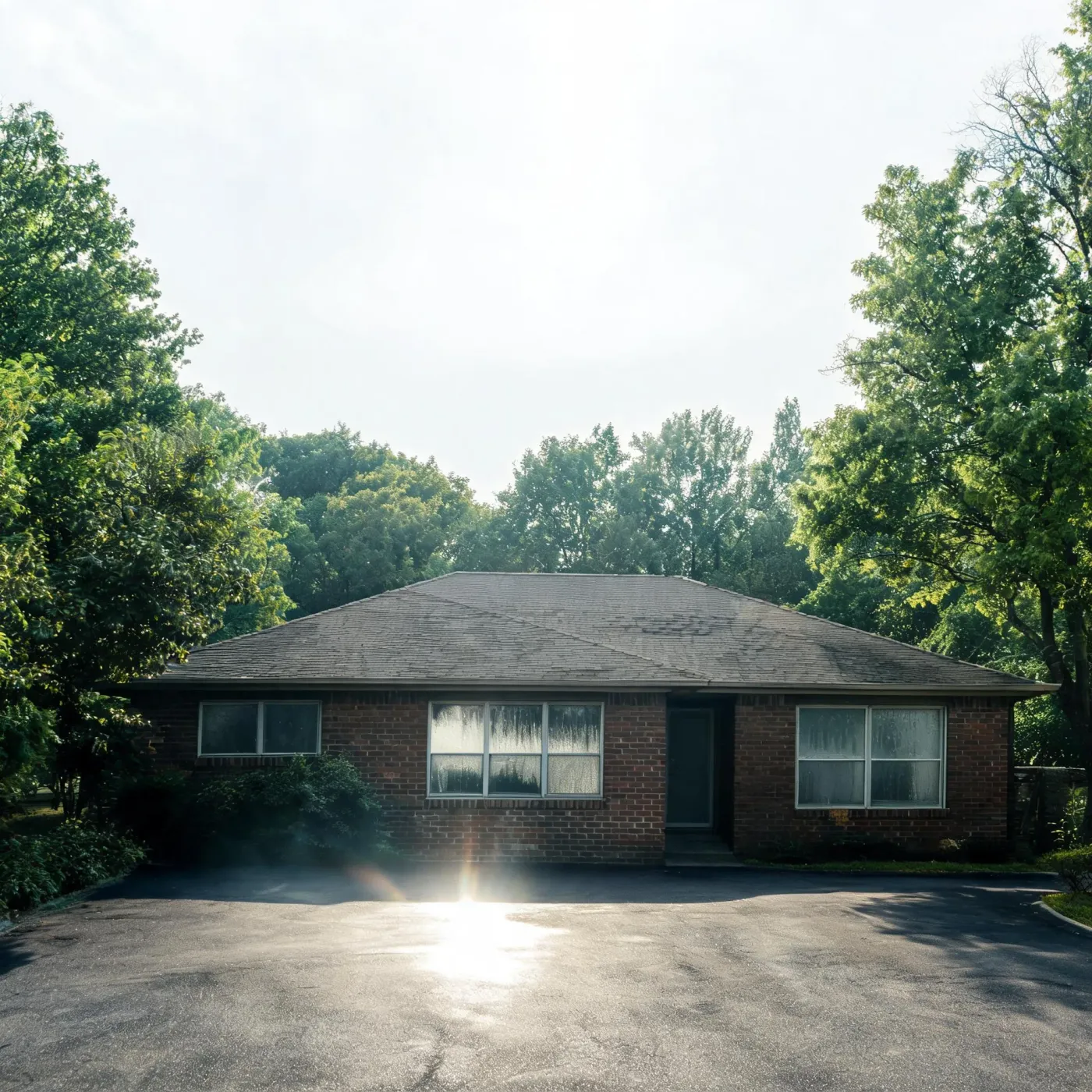
This is a heat pump that only needs aux heat when it's actually cold outside. The pad is clear, the lines and wiring are intact, and the unit can pull enough heat from the air that the strips stay off most mornings.

Grime like this on the grille blocks the airflow the unit needs to pull heat from outside air. When it can't move enough heat on its own, the thermostat calls for aux heat sooner and keeps it on longer, even on mornings that aren't that cold.





Fins are clear and the grille is open, so the unit pulls heat from the outside air the way it's supposed to. Aux heat only steps in on the coldest mornings. The strips click off fast once the house catches up.

Dust and debris cake the fins and block airflow, so the heat pump can't draw in enough heat even on a mild morning. The thermostat leans on the strips to make up the difference. That's more electric heat running than the house actually needs.
At 12.52 cents a kilowatt-hour, a heat pump running on its own is cheap to leave on all winter. Those electric strips are what change the math. They pull far more power than the heat pump itself, so every hour aux heat stays on costs more than a normal heating hour, even with Louisiana's low rate.
EIA-861 2025 statewide residential average
Aux heat by itself on a cold morning isn't a problem. It's the strips staying on, or the thermostat stuck on that word all afternoon, that means the heat pump isn't pulling its own weight anymore. Something in the system, the coil, the charge, the fan, is making it lean on backup heat it shouldn't need, and that's a repair, not something to wait out. A heat pump tech who works on these year round in Louisiana has seen what usually causes it and knows where to look first. You'll be matched with one licensed contractor local to you, not a handful of companies competing for your callback, and that contractor will reach out to look at what's actually keeping your strips running. Until then, you know what aux heat means and what it doesn't. It means backup. It doesn't mean something's broken, unless it won't shut off.

The pro who reaches out is licensed in Louisiana.