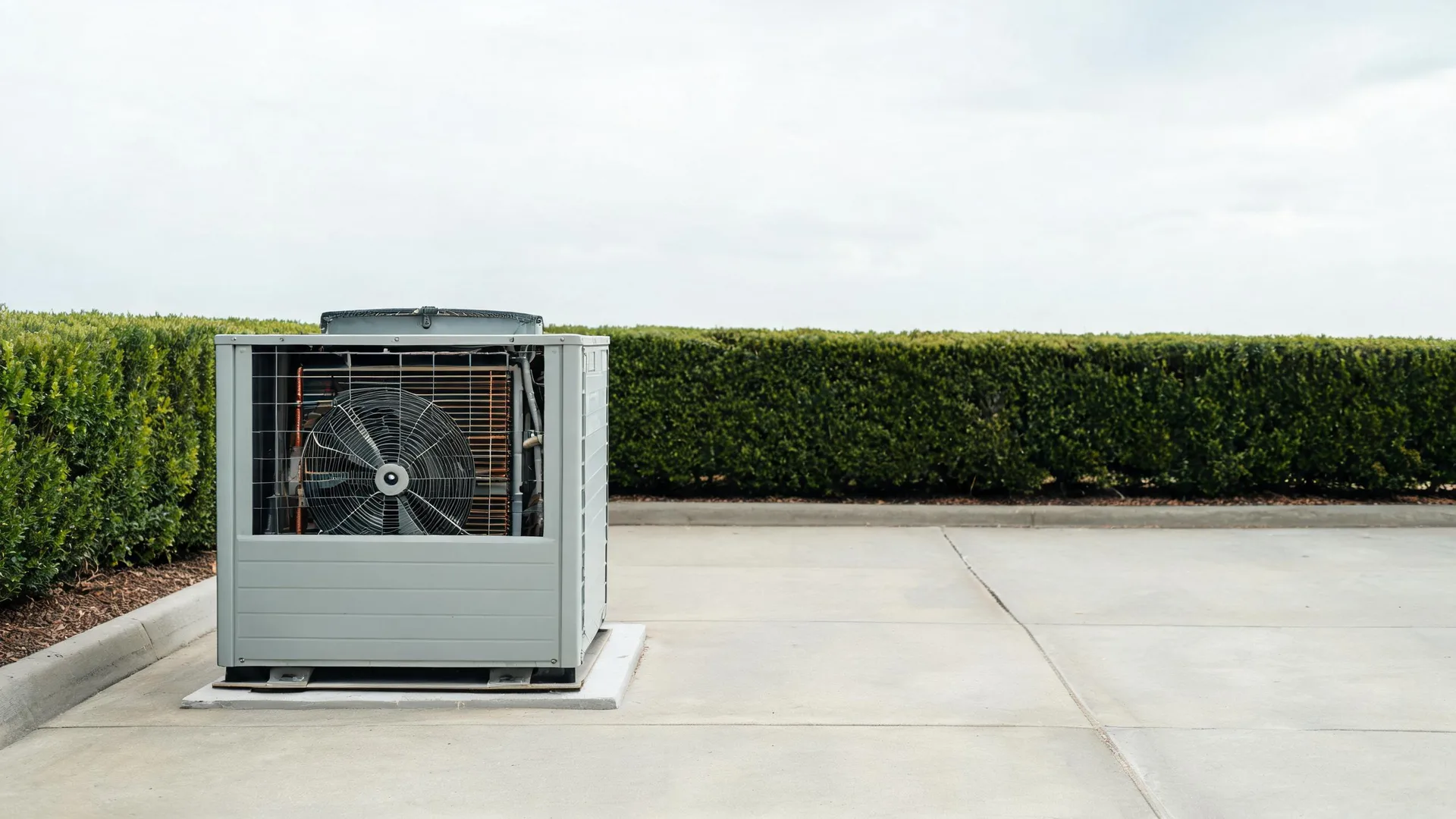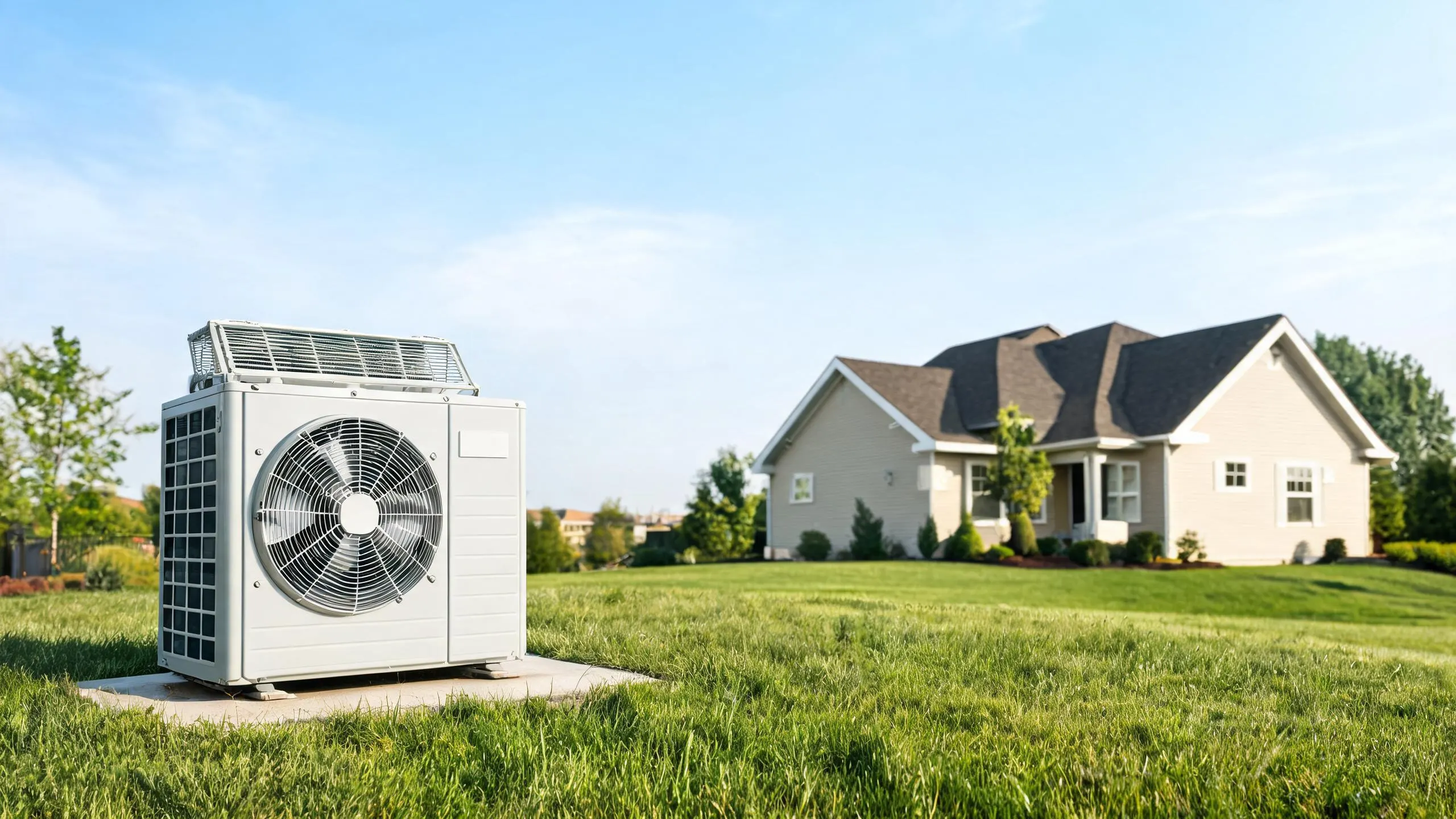
An outdoor air conditioning condenser unit mounted on a concrete pad in front of a single-story suburban house.

Heat Pump Repair in New Orleans, LA

Tell us about the job

Takes about a minute. No obligation.

RepairHeat PumpOrleans Parish, LA
Step 1 of 2

What ZIP code is the job in?

The age of the compressor decides more than the age of the system

A heat pump has one expensive part, the compressor, and everything else is cheap by comparison. A failed capacitor, contactor or fan motor is a repair worth making almost regardless of the unit's age, because you're paying to fix a small part on a machine that still works. A failed or failing compressor is a different question, because at that point you're deciding whether to pay for the one part that costs nearly as much as starting over.


A heat pump that won't switch between heat and cool points at the reversing valve

The reversing valve is what lets the same outdoor unit heat the house in winter and cool it in summer. When it sticks, the system keeps running but gets stuck doing only one job. A contractor can usually replace this valve without touching the compressor or the rest of the unit, so it's worth ruling out before anyone decides the whole system needs to go.

5 months
November through March, your system heats
7 months
April through October, it cools
46°F
the average winter night it heats against
90°F
the average summer afternoon it cools against
Isometric illustration of a cutaway single-story house showing interior ductwork, an indoor air handler and simple furniture, connected by lines to an outdoor condenser unit beside the building.
Your system heats November through March and cools April through October.

NOAA nClimDiv, 1991–2020 normals

A heat pump in New Orleans switches over in November and runs heat for five months straight.

October is when a weak part gets found, right before it has to carry the season.

New Orleans sees 54 severe weather events a decade. Hail and wind damage to the outdoor unit can show up as a heat pump problem.

54 severe weather events from 2015 to 2024
49% of homes statewide lost power a day or more in 2024
35 damaging wind events from 2015 to 2024
Half these homes were built in 1960 or earlierHalf the homes in Orleans Parish were built in 1960 or earlier, so the house is almost never as old as the heat pump inside it.

If the outdoor unit sat through a hailstorm or took a hit from flying debris, don't assume it's fine just because it's still running. Bent fins block airflow across the coil, and a cracked fan blade can throw the motor off balance over time. Hail dents on the cabinet usually mean hail hit everything inside it too, including the coil underneath. A contractor can check the coil and fan for storm damage in the same visit as a repair call, before deciding what's actually wrong with the heat pump. Worth asking for even if the unit seems to be working.

Get it looked at early

Problems tend to show up in the first weeks of the season, when the load hits a part that was already weak.

Find a contractor
A gray air-source heat pump mounted on a concrete pad next to a house with gray vinyl siding, surrounded by gravel and flanked by green shrubs and white hydrangea flowers.

What a failing heat pump sounds and feels like before it quits

Short-cycling is the one most people notice first. The unit kicks on, runs a few minutes, shuts off, then starts again before the room ever feels different. That pattern wears on the compressor every time it happens. Ice on the outdoor unit in defrost mode is another. Some frost in winter is normal, the unit clears it in a defrost cycle. Ice that doesn't clear, or that builds up into a solid sheet, means the defrost cycle isn't doing its job. Air blowing from the vents that feels cool when it should feel warm often means the system is stuck in the wrong mode, not that it's lost its heat entirely. And a low hum with no air movement at all usually points to the fan motor or the compressor itself, not something to wait out.

Check the thermostat settings first

Make sure it's set to heat, not auto, and that the temperature is set a few degrees above room temperature. A dead thermostat battery or a schedule that got changed can look exactly like a broken heat pump. This takes a minute and rules out the simplest cause.

Look at the outdoor unit and the breaker

Walk outside and see if the outdoor fan is spinning and if anything is blocking the unit, leaves, ice, a fallen branch. Then check the breaker panel for a tripped switch. If the breaker trips again after you reset it, stop and leave it off. That's not a problem to keep testing.

Most heat pump failures come down to a handful of parts, and they don't fail without warning. Capacitors weaken slowly, so the fan or compressor starts struggling to kick on before it quits trying altogether. Contactors pit and burn from years of opening and closing, until one day the connection doesn't catch. The fan motor itself can seize up or start running slow, and that alone will make the whole system work harder than it should. Low refrigerant is different. It's never normal, and it never gets better on its own. If charge is low, there's a leak somewhere in the line, and topping it off without finding the leak just means doing it again later. The compressor is the part everyone worries about, but it's usually the last thing to fail, not the first. Most of the time something smaller gave out long before the compressor ever took the blame.

A diagnostic visit starts outside, at the unit itself, not at the thermostat. A contractor checks the refrigerant charge and pressures on both the high and low side, because that one reading points toward several different problems at once. They test the capacitor and contactor with a meter rather than going by how old they look, since both can test weak well before they fail outright. The reversing valve gets checked by running the system in both modes and feeling whether the lines actually switch over. Airflow across the indoor and outdoor coils gets checked too, because a coil that's dirty or iced over can look like a failing compressor from the thermostat. None of this takes the unit apart. It's gauges, a meter and a trained ear, and by the end of it the contractor can usually say which part is at fault instead of guessing at the whole system.