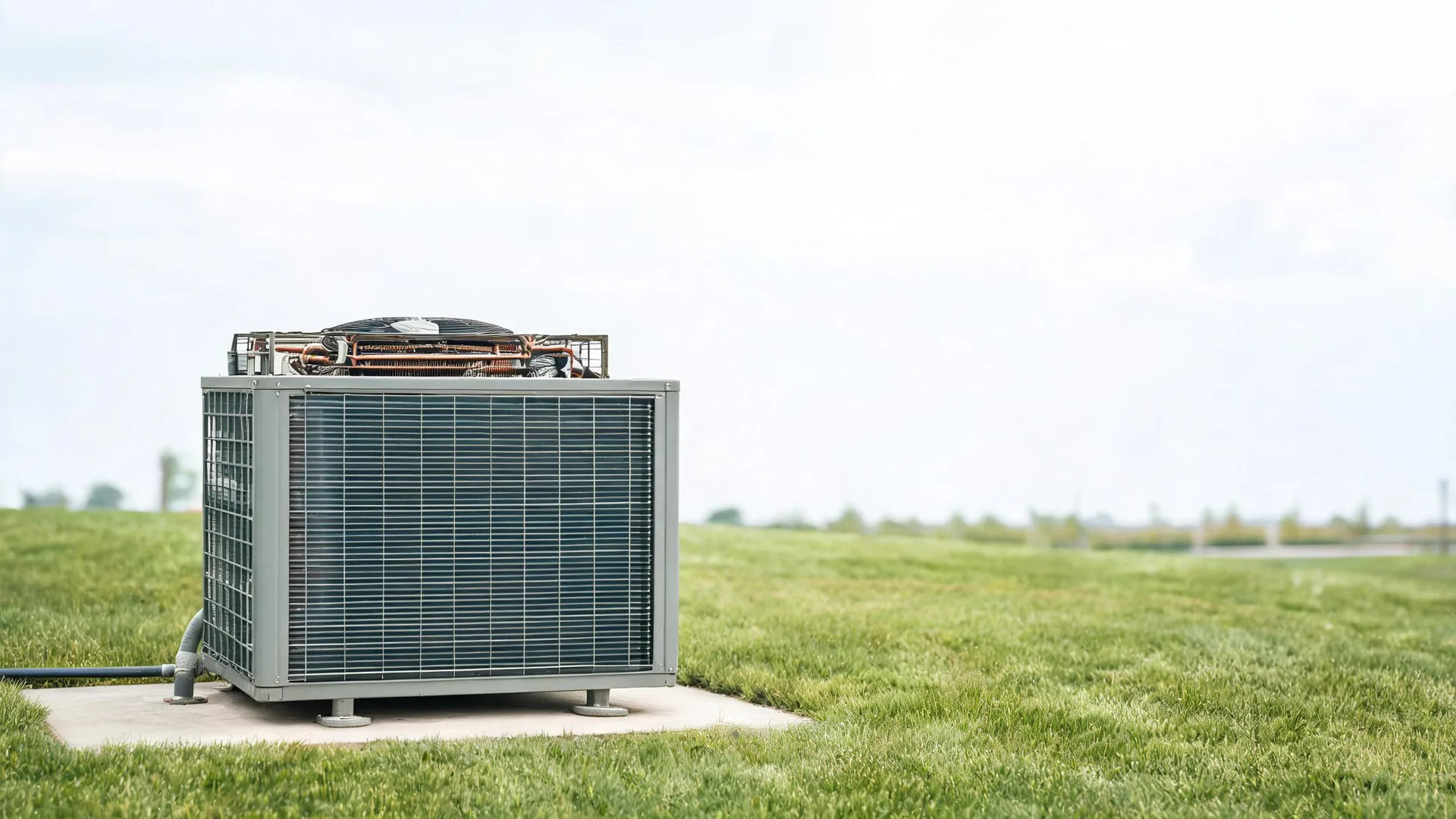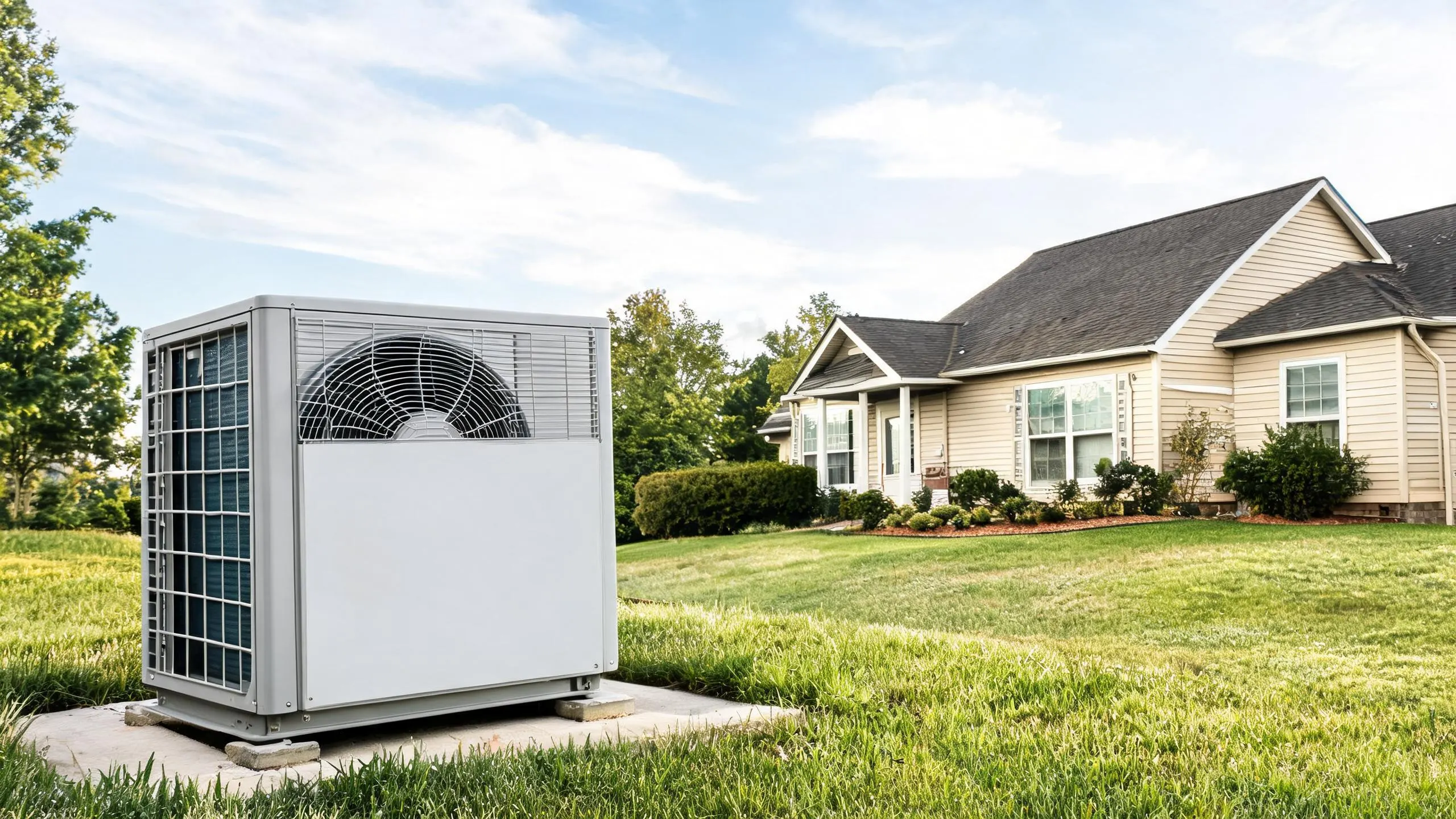
An outdoor heat pump unit mounted on a concrete pad in front of a single-story suburban house with beige siding.

Heat Pump Repair in Bossier City, LA

Tell us about the job

Takes about a minute. No obligation.

RepairHeat PumpBossier Parish, LA
Step 1 of 2

What ZIP code is the job in?

Check the thermostat and the breaker first

Make sure the thermostat is set to heat or cool and the temperature is actually past the current room reading. Then check the breaker panel for your heat pump and air handler. A tripped breaker or a thermostat bumped into the wrong mode explains a lot of no-heat calls that turn out not to be broken equipment at all.


Look at the outdoor unit and the filter

Walk outside and see if the outdoor unit is caked in ice, covered in leaves, or blocked by anything close to it. Then pull the air filter and hold it up to light. A clogged filter starves the system of airflow, and a filthy outdoor coil does the same thing from the other end. Clearing both is something you can do yourself before anyone comes out.

5 months
November through March, your system heats
5 months
May through September, it cools
38°F
the average winter night it heats against
92°F
the average summer afternoon it cools against
Isometric cutaway illustration of a single-story house with a dark gabled roof, showing interior rooms with ductwork leading to an indoor air handler and an outdoor condenser unit connected by lines on the ground outside.
Your system heats November through March and cools May through September.

NOAA nClimDiv, 1991–2020 normals

Half the homes in Bossier Parish were built in 1991 or later.

A heat pump that came with a newer house still has years left in it, and that's usually a reason to repair it.

November and May are when a weak heat pump quits

Cooling runs May through September
Heat runs November through March
70 hail events from 2015 to 2024

Get the coil and fins checked before anything gets replaced. A technician can clean off bent fins and in a lot of cases straighten them enough to restore airflow. If the damage is only cosmetic, that's worth knowing too, since not every dent on that casing is blocking airflow. Either way you want someone looking at it with the panel off, not guessing from the curb.

Repair it

If your system came with a newer house, it likely has plenty of life left. Repair is usually the right call.

Find a contractor
A dark gray heat pump unit mounted on a concrete pad next to a house with gray siding and a stone veneer wall.

Hail damage adds up quietly, season after season

A coil that's been taking hail for a few seasons doesn't show it from the curb. The dents are often on the back or underside, where you won't see them without pulling the panel. If the outdoor unit has been running long hours and keeping up anyway, that's the coil and fins compensating, not a sign everything's fine. Have someone check them before the strain finds the next weak part.

What a failing heat pump sounds and feels like

Air coming out of the vents that's barely warm or barely cool, even though the system is running. Short cycling, where it kicks on and off every few minutes instead of running a full cycle. A hissing or bubbling sound near the outdoor unit, which points to a refrigerant leak. Ice building up on the outdoor coil when it's not in defrost. Any of these mean the system is working against something instead of doing its job.

When to get someone out now versus soon

A heat pump that's blowing cold air in heat mode nonstop, tripping its breaker repeatedly, or making a grinding or screeching sound from the outdoor unit needs a call right away. Those point to a stuck reversing valve, an electrical fault, or a motor bearing going out, and running it longer can turn a repair into a replacement. A system that's just not keeping up as well as it used to, or cycles a little more than it should, can usually wait a few days for a scheduled visit.

A reversing valve causes a lot of heat pump trouble, since it's what switches the system between heat and cool and it moves every single cycle, year round. When it sticks, the system gets stuck blowing the wrong temperature or stalls between modes. The other common failure is the run capacitor that gets the compressor and fans started. Capacitors weaken slowly, so the unit struggles to start, strains through a cycle, and then one day doesn't start at all. Low refrigerant almost always means a leak somewhere in the lines or coil, not the system using up a fluid the way a car uses gas. A leak left alone keeps the compressor working harder than it should, cycle after cycle.

Repairing a heat pump makes sense right up until the compressor itself fails. The compressor is what makes refrigerant move, and it's also the most expensive part in the system by a wide margin. A bad capacitor, a stuck reversing valve, a failed sensor, those are worth fixing on almost any unit, since the part is a small piece of what the whole system costs. A compressor swap is a different decision, because you're paying most of what a new unit costs to keep an old one running. Age matters here too, since a compressor failure on a unit near the end of its expected life often isn't worth chasing. One that's still young is usually worth the repair.