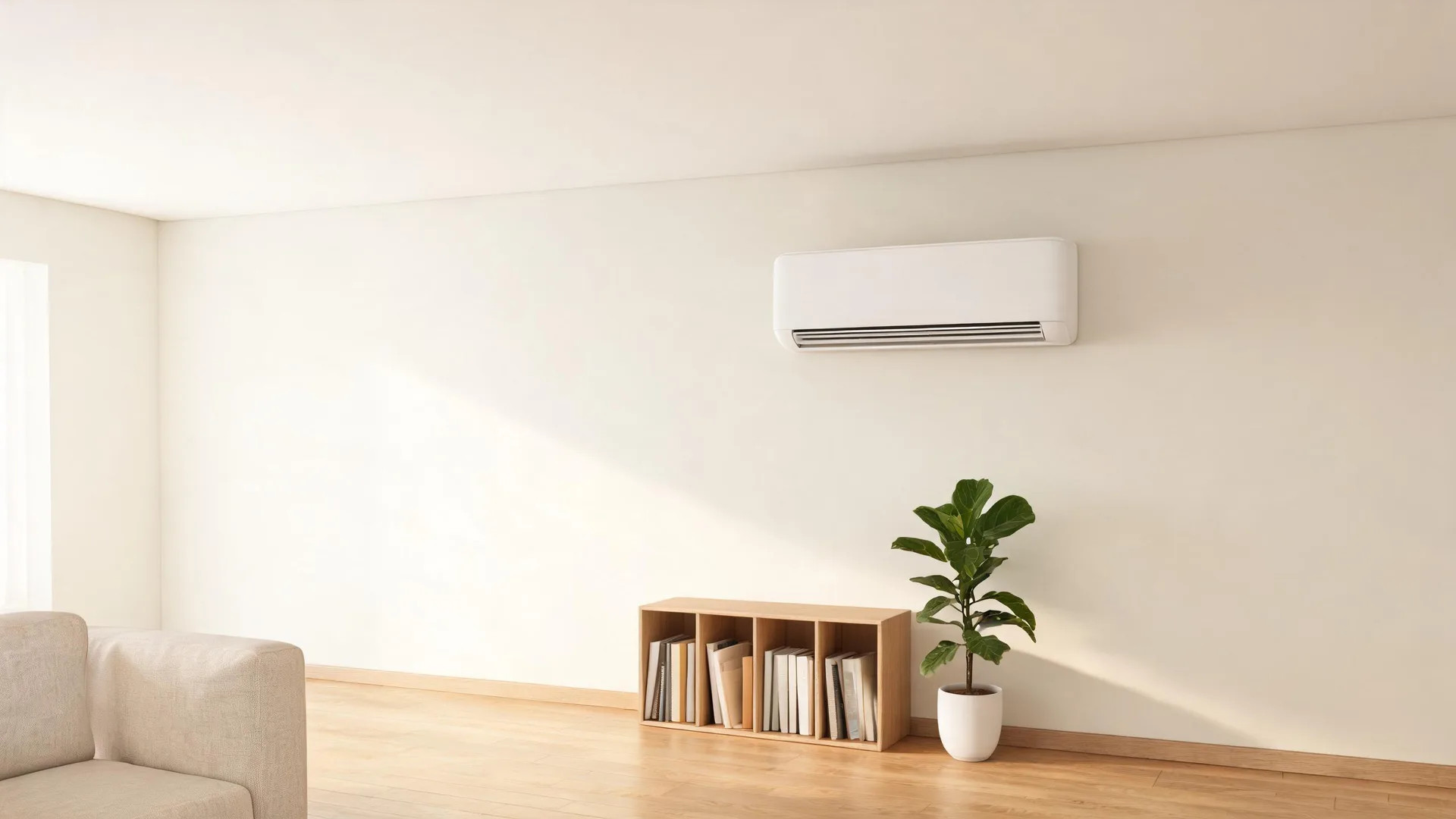
Most homes here run on electric heat
Electricity heats 73.9% of homes in St. John the Baptist Parish. A mini split fits right into that setup, since it runs on electricity like the heating most homes already have.
Takes about a minute. No obligation.
Electricity heats 73.9% of homes in St. John the Baptist Parish. A mini split fits right into that setup, since it runs on electricity like the heating most homes already have.
Only 23.7% of homes here heat with utility gas. For most installs in Laplace, that means no gas line to tie into or avoid, which simplifies where the indoor and outdoor units can go.
NOAA nClimDiv, 1991–2020 normals
St. John the Baptist Parish saw 10 damaging wind events and 6 tropical storms or hurricanes in the last ten years.
A mini split here still just needs a standard outdoor unit, mounted and secured the way it would be anywhere else on the Gulf Coast.




A mini split for a Laplace home does not need to be oversized or upgraded to some higher tier to handle anything local. Louisiana homes paid 11.73 cents per kilowatthour in 2024, in line with typical residential rates, so a standard efficiency unit sized correctly for the space is what keeps running costs reasonable here. The sizing comes down to the square footage, the layout and how many zones the home needs, the same factors that matter anywhere. There's no local condition that calls for a bigger compressor or a pricier line of equipment. A contractor sizing the unit to the room, not the parish, is doing it right.
Any mini split installed here now has to meet the federal minimum for this region, 14.3 SEER2 for cooling and 7.5 HSPF2 for heating. That floor applies whether it's a single zone or a multi-zone setup. A system that meets it also qualifies for the federal tax credit available on heat pump installations. Get a quote to see what that looks like for your home.
Find a contractorThat outdoor unit will be running from April clear through October here, not just a few weeks in summer. Get the sizing wrong and it shows up fast, short cycling or struggling to keep up on the hot afternoons. Have the contractor size it to the square footage and the zones in your home, not to whatever unit happens to be on sale. A load that's too small for the space runs longer and harder to make up for it, and with this many months of cooling, that difference adds up.
Whatever heated and cooled the house before, whether that's a window unit, a central system, or an older split, gets disconnected and hauled off as part of the job. If it had refrigerant in it, that refrigerant has to be recovered first, not vented. That's standard practice and the law, and a contractor doing the install should already have it covered.
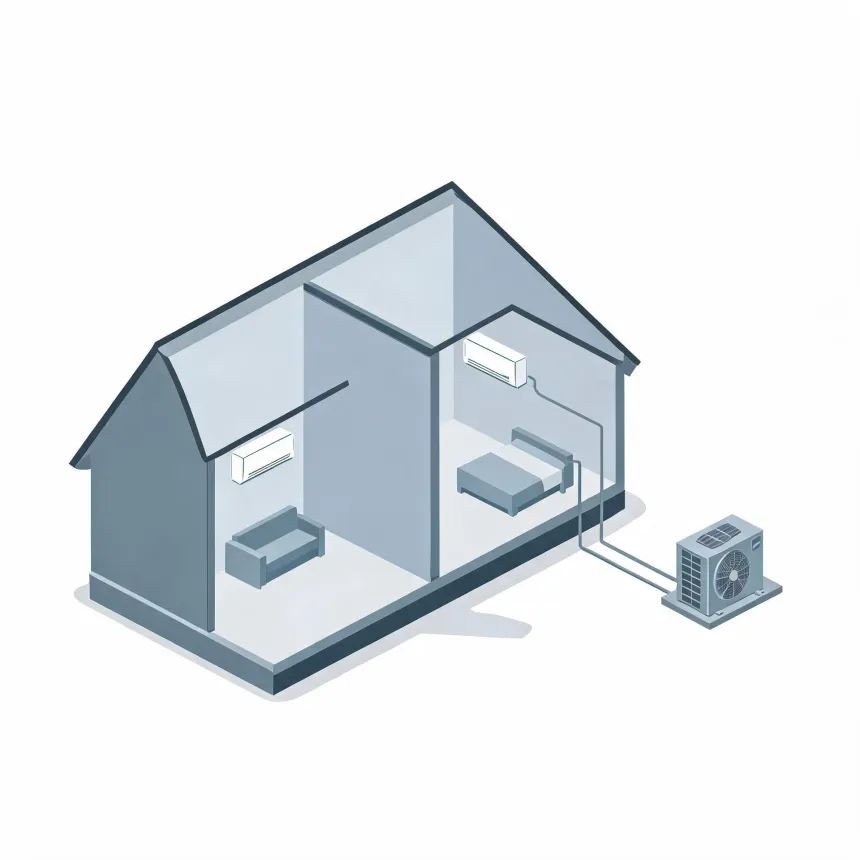
A mini split doesn't need ductwork to run. If the home has ducts from a previous system, a homeowner can keep using them for another zone or leave them alone entirely. Leaky or old ducts that used to waste conditioned air are no longer part of the equation once a zone runs off the mini split instead.
When you're comparing quotes, ask each contractor to walk through the load calculation, not just hand you a number. That calculation should account for the square footage of each room, the windows, the insulation, and how the zones are split up. Ask how many zones they're proposing and why, since one outdoor unit can run multiple indoor heads and the right count depends on how the home is laid out, not on a standard package. Ask where the outdoor unit will sit and whether the line set run between indoor and outdoor units is short or long, since a longer run can affect performance. Ask what happens to the old equipment, who removes it, and whether any refrigerant gets recovered properly. A contractor who answers these without hesitating has done this before. One who just quotes a price per zone hasn't thought it through.
Installation day starts with the outdoor unit placement and the line set path, since everything else follows from that. The crew mounts the outdoor unit on a pad or brackets, then runs the line set, the wiring, and the condensate drain from there to each indoor head. Each indoor unit gets mounted on a wall or ceiling bracket, connected, then the whole system gets evacuated with a vacuum pump to pull out moisture and air before refrigerant goes in. That vacuum step matters more than people expect, since any moisture left in the lines turns into problems down the road. Once it's charged, the contractor tests each zone, checks the temperature split at the indoor heads, and confirms the system is holding a vacuum correctly on the line connections. A straightforward single zone can wrap up well within a day. More zones or a harder line set run, like going through brick or running a longer distance to the outdoor unit, adds time to that.