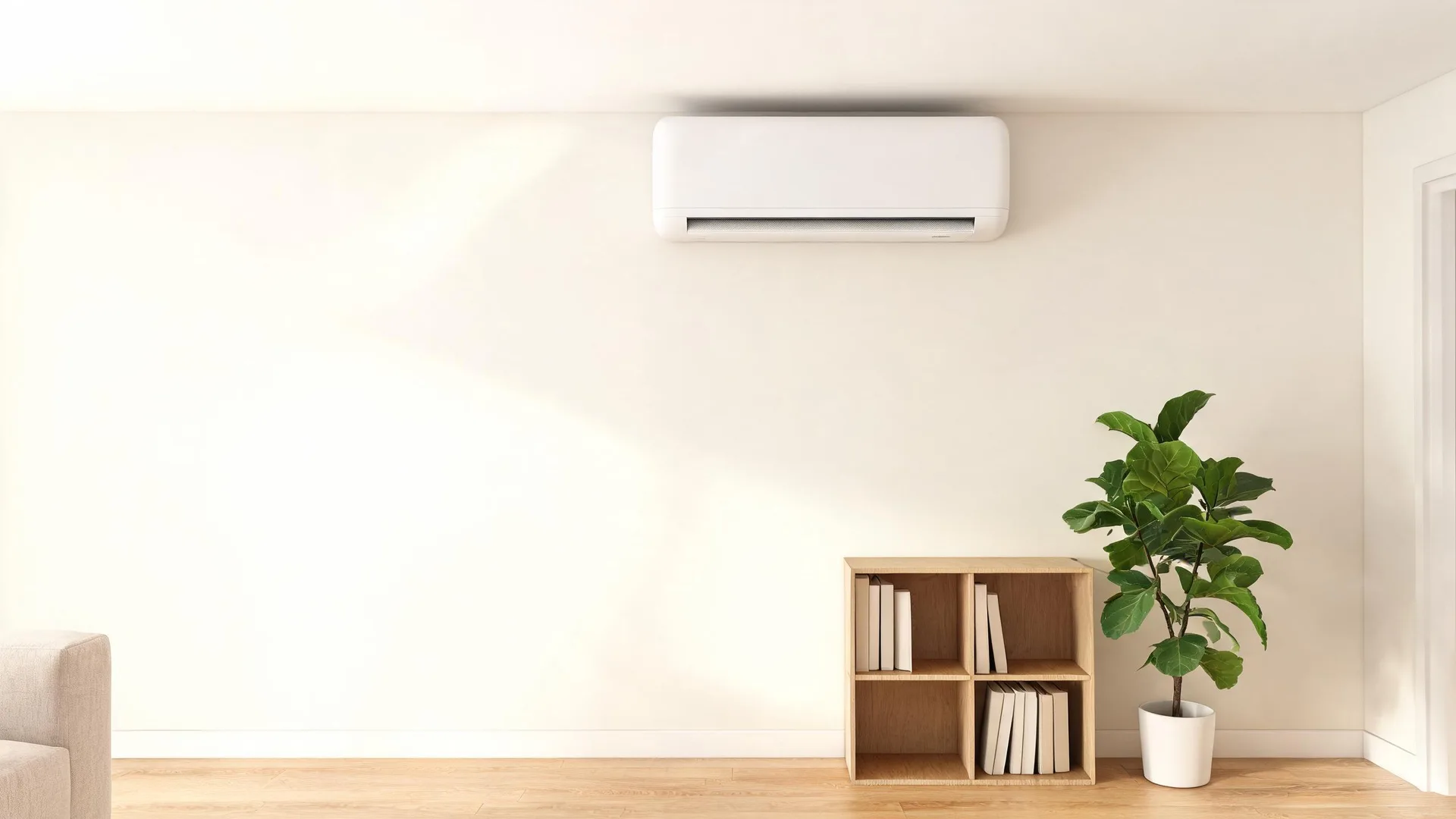
Electricity here runs cheap
St. Martin Parish paid 12.28 cents per kilowatt-hour in 2025, lower than most US counties. A mini-split here is still cooling and heating on electricity, so that rate is the starting point for every bill it shows up on.
Takes about a minute. No obligation.
St. Martin Parish paid 12.28 cents per kilowatt-hour in 2025, lower than most US counties. A mini-split here is still cooling and heating on electricity, so that rate is the starting point for every bill it shows up on.
A low rate doesn't erase a system that's working hard. A mini-split here cycles on and off through a long muggy stretch of the year, and how efficiently it does that work decides whether the rate on your bill turns into real savings or gets eaten up by the runtime.
NOAA nClimDiv, 1991–2020 normals
Electricity heats 84.3% of homes in St. Martin Parish.
A mini-split runs on electricity already, so it fits the setup this parish already uses.




St. Martin Parish falls under zone 2A, a hot and humid climate where cooling carries most of the load. Any mini-split installed here has to meet the federal minimum for that kind of system: at least 14.3 Btu of cooling for every watt-hour it uses over the summer, and at least 7.5 Btu of heat for every watt-hour over the winter. That floor applies whether the install is a single zone in a sunroom or a multi-zone system covering the house. A contractor sizing the system will work from that minimum, not below it.
That rate per kilowatt-hour is low, but a mini-split here still runs long stretches most of the year. The efficiency it's installed with decides how much of that low rate actually shows up as savings. Getting the sizing and install right matters more here than in a place where the system barely runs.
Find a contractor
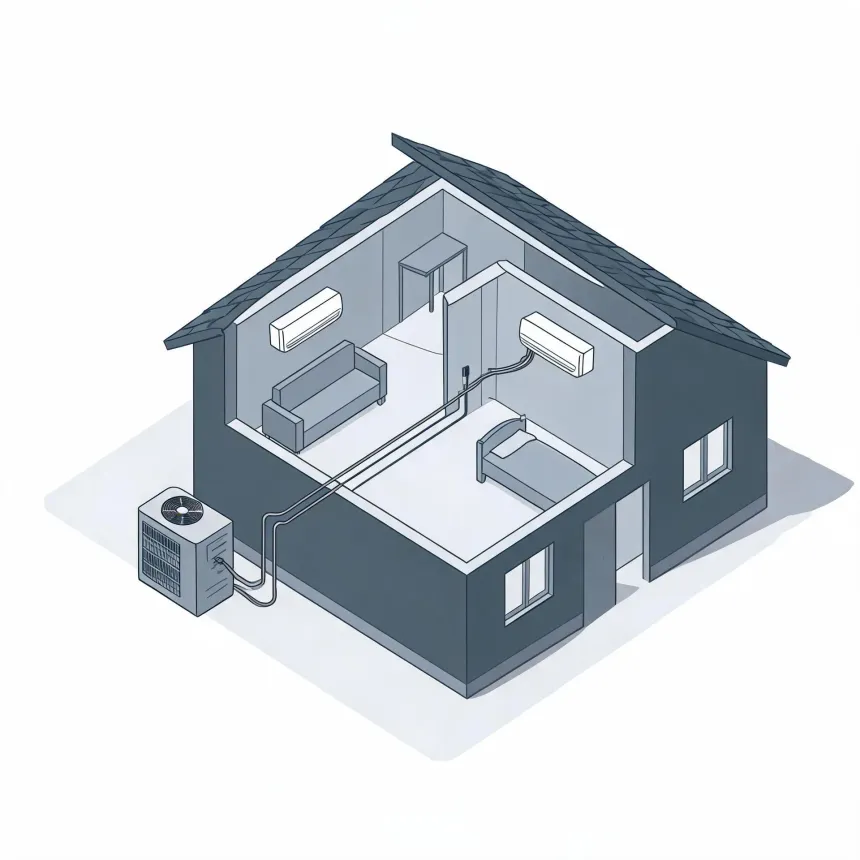
Seven months of cooling a year is a lot of hours on one machine. Sizing was already covered. Installation is the other half. A mini-split moves heat instead of burning fuel for it, and that means the install work, the line set, the mounting, how the indoor and outdoor units get matched up, decides how close it gets to its rated efficiency. A unit sized right but installed loose won't hit the numbers it was sold on. Over seven months of running, that gap doesn't stay small.
A contractor works out the load for each room separately, looking at square footage, window area, insulation, and what direction the walls face. That number, not the size of the old system and not a rule of thumb, decides which indoor unit goes where. Skip that step and the install is a guess.
A mini-split that's too big satisfies the thermostat fast and shuts off before it's pulled the moisture out of the air. The room reads cool but feels damp. A unit sized to the room runs longer, steadier cycles, and that's what actually wrings the humidity out.
The rating on the label is a ratio, not a guarantee. It tells you how much cooling or heat the unit produces for the electricity it draws, under test conditions in a lab. The number on the wall at the end of the month depends on more than that rating. Sizing decides how often the unit cycles. Installation decides whether it ever reaches the rating it was sold on. A mini-split with a high rating but a sloppy line set or a poor match between indoor and outdoor units will run below what its label promises, every hour it operates. The rating is the ceiling. What the install gets right, or doesn't, decides how close the system actually runs to it.
St. Martin Parish saw 55 severe weather events between 2015 and 2024, damaging wind in 24 of them and hail in 14. That's the outdoor unit's exposure, sitting outside through wind and hail year after year. Where it gets mounted and what's around it matters here more than in a calmer county. Outages are the other side of it. Almost half of Louisiana households went at least a day without power in 2024, and a mini-split with no backup plan means no cooling and no heat until the power comes back. Worth asking a contractor what that gap looks like for your home before the next storm, not during it.