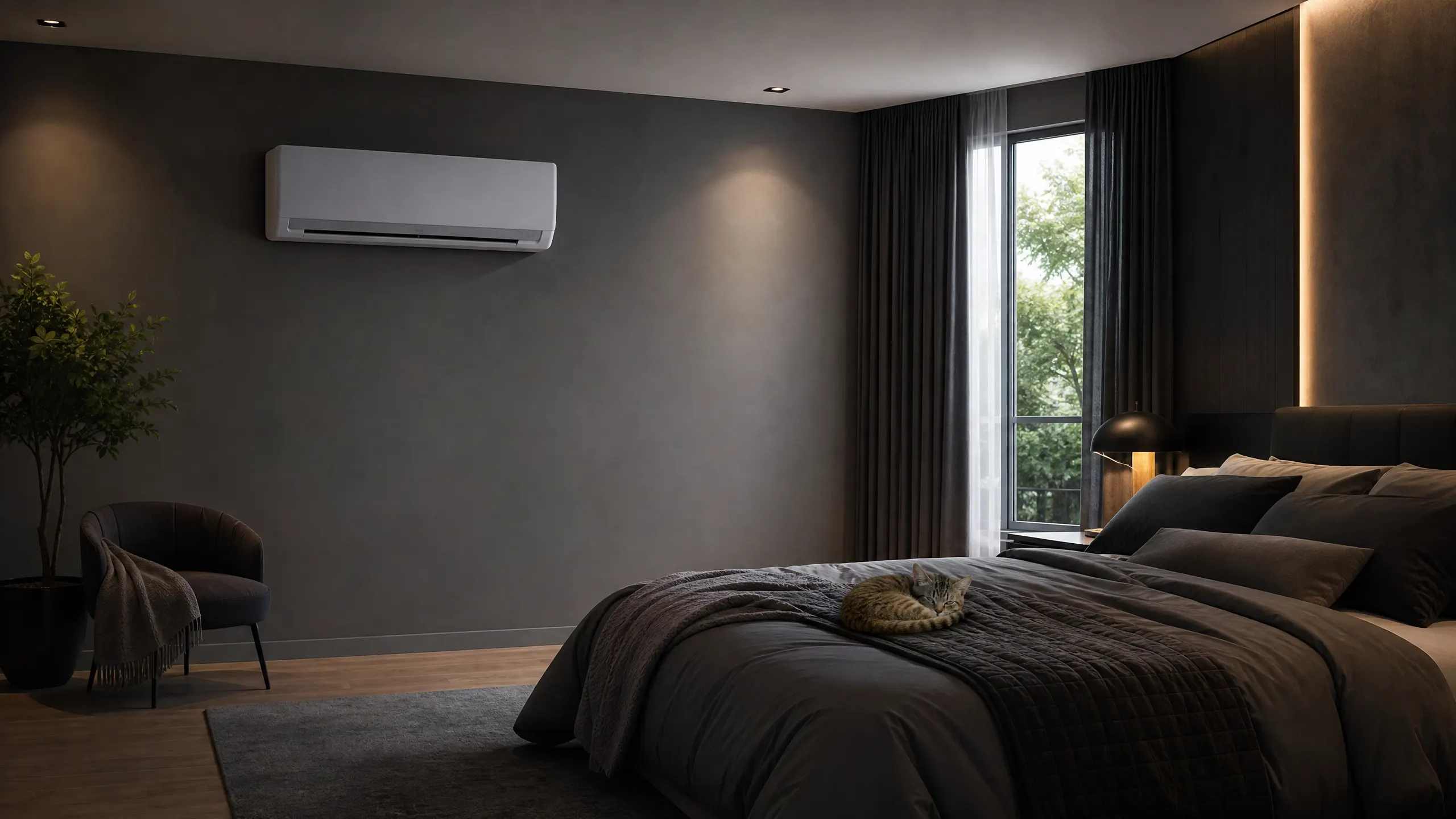






A tabby cat sleeps on a large bed in a dark, modern bedroom equipped with a wall-mounted air-conditioning unit.

Mini Split Installation in Luling, LA

Tell us about the job

Takes about a minute. No obligation.

New system or replacementMini-splitSt. Charles Parish, LA
Step 1 of 2

What ZIP code is the job in?

Electricity in St. Charles Parish runs about 11.91 cents per kilowatt-hour, cheaper than most of the country. That helps, but a mini-split here still earns its keep differently than one up north. It runs for cooling most of the year, not just a few weeks, so every bit of efficiency it has gets used again and again. A unit with a higher SEER2 rating pulls less power to move the same heat out of your house. Over a full year of that kind of use, the difference between an efficient system and a middling one shows up clearly on the meter.

4 months
November through February, your system heats
7 months
April through October, it cools
46°F
the average winter night it heats against
91°F
the average summer afternoon it cools against
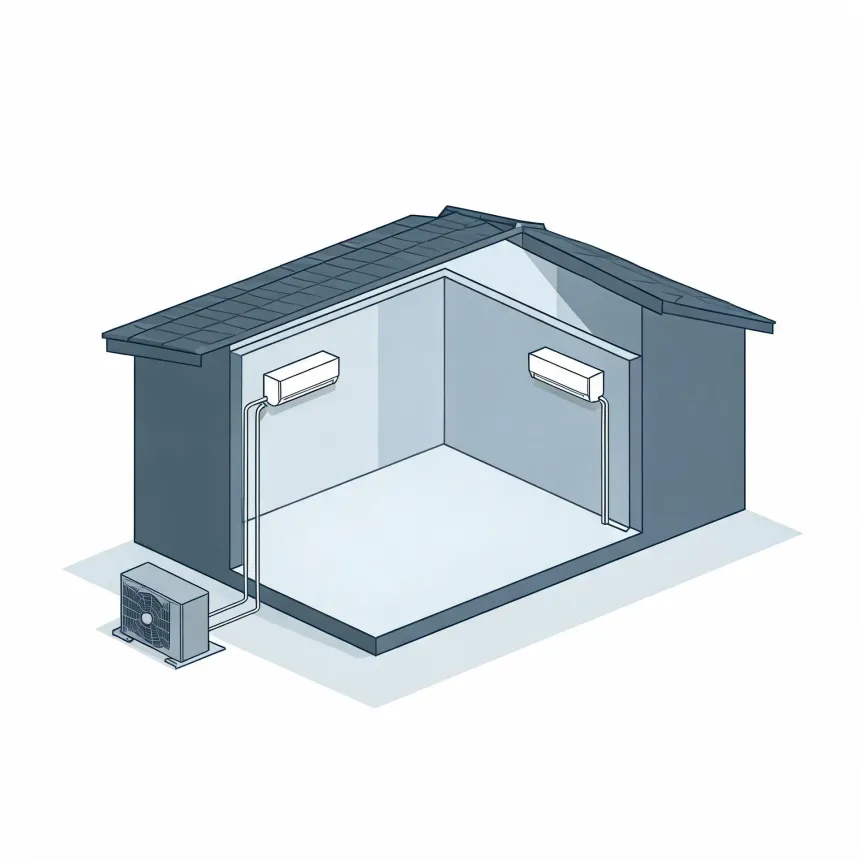
Cutaway isometric illustration of a small building interior showing two wall-mounted indoor air conditioning units connected by line sets running down to a single outdoor condenser unit on the ground outside.
Your system heats November through February and cools April through October.

NOAA nClimDiv, 1991–2020 normals

Cooling runs April through October in St. Charles Parish.

Install before April and the job happens on your schedule, not after the heat sets in.

Most homes here already run on electricity, and a mini-split fits right in

57.7% of homes heat with electricity
Climate zone 2A
Power here costs 11.91 cents per kilowatt-hour
Built for storms that cut the powerSt. Charles Parish logged 45 severe weather events from 2015 to 2024, and almost half of Louisiana homes lost power for a day or more last year.

A mini-split here runs for cooling about seven months of the year, April through October. Through June, July and August the afternoon high averages 91°F, and the dew point sits around 74°F, heavier than most of the country ever sees. That combination keeps the compressor working through a long stretch, not just a few hot weeks. A system sized and installed right handles that load without strain. One that's undersized or poorly matched to the space runs longer and harder to keep up, and that shows up in wear sooner than it would somewhere milder.

Get the rating right and this system pays for the difference every month

The SEER2 rating matters more here than the price tag on the unit. Ask whoever quotes the job to show you the rating on the system they're proposing, not just the brand. That number is what decides what this machine pulls off your meter every month it runs.

Find a contractor
A man in a dark shirt and tan work pants, seen from behind, carries a canvas tool bag up wooden porch steps toward a green front door of a shingled house with a potted shrub beside it.
A white mini-split air conditioner outdoor condenser unit mounted on metal brackets against a beige stucco exterior wall, with a blue sky and scattered clouds in the background.

This runs most of the year, not a few weeks

Seven months of cooling a year adds up to a lot of hours on the compressor. That's the number to ask about when you're comparing quotes, not just the price out the door. Get the unit sized for your space, and get it installed so the lines and the mounting hold up to that kind of use.

The old system has to come out clean

Whatever unit is in place now has refrigerant in it, and that refrigerant has to be recovered, not vented, before anything gets disconnected. A licensed installer brings the equipment for that step. The old line set usually comes out too rather than getting reused, since new lines get matched and sized for the new system.
What's left behind depends on what it was

A window unit or an old split system leaves a hole in the wall or a line set run that needs patching once it's gone. A central system being replaced by a mini-split leaves ductwork behind that may not be needed anymore, or may stay in place for part of the house. Ask whoever installs the new system what happens to that opening or that duct run before the job starts, not after.

Ask how many zones the system is rated for and whether that matches how many rooms you actually want conditioned. A single outdoor unit can usually run more than one indoor head, but each added zone splits the total capacity, and an installer who undersizes this leaves the far rooms weak. Ask what happens at the edges of its range, how it performs on the hottest days, since a unit that handles average conditions can still fall short at the extremes. Ask about the line set length too. Longer runs between the outdoor and indoor units can affect performance, and a quote that doesn't mention it hasn't accounted for your layout. And ask who services the brand locally. A system nobody nearby is trained on means a long wait if something fails.

St. Charles Parish falls under zone 2A, a hot and humid climate under the energy code. Cooling carries most of the load here, so federal rules set a floor for that side of the machine. Any split system heat pump, ductless included, built from 2023 onward has to pull at least 14.3 Btu of cooling for every watt-hour it uses over the summer, and at least 7.5 Btu of heat per watt-hour over the winter. That's the minimum, not a target, so every mini-split sold now already clears it. A system that qualifies also opens the door to the federal tax credit on offer for efficient heat pumps. Ask whoever quotes the job which systems on the table qualify and which just scrape by the minimum.