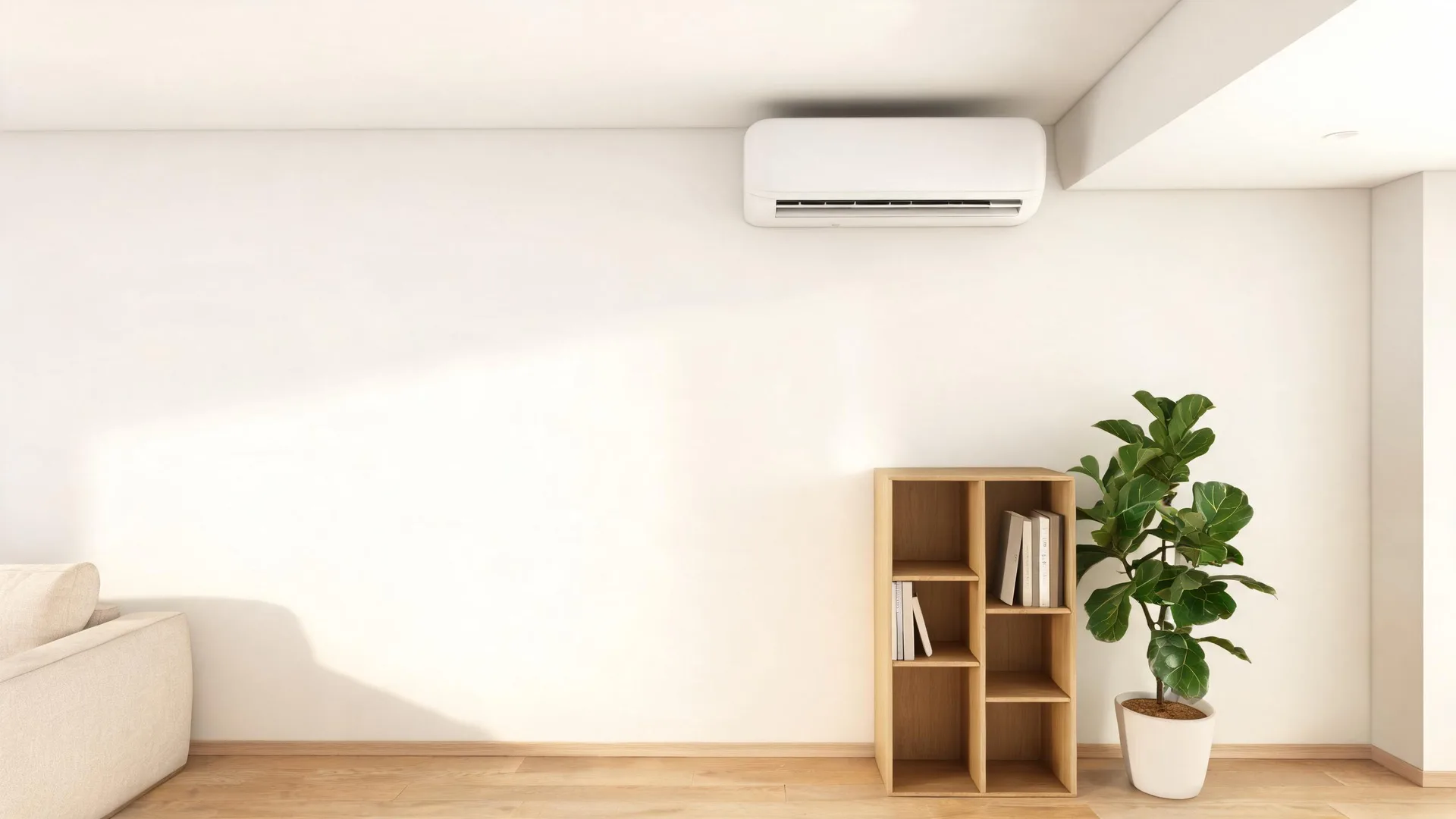
Most homes here run on electricity
Electricity heats 56.7% of homes in Pointe Coupee Parish. Utility gas covers most of the rest, at 42.0%. A mini split fits an electric home without adding a new fuel line or touching a gas appliance.
Takes about a minute. No obligation.
Electricity heats 56.7% of homes in Pointe Coupee Parish. Utility gas covers most of the rest, at 42.0%. A mini split fits an electric home without adding a new fuel line or touching a gas appliance.
If the house already heats and cools with electricity, a mini split slots into the existing setup instead of working around a furnace or boiler. That makes it a straightforward swap or addition in a home that was never built around gas heat to begin with.
NOAA nClimDiv, 1991–2020 normals
Cooling runs April through October here, about seven months out of the year.
A mini split sized for this parish has to carry seven months of real work, not a few weeks of mild weather.



A mini split that's too big cools the room fast, shuts off, and leaves the rest of the house untouched. That short cycle also means it never runs long enough to pull real moisture out of the air, so the room feels cold and damp instead of just cool. Go too small and the unit runs flat out trying to catch up, especially on the hottest afternoons, and still falls short. The right size comes from a load calculation, not the square footage of the room alone. A tech working this out accounts for the windows, the insulation, how many walls face outside, and what's on the other side of the ceiling. Rooms that look alike on paper can call for different sized units once those factors are in.
Cooling starts in April here and runs through October. Installing a mini split before that stretch begins means it goes in on a normal schedule, with time to work out sizing and placement, instead of getting squeezed in once the heat has already started.
Find a contractor
June through August, the afternoon high here averages 92 degrees. That's the stretch a mini split has to be sized for, not the cooler weeks on either end of the season. A unit sized against a mild afternoon will fall behind once July settles in, running flat out and still losing ground on the hottest days. Size it against 92 and the slower days take care of themselves.
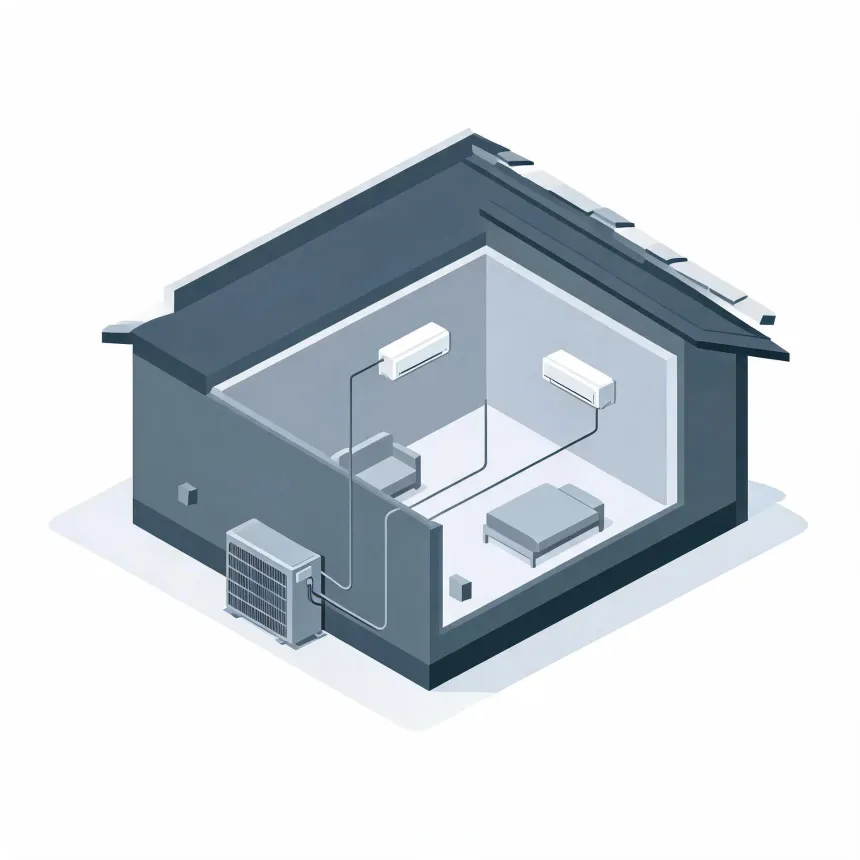
A single room needs one indoor head and one line set run. Cover the whole house and each room gets its own head, its own line set, and its own spot on the outdoor unit's capacity. More zones means more refrigerant line, more wall penetrations, and more time on the install.
The outdoor unit needs a clear path for airflow and a reasonable run to each indoor head. A straight shot through one wall is a short job. If the line set has to travel through an attic, drop down an exterior wall, or snake around to reach a far room, that's more labor and more material before the unit ever turns on.
The number on a mini split's label tells you how much cooling it squeezes out of the power it uses. A higher rated unit moves the same heat out of the house on less electricity, and that gap holds steady for as long as the unit runs. It matters more in a house that runs cooling for most of the year than one that only needs it a few weeks, since the unit is putting in real hours either way. That rating only holds if the unit is sized and installed right. An oversized or undersized system won't run the way the label promises, no matter what number is stamped on it. Ask what rating a quoted system carries and compare it against others before deciding, the same way you'd compare any other spec on a big purchase.
Install day starts outside, mounting the outdoor unit on a pad or brackets where it gets clear airflow on all sides. Inside, the tech mounts the indoor head, drills through the wall for the line set, and runs refrigerant lines, power, and a condensate drain out to the outdoor unit. Once everything's connected, the lines get pulled down to a vacuum to clear out air and moisture before any refrigerant moves through them. Skip that step and moisture left in the lines can freeze or corrode the system from the inside over time. After that the unit gets charged, powered up, and tested across both cooling and heating if it runs both. The tech checks the line set connections for leaks and confirms the head is blowing at the temperature it's set to before calling the job done.